One answer, not a page of regulations
Do I need a visa for Vietnam, and how long can I stay?
Choose your passport and how long you want to stay. You get three things back: whether a visa is required at all, whether a 90-day e-visa covers the trip, and what Vietnam charges for it.
Updated:
Message us on WhatsApp — we will check your case
We answer in English or Russian and quote before you pay anything. On Telegram too, if that is where you live.
- a person writes back, not a bot, and usually within the hour;
- we pay the $25 government fee with our card: the portal turns down a lot of foreign ones;
- your passport scan and your dates are checked before anything is filed;
- on the rush tiers the immigration service issues the visa and we file the papers — get the filing wrong and we return twice the visa price in cash.
Where the rules end and we start
Everything above is public law: exemption lengths, the 90-day e-visa ceiling, the government fee. A calculator can do that part, and this one does. What it cannot do is fill in the application on your behalf or put you on a bus to the border, and those are the two places where people actually get stuck:
- the e-visa form asks for an exact entry point, and an application naming the wrong one fails at the border, not on the portal;
- a refusal costs the fee again, so we check the passport scan and the dates before anything is submitted;
- when the answer is a border crossing rather than a visa, someone has to drive it — out of Da Nang we do that ourselves.
The trip itself, hour by hour, is on the visa run from Da Nang page. If you would rather not go anywhere, the 90-day e-visa done for you page covers the paperwork route, and the 24-hour visa one is for the case where you have already run out of days.
All 29 passports
The same reference the calculator runs on: visa-free days, the cap per period, the e-visa ceiling and the government fee.
| Country | Visa-free days | Cap per period | Exemption runs until | E-visa ceiling | Government fee |
|---|---|---|---|---|---|
| Australia | none | — | — | 90 | $25 / $50 |
| Azerbaijan | none | — | — | 90 | $25 / $50 |
| Armenia | none | — | — | 90 | $25 / $50 |
| Belarus | 30 | 90 days / calendar year | no end date | 90 | $25 / $50 |
| United Kingdom | 45 | 90 days / 12 months | 14 March 2028 | 90 | $25 / $50 |
| Germany | 45 | 90 days / 12 months | 14 March 2028 | 90 | $25 / $50 |
| Georgia | none | — | — | 90 | $25 / $50 |
| India | none | — | — | 90 | $25 / $50 |
| Indonesia | 30 | — | no end date | 90 | $25 / $50 |
| Spain | 45 | 90 days / 12 months | 14 March 2028 | 90 | $25 / $50 |
| Italy | 45 | 90 days / 12 months | 14 March 2028 | 90 | $25 / $50 |
| Kazakhstan | 30 | 90 days / 180 days | no end date | 90 | $25 / $50 |
| Canada | none | — | — | 90 | $25 / $50 |
| Kyrgyzstan | none | — | — | 90 | $25 / $50 |
| China | none | — | — | 90 | $25 / $50 |
| Malaysia | 30 | — | no end date | 90 | $25 / $50 |
| Moldova | none | — | — | 90 | $25 / $50 |
| Netherlands | none | — | — | 90 | $25 / $50 |
| Russia | 45 | — | 14 March 2028 | 90 | $25 / $50 |
| United States | none | — | — | 90 | $25 / $50 |
| Singapore | 30 | — | no end date | 90 | $25 / $50 |
| Tajikistan | none | — | — | 90 | $25 / $50 |
| Thailand | 30 | — | no end date | 90 | $25 / $50 |
| Uzbekistan | none | — | — | 90 | $25 / $50 |
| Ukraine | none | — | — | 90 | $25 / $50 |
| Philippines | 21 | — | no end date | 90 | $25 / $50 |
| France | 45 | 90 days / 12 months | 14 March 2028 | 90 | $25 / $50 |
| South Korea | 45 | 90 days / 12 months | 14 March 2028 | 90 | $25 / $50 |
| Japan | 45 | 90 days / 12 months | 14 March 2028 | 90 | $25 / $50 |
The e-visa ceiling is the longest stay a single e-visa grants. The government fee is what Vietnam charges: single entry on the left, multiple entry on the right; our own fee is not part of it.
Data verified: 6 July 2026
The same answer in words, passport by passport
Australia has no visa-free arrangement with Vietnam, so Australians need a visa even for a short break. In practice that is the e-visa: 90 days is the longest one grants, and the government takes $25 for a single entry, $50 for a multiple-entry visa. Adding days later is not possible — the stay resets only on a new arrival.
Vietnam grants no visa-free entry to citizens of Azerbaijan: a visa is required for any trip. An e-visa is issued for up to 90 days; Vietnam charges $25 for a single entry and $50 for a multiple-entry one. Vietnam does not add days on the spot: a fresh stay comes from crossing the border again.
Holders of a passport from Armenia are not let in without a visa, short trips included. The electronic visa runs to 90 days, and the state fee is $25 single entry, $50 multiple. There is no extension on site, so the count restarts after you leave and come back.
No visa is required for citizens of Belarus as long as the trip fits into 30 days. Separately from the per-trip limit, Vietnam allows 90 days in a calendar year. Longer stays run on an e-visa instead: 90 days at most, $25 for one entry and $50 for several, or a series of border crossings.
A United Kingdom passport gets 45 days in Vietnam with no visa at all. The catch is the running total: 90 days across any twelve months, counted back from the day you land, so two long trips in one year can collide. The waiver holds until 14 March 2028. Past 45 days in one go it becomes an e-visa question — up to 90 days, $25 for a single entry and $50 for a multiple-entry one.
Germany is on Vietnam's exemption list: the first 45 days of a stay need no visa at all. Above that sits the rolling ceiling of 90 days in any twelve months, and the exemption itself is set to expire on 14 March 2028. A single stay longer than 45 days moves to the e-visa: 90 days maximum, $25 for one entry, $50 for several.
Passport holders from Georgia apply before they fly: the visa is not issued at the border. What you need is an e-visa: up to 90 days, $25 for a single trip and $50 if you plan to re-enter. Once the visa expires you need another entry: nobody will extend it where you are.
Citizens of India need a visa for Vietnam from day one — this passport carries no visa-free allowance. The e-visa covers it: up to 90 days of stay, government fee $25 for one entry and $50 for several. It cannot be extended from inside the country — only a new entry starts a new clock.
Vietnam waives the visa for citizens of Indonesia on a trip of up to 30 days. Need longer and it is an e-visa of up to 90 days — $25 for a single entry, $50 for a multiple-entry one — or a trip out to the border and back.
Holders of a passport from Spain are stamped in without a visa for up to 45 days. There is also a running total — 90 days in any rolling 12 months, counted across every trip. This arrangement is announced through 14 March 2028, after which it is reviewed. If the trip runs past it, an e-visa covers up to 90 days at $25 single entry or $50 multiple; the alternative is leaving and re-entering.
No visa is required for citizens of Italy as long as the trip fits into 45 days. The days add up, and the cap on that sum is 90 in any rolling 12 months. The waiver carries an end date of its own — 14 March 2028. Longer stays run on an e-visa instead: 90 days at most, $25 for one entry and $50 for several, or a series of border crossings.
Citizens of Kazakhstan get a visa-free stay of up to 30 days per entry. Separately from the per-trip limit, Vietnam allows 90 days in any 180 days. Beyond that limit only an e-visa works — 90 days, $25 per single entry, $50 for a multiple-entry visa — unless you go out for a new stamp.
Canada has no exemption either, so a Canadian passport needs a visa from the first day. The normal answer is an e-visa — up to 90 days, $25 for a single entry, $50 for several. If Cambodia or Laos is part of the plan, take the $50 version straight away: a second single-entry visa costs more than the difference.
Passport holders from Kyrgyzstan apply before they fly: the visa is not issued at the border. What you need is an e-visa: up to 90 days, $25 for a single trip and $50 if you plan to re-enter. Once the visa expires you need another entry: nobody will extend it where you are.
Citizens of China need a visa for Vietnam from day one — this passport carries no visa-free allowance. The e-visa covers it: up to 90 days of stay, government fee $25 for one entry and $50 for several. It cannot be extended from inside the country — only a new entry starts a new clock.
Vietnam waives the visa for citizens of Malaysia on a trip of up to 30 days. Need longer and it is an e-visa of up to 90 days — $25 for a single entry, $50 for a multiple-entry one — or a trip out to the border and back.
Holders of a passport from Moldova are not let in without a visa, short trips included. The electronic visa runs to 90 days, and the state fee is $25 single entry, $50 multiple. There is no extension on site, so the count restarts after you leave and come back.
Citizens of the Netherlands have to arrange the visa in advance; no free days come with this passport. There is one working route — the e-visa: 90 days maximum, $25 for a single entry, $50 for a multiple-entry visa. Sitting it out and paying later is not an option; the border is what resets the stay.
Citizens of Russia get a visa-free stay of up to 45 days per entry. The waiver carries an end date of its own — 14 March 2028. Beyond that limit only an e-visa works — 90 days, $25 per single entry, $50 for a multiple-entry visa — unless you go out for a new stamp.
A United States passport needs a Vietnamese visa for every trip, a long weekend included. The route is the e-visa on evisa.gov.vn: up to 90 days in the country, $25 if you enter once and $50 if you mean to come back. None of it is topped up from inside Vietnam — the next stay begins at the border.
Passport holders from Singapore cross the border on a stamp, good for up to 30 days. To stay past that you either take an e-visa of up to 90 days ($25 single, $50 multiple) or cross the border for a new entry.
Citizens of Tajikistan need a visa for Vietnam from day one — this passport carries no visa-free allowance. The e-visa covers it: up to 90 days of stay, government fee $25 for one entry and $50 for several. It cannot be extended from inside the country — only a new entry starts a new clock.
Vietnam waives the visa for citizens of Thailand on a trip of up to 30 days. Need longer and it is an e-visa of up to 90 days — $25 for a single entry, $50 for a multiple-entry one — or a trip out to the border and back.
Holders of a passport from Uzbekistan are not let in without a visa, short trips included. The electronic visa runs to 90 days, and the state fee is $25 single entry, $50 multiple. There is no extension on site, so the count restarts after you leave and come back.
Citizens of Ukraine have to arrange the visa in advance; no free days come with this passport. There is one working route — the e-visa: 90 days maximum, $25 for a single entry, $50 for a multiple-entry visa. Sitting it out and paying later is not an option; the border is what resets the stay.
Citizens of the Philippines get a visa-free stay of up to 21 days per entry. Beyond that limit only an e-visa works — 90 days, $25 per single entry, $50 for a multiple-entry visa — unless you go out for a new stamp.
France sits in the 45-day group, so a French passport crosses the border on a stamp. Two numbers travel with it: no more than 90 days in any rolling twelve months, and an end date of 14 March 2028 for the arrangement. Longer visits run on an e-visa instead — up to 90 days, $25 single entry, $50 multiple.
Passport holders from South Korea cross the border on a stamp, good for up to 45 days. Separately from the per-trip limit, Vietnam allows 90 days in any rolling 12 months. Visa-free entry is confirmed until 14 March 2028. To stay past that you either take an e-visa of up to 90 days ($25 single, $50 multiple) or cross the border for a new entry.
Citizens of Japan can enter Vietnam without a visa and stay up to 45 days. On top of that sits a ceiling: no more than 90 days in total in any rolling 12 months. The exemption is in force until 14 March 2028. When that is not enough there are two routes: an e-visa for up to 90 days (government fee $25 for one entry, $50 for several) or a border run for a fresh stamp.
If it turns out you need to leave and come back
Vietnam grants a new stay only on a new entry, so a long trip becomes a question of arithmetic: how many crossings your dates need and which border is closest to you. Most people reading this in English are in the south, and the answer there is Moc Bai on the Cambodian side.
Two visas is a normal answer here, not a dead end. We file the second one while the first is still running and sell the pair as a package for $105 instead of $55 apiece, so the overlap covers the day you cross rather than depending on an approval that morning. What the crossing itself looks like depends on where you start: out of Da Nang we drive it ourselves, from Hanoi and from Nha Trang it is a different border and a longer day. If you would rather not cross at all, there is the 90-day e-visa done for you, the 24-hour version when the days have already run out, and the full price list.
| Where you are | Nearest crossing |
|---|---|
| Ho Chi Minh City | Moc Bai, Cambodia |
| Mui Ne | Moc Bai, Cambodia |
| Phu Quoc | Prek Chak at Ha Tien, Cambodia — ferry to the mainland first |
| Da Nang | Lao Bao, Laos — our own run |
| Nha Trang | Moc Bai, Cambodia |
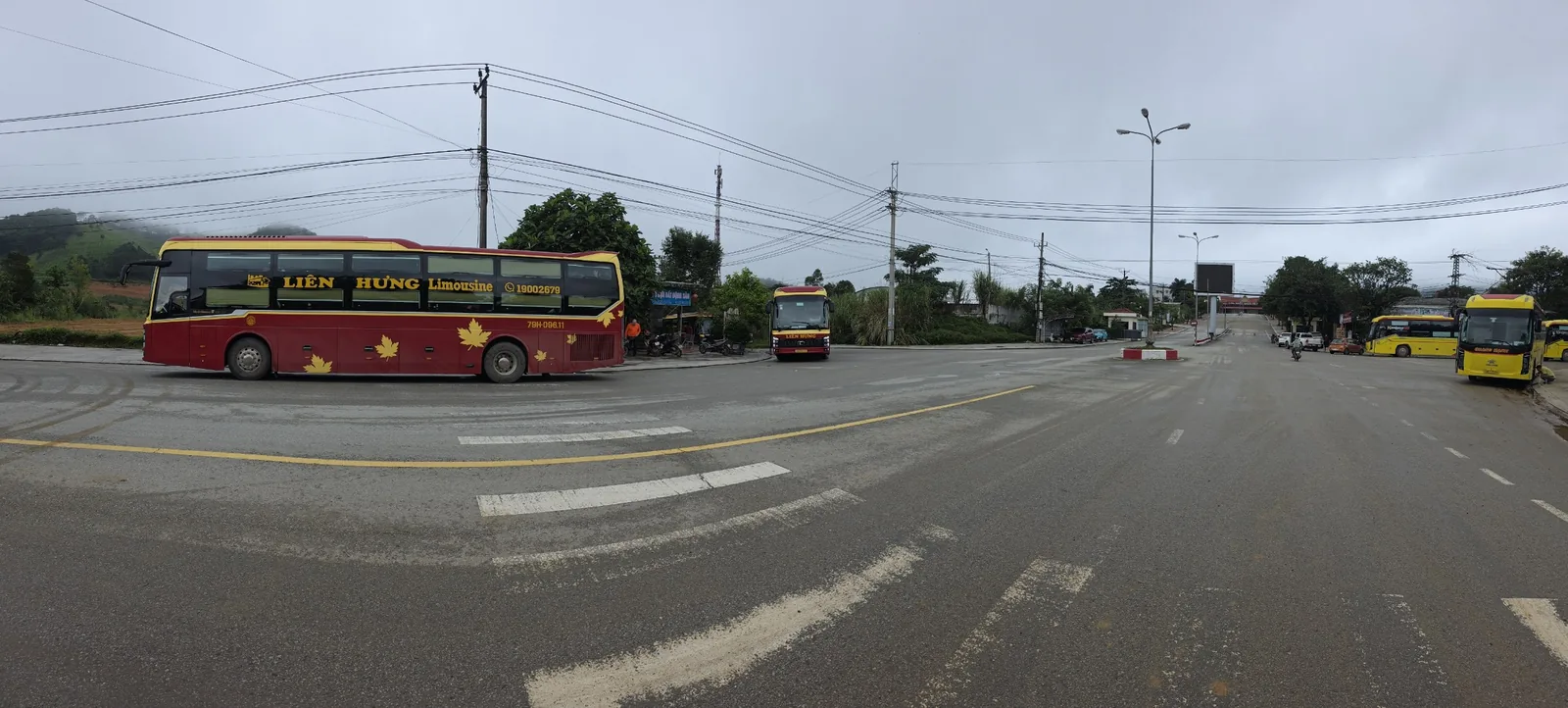
Bring a passport with six months left on it and 200,000 dong per person in cash for the crossing fee. If your city is not on the list, tell us on WhatsApp where you are and when you need to be out: we will say whether a run or a fresh 90-day visa is the cheaper answer for you, and quote both.
Common questions
Do Americans need a visa for Vietnam?
Do British citizens need a visa for Vietnam?
Do Australians need a visa for Vietnam?
Do Canadians need a visa for Vietnam?
What about German and French passports?
Do I need a visa for Phu Quoc?
Is a 90-day e-visa enough for a long stay?
Can I extend a Vietnamese visa without leaving the country?
What happens if the entry point on my e-visa application is wrong?
What do I need to have with me at the border?
Tell us three things — your dates, where you are now and a scan of your passport page. That is the whole starting kit; everything after it is on us. If your case turns out cheaper to do yourself, we will say so.
Prefer Telegram? @learnx1000.