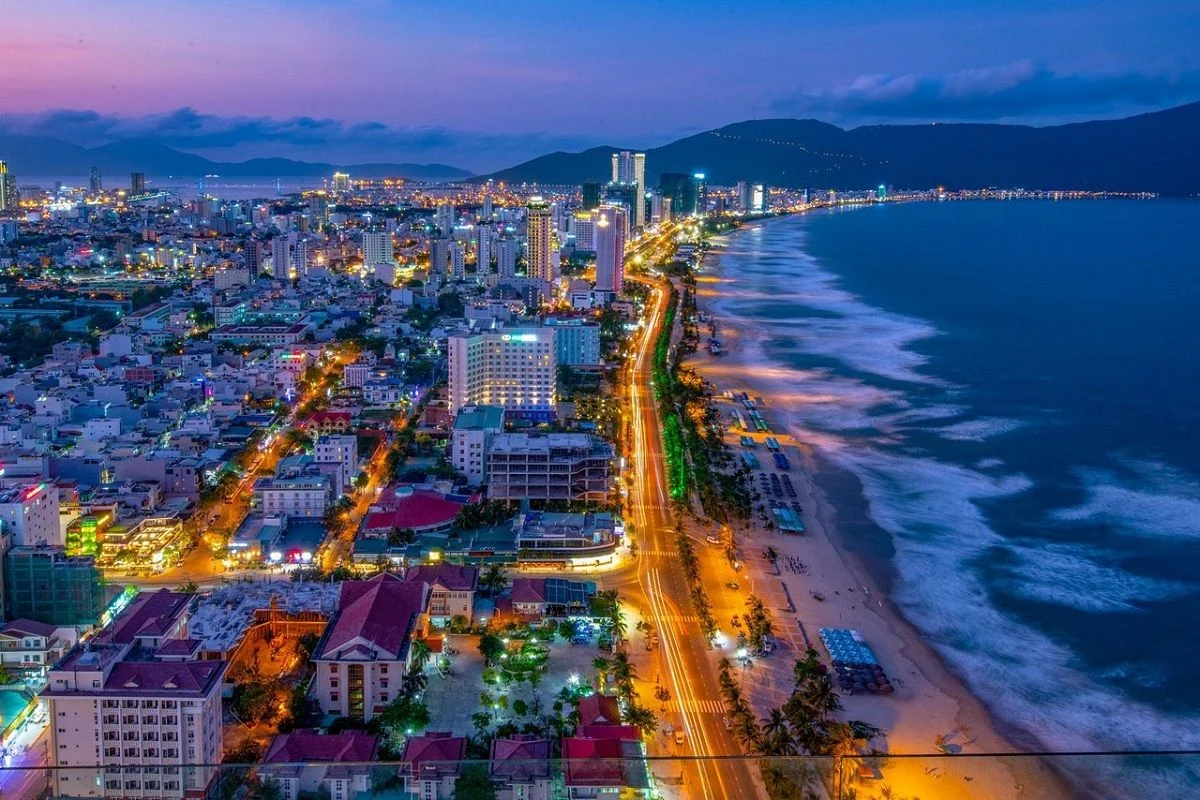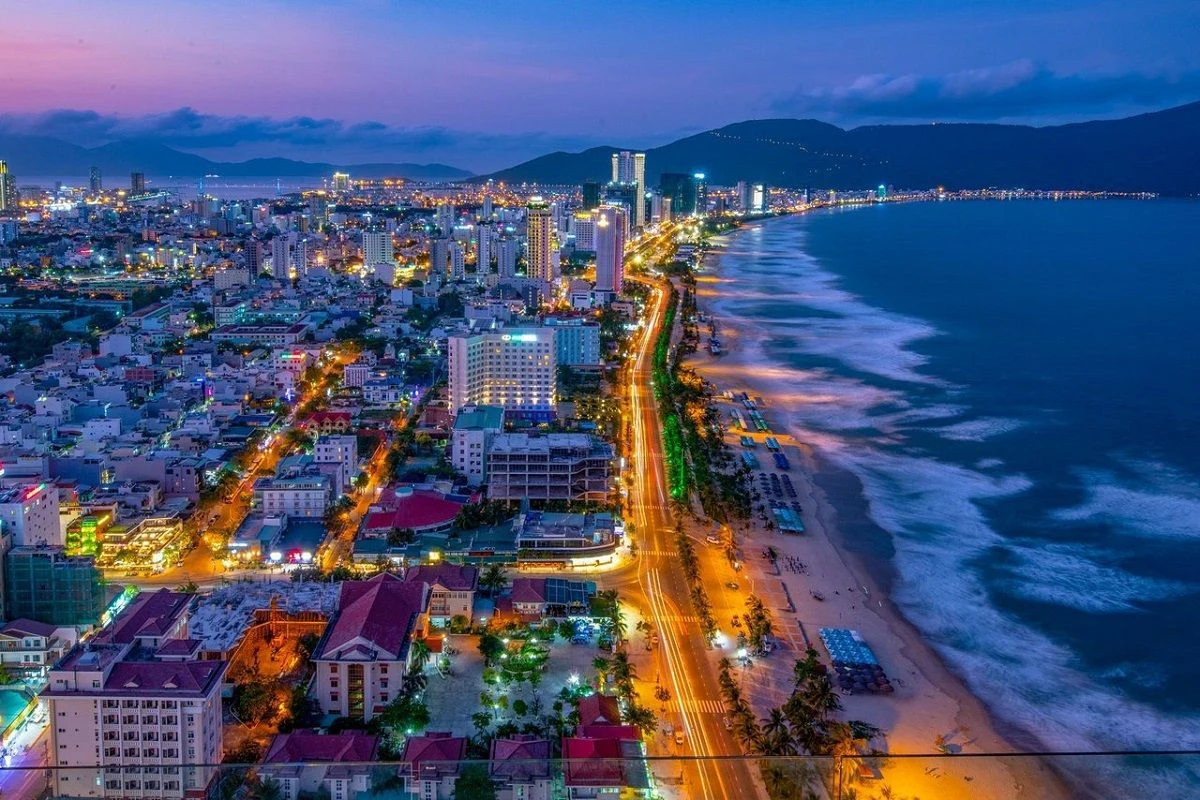
For a Russian remote worker, Yerevan is the easier city to legalise and Da Nang the cheaper one to live in, at about $920 a month against $1,500. Armenia grants permits on business, work, study and family grounds, while Vietnam gives Russians 45 days visa-free and no freelancer permit. I file Vietnam e-visas, so I lean towards Da Nang.
How much does a month in Yerevan or Da Nang cost?
A solo month in Da Nang costs about $920 with rent, against about $1,500 in Yerevan, according to the Wise cost-of-living tables. Without rent the gap is $435 against $749-865, so housing is only part of the difference. Both figures are city averages for one person.
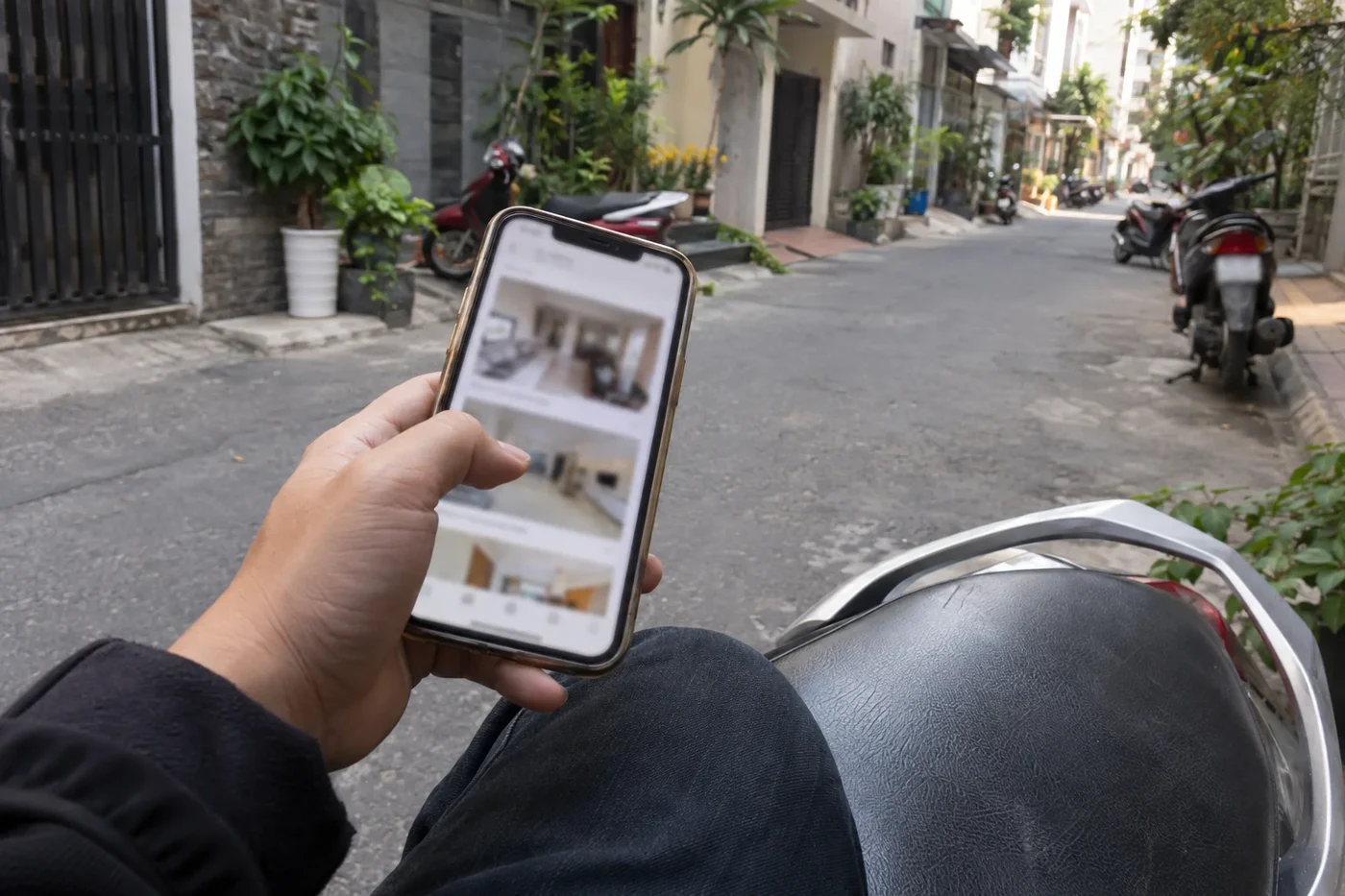
A one-bedroom in central Da Nang runs $480-500 a month. Yerevan listings scatter much wider: one local source puts central Kentron and Arabkir at $400-650, while Numbeo and Wise show $750-977. I would budget Yerevan from the upper end of that spread until a live listing proves otherwise, because the spread is larger than the whole Da Nang range. District-by-district prices for Vietnam are in the guide to Da Nang rent prices.
How long can a Russian stay without a visa?
Armenia lets Russian citizens stay up to 180 days a year without a visa, and the November 2026 reform does not touch that rule. Vietnam allows Russians 45 days visa-free until 14 March 2028, according to the Vietnamese foreign ministry. After that you need an e‑visa from evisa.gov.vn: 90 days for $25 with one entry or $50 with multiple entries, as of November 2026. My turnkey e‑visa filing costs $55 for a week of processing and $110 for one day, on top of the state fee.

In practice Armenia gives six months a year with no paperwork, while Vietnam gives 45 days that end with a border exit or an e‑visa. An e‑visa generally cannot be extended from inside Vietnam, so people fix the exit date on the day they arrive. The usual slip is to plan around an extension that does not exist, so a delayed flight on the last day turns into an overstay. The cycle is explained in the guide to staying 90 days in Vietnam.
Can a Russian get a residence permit in Armenia or Vietnam?
Armenia issues residence permits on business, work, study and family grounds, while Vietnam issues them only through a Vietnamese employer, a family tie or a large investment. Armenia’s new law, in force since 1 November 2026, creates a temporary permit for up to 1 year and a permanent one for 5 years, and the permanent permit is available only after 3 years on the temporary one.

The business route in Armenia has numeric entry tests. A sole proprietor needs a turnover of at least about $2,600 (1 million dram) in the 60 days before filing, or that sum on a business account, and an LLC needs capital of about $5,300 (2 million dram). If the tax office sees no taxes from the business about six months after issue, the permit is cancelled. Of everything on this route, that six-month check deserves the closest reading, because the entry test is a one-off and the check arrives after the permit is already in your hand. The government also sets annual quotas by category, and an exhausted quota is a ground for refusal.
The state fee is about $395 (150,000 dram) for a temporary permit and about $650 (250,000 dram) for a permanent one, plus a stamp duty, according to Armenian law firms and Russian media. Review takes up to 30 days, the application is filed online, and fingerprints are given in person.
A Vietnamese temporary residence card (TRC) is issued on a work basis (LD2) or a family basis (TT). An investor card needs about $114,000 (3 billion dong) invested. Under Circular 28/2026/TT-BTC the fee is $145 for up to 2 years, $155 for 2-5 years and $165 for 5-10 years. A remote worker without a Vietnamese employer or a spouse has no route, which is the main downside of Vietnam. The options are laid out in the Vietnam long-stay visa guide.
Do Russian bank cards and transfers work in Armenia and Vietnam?
Direct transfers from Sber, VTB and Alfa to Armenia do not go through because of sanctions, so people send money through payment agents, SWIFT via Raiffeisen, OTP or UniCredit into an Armenian bank (2-5 days), or in USDT. According to practitioners, a transfer above about $5,000 has to be reported to the Russian tax service.
Non-resident accounts in Armenia are opened by Unibank, the most popular choice, and also by Ardshinbank, ABB, Converse Bank, Ararat Bank and Evocabank. You bring a passport, a local SIM and an address that is not a hotel. Some banks switched off SWIFT in 2026, including for ruble transfers.
In Vietnam the Mir card works only in the ATMs of the Vietnamese-Russian Bank (VRB), about 18-21 machines nationwide, and shops and taxis do not accept it. Routes that still work are USDT on TRC20 with a 2-4% fee, T-Bank transfers by card number, VTB to VRB in dong, and QR payments from the Sber and VTB apps through VietQR. The details are in sending money to and from Vietnam.
The same card problem hits the visa fee. evisa.gov.vn declines Russian bank cards, so the $25 payment fails and the 45 visa-free days become your ceiling. The form takes an evening if you hold a foreign card. BestBus Vietnam, which has offices in Da Nang and Nha Trang, files the 90-day e‑visa for you: it checks your data, completes the form, pays the fee by card and follows the application to the result. A standard filing takes a week and an urgent one a day. If your 45 days run out first, the other exit is a one-day visa run from Da Nang. Message me on WhatsApp with your arrival date, and I will tell you which option fits and when it can be ready.
What tax does a remote worker pay in Armenia and Vietnam?
Armenia taxes residents at a flat 20% on personal income, and a sole proprietor pays turnover tax by activity: 1% for IT, 10% for services and trade, 7% for production and 12% for catering. Vietnam taxes residents on a scale of 5% to 35% after a monthly deduction of about $590 (15.5 million dong), with no exemption for foreign income and no special regime for nomads.

In both countries you become a tax resident after about 183 days in the year, and a resident is taxed on worldwide income. Vietnam’s five brackets start at 5% on the first $380 a month (10 million dong) and end at 35% above $3,800 (100 million dong). Whoever stays below that threshold generally owes no Vietnamese tax on foreign income. The rules for self-employed people are in the guide to freelancer taxes in Vietnam.
How far is each city from Moscow?
Moscow to Yerevan is a direct flight of about 3 hours 24 minutes, with roughly 130 flights a week and an average ticket near 12,500 rubles, according to Aviasales averages. Moscow to Da Nang takes about 10 hours 10 minutes direct, with three flights a week and an average ticket near 45,300 rubles. Itineraries with a connection take around 15 hours.
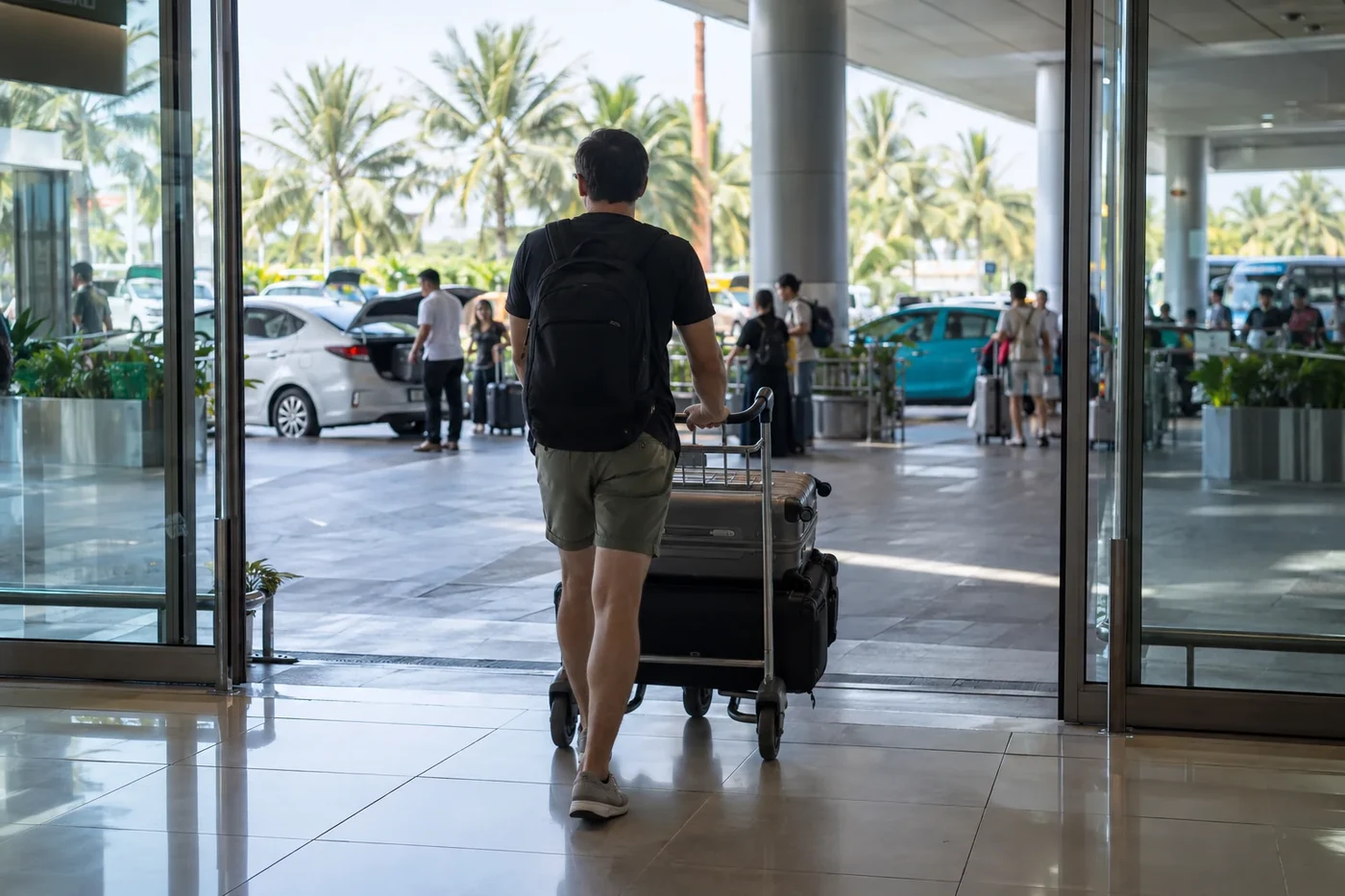
A round trip to Yerevan means about 7 hours in the air and a round trip to Da Nang about 20. Direct charters to Da Nang are fewer, so check the schedule before you fix a visa-free exit date.
How do Yerevan and Da Nang compare at a glance?
Yerevan wins on legal status and flight time, Da Nang wins on the monthly bill, and the seven rows give the core figures for each city side by side.
| Question | Yerevan, Armenia | Da Nang, Vietnam |
|---|---|---|
| Visa-free stay for Russians | Up to 180 days a year | 45 days, until 14 March 2028 |
| Residence permit route | Business, work, study, family, with quotas | Employer or family; investor from about $114,000 |
| State fee for a permit | $395 temporary, $650 permanent | $145 to $165 by term |
| Personal income tax | 20% flat, 1% to 12% turnover tax for sole proprietors | 5% to 35% scale, no foreign-income exemption |
| Solo month with rent | About $1,500 | About $920 |
| One-bedroom in the centre | $400 to $977, wide spread | $480 to $500 |
| Direct flight from Moscow | About 3.4 hours | About 10 hours, three a week |
Which should a Russian remote worker choose?
Choose Yerevan when the goal is a residence permit and a short flight home, and you can register a business and pay taxes to keep the status. Choose Da Nang when the goal is a low monthly bill and a warm winter, and you accept 45-day visa cycles with no permit. A month costs about $580 less in Da Nang, and the legal footing there is weaker.
Counting 45 days from the entry stamp is easy in a calendar. What goes wrong is the gap: the visa-free stay ends on a Friday, the e‑visa needs three working days to process, and the border crossing has to fall between the two. If you want those dates worked out for your own arrival, send me your entry date and the city you will leave from on WhatsApp.