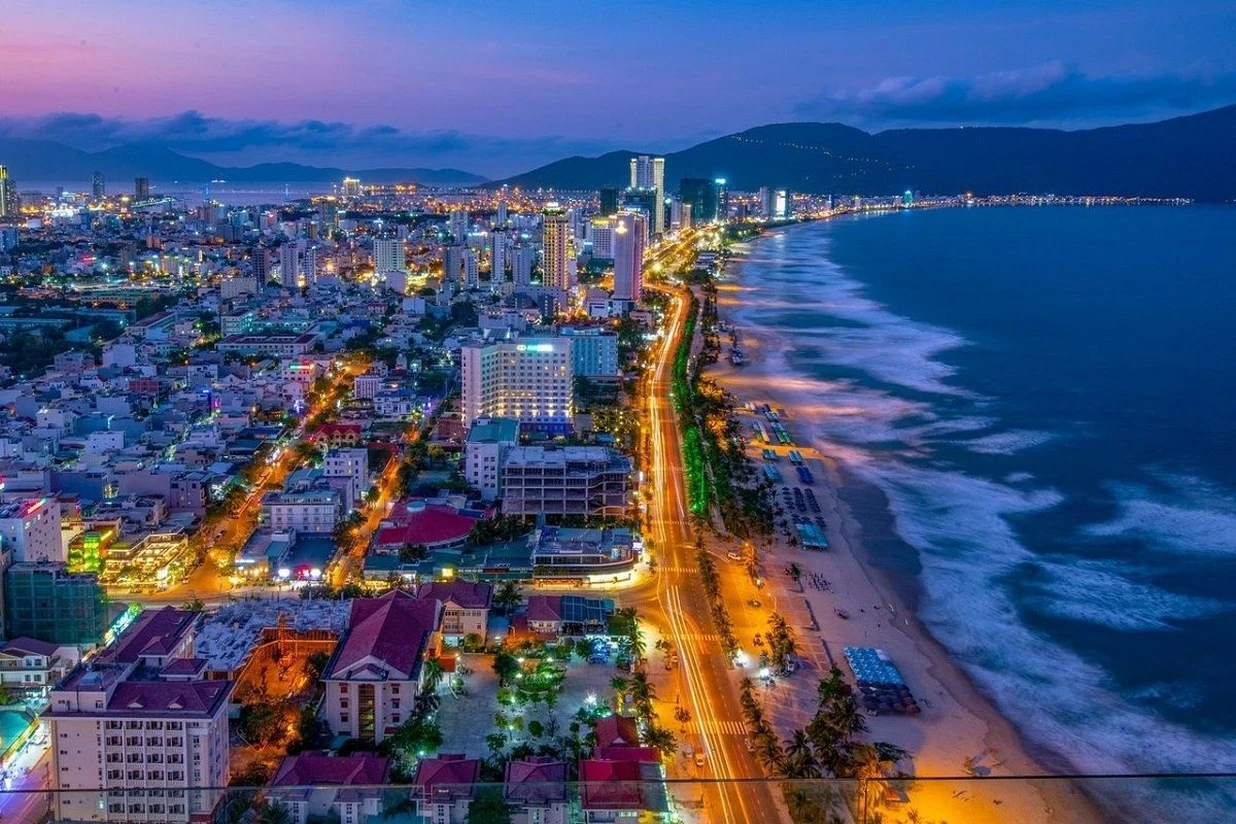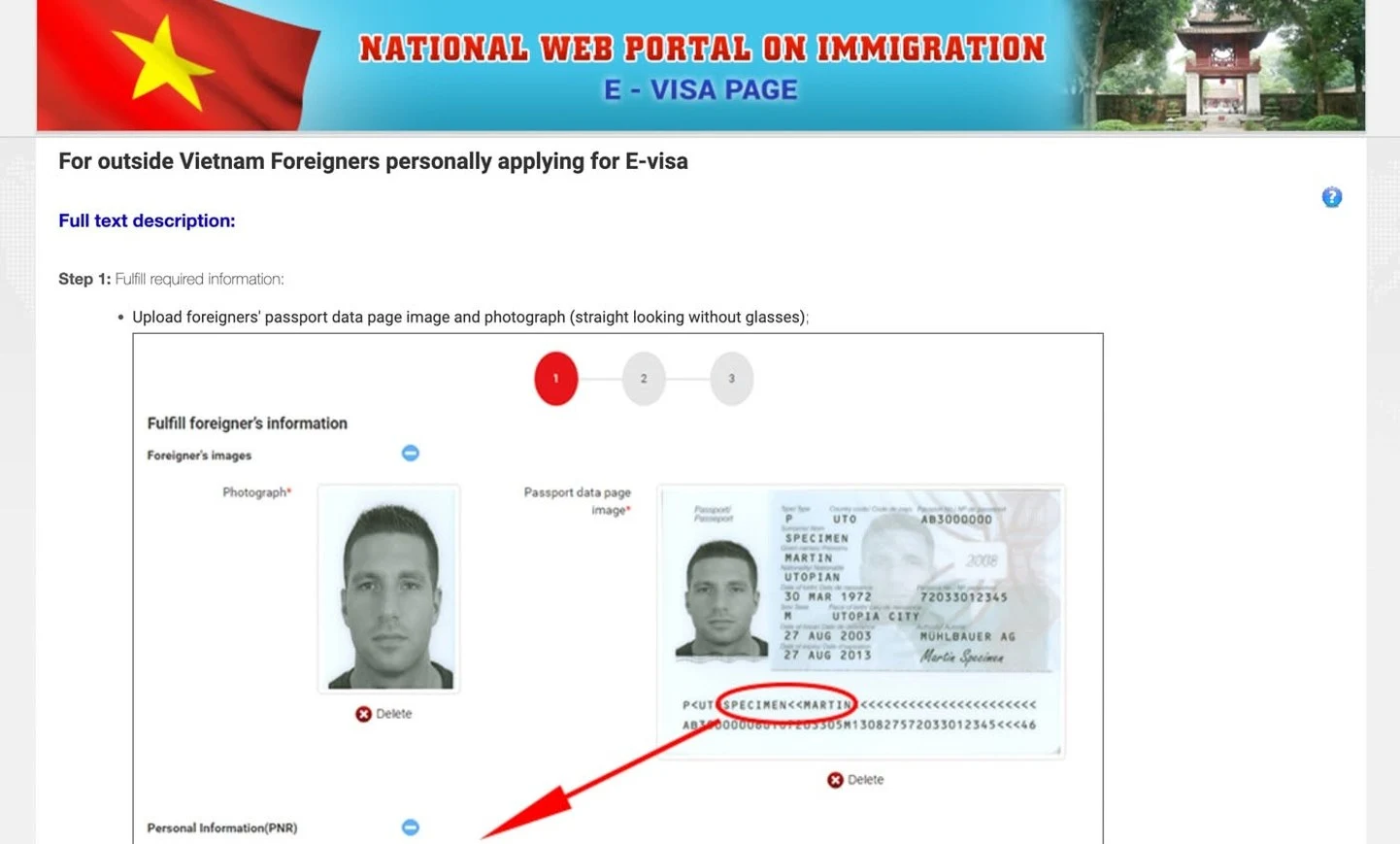
A three-month winter stay in Nha Trang or Da Nang runs about $1,500-$2,200 total for a solo traveler, and the paperwork costs more attention than the budget does. Vietnam gives most nationalities 45 days visa-free - but a real winter escape, the kind snowbirds and remote workers actually take, needs a 90-day e‑visa instead.
I spent last winter doing exactly this: three months split between Nha Trang and Da Nang, working remotely on a four-hour time difference from London. Here’s what it actually costs and what trips people up.
Why Vietnam Beats Thailand or India for a Winter Stay
Central and southern Vietnam run a dry season from November through April, with daytime temperatures around 26-30°C and almost no rain - the exact window northern snowbirds are chasing. I compared three options before booking: Delhi, Bangkok, and Nha Trang. Delhi was out fast - friends who’d lived there described daytime street rats as normal, and there’s little English-speaking infrastructure for a long stay. Bangkok runs at least a third more expensive for the same lifestyle. Nha Trang won on the combination: beach access, a dry season that matches the calendar exactly, and rent that undercuts most of Southeast Asia. For a side-by-side of Vietnam against its usual competitor, see Vietnam vs Thailand for relocation - the monthly numbers there hold up for Nha Trang and Da Nang alike.
What Does a 3-Month Winter Stay Actually Cost?
Here’s the real breakdown for one person, budget to mid-range:

- Rent - a dry-season studio starts around $250/month in Nha Trang or Da Nang; a one-bedroom with a pool runs $400-600.
- E‑visa - $25 for single-entry, $50 for multiple-entry, paid once for the full 90 days.
- Food - local Vietnamese meals run $2-4; cooking with market produce keeps a month under $150.
- Motorbike rental - $50-70/month, the standard way to get around outside the city center.
- SIM and data - a local SIM with a generous data plan is under $10/month.
Add it up and three months lands around $1,500 on a tight budget, closer to $2,200 with a nicer apartment and eating out a few times a week - cheaper than three months of rent back home in most Western cities, with a beach outside the door.
How to Set Up a Winter Stay in Vietnam
- Check your visa-free window first. Citizens of many countries, including Russia (since March 2025, valid through March 2028) and several EU nations, get 45 days visa-free. If your stay is under 45 days, skip the e‑visa entirely.
- Apply for a 90-day e‑visa if staying longer. File through the official e‑visa portal - processing typically takes a few business days, and the $25 single-entry fee is paid online.
- Pick your base before you land. Nha Trang and Da Nang both work for a winter stay; Nha Trang skews cheaper and quieter, Da Nang has more infrastructure for remote work.
- Book a short-term place for the first week only. Arrange a longer lease once you’ve walked the neighborhood - prices and quality vary block to block.
- Rent a motorbike after settling in, not at the airport - city-center rental shops usually beat airport rates by 30-40%.
- Set your internet and SIM up on day one if you’re working remotely - most cafes have Wi-Fi, but a local SIM is the reliable backup.
Does Remote Work Actually Fit a Vietnam Winter?
Yes, for anyone on a European or North American schedule. Vietnam runs four hours ahead of London and twelve ahead of the US East Coast, which means Vietnamese mornings overlap with the tail end of a US workday and Vietnamese afternoons overlap with a European morning - workable for most remote jobs, awkward only for teams that need real-time overlap with US mornings.
Unofficial local work is easy to pick up too if you want extra income: tour guiding, cooking at Russian- or English-oriented restaurants, or motorbike and electronics repair, all in demand given how many long-stay foreigners cycle through Nha Trang and Da Nang every winter.
Winter Stay in Vietnam: What to Decide
For anyone comparing a Vietnam winter against three more months of cold at home, the math is straightforward: total cost for a comfortable three months lands under $2,200, well below three months of heating bills and rent in most Western winters, and the paperwork problem is solvable in one sitting if you deal with it before departure rather than at the airport. The one place people actually get stuck isn’t the budget - it’s paying the e‑visa fee itself, since evisa.gov.vn rejects a large share of foreign-issued cards at checkout.
That’s the one piece I handle for people directly: I pay the government e‑visa fee with a card the portal actually accepts, confirm the right entry point for your route, and get the whole thing done in a single day instead of you retrying a declined payment for a week. Message me on Telegram and tell me your dates - I’ll walk you through what fits your case.
If you’re still deciding between a 45-day visa-free trip and the full 90-day e‑visa, or want someone to just handle the payment side before you land, send me your travel dates on Telegram and I’ll tell you exactly what applies to your passport.