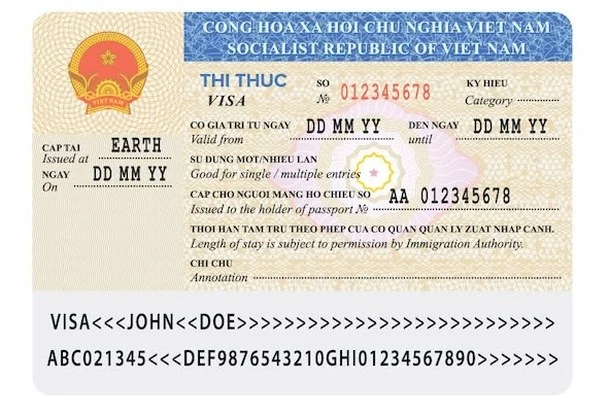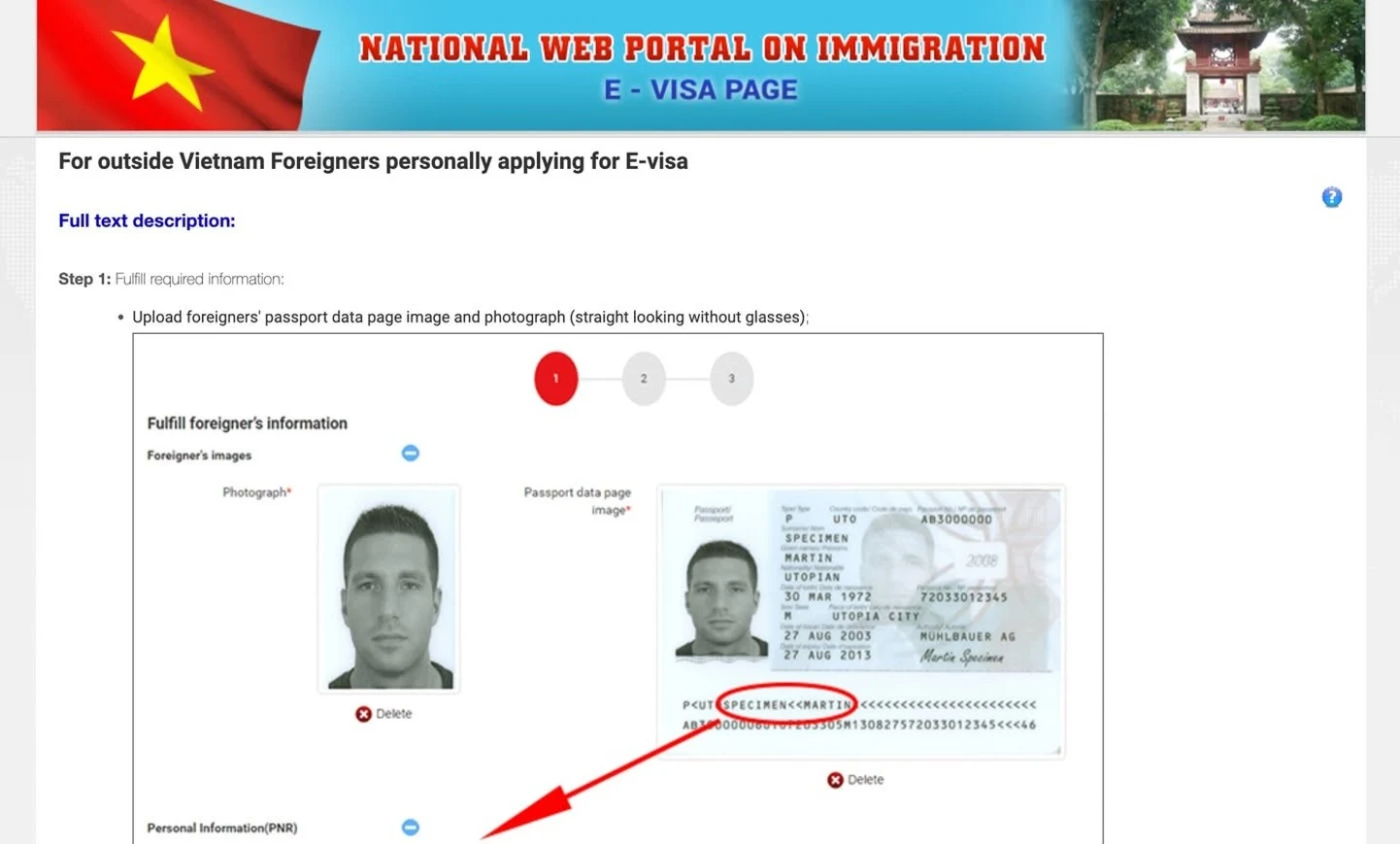
Wintering in Vietnam for three to six months works on tourist status, because Vietnam has no retirement visa and a seasonal stay needs no residence card. Russian citizens get 45 visa-free days through 14 March 2028, a 90-day e‑visa costs $25 for a single entry, and a six-month winter takes one planned border exit.
Do retirees need a special visa to winter in Vietnam?
No special visa exists. A retiree enters as a tourist, visa-free or on an e‑visa from evisa.gov.vn, and the residence card (TRC) is built for people who stay all year through work, investment or family ties. For a winter that ends in April it adds paperwork and no benefit.
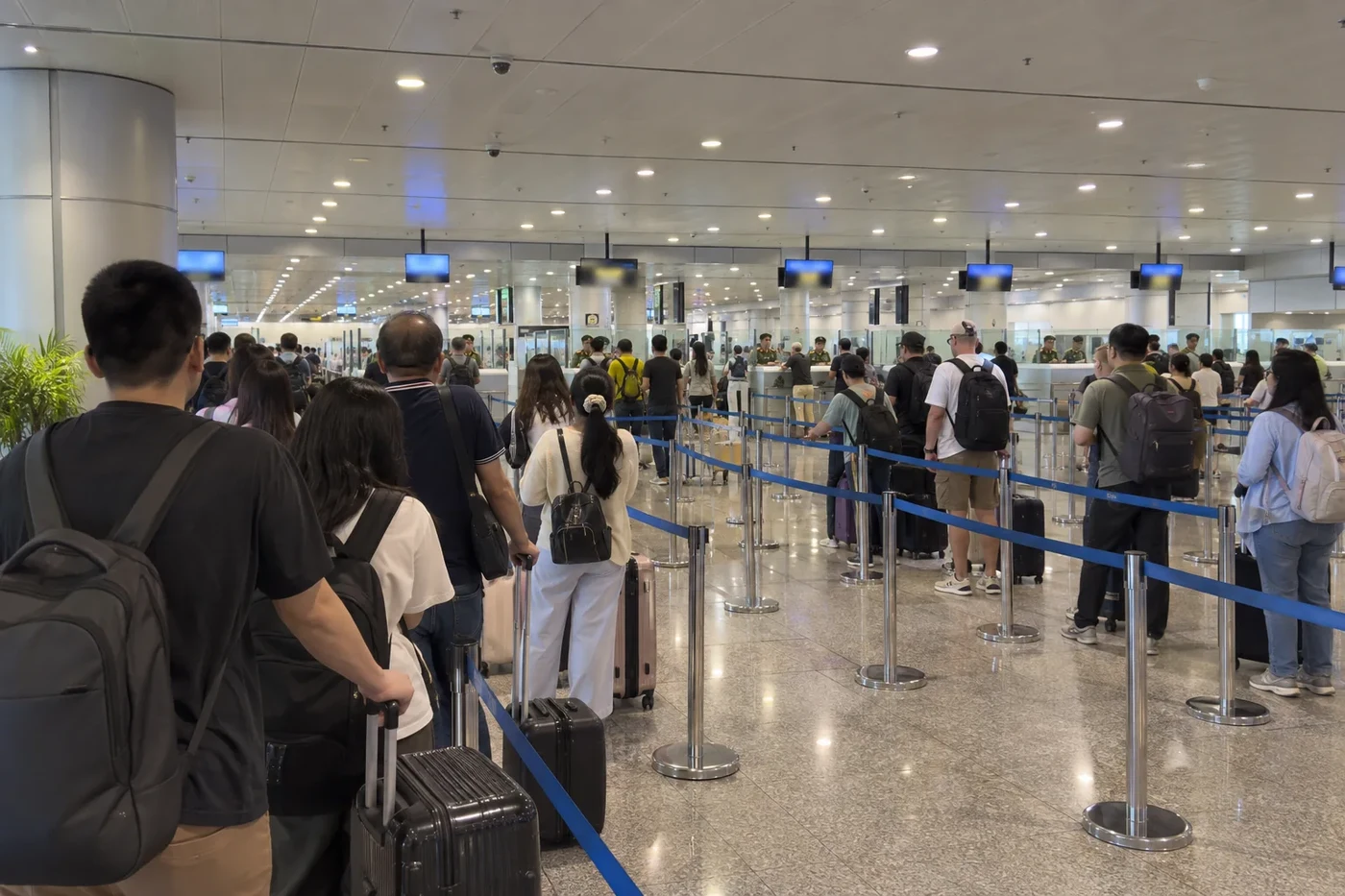
Russian citizens enter without a visa for 45 days under Resolution 44, valid from 15 March 2025 to 14 March 2028. Those 45 days cannot be extended or converted into another visa inside Vietnam, so the clock restarts only after you leave and enter again. The longer plans in my guide to staying 90 days start from the same two tools.
How does an e‑visa stretch a winter to 90 days?
A Vietnam e‑visa allows up to 90 days, and the government fee on evisa.gov.vn is $25 for a single entry or $50 for multiple entries. Processing officially takes 3 working days, and holiday weeks run longer, so I file 10 to 14 days before the flight. Entry point, dates and passport data must match the visa exactly.
A single-entry e‑visa ends at your first exit from the country, and nobody can extend an e‑visa from inside Vietnam. A retiree who lands in early November on a 90-day visa has to be out before early February. Order the multiple-entry version at $50 only if you plan to leave and come back inside the same 90 days, for example on a side trip to Cambodia. A six-month winter needs a second e‑visa anyway, and a single-entry visa at $25 is enough for each half.
How do you reach six months without a residence card?
Leave before the 90 days end and come back on a new e‑visa or a fresh visa-free entry. A visa run is legal, and the law sets no annual limit on visa-free entries for Russians. Admission still rests with the border officer. Two visa-free entries cost less than a second e‑visa and carry more risk at the border, so a retiree who wants certainty books the e‑visa.
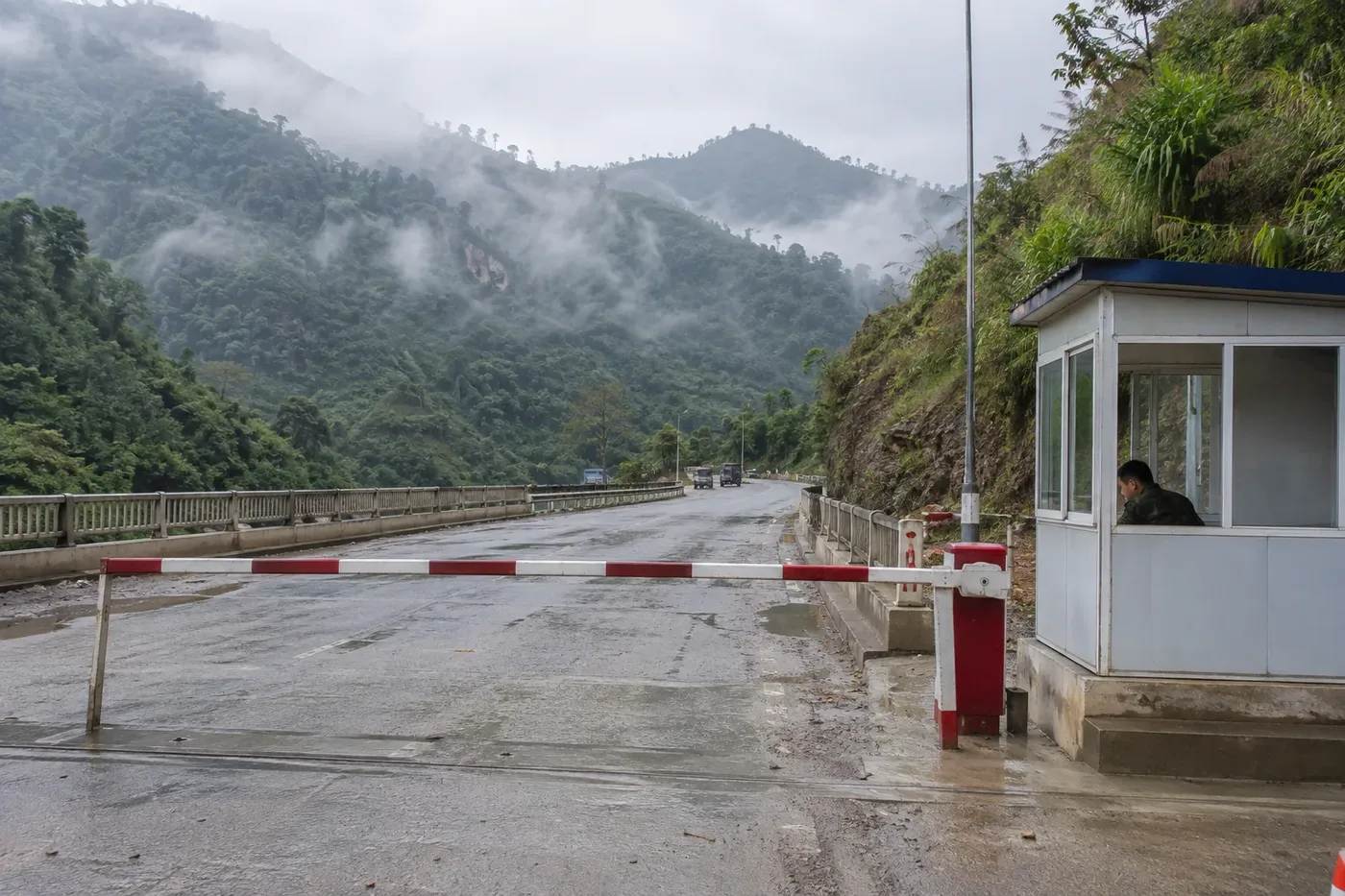
From Ho Chi Minh City the usual land route is Moc Bai to Bavet in Cambodia, 70 km and about 2.5 hours by bus, and the Moc Bai checkpoint takes e-visas. Bus fare runs $9 to $12 one way, and Cambodia charges its own visa fee. From Da Nang the nearest land crossing is Lao Bao on the Laos border, and I confirm that a crossing accepts e-visas before anyone books.
The mistake I see most often is an e‑visa with the wrong entry point, or a single-entry visa used up by a side trip. Either one ends in a refused entry or a second government fee. The form takes an evening on the portal if you have a card it accepts. At BestBus Vietnam I file the 90-day e‑visa myself, pay the government fee, choose the entry point for your route, and resubmit free of charge with a full refund if the visa is refused. Message me on WhatsApp with your arrival date and city, and I will check the entry point and visa type for your route.
An overstay ruins the plan faster than any refusal. Decree 282/2025, in force since 15 December 2025, sets fines in steps: 0.5 to 2 million dong for up to 16 days, 5 to 10 million for 16 to 29 days, 10 to 15 million for 30 to 59 days, and up to 40 million after a year, and deportation is possible. If you want the border day handled for you, I run a scheduled visa run from Da Nang.
What does a winter in Da Nang or Nha Trang cost?
Estimates for one winter month in Da Nang run from $800 to $1,200 for a single retiree and $1,600 to $1,800 for a couple. A more generous 2026 guide puts Da Nang at $1,500 to $2,200 and Nha Trang at $1,200 to $1,800, with rent, food, transport and phone included.
Rent drives the spread. A studio in Da Nang costs $150 to $650 a month depending on the distance to the beach, and a one-bedroom costs $300 to $700. Nha Trang studios start at $220 in residential districts, cost $320 to $500 in the centre and $450 to $700 by the sea, and high season from November to April prices 20 to 30 percent above low season. Utilities in Da Nang add $50 to $80 for electricity, water and rubbish plus $10 to $20 for internet.
Fuller month-by-month numbers sit in my breakdowns of real costs of living in Da Nang and Nha Trang for a month.
Da Nang or Nha Trang for a winter?
Nha Trang costs less on the estimates above, at $1,200 to $1,800 a month against $1,500 to $2,200 in Da Nang, while Da Nang offers cheaper studios away from the beach, from $150 a month. Both cities have a Vinmec hospital, and both price high season from November to April above the rest of the year.
Pick the city by your rent ceiling and your distance to a hospital, and check the visa run from that city before you sign a lease. Da Nang sits closest to the Lao Bao crossing, and Nha Trang retirees more often fly out for the border day.
Which health insurance can a retiree over 65 get?
Vietnam gives foreigners no free medical care, so without insurance you pay at the desk, and a hospital stay means a bill in the thousands of dollars. Comprehensive travel cover for ages 66 to 75 costs about $220 to $380 a month, with medical limits of $100,000 to $250,000.

For foreigners in Da Nang the usual addresses are Vinmec Da Nang (30 Thang 4, Hai Chau), Hoan My Da Nang (161 Nguyen Van Linh) and Family Medical Practice (50-52 Nguyen Van Linh), which is an outpatient clinic and has no beds. In Nha Trang the standard choice is Vinmec Nha Trang (42A Tran Phu). I compare policies in my insurance guide for expats.
Can a Russian state pension keep arriving while you winter abroad?
Yes. Russia’s Social Fund (SFR) pays insurance pensions abroad, and a pension that already arrives on a Russian card keeps arriving during a winter trip. People who live abroad permanently follow Government Resolution No. 10 of 19 January 2026: payments that sanctions block go in rubles to an account in Russia or to a ruble account abroad, and they stay suspended until the pensioner files an application. SFR has no official position on a stay of 3 to 6 months, so ask it before you leave. Details sit on sfr.gov.ru.
The Mir card works in Vietnam only at about 18 to 21 VRB bank ATMs, mostly in Hanoi and Ho Chi Minh City, and shops and taxis do not accept it. A winter budget needs a second way to pay.
Which route fits 3, 4.5 or 6 months?
Three months fits a single 90-day e‑visa. Four and a half months takes 45 visa-free days, one exit, and a 90-day e‑visa after it. Six months takes two e-visas back to back with one exit between them. Pick the longer plan before booking the flight, because a single-entry visa cannot be repaired after the first exit.
| Winter length | Entry setup | Border exits | Government fees |
|---|---|---|---|
| 45 days | Visa-free entry | 0 | $0 |
| 3 months | One single-entry e‑visa | 0 | $25 |
| 4.5 months | 45 visa-free days, then a 90-day e‑visa | 1 | $25 |
| 6 months | Two 90-day e-visas, one exit between | 1 | $50 |
| 6 months, alternative | 45 visa-free days, 90-day e‑visa, 45 visa-free days | 2 | $25 |
Departures from Da Nang and Nha Trang run on a schedule, and Hanoi, Ho Chi Minh City and other cities run on request.
The exit date is the point where winter plans for retirees break, because it falls in the middle of the stay and a missed day cannot be bought back. The e‑visa form can be filled on the portal in an evening with a translator app. For the rest, the dates, the entry point and the border day, send me the months you plan to stay and your arrival city and I will lay out the dates for the whole winter.
Frequently asked questions
What do officers check on arrival?
The passport needs at least 6 months of validity and 2 blank pages, and the e‑visa printout has to match the entry point you use. Some officers ask to see an onward ticket, so keep one on your phone.
Does the Cambodia leg need its own visa?
Cambodia charges its own fee, quoted at about $30 to $36 depending on the source. Confirm the current amount and the payment method before you travel, because the figure changes between sources.
Which crossing is calmer, Moc Bai or Ha Tien?
Ha Tien, which connects to Prek Chak in Cambodia, is less crowded than Moc Bai. Aggregator sites list daytime hours of about 07:00 to 18:00, so arrive in the morning, since processing can slow down before closing.
What if an insurer will not sell a policy to someone over 75?
Some insurers do not sell above 75 or ask for a medical exam first. Cover for ages 76 and over runs about $380 to $700 a month, so collect two or three quotes before you book flights.
Do I file a Pre-Arrival Information form before the flight?
From April 2026 Vietnam introduced Pre-Arrival Information at prearrival.immigration.gov.vn, filed no earlier than 3 days before entry, and it returns a QR code. Vietnam Airlines asks for it on flights to Hanoi, Ho Chi Minh City, Da Nang and Cam Ranh, so check with your airline.