Wintering in Hoi An works from December to April: floods on the Thu Bon river usually end by late November, and February to April is dry. A villa or house for the season costs from about $200 to $900+ a month, an Old Town ticket is 120,000 VND, and a 45-day visa-free stay is too short for a 3-5 month winter. If you plan around the rain calendar and the visa, the season is quiet and cheap.
Which months are safe to arrive for a Hoi An winter?
Arrive in December or later if you want to avoid floods. The rainy season runs September to January and peaks in October and November, with 526-628 mm of rain in October and 363-448 mm in November. February to April is the dry stretch.

Floods hit most years between mid-October and late November. A typical flood lasts 1-3 days and covers the Bach Dang riverfront; in a bad year water reaches 1-1.5 m and spreads to Nguyen Thai Hoc and Tran Phu streets. At the end of October 2025 the Thu Bon rose to 3.32-3.5 m, above the 1964 record, and the Old Town still had water on 18 November after three floods in 20 days. No one can forecast the 2026/27 season yet, so a November arrival means a ground-floor flat by the river is a gamble.
| Month | Day / night | Rain | What it feels like |
|---|---|---|---|
| November | 27 / 22 °C | 363-448 mm | Wet, floods possible early |
| December | 25-26 / 20 °C | 206-218 mm | Drizzle and low cloud |
| January | 25 / 19 °C | 82-92 mm | Coolest month, bring a jacket |
| February | 26 / 20 °C | 24-32 mm | Dry |
| March | 28 / 21-22 °C | 25-30 mm | Best beach weather |
Figures come from long-term averages for the Da Nang station, 25 km away. Sources disagree on the number of rainy days (7 to 20 in November), so plan around millimetres.
How much does a winter in Hoi An cost each month?
Rent is the main cost, and furnished places run from about $177 to $985 a month depending mostly on size. A furnished studio in Cam Chau or An Bang is 4.5-7 million VND ($177-275), one bedroom 7-11 million ($275-435), two bedrooms 11-18 million ($435-710), three bedrooms 18-25 million ($710-985). Unfurnished places are 20-35% cheaper.

Houses and villas are listed like this:
- a simple 1-2 bedroom house or a decent flat near the centre costs 8-12 million VND ($315-475);
- a modern house in An Bang or Cam Thanh costs 15-25 million VND ($590-985), and more with a pool;
- in Cam Chau or Cam Thanh a modest villa with a garden lists at 5-12 million VND, and a modern one with a pool at 10-20 million.
These ranges are asking prices from listing aggregators, so bargain on the spot. Low season, meaning September to November and March to May, gives you more room on deposit, term and repairs, and early December is still quiet and cheap once the floods have gone. Landlords of houses often ask for a visa valid for at least three months and will not rent to a guest on the 45-day exemption. I would sort out the visa before haggling over the deposit, because the three-month condition decides whether the haggling starts at all.
Is the Old Town worth it in winter and how crowded is it?
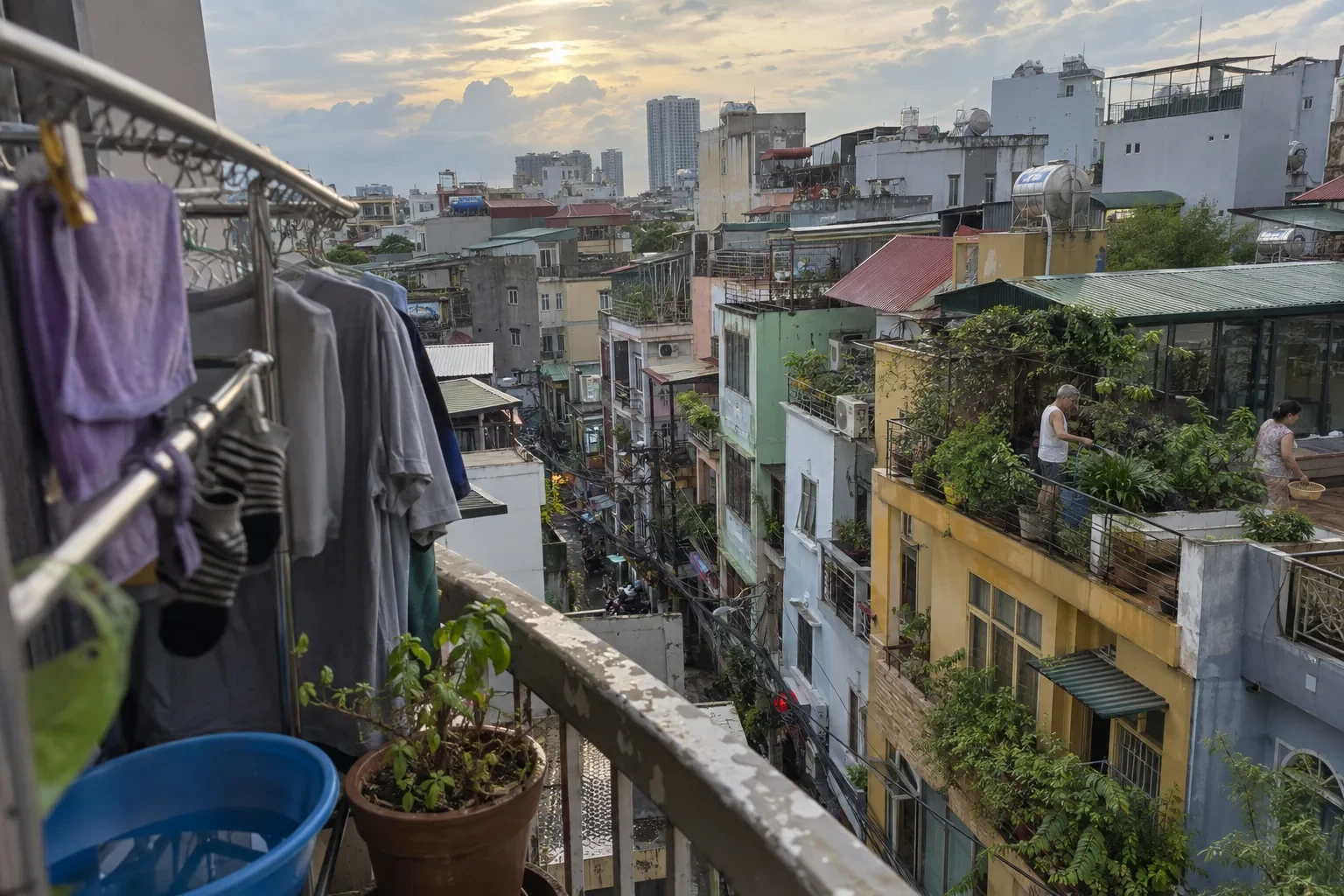
Yes, it is worth it: the Old Town is quieter in winter, though it is busy by day all year. An evening in November in the rain draws about half the usual crowd, according to a local guide. Cam Chau and Cam Thanh are 5-10 minutes by bike from the centre and calmer. For a three-month stay I find Cam Chau the better base than a room inside the centre: the Old Town is a short ride away and you come home to quiet.

The Old Town ticket is 120,000 VND under the Hoi An heritage centre notice of 29 January 2026. It covers a general view of the town plus five sites (the Japanese Bridge or Quan Cong Temple, one museum of your choice and three others) and stays valid for the whole stay, up to three days; children under 16 enter free. In winter the pedestrian regime runs 9:00-21:00, and bike restrictions are shown on signs at the entrances. Walk before 9:30 or after 16:30 for fewer people.
What visa covers a 3-5 month winter in Hoi An?
A 3-5 month winter needs an e‑visa of up to 90 days, because the 45 days visa-free that Russian passport holders get under Vietnam government resolution 44/NQ-CP of 7 March 2025 (valid from 15 March 2025 to 14 March 2028) is too short. The e‑visa costs $25 single entry or $50 multiple entry, normally takes 3 working days, and up to 7-10 days before Tet on 6 February 2027 (the Ministry of Culture has backed a 4-10 February holiday, still a proposal in August 2026). I know the fee and timing from secondary sources because evisa.gov.vn does not show them on its main page, so check them when you apply.
If a landlord asks for proof of a three-month visa and you hold only the exemption stamp, the lease falls through the day before move-in. You can file the e‑visa yourself on evisa.gov.vn, but a typo in the passport data means a refusal and a lost lease. BestBus Vietnam files the 90-day e‑visa for you after checking the form first, so you get a document the landlord accepts and a date you can plan around.
The e‑visa can be extended inside Vietnam through an agency for $80-200 in 5-10 working days. A winter longer than 90 days needs a trip out and a new visa; a visa run to a neighbouring country costs about $150-200 with tickets and takes 2-3 days (one source’s estimate). The resolution does not state a waiting period before a second visa-free entry and blogs quote different gaps, so do not count on a second exemption without a fresh e‑visa.
How do you get from Da Nang airport to Hoi An?
Hoi An is about 30 km from Da Nang airport (DAD) and the drive takes 40-50 minutes, up to 90 minutes in heavy rain between September and December. A Grab or Xanh SM car costs 250-400 thousand VND, a metered taxi 300-450 thousand, a shuttle 130-150 thousand per seat (60-75 minutes), and the LK02 bus 35 thousand VND (about 70 minutes).
How to plan the season step by step
Plan the season in this order:

- Choose your arrival month: early December if you want quiet, cheap rent once the floods have gone, March if you want beach weather.
- Apply for a 90-day e‑visa a few weeks before you fly and keep the approval on your phone for the landlord.
- Book a flat in Da Nang or Hoi An for the first 2-3 weeks so you can view houses in person.
- Before you sign a season lease, check the floor, the street level in November and the water pressure.
- By day 80, decide whether to exit for a new visa or fly home.
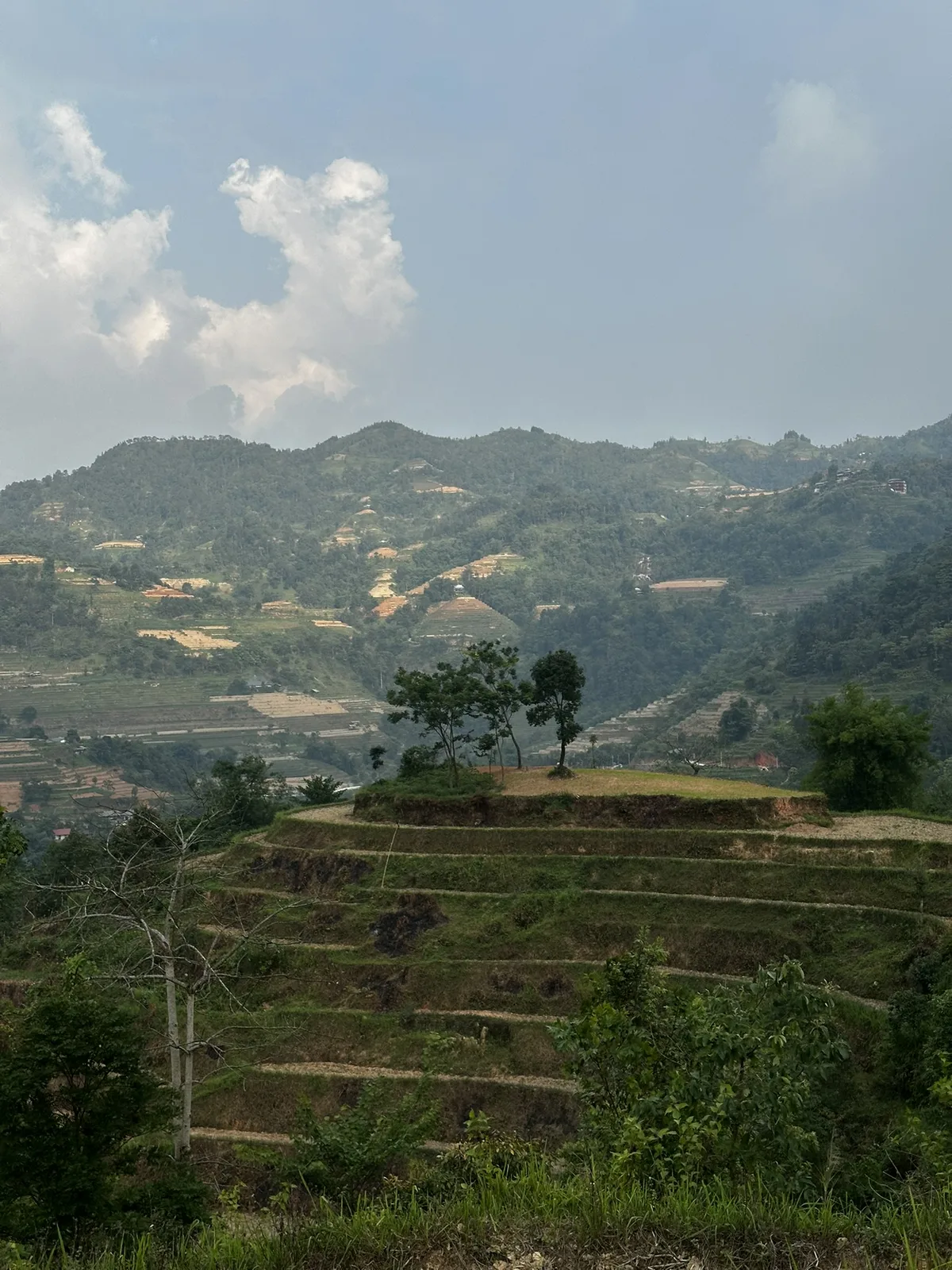
Hoi An suits people who accept a cool January and a wet early winter in exchange for a quiet river town and rice fields. If you want a warm beach for the whole winter, pick another city. The main risk is that the visa and the house must be solved together, and a refusal on one breaks the plan. Message me on WhatsApp with your arrival dates and I will tell you which visa fits and when to apply. Filing it yourself on evisa.gov.vn works too.
Frequently asked questions
Can you swim in Hoi An in winter?
From October to February the north-east wind brings strong swell to An Bang beach and red flags are common. Sea temperature in January is about 23 °C. Speed boats to the Cham Islands are often cancelled in these months.
What deposit do landlords ask for on a season rental?
Usually 1-2 months of rent, most often 2 for furnished places, returned minus damage and bills. An agency commission is about one month. Electricity with air conditioning runs 0.5-1.5 million VND a month and water up to 100,000 VND.
How does Tet 2027 change life in Hoi An?
Tet falls on 6 February 2027, with New Year’s Eve on 5 February. The government holiday of 4-10 February is still a proposal, and e‑visa review can take 7-10 days before the holiday, so apply early.