Going to Vietnam with only a Russian bank card is a bet you will lose at the first terminal. The plan that works is a main card from a foreign bank, a backup from a second bank and a thin reserve of clean US dollars, and the rest of this guide is about picking each piece.
Why a cash-only trip is the expensive option
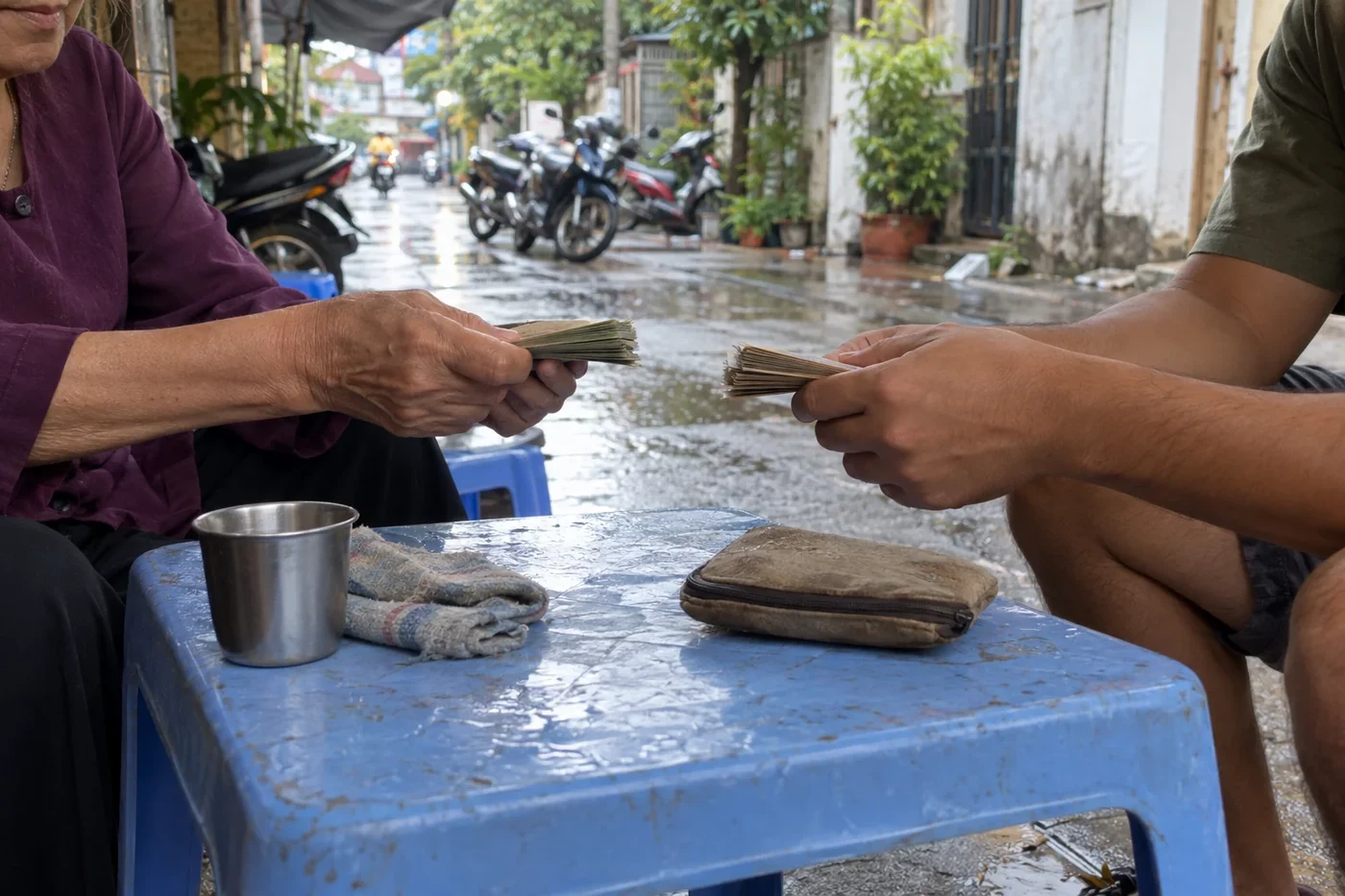
People skip the card and bring a stack of dollars. That feels safe, but the spread eats you twice. Buying dollars in Russia costs 4 to 5 percent over the market rate, and the exchange booth in Vietnam takes another 3 to 5 percent, so the total loss lands between 7 and 10 percent before you pay for a single meal.
A card changes the arithmetic. Paying in a shop with a foreign Visa or Mastercard costs about 1 to 2 percent for conversion. Cash from an ATM adds a withdrawal fee of 2 to 3 percent and VND 50,000 per operation, so on $1,000 you lose roughly $30 to $50 against $70 to $100 on the dollars route.
If you still keep cash as a reserve, ask for notes of $50 and $100 printed in 2009 or later, because notes from 1996 to 2001 are often refused. Skip the Telegram exchange groups: many of those offers end with the money simply vanishing.
The cards travelers actually use
Kyrgyz banks are the common pick. The mBank card is a Visa in USD, EUR or KGS, valid for six years, free to maintain in the first year. After that the Gold tier, the entry-level paid package, costs about $100 a year. You can top it up from Sberbank and T-Bank without a fee, and Google Pay works while Apple Pay does not on Gold. Bakai Bank is liked for easy top-ups. I would not pick Aiyl Bank for a first trip, since it no longer issues cards remotely, and a card you cannot top up is just plastic.
Georgia offers one remote option, Bank of Georgia SOLO. It holds four currencies, supports Apple Pay and Google Pay, and is more than a normal trip needs, but it makes a solid backup.
Mir and UnionPay: why not to count on them
Visa and Mastercard issued by Russian banks are cut off from international settlement, so the logo on the plastic does not help: the payment is declined, in shops and online alike.
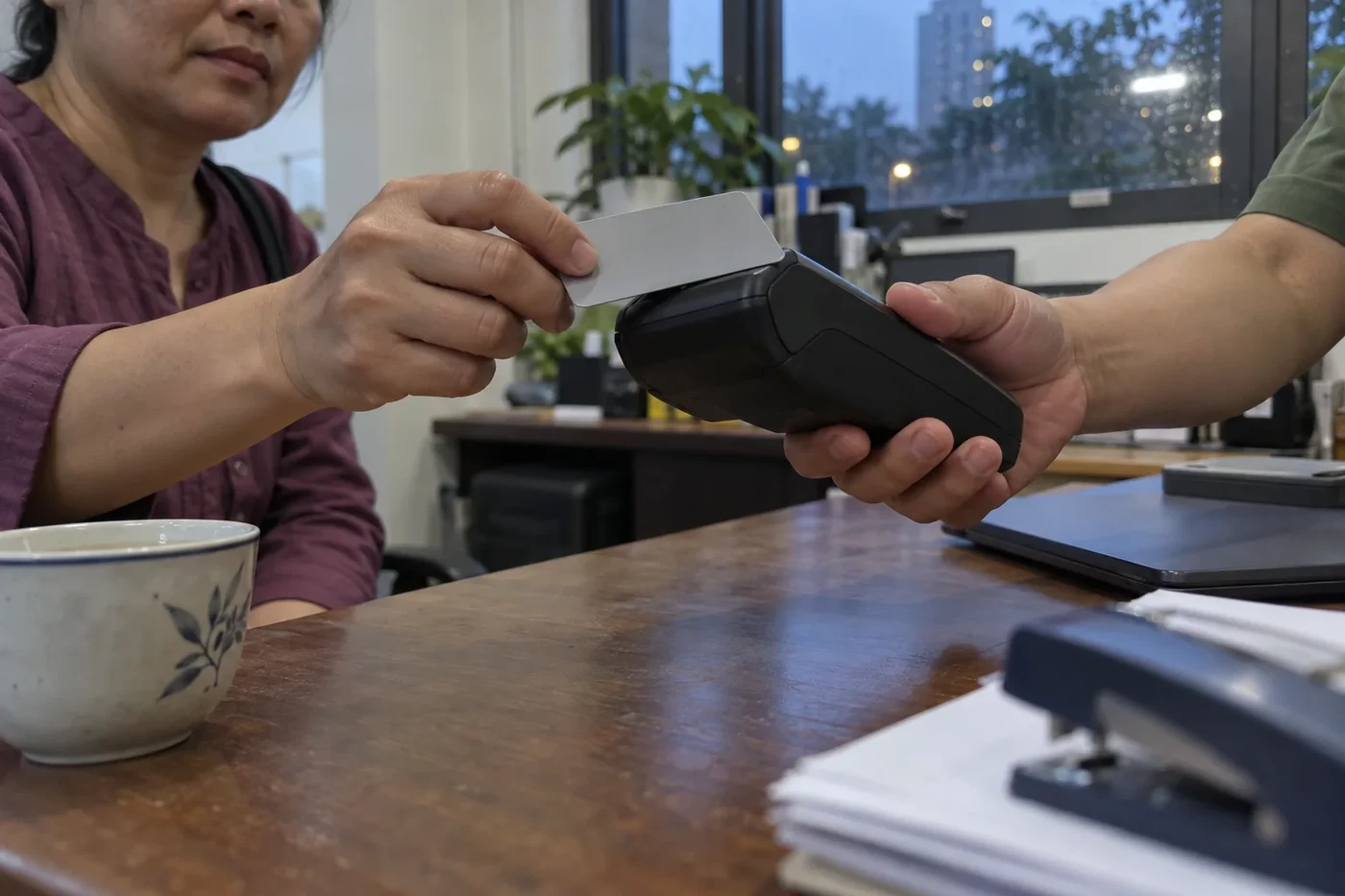
The Mir card is accepted on paper, but only at a handful of ATMs run by a few banks, and never at a shop terminal. Fees of 8 to 11 percent are possible because of double conversion, meaning your money is converted twice, once from rubles to dollars and again from dollars to dong. UnionPay from Rosselkhozbank is unreliable too: an ATM may read it and then drop the operation, and an issuer that lands under new sanctions can stop working overnight.
A second barrier waits on the official e‑visa portal, which often declines Russian cards for the government fee. If you would rather not fight with it, message me on WhatsApp and we will pay it for you.
ATMs and shops in Vietnam
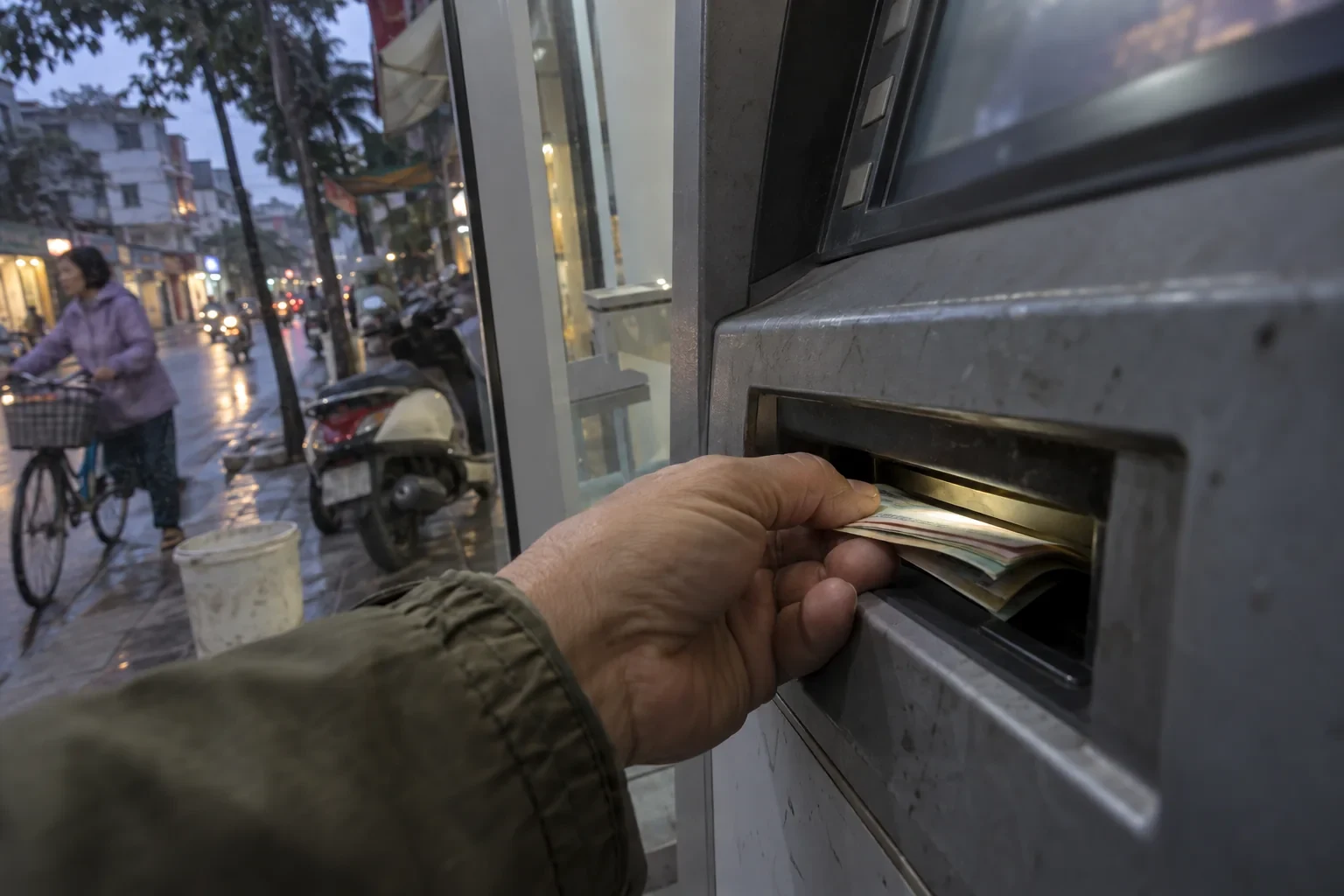
Vietcombank, BIDV and Techcombank machines take foreign cards consistently, with a limit of VND 3 to 5 million per operation. The airports in Hanoi and Ho Chi Minh City have ATMs, but they cost more, so take only a taxi-and-SIM amount there.
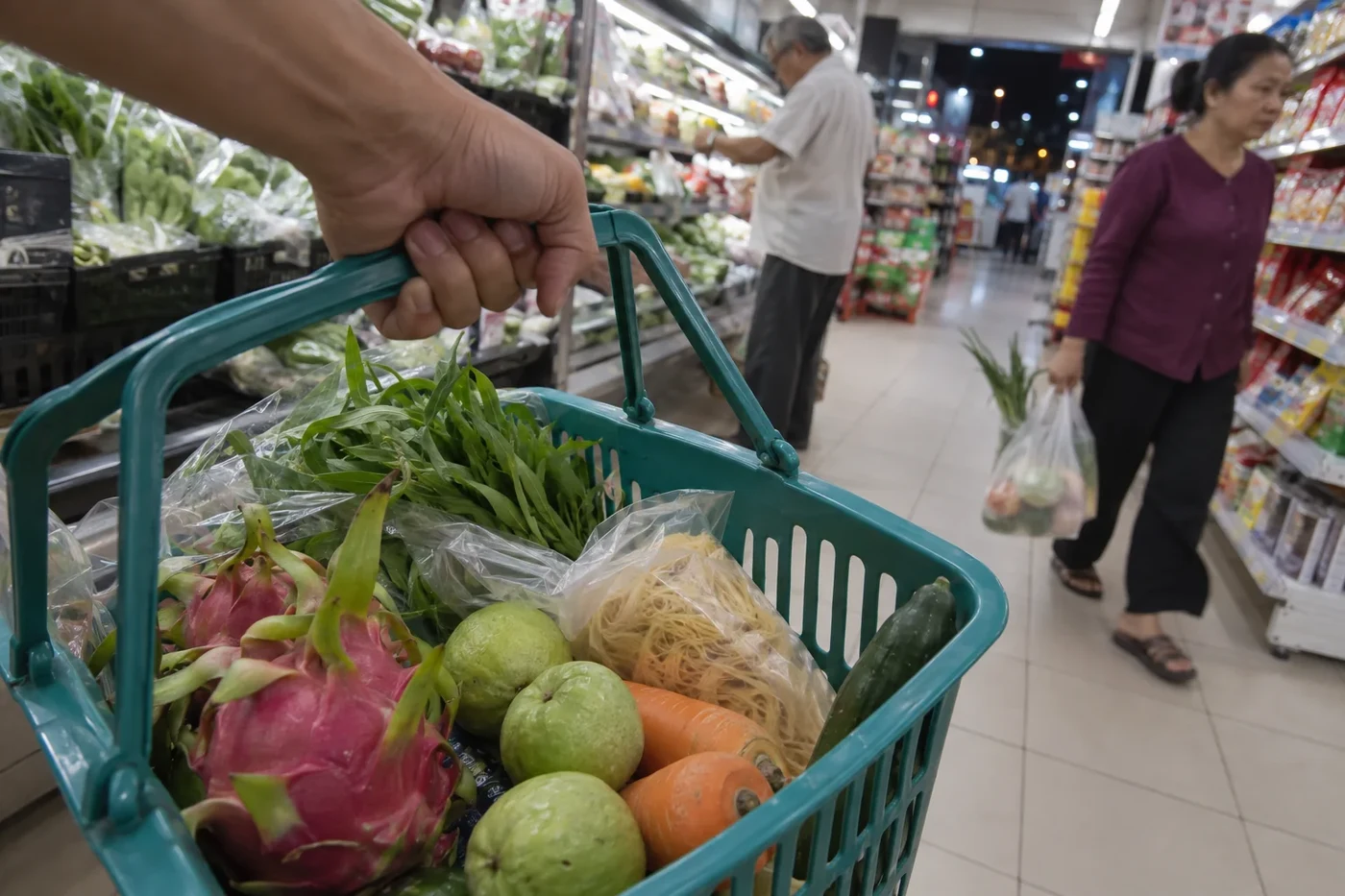
Hotels on Booking, Airbnb and Agoda, restaurants and malls in Hanoi, Ho Chi Minh City, Da Nang and Nha Trang accept foreign cards, and so do Grab and Be. Street taxis, markets and small cafes run on cash in dong, so keep small notes. For daily habits see how to pay in Vietnam with cards, cash and QR, for app-based options virtual cards for Vietnam, and for booths exchanging money in Vietnam.
When to order the card
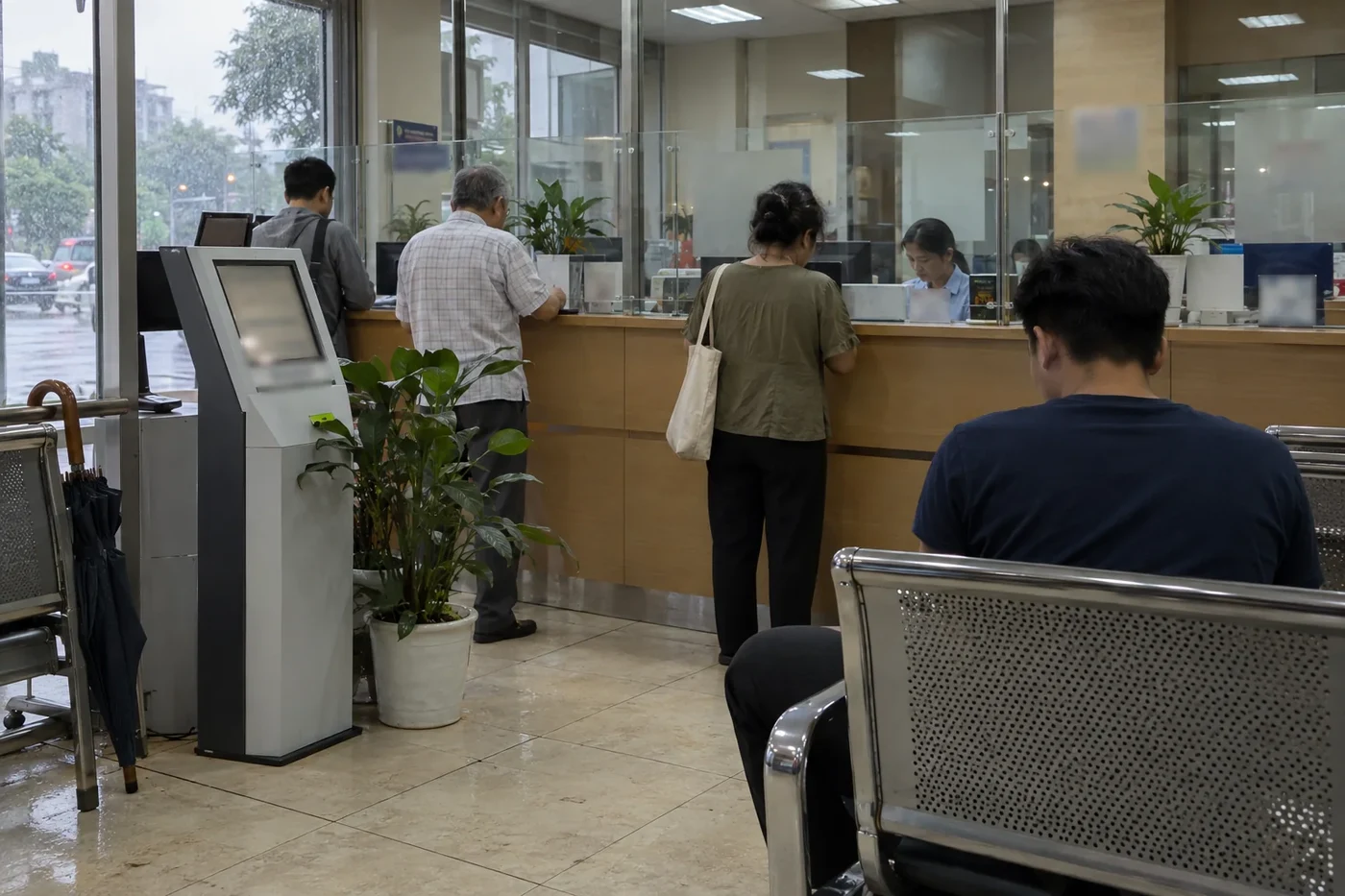
Remote issue of mBank and Bakai cards usually takes a few days, plus delivery to Russia through a trusted person. Check delivery terms and the document list with the bank before paying for issue. Bank rules shift quickly, so order a good two to three weeks before departure and test the top-up from your Russian bank first.
So which card to take
Take a Visa or Mastercard from a foreign bank such as mBank as your main card, a second card from another bank as a backup, and a small reserve of dollars. Anyone who travels on cash alone pays the spread and has no plan B when an exchange booth turns out to be a bad one.
Then there is the visa. You can file the form yourself on evisa.gov.vn once you hold a foreign card. A mistake in the application, a refusal with the government fee not returned, or days lost waiting cost more than they look. I handle the whole e‑visa: we fill in the form, pay the government fee and refund your money if it is refused. Message me on WhatsApp with your dates and I will work out the options with you.
Frequently asked questions
What should I do if an ATM keeps my card or does not pay out?
Call the support line of the bank that issued the card and visit a branch of the bank that owns the ATM. This is why travelers carry a second card from a different bank, so they are not stuck without money while the case is open.
Do I need a second card for Vietnam?
Yes, as a backup. An ATM may refuse the card or the issuing bank may block a payment. Keep a second Visa or Mastercard from another bank and a small reserve of clean US dollars.
Can I link a foreign card to Grab and Google Pay?
Grab and Be accept foreign Visa and Mastercard. Google Pay works with the mBank card, while Apple Pay is not available on the Gold tier.