
Picking a country to live in is not the same decision as picking one to escape to. I’ve watched a lot of people do the second when they meant to do the first, and three months later they’re packing again because the “easy” country turned out to be easy to enter and hard to stay in. If you just want the paperwork side handled by someone who does it daily, there’s a shortcut I’ll get to. First, the honest map.
The countries most people land in first
The default moves are the neighbours and the warm, cheap ones. Armenia lets you in for up to 180 days on a passport, no language wall, residence available through a sole proprietorship, work, study or marriage. Kazakhstan gives 90 days visa-free and familiar prices. Georgia is the outlier - up to a full year without a visa, plus more coworking spaces per block than seems reasonable. Serbia and Montenegro are the side door into Europe; Turkey works too, though its residence permits have grown fussy. Each of these is a genuinely good place to catch your breath.

Easy to enter and easy to stay are two different problems
Here’s the trap almost everyone falls into. The visa-free window that gets you in the door - 30, 90, 180 days - is not a plan to live somewhere. Sooner or later you hit the same wall in every country: on what legal basis do you stay past the tourist stamp? People who move in a hurry optimise for the first number and forget the second, and that’s exactly who ends up sitting on their suitcases again. Choose for the second number and most of the stress disappears - for Vietnam specifically, that legal-basis question is exactly what our Vietnam visa and long-stay services sort out before you land.
Where Vietnam quietly wins
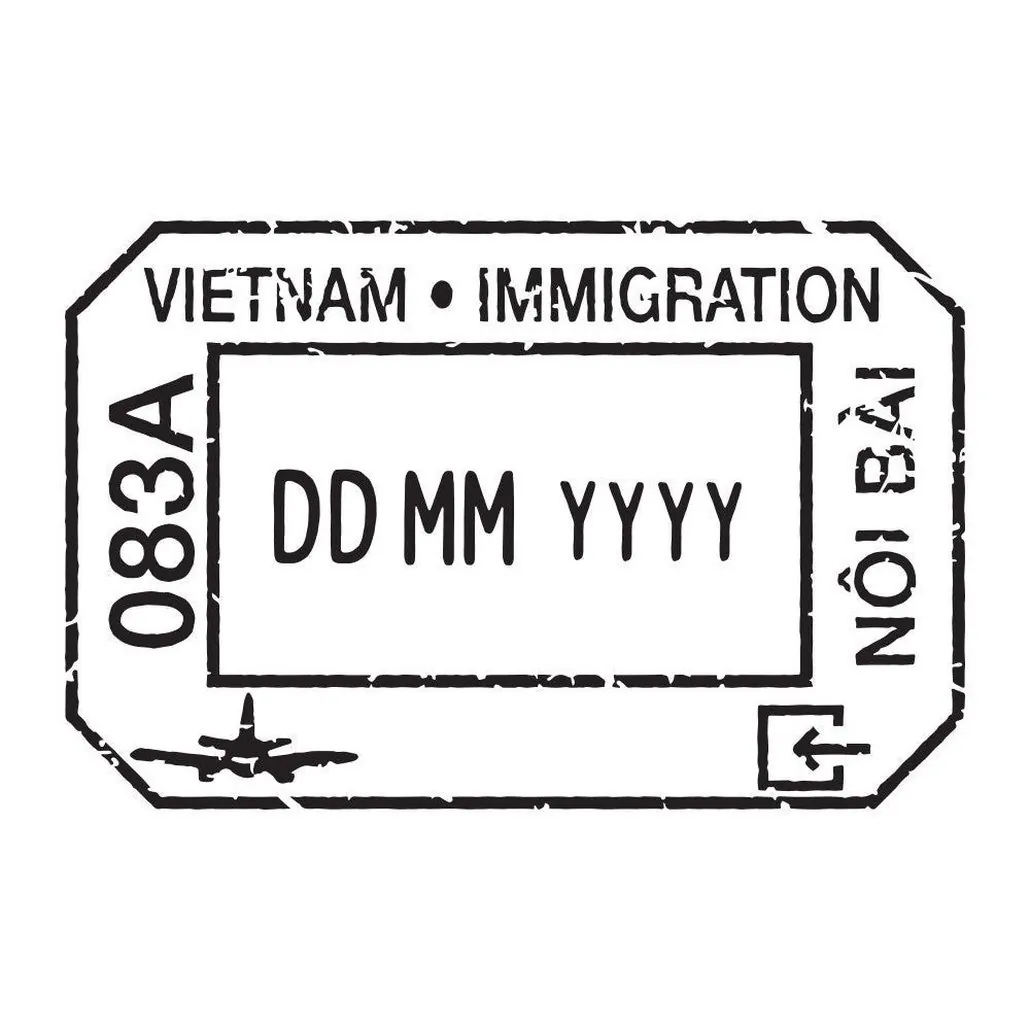
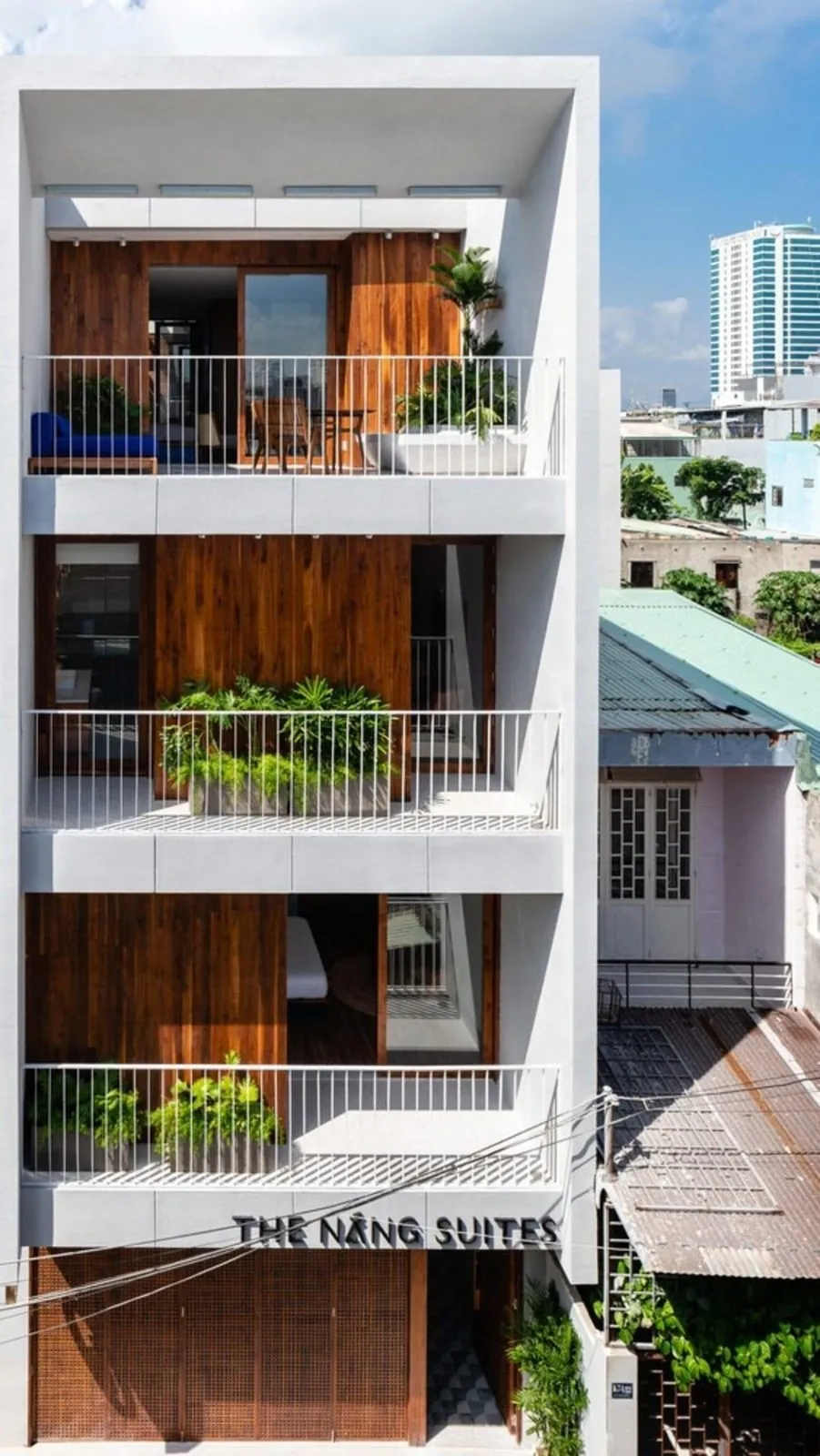
Vietnam sits in the “far away, expensive flight” column of most relocation lists, so people scroll right past it. That’s a mistake. The entry side is generous - many nationalities get a visa-free window, and beyond that a straightforward 90-day e-visa, with a short border hop (a “visa run”) resetting the clock for people who stay indefinitely. What actually keeps people here, though, is the day-to-day: fast internet, private clinics that work, a real coastline, and a cost of living that makes Tbilisi or Istanbul feel expensive. If you’re weighing districts, here’s where expats actually live in Da Nang and what each corner costs.

What a month actually costs
The number that matters more than the perfect country is your runway. Give yourself three months of buffer wherever you land - the first weeks always cost more than the spreadsheet says, because you don’t yet know which prices are local and which are the tourist markup. In Vietnam a lean single life fits inside $450-500 a month; a comfortable one with a proper apartment and eating out lands around $1,000. A family should hold $3,000-5,000 for the first ninety days and stop optimising the last hundred dollars.
The part that trips everyone up: the visa
Wherever you go, the choke point is the same - staying legally past the tourist window. In Vietnam the specific snag is paying the e-visa government fee: the official portal at evisa.gov.vn regularly declines foreign cards, so people stall with money in hand and no way to pay.

This is where I usually get involved. You send the passport, we fill the form, pay that government fee with a card the portal actually accepts, set the correct entry point, and keep the whole thing to a single day instead of a week of guessing. If an application ever gets refused, we refile it for free - the risk sits with us, not you. Done-for-you handling like this runs roughly $125-160 on the market, but the honest answer depends on your situation, so it’s better to price it against your dates. You can sort the details on danangvisarun.com, message me on Telegram @learnx1000 for a quick quote. Move deliberately, not in a panic - the calm first step is the one that sticks.