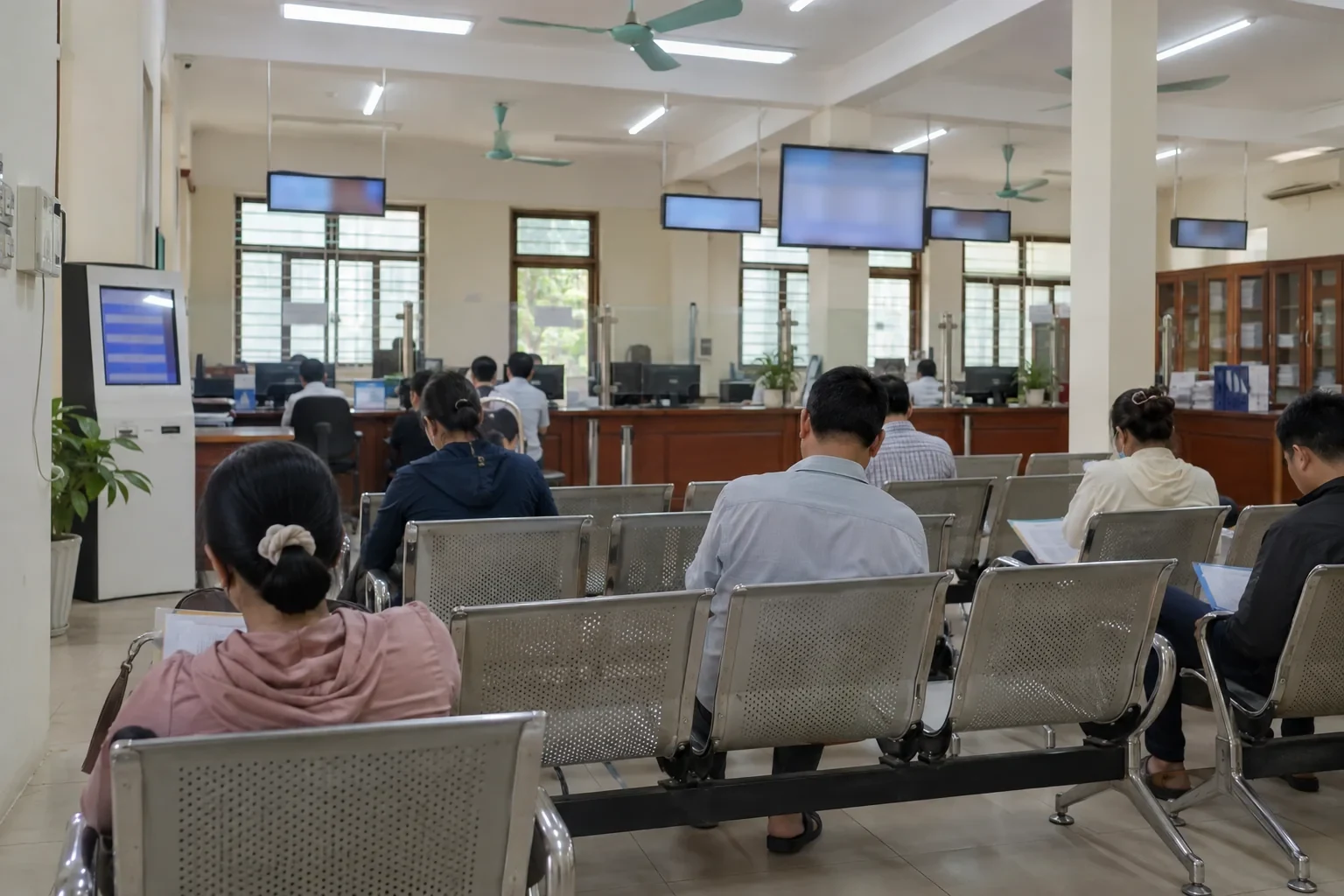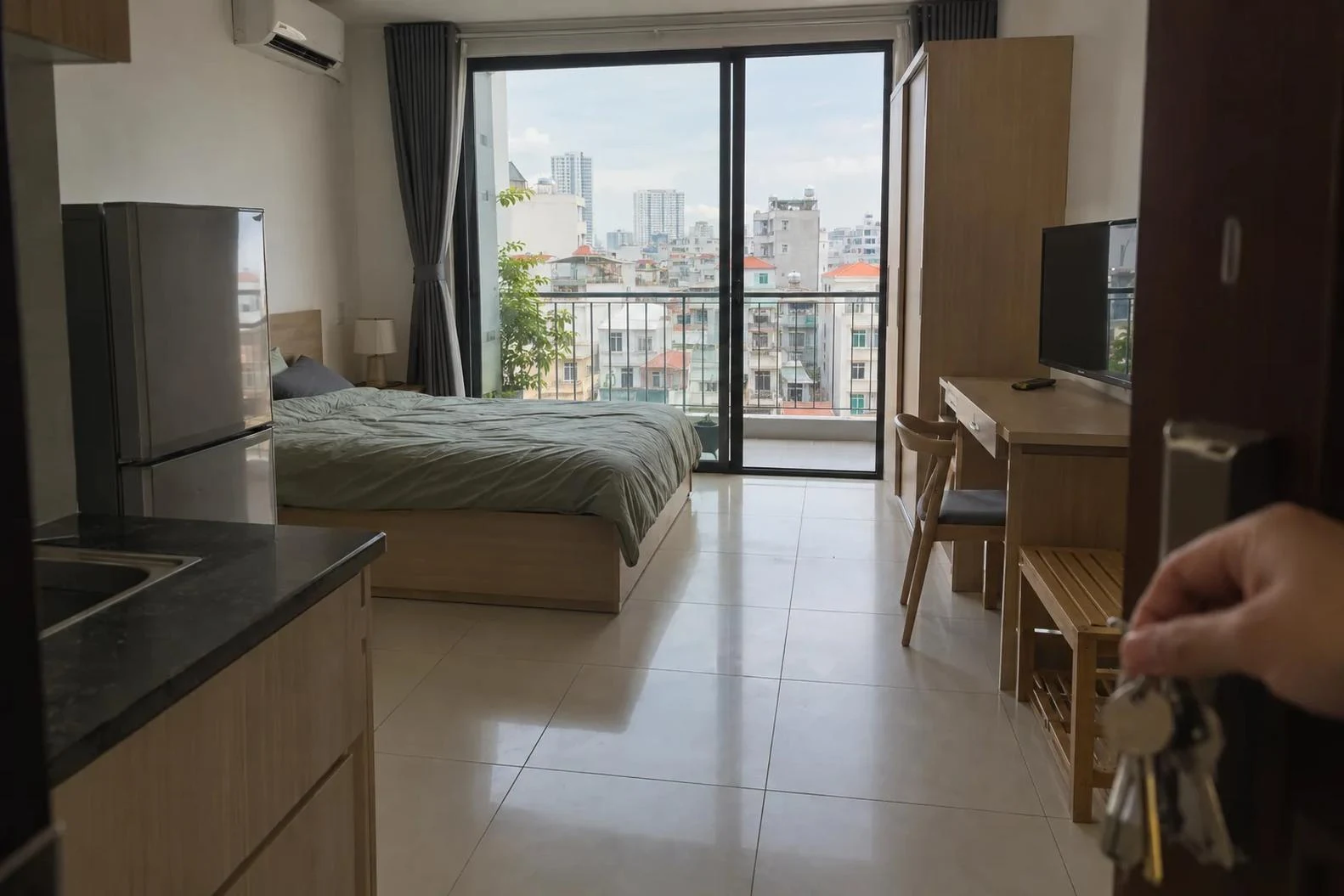
For a stay of a month or longer in Vietnam, a furnished studio usually works out cheaper and more comfortable than a hotel. In Da Nang it starts at about 5 million dong (around $190) a month away from the tourist area, and runs 7 to 8 million dong (roughly $270 to $300) near the beach. A hotel is the right choice only until you have seen a few flats in person.
The flat search is easy to do yourself. The part that catches people out is how long you are allowed to stay, and I come back to it below.
Hotel, Guesthouse or Studio: What Suits a Month?
A hotel or guesthouse suits a stay of up to about two weeks, and from two weeks onward a furnished studio starts to win. To compare, multiply the nightly rate by 30 and set it against the monthly rent plus electricity. The deposit is a separate item, because it comes back when you leave.
The trade-off is commitment. A hotel lets you check out tomorrow, while a studio comes with a contract, a deposit and a handover to agree on. My advice is to book a hotel or guesthouse for the first three or four nights and do the flat hunting from there. A studio also gives you a kitchen and a landlord who knows the neighborhood.
How Much Does a Furnished Studio Cost in Da Nang?
Studios in Da Nang start at about 5 million dong a month away from the tourist area and cost 7 to 8 million dong near the beach. Rent moves with the district, the distance to the sea, the type of flat, the number of rooms and the season.
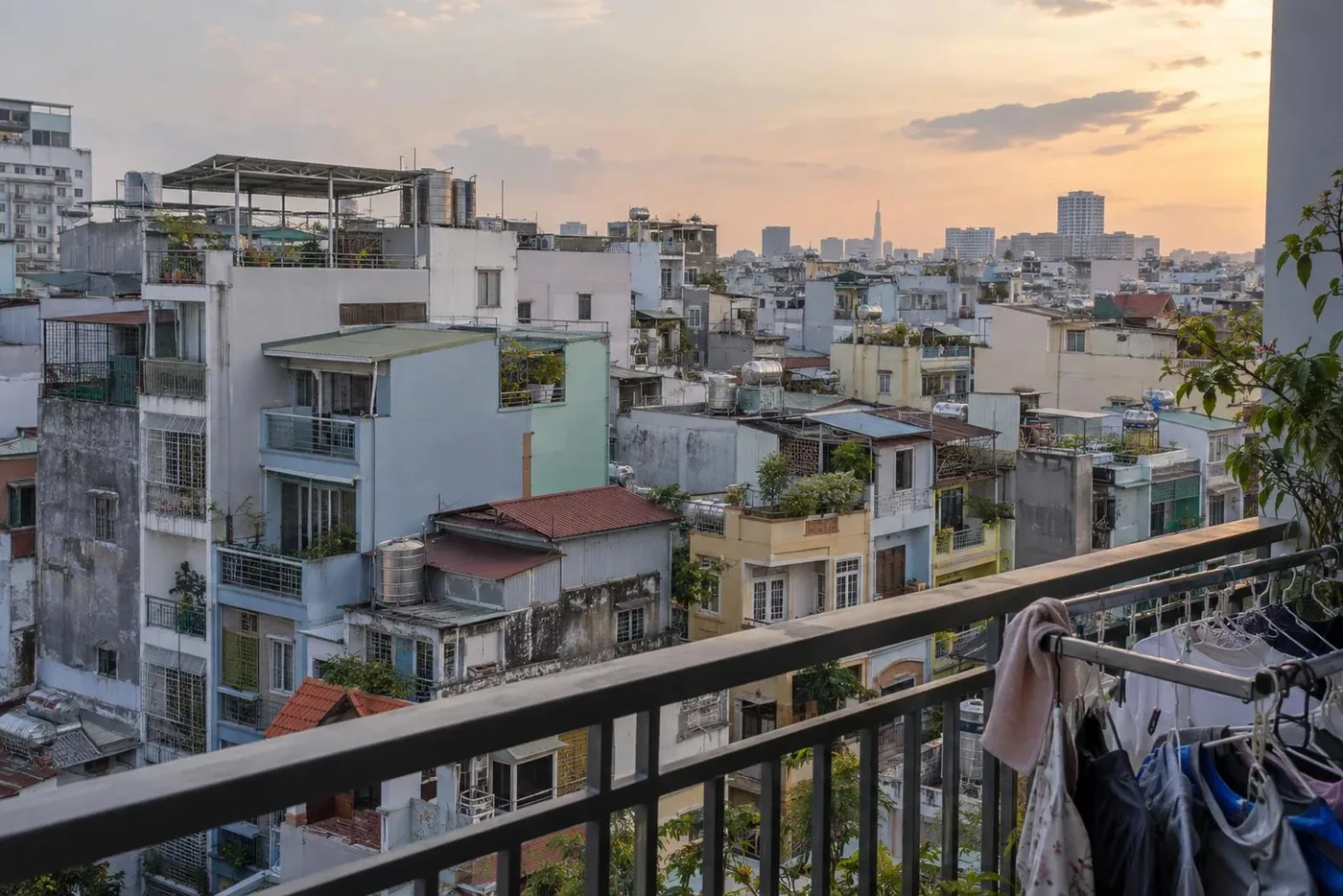
Current listings near My Khe beach ask roughly 7 to 7.5 million dong for a furnished studio with a balcony. Season shifts the price too: in the tourist district, a one-room flat can be had for about 5.5 million dong in low season and be priced at 7.5 million dong a few months later. Listings are usually quoted before electricity, so add it to your estimate.
How Do You Find and Rent a Place Step by Step?
The simplest way to find a studio in Da Nang is to post your budget and area in a local Facebook housing group, then view two or three flats in person before agreeing to anything. Agents reply within hours, and you do not pay them, because the owner pays the commission.
- Book a hotel or guesthouse for the first three or four nights.
- Post in a local housing group: budget, area, move-in date and length of stay.
- View two or three flats and check water pressure, the air conditioner, Wi-Fi and evening noise.
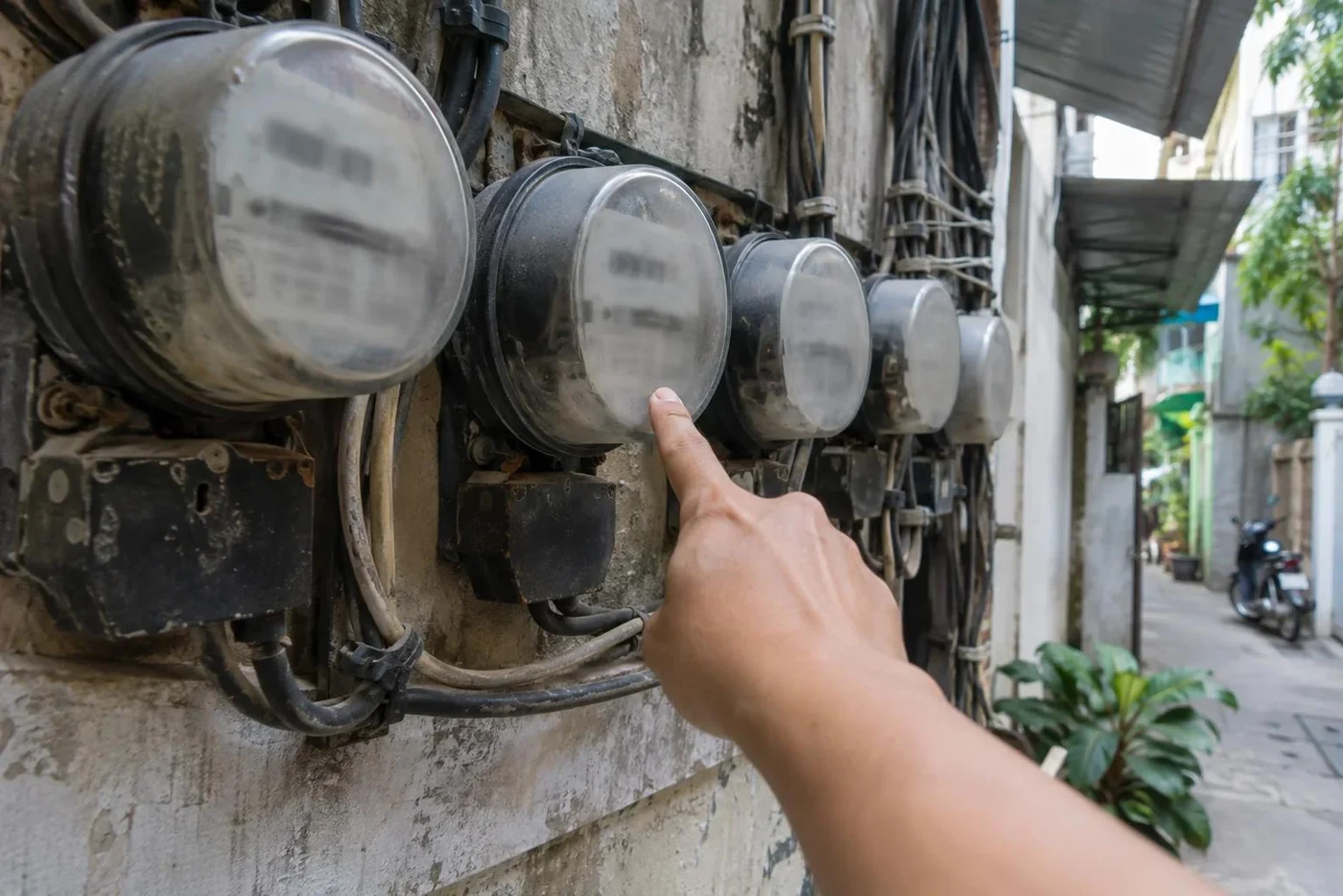
- Ask what the price excludes, because electricity is usually billed separately.
- Read the contract, agree the deposit and sign.
- Take dated photos of the flat and of the meters on handover day.
What Does Move-In Day Cost and Who Registers You?
Move-in usually costs two months of rent at once: one month as a deposit and the first month in advance. Your landlord is also required to declare your temporary residence to the local police, normally within 12 hours of your arrival, or 24 hours in remote areas, using your passport and visa details.
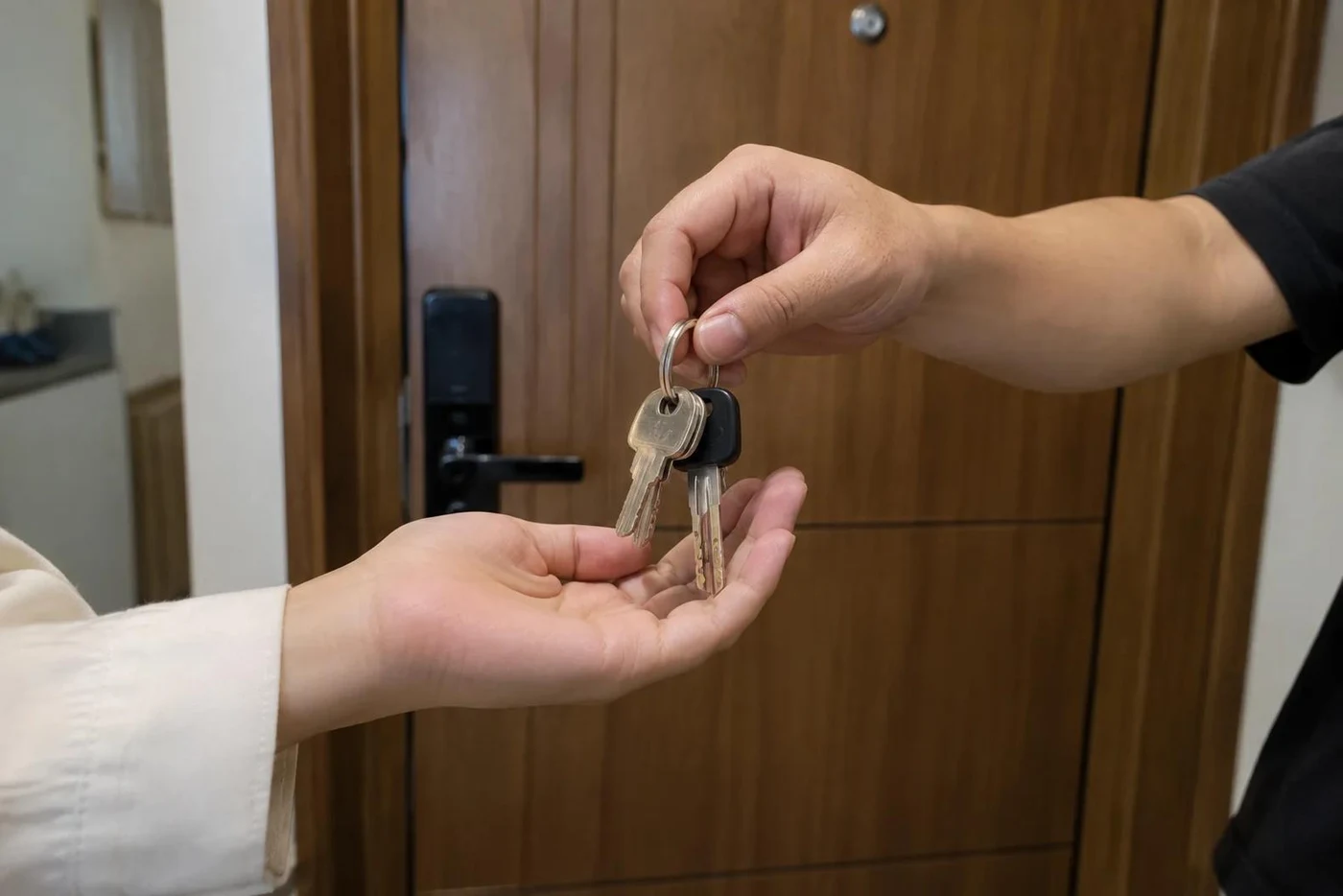
Here is where long stays get tricky. A lease of 6 or 12 months says nothing about how long you may stay in the country, which is set by your visa or exemption. An e‑visa lasts up to 90 days, and visa-free stays are 45 days for citizens of a list of countries that includes Russia, so the lease can easily outlast your permission. You can file the e‑visa yourself on the official portal, evisa.gov.vn. If you would rather not handle the form and the fee, BestBus Vietnam files it end to end: send me your passport details on WhatsApp and I will complete the application, pay the state fee with a card the portal accepts and pick the right entry point. For the lease itself, my guide to renting long term in Vietnam goes through the contract line by line.
What Do Long-Stayers Regret About the Location?
The most common regrets are heat and shopping at the wrong market. In central Vietnam, around Da Nang, the heat builds from March, and by midday it is hard to be outside. The rains arrive in autumn and can run into December. Anyone who dislikes heat can look north, where winter nights can fall to 7 to 10 degrees.
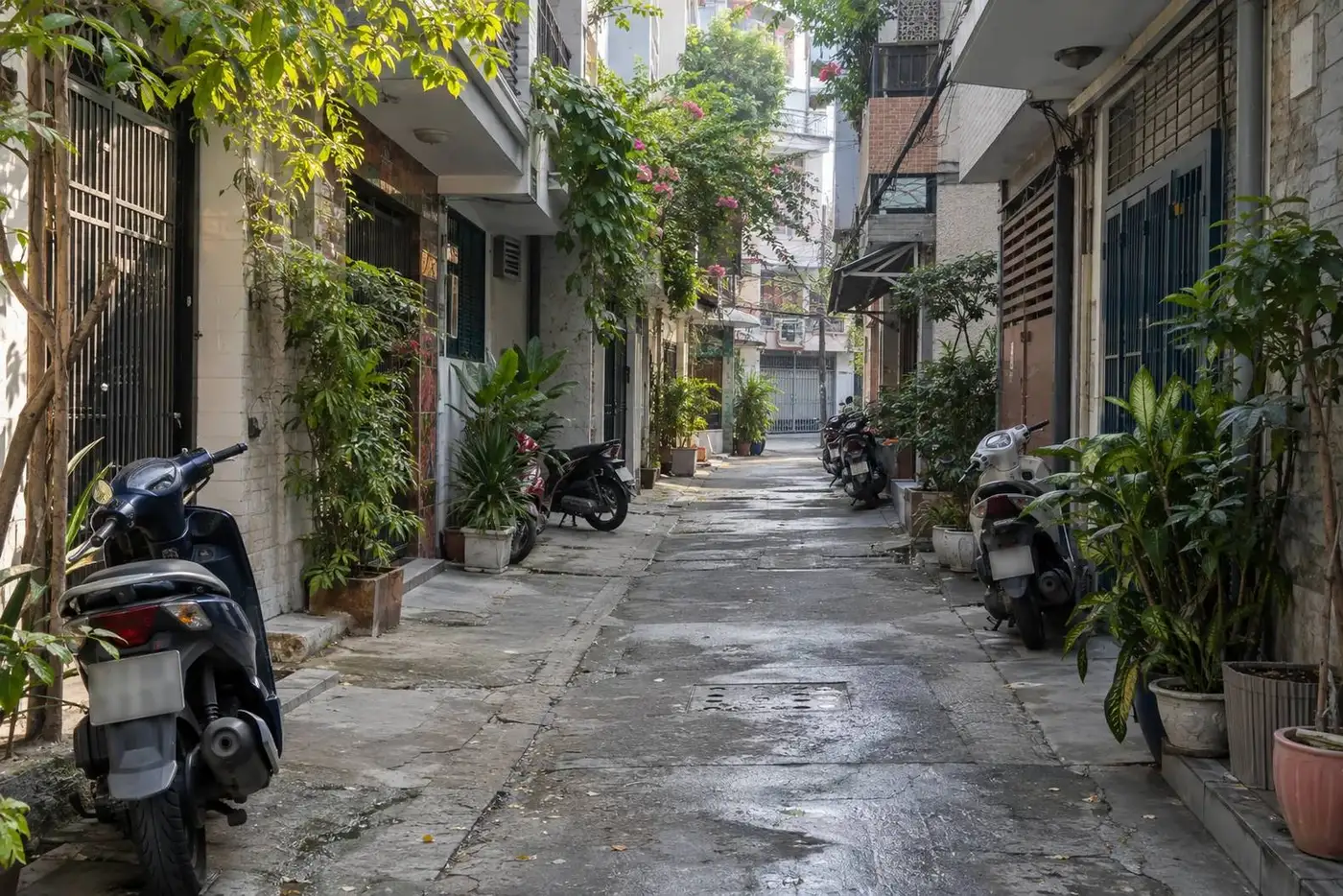
Food prices follow the tourists. Produce at a market in the tourist area can cost more than double what the same stall sells at a local market farther out, so I would live near a local market and accept the extra ten-minute walk. Building a budget around small differences like this is covered in the real cost of living in Da Nang.
Which Option Should You Pick?
For a month or more, pick a furnished studio away from the main tourist strip, near a local market, with a landlord who registers you on day one. Use a hotel only to bridge the first few nights.
Before you sign, count the days on your visa against the days on the lease. If they do not match, message me on WhatsApp with your planned dates and I will tell you whether visa-free entry, an e‑visa or something longer fits your plan.
Frequently asked questions
What if my landlord does not register me with the police?
Ask on the first day. The declaration is the landlord’s job, and it needs your passport and visa details. If the landlord brushes it off, treat that as a warning about the rest of the deal, and consider another flat.
Why is my electricity bill higher than the official tariff?
The state tariff runs from about 1,984 to 3,967 dong per kWh, but landlords commonly bill a flat 3,500 to 4,500 dong. With the air conditioner on all day the gap shows up quickly, so settle the rate before you sign.
Can I find a place before I land in Vietnam?
You can collect offers remotely by posting in a local housing group, and agents will reply with options. I would still view in person and sign nothing before the viewing, because photos hide noise, damp and weak Wi-Fi.