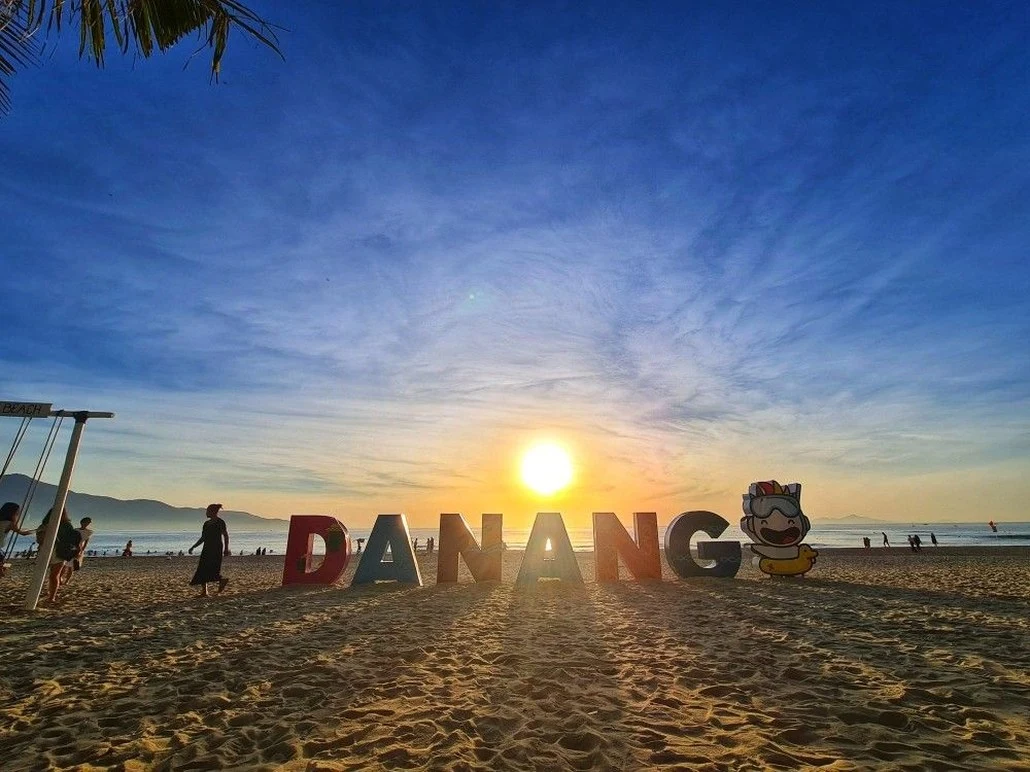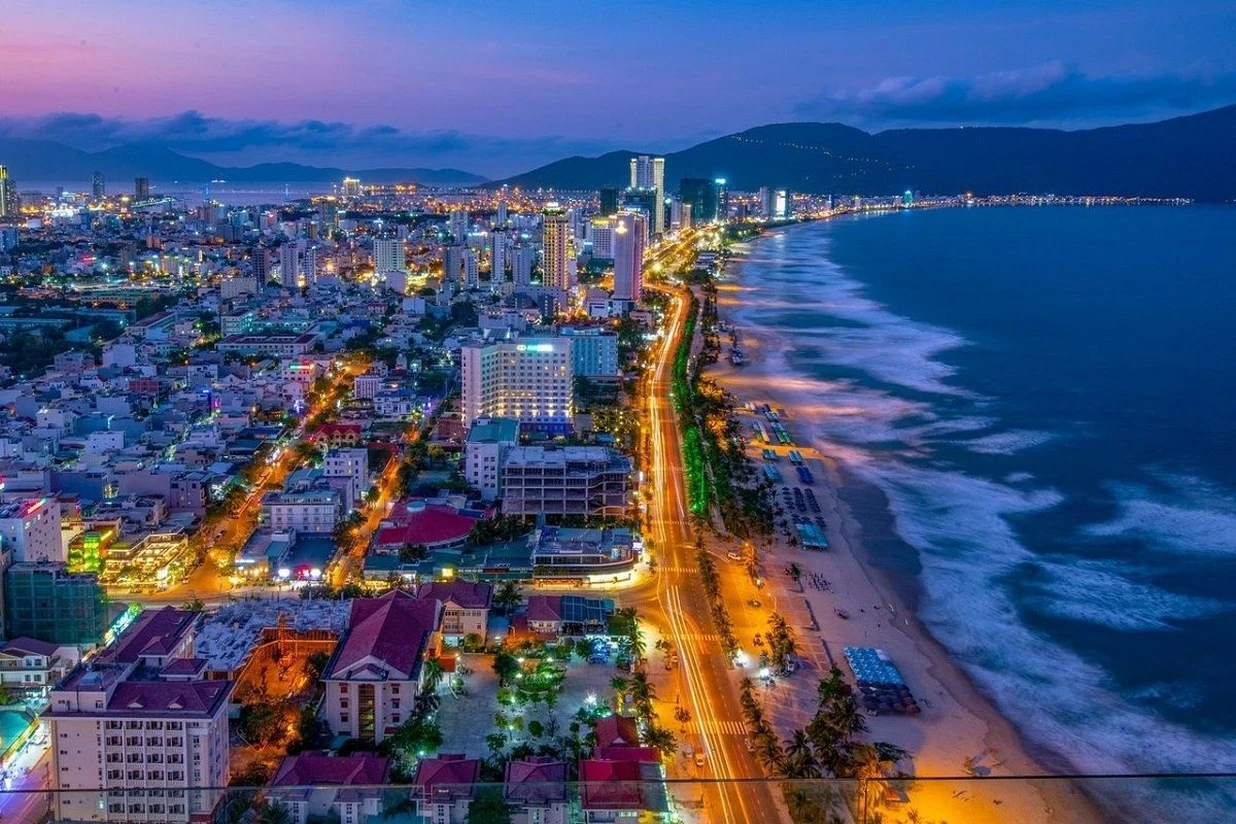
Picking a base in Vietnam for a one- to three-month stay usually comes down to three cities: Da Nang, Hoi An, and Nha Trang. Da Nang runs about $600-900 a month all-in with the fastest wifi and easiest airport access; Hoi An costs more for a similar studio but trades rent for quiet; Nha Trang is the cheapest of the three but has thinner expat infrastructure. The right pick depends on what you’re actually optimizing for.
Da Nang or Hoi An: Which Fits a One- to Three-Month Stay?
Da Nang suits travelers who want city conveniences: direct flights, coworking spaces, and a beach within a 10-minute bike ride. Hoi An suits travelers who want walkable Old Town streets and tailor shops, but it sits 30-40 minutes from the nearest airport, so every arrival and departure costs an extra taxi or Grab ride.
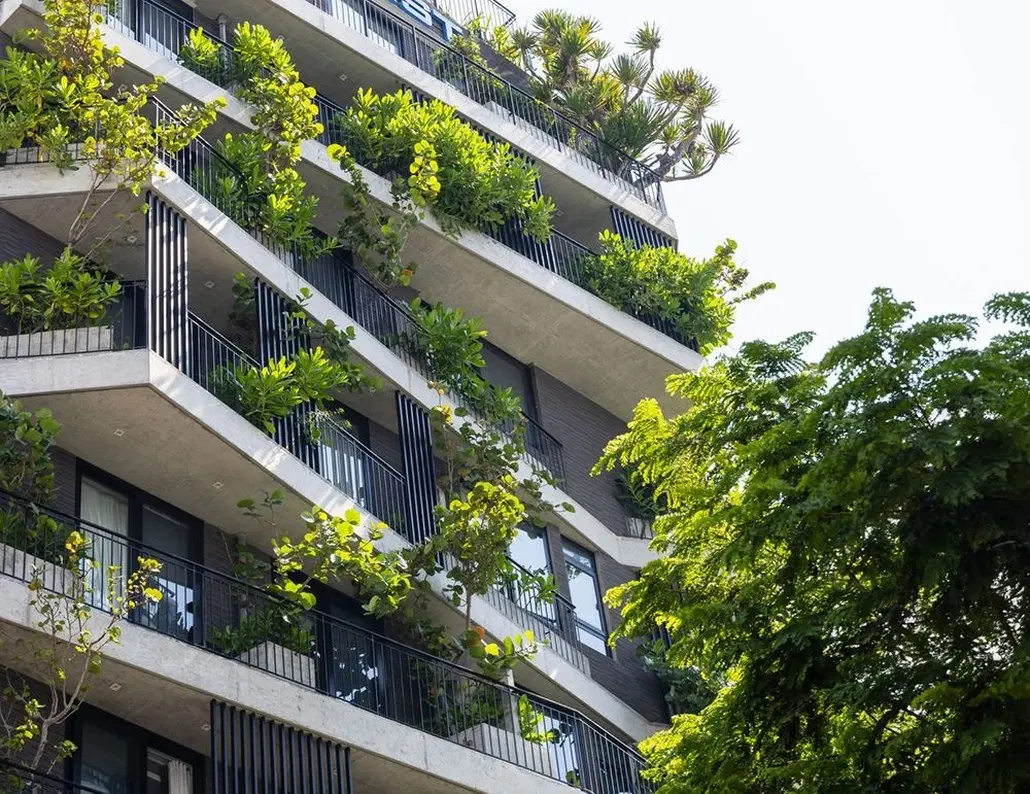
A furnished studio in Da Nang’s An Thuong or My An districts runs $250-400 a month depending on how close you are to the beach and how recently the building was renovated. In Hoi An, a comparable studio near the Old Town or An Bang beach usually starts at $350 and climbs past $500 in high season (December-February), because short-term tourist demand pushes landlords to favor week-by-week bookings over a three-month signature.
What Does a Month Actually Cost in Da Nang, Hoi An, and Nha Trang?
Budget roughly $600-900 a month in Da Nang, $700-1,000 in Hoi An, and $500-750 in Nha Trang, covering rent, food, a motorbike rental, and a local SIM. The gap comes almost entirely from rent and how often you eat at western-style cafes versus local com binh dan spots.

- Rent: Da Nang $250-400, Hoi An $350-550, Nha Trang $200-350 for a studio or one-bedroom.
- Food: $150-250 a month mixing local eateries ($1-3 a plate) with a few western meals a week.
- Motorbike rental: $50-70 a month, or a used Honda Wave for $250-400 if you’re staying past three months.
- SIM/data: $5-8 a month for an unlimited 4G plan from Viettel or Mobifone.
For the full line-by-line breakdown, including deposit rules and what a landlord typically asks for upfront, see our guide on renting an apartment in Vietnam for 1-3 months.
Is Ho Chi Minh City Worth the Extra Money?
Ho Chi Minh City runs $900-1,300 a month for the same lifestyle and makes sense mainly if you need better flight connections or a bigger professional network. For a one- to three-month stay focused on beach access and a slower pace, the extra $300-400 a month buys traffic and noise more than quality of life. Our side-by-side on visa runs from Da Nang vs. HCMC vs. Nha Trang breaks down how border-run logistics change with each city too.
How Do Visa Runs Fit Into a Longer Stay?
If you’re staying past your 45-day visa-free window or 90-day e‑visa, you’ll need either a visa run to a land border or a visa extension processed while you’re still inside Vietnam. A fresh e‑visa through the official e‑visa portal costs $25 for a single entry or $50 for multiple entries. Most travelers based in Da Nang or Hoi An do a Laos border run through Lao Bao, which takes about 12 hours round-trip by bus and costs $30-90 depending on the bus operator and whether you pre-book a new e‑visa.

BestBus Vietnam runs a same-day Da Nang visa run service that covers exactly this Lao Bao crossing, so you’re not stuck reading bus timetables while you’re supposed to be apartment-hunting.
This is where I usually get involved: travelers picking a base for a few months don’t want to lose two full days figuring out border paperwork on their own. You can do the Lao Bao run yourself with a printed guide and a translation app. What I do instead is handle pickup in Da Nang, the paperwork at the crossing, and a fresh e‑visa the same day, so it doesn’t eat into your month. All I need from your side is your passport page and the week you want to travel. Message me on Telegram and I’ll tell you what’s realistic this week.
When Does Central Vietnam’s Weather Turn Against You?
Central Vietnam’s rainy season runs roughly October through December, with occasional week-long cold snaps in Da Nang and Hoi An that drop temperatures to around 19°C (66°F) in January. If you’re choosing a one- to three-month window, November and December bring the heaviest rain, while February through August stay dry and warm.

Nha Trang and Ho Chi Minh City sit further south and skip most of that cold snap, staying closer to 25-30°C (77-86°F) in January - worth weighing if you’re moving to escape a northern winter, not just to save money.
Wherever you land - Da Nang for convenience, Hoi An for quiet, or Nha Trang for the lowest bill - your visa clock keeps running no matter which city you pick. If a border run to renew it isn’t something you want to plan around city sightseeing, that’s exactly the piece I handle for travelers settling into Central Vietnam for a season. Send me your travel dates on Telegram and I’ll map out what fits your visa timeline.