Where you change money in Da Nang matters far more than the day you do it. The same $100 note buys noticeably more dong at a licensed counter near Han Market than at the airport, and the gap runs around 5 to 8 percent. On $500 that is $25 to $40 gone for nothing, just because of the window you walked up to.
Which places in Da Nang give a fair rate?
Licensed exchange counters and banks give the fairest rate in Da Nang. Near Han Market and on Pham Van Dong street several counters stand side by side, so they compete with each other. Banks like Vietcombank, BIDV and ACB post an official rate that is usually 0.5 to 1 percent worse than the street, but nobody argues with it and you get a receipt.
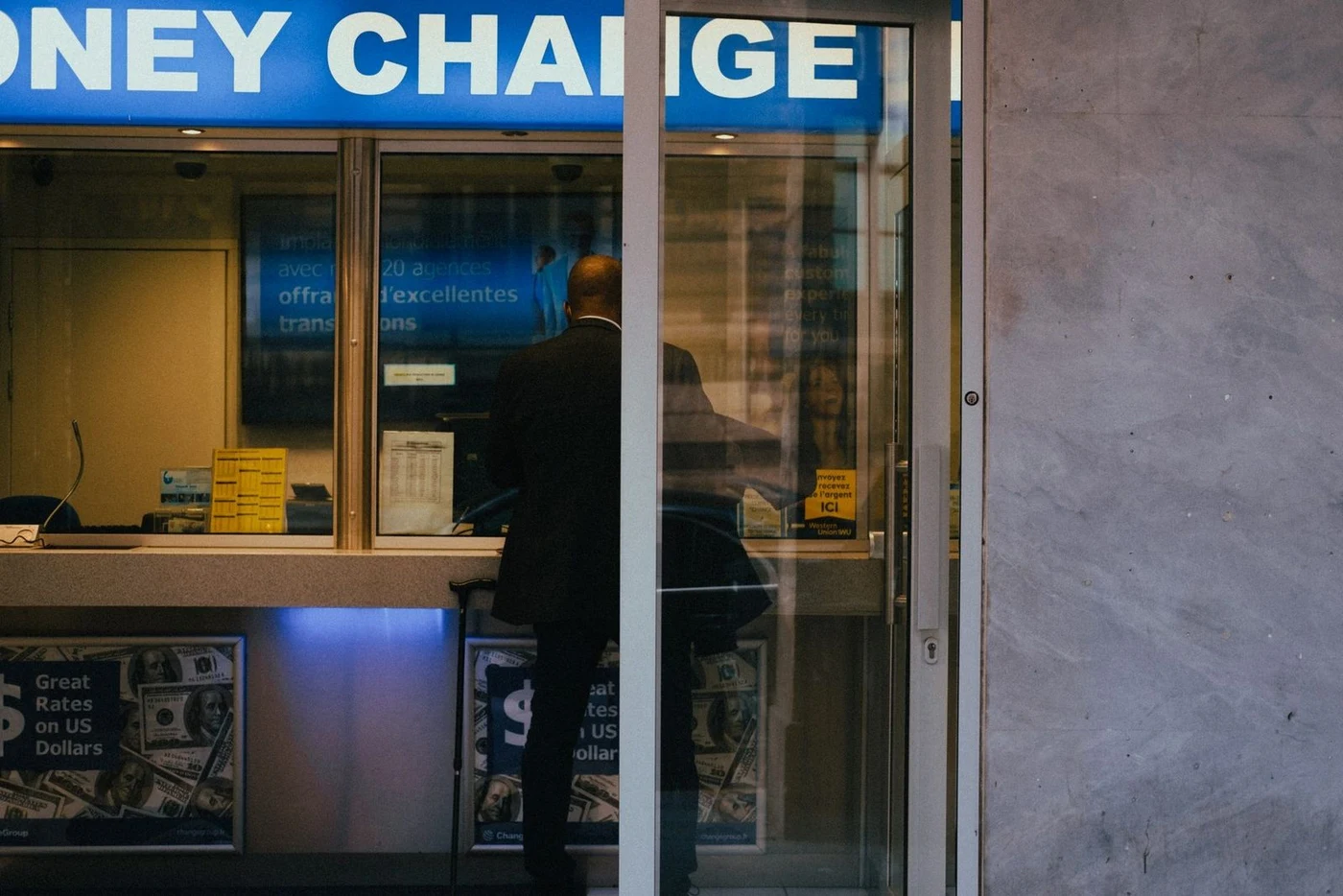
A legal counter has a “Thu Đổi Ngoại Tệ” sign, which simply means “currency exchange”, and a license number in the window. No license number, I keep walking. Jewelry shops near the market also change dollars and it is a normal local habit, but the same rule applies: a posted rate and a license, or I do not hand over a note. When two or three counters stand in a row, I ask all of them the same question and take the best answer. On $500 or more I ask for a slightly better rate, and a bump of 50 to 100 dong per dollar is often granted without a fight.
Why is the airport the worst place to change?
Airport desks are the worst place to change because they price in your lack of options, usually 5 to 8 percent below the city rate. Hotel receptions and the stalls on the beach are often worse, up to 10 percent. I only change what I need for a taxi and breakfast, about $20 to $30, and do the rest the next morning in town.
The same goes for people who approach you on the street. Their rate looks fine on a phone screen, and then the total shrinks at the moment of counting. I have never regretted skipping them.
How do I make sure the counter does not shortchange me?
Ask for the final amount in dong before you hand over anything. “For $100, how many dong in total?” is the question, because a rate quoted per unit with a commission added later is the usual trick. Then count the notes twice, at the counter, with the clerk watching.
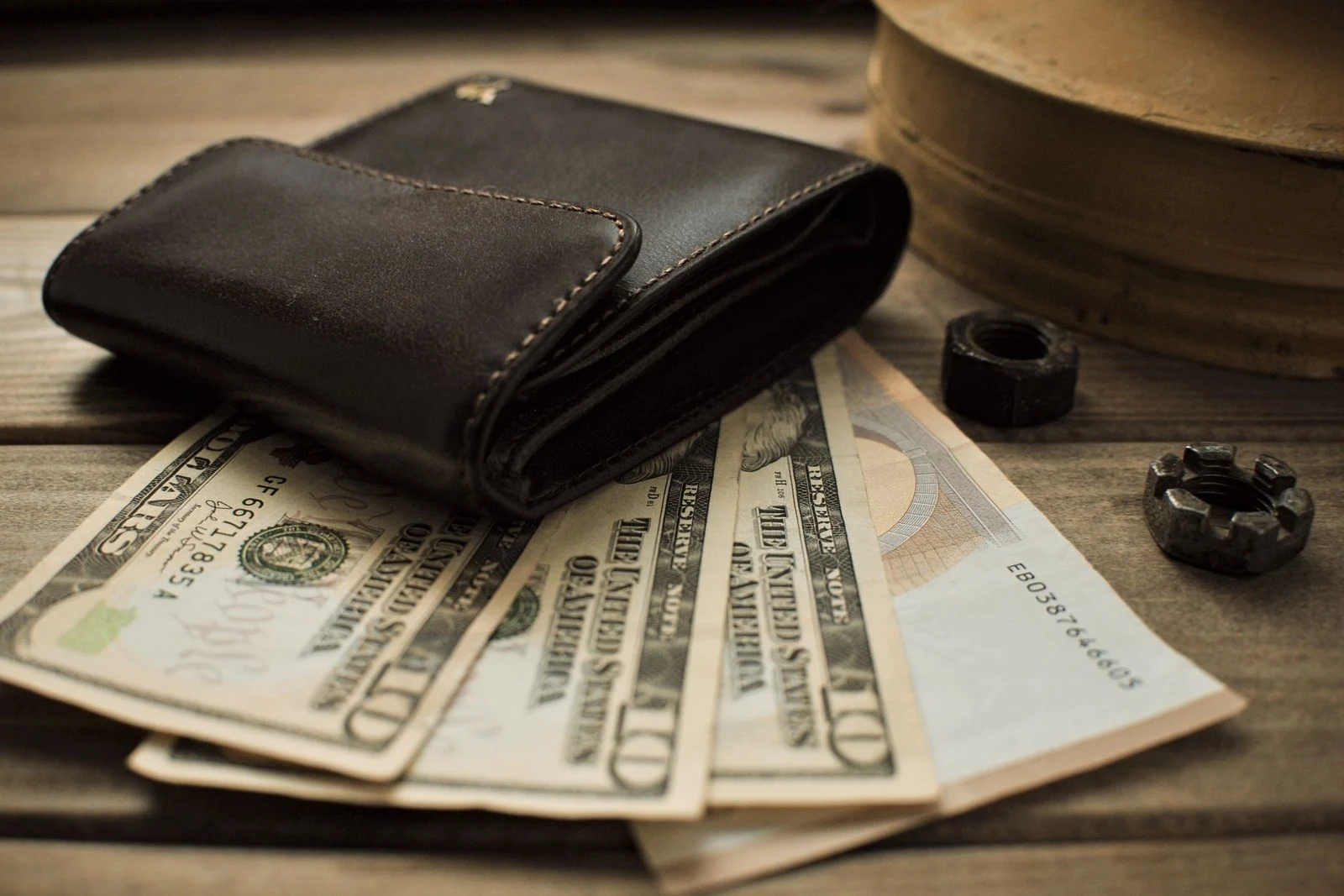
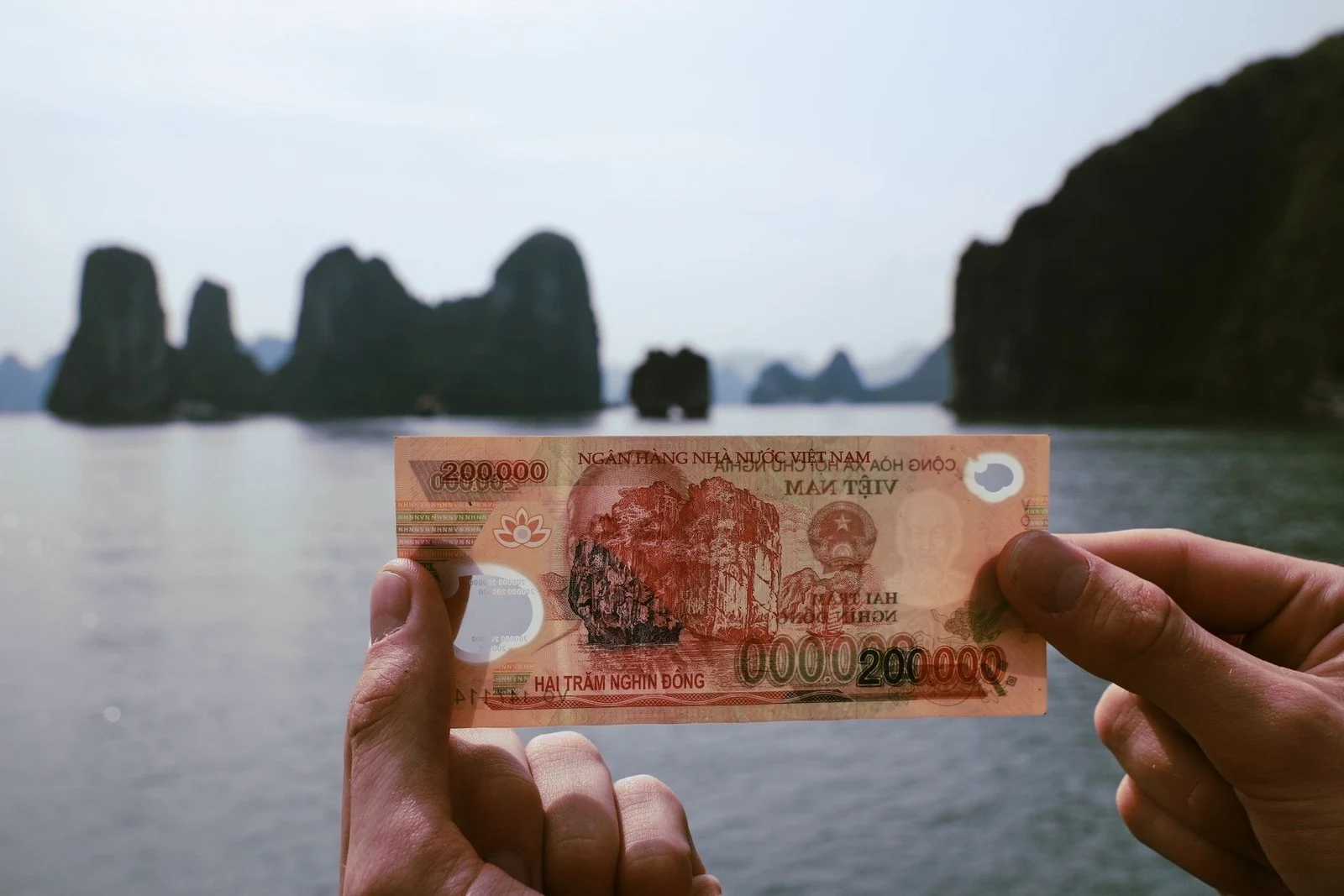
Vietnamese notes of different values look similar at a glance, and two notes stuck together are another classic. I fan the stack out and check each denomination before I leave the window. Fresh, flat $100 bills get the best rate, so I bring them in clean condition; torn or marked notes get refused or discounted.
Is an ATM easier than changing cash?
An ATM is easier for small, regular amounts, so I use it for weekly top-ups and not for the main sum. Vietcombank machines let me take out up to about 5 million dong at once, roughly $200, and the fee I last saw was 55,000 dong per withdrawal, so check the screen before confirming. I take out 1.5 to 2 million dong twice a week, which adds up to about $4 in fees.
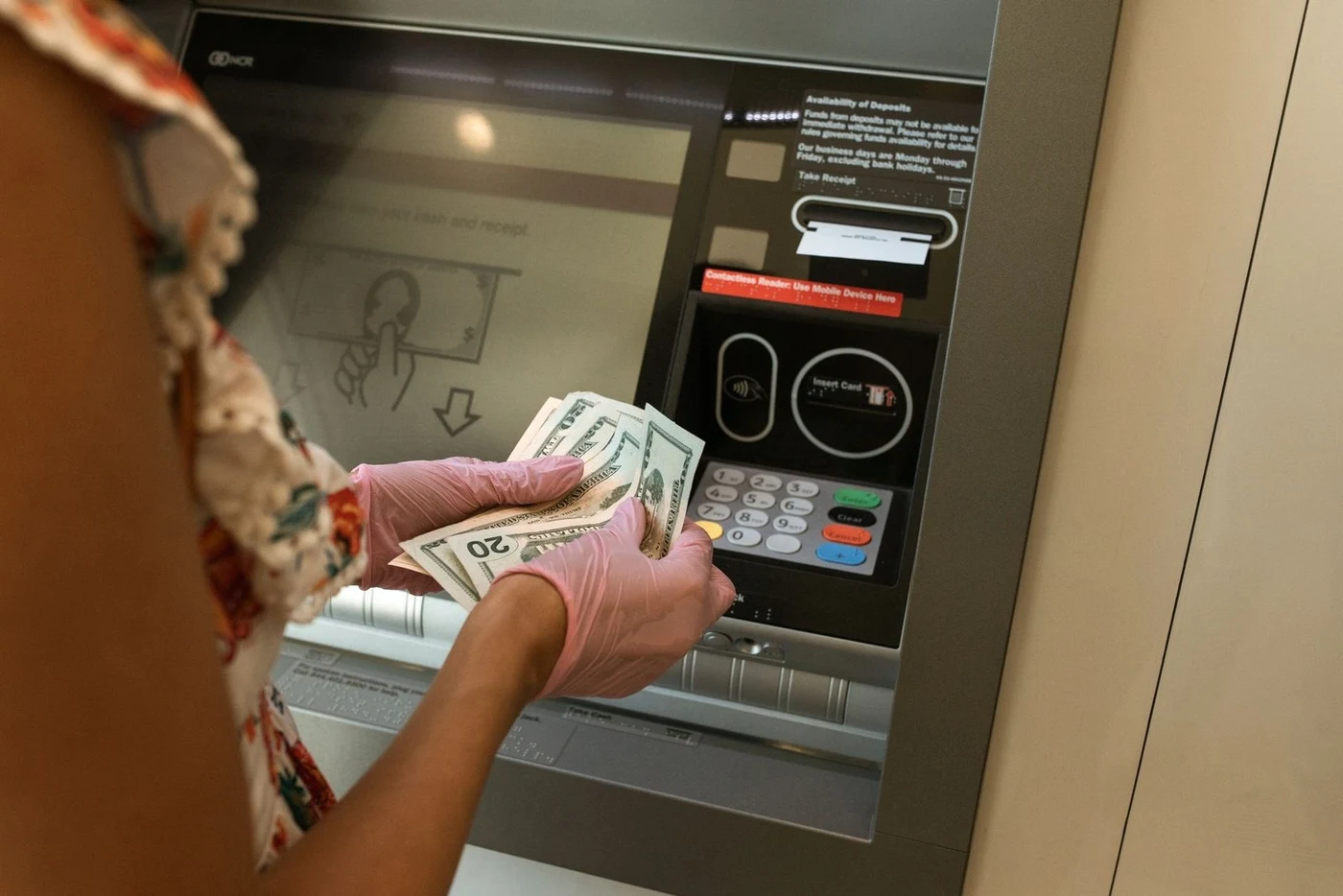
The bigger amount is cheaper to change as cash at a counter, while small sums are cheaper to pull from a machine, so I mix the two and never walk around with a month of cash.
What if my card does not work at all?
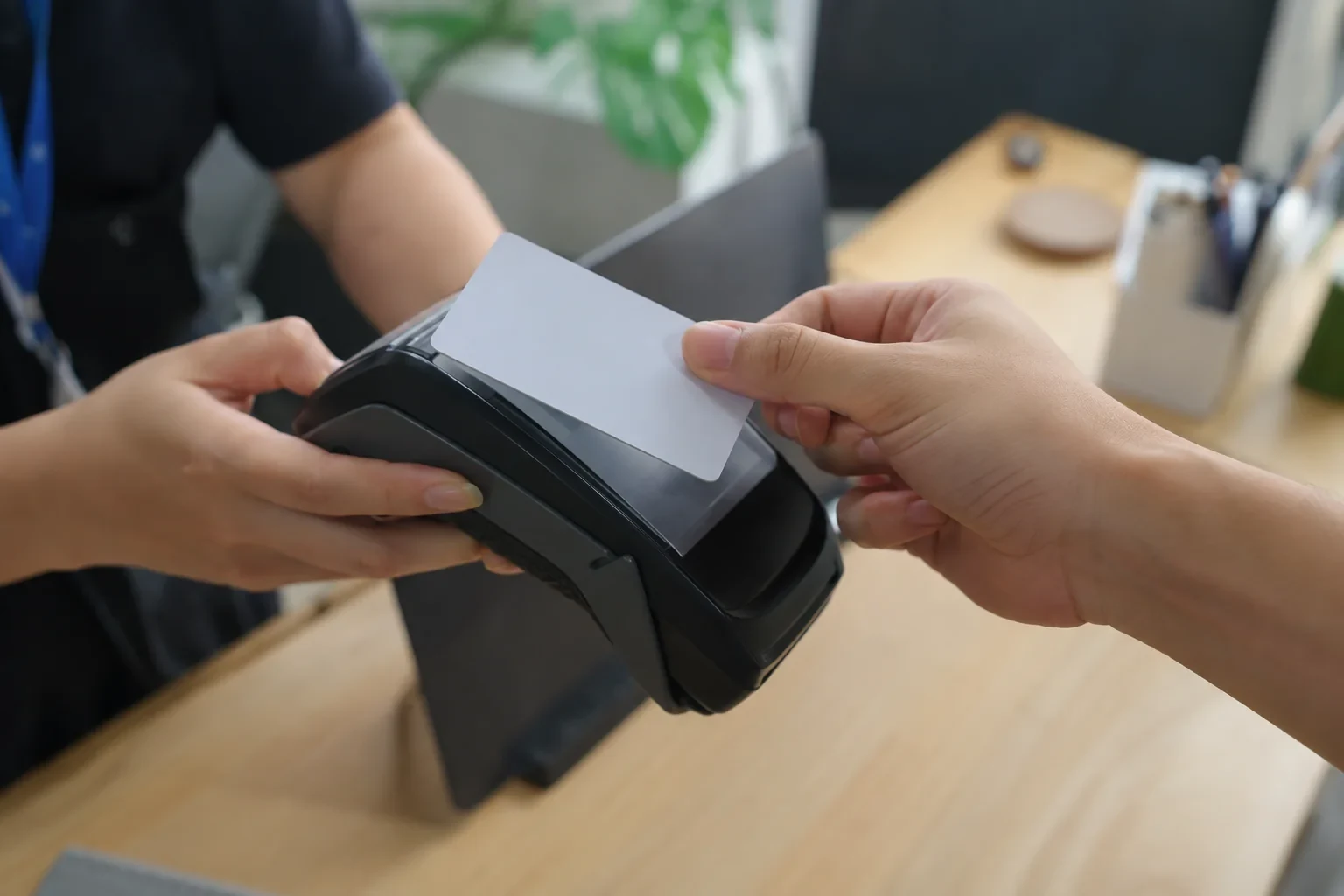
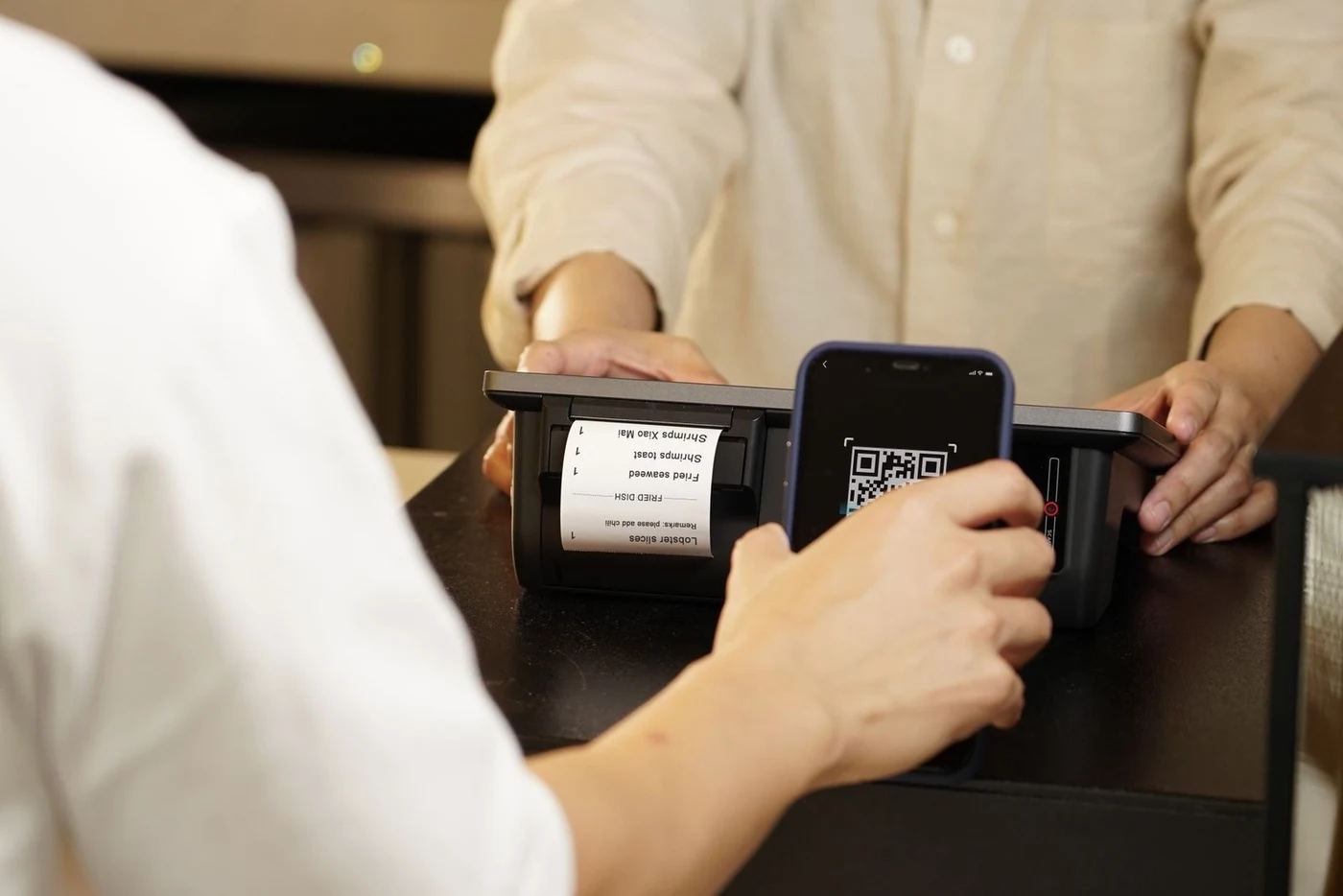
Card acceptance in Da Nang is better in malls and chains than on the street, and it is hit or miss for foreign cards. UnionPay works in many shopping centres and big chains such as Lotte Mart, while Russian-issued cards are unreliable almost everywhere. I never plan a day around a card that has not been tested.
The same problem shows up on the visa portal. The government e‑visa site often rejects foreign cards at the payment step, and people lose a day retrying. You can do this part yourself if you have a card the portal accepts. If you would rather not fight with it, in BestBus Vietnam I pay the state fee with a card the portal takes, so yours never touches the form. Send me your dates on WhatsApp and I will tell you what to prepare.
How much dong should I carry?
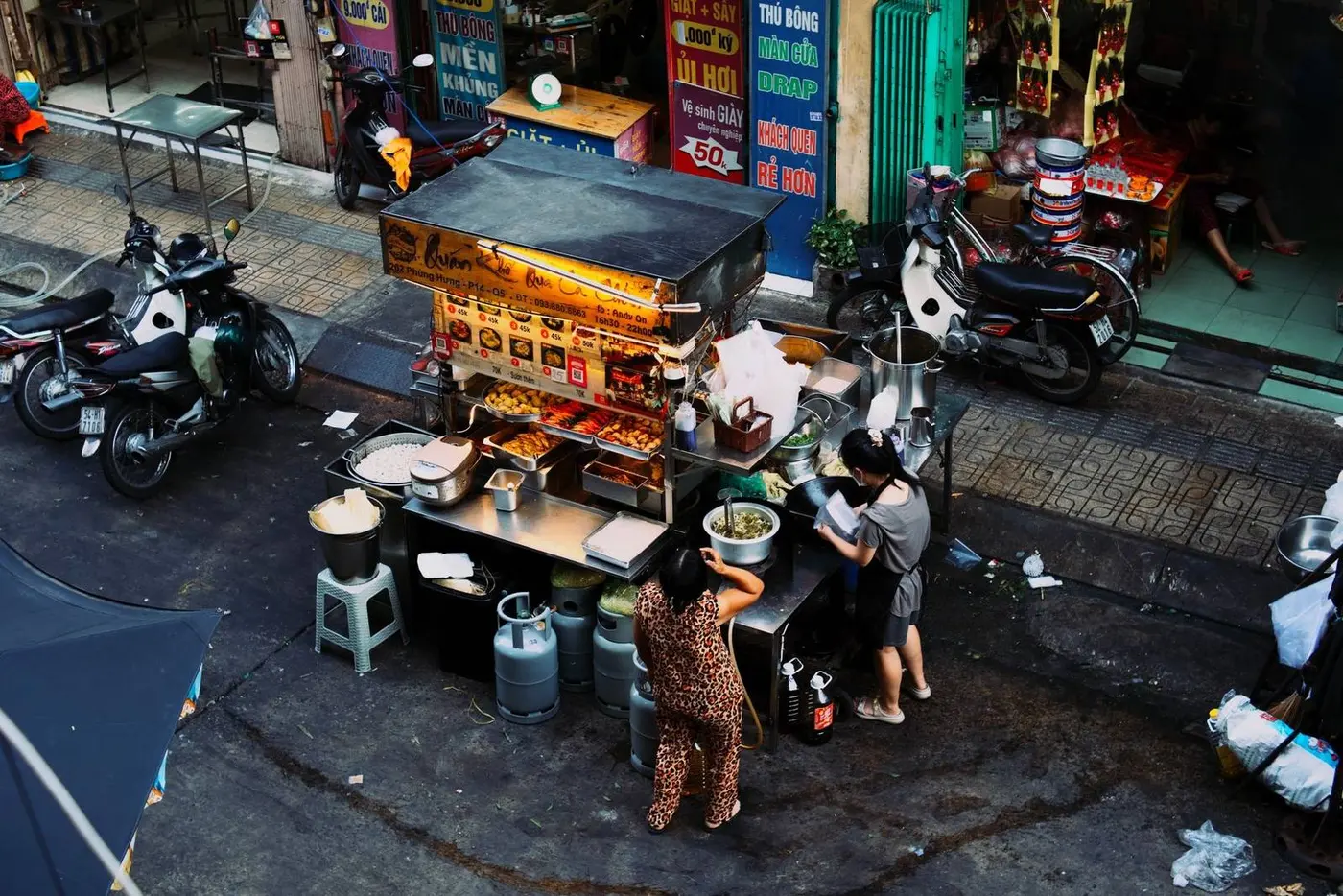
I keep 500,000 to 1,000,000 dong, about $20 to $40, in my pocket at all times. Markets, street food, small cafes and local taxis outside Grab all want cash, and that is the money that disappears first.
The dollar rate against the dong barely moves from week to week, so chasing the perfect day to change is wasted effort. Check the live rate on a converter before you go, then spend your energy on choosing the counter.
What does a normal day cost in Da Nang?
A normal day for me runs between 450,000 and 900,000 dong, about $18 to $36. Food is 200,000 to 400,000 dong ($8 to $16), getting around 100,000 to 200,000 ($4 to $8), and the market or groceries 150,000 to 300,000 ($6 to $12).
Multiply that by the days you stay and add a cushion for one unplanned expense. That total is how much you should convert, and everything above it can wait in dollars.
Which setup is worth copying?
For a trip of a few weeks, I carry new $100 bills, change most of the sum at a counter in the city on day one, and keep an ATM for small top-ups. For a long stay, a local bank account takes most of this pain away, and the other methods are in my guide to cash, cards and QR pay. If your money first has to arrive from abroad, sending money to Vietnam is a separate topic with its own traps.
Most of this you can handle with a translator app and two minutes of patience at the counter. But if you would rather not think about cards, fees and portals while you are also sorting out a visa, I take the paperwork side so you only deal with the cash. Message me on WhatsApp with your arrival date and I will say what is realistic for your case.