Most travellers learn Vietnam’s export rules at the airport, with the suitcase already checked and an officer holding a bag of shells. The rules for leaving are shorter than the ones for arriving, but they hit exactly what tourists buy: souvenirs, gold, cash and fruit. This is the list I would run through the night before a flight.
Souvenirs that look harmless and aren’t
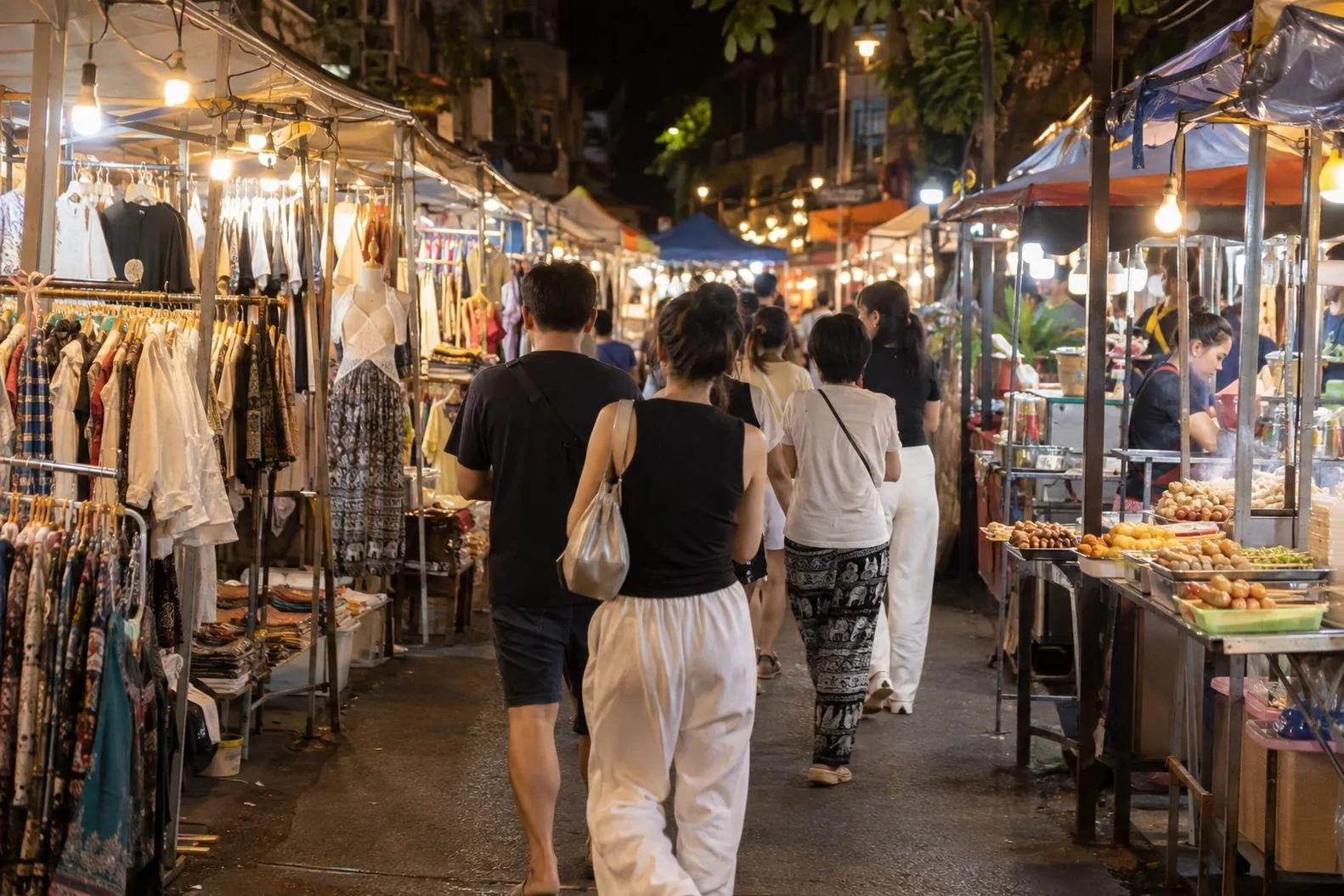
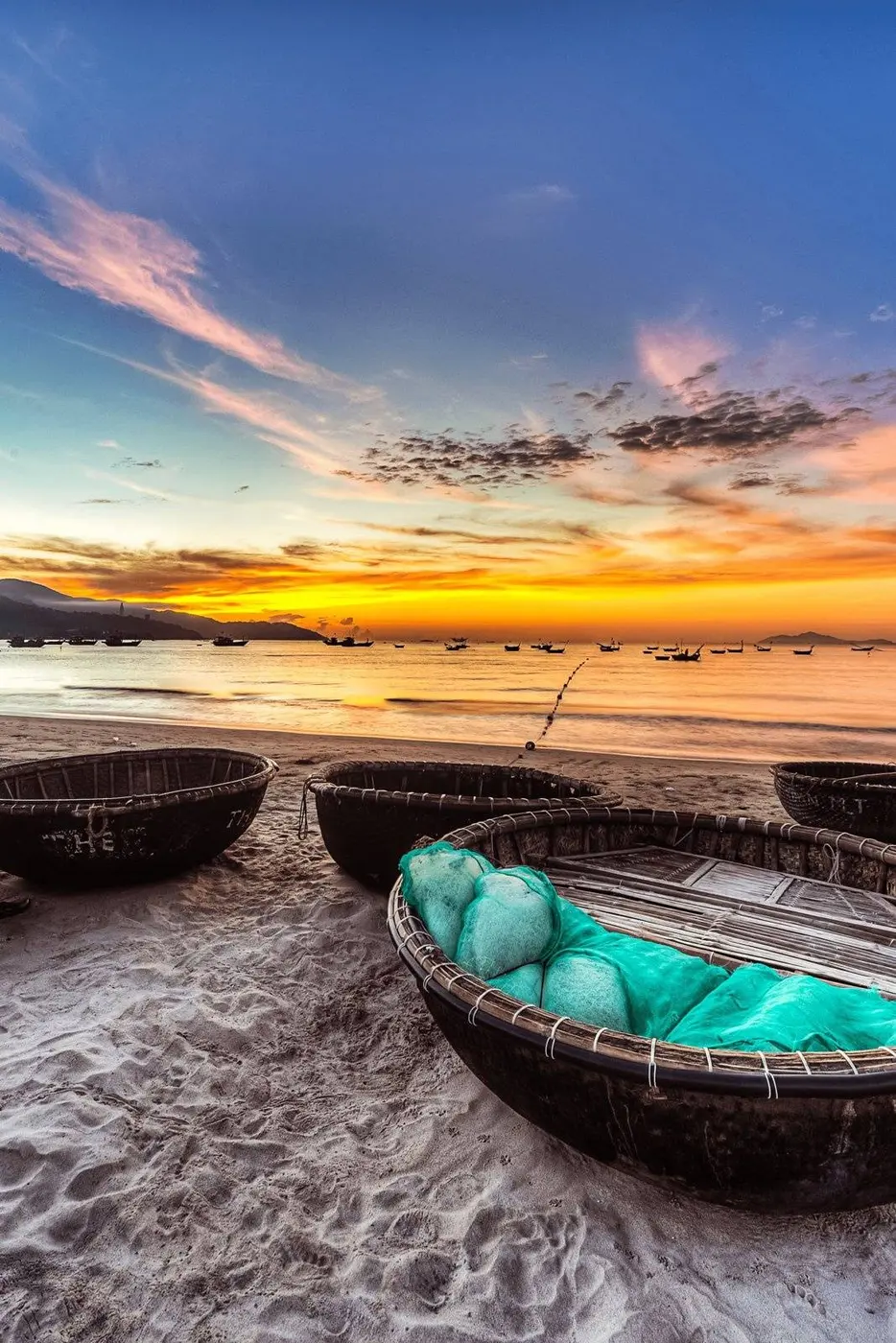
Anything made from wild animals or plants on Vietnam’s protected lists stays in the country. That covers stuffed animals, ivory, crocodile leather, bird eggs, raw coral and shells from protected species, plus rare timber and endemic plants, seeds and cuttings included. Beach stalls look like ordinary shops, and that is the trap: a seller’s price tag is not an export permit.
Weapons are out as well, decorative ones too. A souvenir sword or a replica gun from a craft village is still a blade or a gun for the airline and for customs.
Antiques and works of art need permission from the Ministry of Culture. For a normal painting or lacquer panel from a gallery, keep the seller’s receipt or certificate at the top of your hand luggage. The “hundred-year-old” vase from a market is the item most likely to stop your bag.
Cash, dong and gold at the departure gate
Vietnamese dong is not meant to leave the country. Spend it or change it before you clear security. Beyond that, customs wants a declaration when you carry more than USD 5,000 in cash or its equivalent, or more than VND 15 million (roughly USD 580). Declaring costs nothing: you fill in the form, keep your exchange receipts and walk on.
Gold works the same way once it gets heavy. Around 300 grams, jewellery included, you are in declaration territory, and bars or larger amounts need central bank permission. Jewellery bought in Vietnam should travel with its receipts, and thresholds change, so check the current figure if your purchase sits close to the line.
The fruit problem: durian, coconut and watermelon
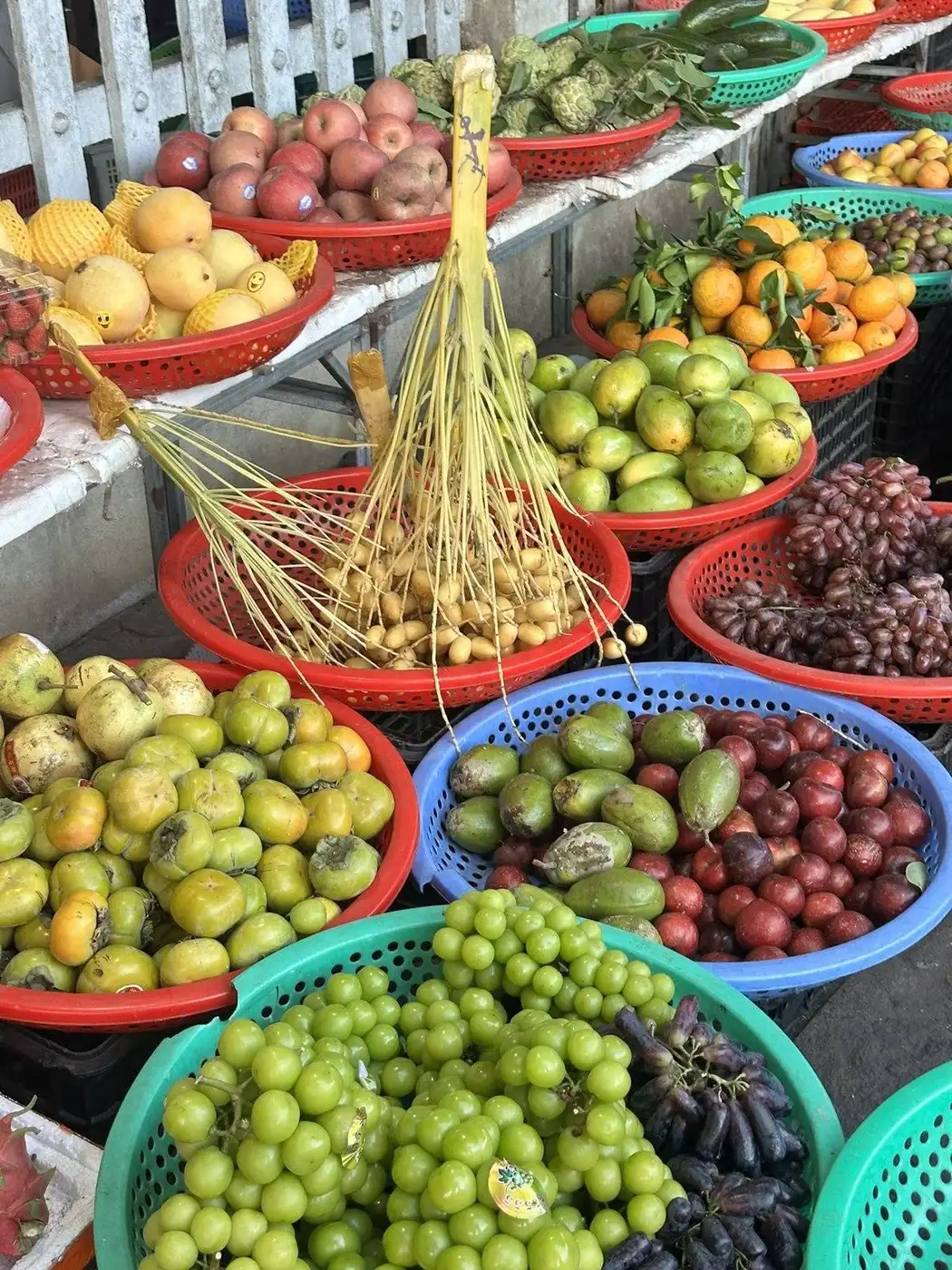
Customs law does not ban fruit outright. Airports and airlines do the blocking: durian because of the smell, whole coconuts because nobody can see inside the shell, watermelon because it can burst in the cabin (a cut one usually passes). Dried mango and vacuum-packed snacks travel far better than anything fresh. Your arrival country has its own plant-health rules too, so a bag of rambutans that clears Vietnam can still be thrown away at the other end.
Vapes, alcohol and pills in your carry-on
E-cigarettes and heated tobacco have been banned in Vietnam since 1 January 2025, so plan your next entry without one. Alcohol and tobacco limits are set by the country you land in, not by Vietnam, so check your own duty-free allowance before you buy three bottles of rice wine.
Medicine goes in original factory packaging, with a prescription or a doctor’s letter for anything beyond a short course. Illegal drugs are a different category altogether: trafficking can carry the death penalty, and no receipt or story changes that.
What happens at the airport if customs finds something
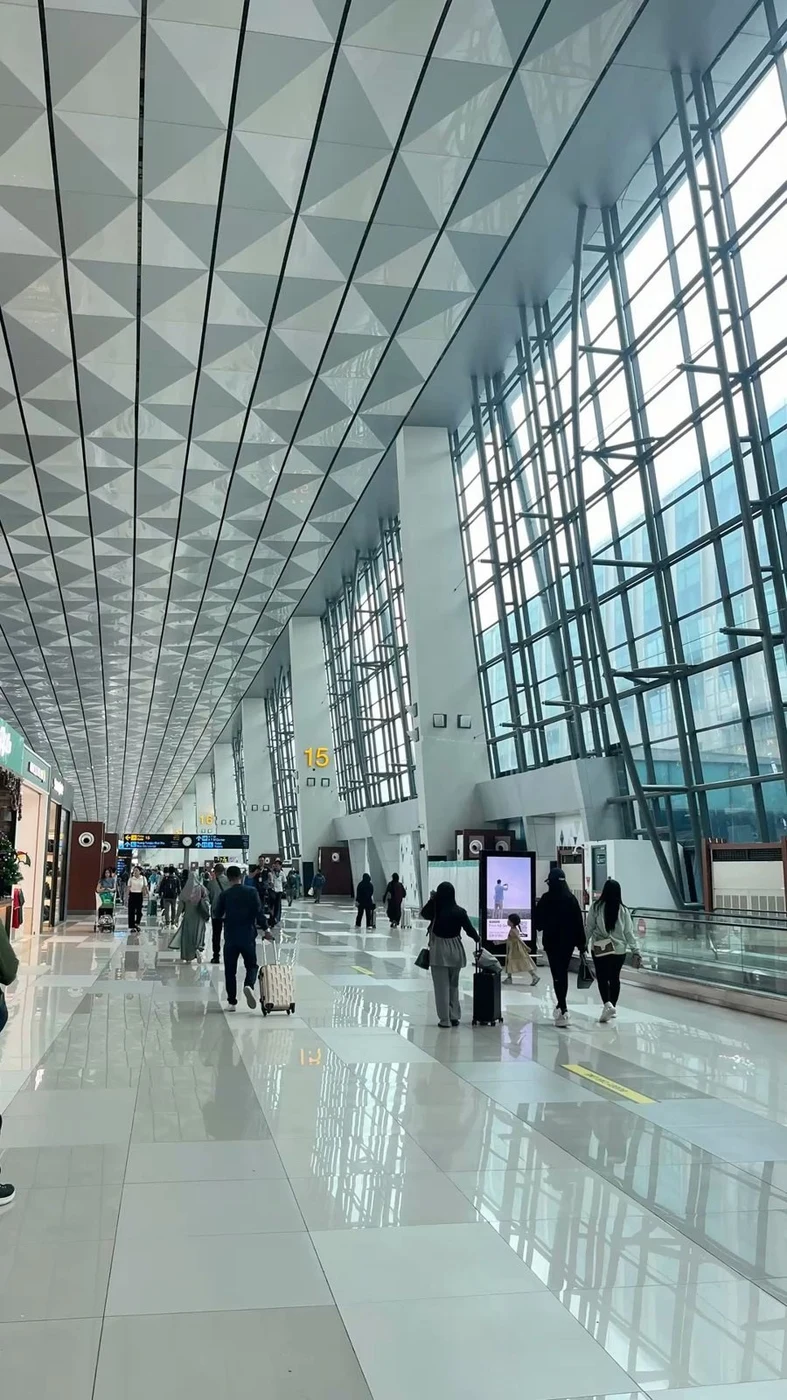
Banned items are confiscated on the spot. Depending on the item and the amount, a fine follows, and for antiques, protected animals or weapons the case can turn into criminal proceedings. If you are unsure about a purchase, ask before check-in, not after it. An officer at the red channel can tell you whether the item goes or stays, and declaring something yourself is always a better position than having it found in the scanner.
The short version: a ten-minute routine before you fly
Everything above fits into one evening. Do it after the shopping is finished and before the bags are locked:
- Lay out every souvenir and sort it: animal, plant, antique, weapon. Anything in those four groups gets a second look.
- Put receipts for art, gold and expensive purchases in your hand luggage.
- Change leftover dong and count your cash against the USD 5,000 line.
- Take fresh fruit out of the bag unless it is dried or sealed.
- Keep medicines in their original boxes.
The official rules sit on the site of the General Department of Vietnam Customs. If you are moving to Vietnam rather than leaving it, the import side is covered in our guide to the duty-free allowance for a move.
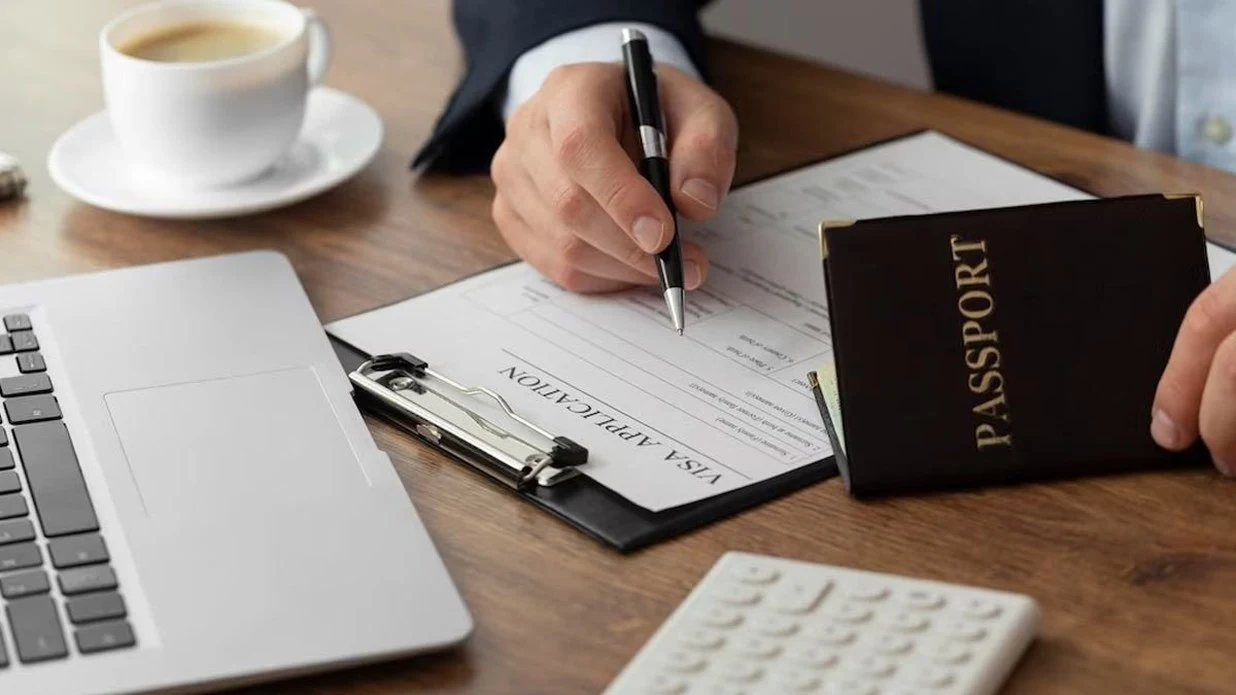
Customs is the last hurdle on the way out, and the visa is the first one on the way back. If you plan to return and would rather not fight with the e‑visa portal, which often rejects foreign cards at the payment step, I handle the e‑visa from the form to the fee, so you only send a passport photo. Message me on WhatsApp with your travel dates and we will work out what fits.
Frequently asked questions
Can I take coral or seashells home from Vietnam? Raw coral is banned, and shells from protected species are too. Beach stalls sell shell souvenirs openly, but a price tag is not a permit, so the safe answer is to leave them on the shelf.
How much cash can I carry out of Vietnam? Up to the equivalent of USD 5,000 or VND 15 million you walk through without declaring. Above that you declare it and keep your exchange receipts. Change leftover dong before you clear security.
Can I take fruit from Vietnam on a plane? Vietnamese customs law does not ban most fruit, but airports and airlines refuse durian, whole coconuts and whole watermelons. Dried or sealed fruit is the easy option, and your arrival country may add its own plant-health limits.
Are e-cigarettes allowed in Vietnam? No. E-cigarettes and heated tobacco have been banned in Vietnam since 1 January 2025, so plan your next entry without one.