A DIY visa run from Nha Trang to Laos through the Bo Y border costs around $15-20 in local transport plus a 50,000 VND unofficial fee some travelers still get asked for at the Vietnamese post, and it eats a full 24 hours door to door. The money is small. The time and the guesswork are the real cost.
How does the Nha Trang to Bo Y route actually run?
There’s no direct bus from Nha Trang to the Laos border. You buy a ticket to Gia Lai (Pleiku) at a local bus company office, get moved onto a sleeper overnight, then catch a local bus the rest of the way to Bo Y the next morning. That second leg costs around 100,000 VND and takes roughly three hours with stops, some of them for cargo, not passengers.

Is Bo Y faster than Moc Bai for a visa run?
No - the Moc Bai border crossing is faster and more predictable if you’re coming from Ho Chi Minh City. Moc Bai runs direct buses and a high volume of daily crossings, so the process is standardized. Bo Y sits further from the main tourist routes, local connecting buses aren’t published on any schedule, and first-timers regularly burn half a day figuring out transfers that regular crossers do in an hour. Bo Y makes sense mainly if you’re already on the central coast and don’t want to backtrack south to Moc Bai or east to Ha Tien.
What happens at the actual crossing?
Between the Vietnamese and Lao checkpoints at Bo Y is a stretch of about 1.5 km each way that most travelers walk, since shuttle transport inside the neutral zone doesn’t run on any fixed timing. The Lao side is usually quick - a 15 or 30-day stamp with no drama. Russians and Belarusians don’t need a Laos visa at all for short stays, so that leg is free.

The friction is almost always on the way back into Vietnam. Some travelers report a border officer refusing to process paperwork until a 50,000 VND “service fee” is paid in cash, despite that not being an official charge. It’s a known pattern at land crossings, not just Bo Y, and arguing about it usually costs more time than the money itself.
What does a guided visa run change?
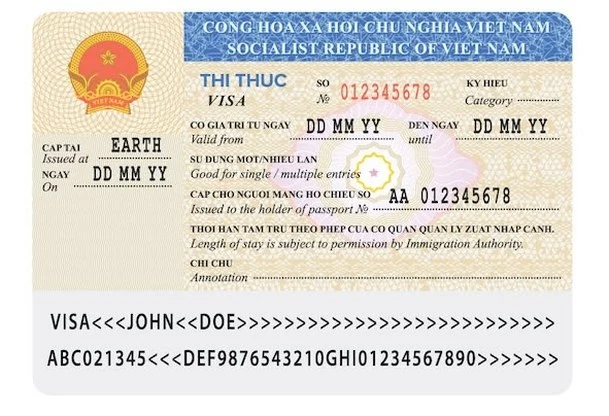
A guided run covers the same ground: sleeper bus, the walk between posts, the stamp. The difference is that someone who does this crossing regularly handles the local transfer schedule and knows which counter to go to first. On our own Bo Y departures, staff walk the group through the crossing itself, which is exactly the point where a solo traveler usually loses either time or cash. E‑visa fees are the same either way: $25 for a single-entry and $50 for a multiple-entry Vietnam e‑visa, paid through the official portal.
How much time should you actually plan for?
Budget a full day each direction if you’re doing it yourself: an evening bus out of Nha Trang, an early-morning transfer at Pleiku, three more hours to the border, then the walk and paperwork on both sides before finding onward transport. A guided departure runs the same 24-hour window but removes the guesswork - you know the pickup point and the return time before you leave Nha Trang. We run this one start to finish — details on our Nha Trang visa run page.
Planning your own Bo Y run and want the pickup points and current schedule instead of piecing it together from old blog posts? Message me on Telegram and I’ll walk you through what our own Nha Trang departures look like this month.