Buying an apartment in Vietnam does not give you residency - ownership keeps you on whatever visa status you already had, same as any tourist. The actual path to a residence card (TRC) is a DT3 investment visa, which requires at least $120,000 in registered capital through a Vietnamese company. If untangling the visa side while you shop for property sounds like a headache, that part’s actually simple to outsource.
Does Buying Property in Vietnam Give You a Residence Permit?
No. Foreigners can legally own an apartment in Vietnam for 50 years, renewable, but ownership carries zero visa rights on its own. I bought on a standard e-visa and stayed exactly where I started - the ownership certificate and the passport stamp are two unrelated documents.
That surprises people because in some countries property purchase does unlock residency. Vietnam doesn’t work that way: the deed proves you own the unit, not that you’re allowed to stay past your current visa’s expiry date.
What Can Foreigners Actually Own in Vietnam in 2026?
Foreigners can buy new-build apartments, villas, and townhouses directly from a licensed developer on any visa, including a tourist e-visa. Ownership is capped at 30% of units in a single building and 10% of villas or townhouses in one project - land itself is completely off-limits to foreign buyers.
The resale market is harder to navigate: you can only buy from another foreigner, through a Vietnamese legal entity, or with a lawyer handling the paperwork. There’s no mortgage option for foreigners either - developers offer installment plans instead, usually 30% down.
Step-by-Step: How the Purchase Actually Works
- Pick a unit from a licensed developer - the primary market is far less complicated than buying resale.
- Pay a reservation deposit, which locks the unit into a preliminary contract.
- Sign the notarized Sales & Purchase Agreement (SPA) - on new builds the terms are set by the developer, not negotiable.
- Pay in installments: roughly 30% down, up to 70% released before handover from a local developer (foreign developers cap this at 50%), then 95% total due at completion.
- Get your pink book (apartments) or red book (houses and land) issued - this takes 6 months to 2 years for new construction, 2-3 months for resale.
- Pay the final 5% after the ownership certificate is in hand. Late payments on any stage carry a 1.5% monthly penalty.
So What’s the Real Path to a Vietnam Residence Card?
A DT3 investment visa needs at least $120,000 in registered company capital and comes with an actual temporary residence card. The smaller DT4 tier, under $120,000, only buys a 12-month visa with no TRC rights - I mixed the two up before I checked the requirements properly.
Setting up the company runs $800-5,000 through a lawyer for a turnkey registration; the government filing fee itself is now $0 when you file online through the national public service portal. Budget for a mandatory annual audit too, $1,500-3,000 a year - that’s an ongoing cost, not a one-time fee. I’ve written up the full DT3 investment visa and TRC process separately if you want the step-by-step; the application itself goes through the immigration department.
This is the stretch where people usually get stuck - the company paperwork and the DT3 review can take weeks, and your existing visa doesn’t pause while you wait. I keep my e-visa current or run a quick border crossing during that gap so nothing lapses through our Vietnam visa and long-stay services - what that side needs from you is just your current visa’s expiry date, so the timing lines up.
How Much Does an Apartment Cost in Vietnam in 2026?
A studio (30m²) in Ho Chi Minh City or Hanoi runs about $100,000 in 2026, at roughly $2,000-4,000 per square meter. Resort cities like Da Nang, Nha Trang, and Phu Quoc price lower, around $1,500-3,500 per square meter, and provincial towns start at $800-1,500.
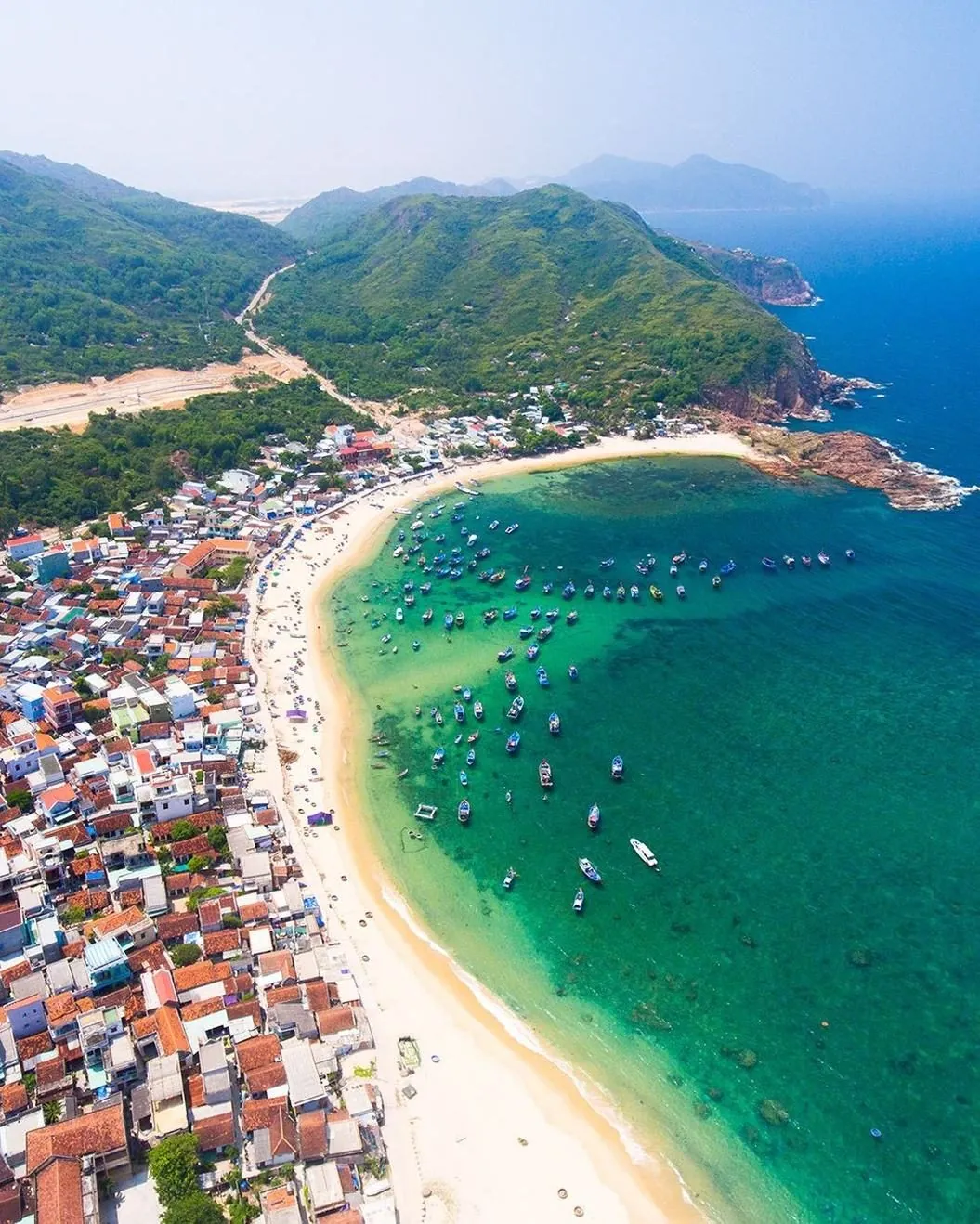
Rental yield in the big cities sits at a modest 2-6% a year, but unit prices themselves climb 8-50% annually as people move from provinces into cities. Resort-area returns swing harder in both directions - up to 100% in peak tourist season, but price growth anywhere from 0% to 200% depending on how the season goes.
Which Route Actually Fits You?
If your goal is just owning a place, the property purchase alone gets you there and costs nothing extra in visa terms. If the goal is actually living in Vietnam long-term without visa runs, the property purchase and the residency application are two separate projects that happen to use the same $120,000 threshold as a coincidence, not a package deal.
If you’d rather sort out the visa side while someone else handles the paperwork, I keep the current visa run and e-visa options on danangvisarun.com, so your property purchase and the residency timeline don’t end up tangled together.