A Vietnam Temporary Residence Card (TRC, Thẻ tạm trú) lets a foreigner enter and exit the country freely without visa runs, for as long as its underlying basis stays valid - a job, a marriage, or an investment.
If sorting out that paperwork yourself sounds like more hassle than you want, there’s a version where someone handles the running-around part for you.
Step-by-step: getting a labor-based TRC
The whole process runs 6-12 weeks and has to happen inside Vietnam - you can fly in as a tourist and start the paperwork, but you can’t begin it from abroad.

- Find a Vietnam-registered employer willing to sign a contract of at least 90 days and sponsor a work permit application.
- Gather your documents: a passport valid for at least 13 months from the filing date, your degree certificate, and a police clearance certificate from your home country - translated into Vietnamese and legalized.
- Your employer files the Work Permit application with the local Department of Labor (DOLISA) - this usually takes 2-4 weeks.
- Once the Work Permit clears, apply for the TRC itself at the Immigration Management Office covering the province where you’ll be living.
- Receive the TRC - typically valid 1-2 years on a labor basis, with visa-free entry and exit for its entire term.
- Renew it 1-2 months before it expires. Let it lapse and the whole process restarts from zero.
What actually holds the process up?
The bottleneck is almost never the employer or the money - it’s translating and legalizing a police clearance certificate from your home country before DOLISA will even open the file. This is where I usually get involved: I pull the document set together, get it to a translator who knows what the immigration office actually wants to see, and follow the file through so a mistranslated middle name doesn’t bounce the whole application. If that’s useful, message me on Telegram and I’ll tell you exactly what your specific passport and contract need.

Which category fits you if a labor contract isn’t an option?
A work-based TRC covers most people, but there are two other legal doors: marriage to a Vietnamese national, or an investment TRC starting at $120,000 (up to 3 years), $2 million (up to 5 years), or $4 million-plus (5-10 years). For anyone without a Vietnamese spouse or that kind of capital, the labor route above is the only one that’s actually reachable - I’ve walked friends through it twice this year, both on hotel and hospitality contracts in Da Nang.
What does holding a TRC actually get you day to day? Visa-free entry and exit for the card’s full validity, and the right to buy property - but not to legally rent it out as a business without a separate license. Citizenship afterward is close to theoretical: it requires five years on resident status plus personal approval from the president, which almost nobody in the expat community actually pursues.
Do you even need this, or does a visa-free stay already cover you?
Depends entirely on your passport and your timeline. Vietnam’s unilateral exemption list runs on different clocks by nationality - Russian passport holders get 45 days per entry, Belarusian passport holders get 30 days per entry, capped at 90 days total per calendar year since the bilateral agreement took effect in early 2025. Once your plans stretch past that window, a TRC is what replaces the visa-run cycle for good. If you’re weighing which route to take, I compared which Vietnam residence permit actually makes sense — the employment, business, and marriage paths side by side — and our Vietnam visa and long-stay services cover whichever one you land on.

What do you do while the TRC paperwork is still moving?
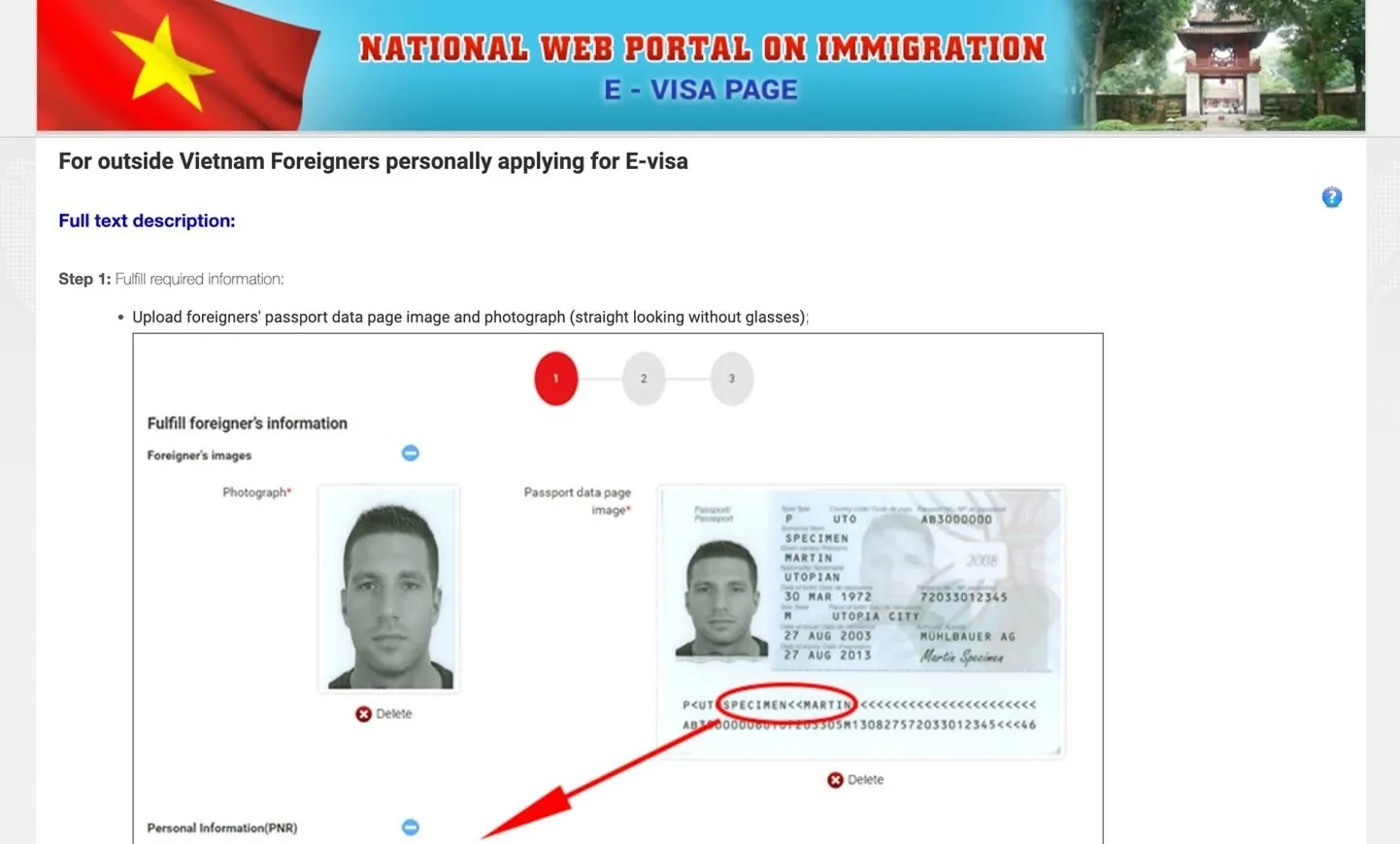
Getting a labor-based TRC can eat up nearly a full quarter, longer than any visa-free window on the list above. Most foreigners bridge that gap with a visa run - a short trip out to Laos or Cambodia and back in on a fresh e-visa ($25 single-entry, $50 multiple-entry, filed at evisa.gov.vn) - to stay fully legal while DOLISA and immigration finish processing everything. The full Temporary Residence Card process — eligibility routes, documents, and fees — works the same way regardless of which visa-free clock you started on.
If you’d rather skip the DOLISA queue yourself and just have someone confirm what your specific passport and contract actually need, that’s what I do day to day - check routes and services at danangvisarun.com, message me on Telegram.