A visa run from Vietnam is a short hop across the border to Laos or Cambodia that resets your 45-day visa-free stay and earns a fresh entry stamp. The cheapest land route runs about $85–115 and eats a single long day; a flight to Bangkok is faster but pushes the bill past $185. I’ve done the Da Nang run more times than I can count, so here’s what actually works in 2026 rather than the forum noise.
The 45-day clock and why travelers reset it
Russians get 45 days visa-free in Vietnam, and once that stamp runs out you have two honest choices: leave for good, or leave for a day and come back. The visa run is the second one. You step out of the country, your stay ends, you walk back in as a tourist, and the clock starts again. Nothing in the immigration rules caps how many times you can do it — which is exactly why winterers, freelancers and slow travelers lean on it instead of chasing a long-stay visa.
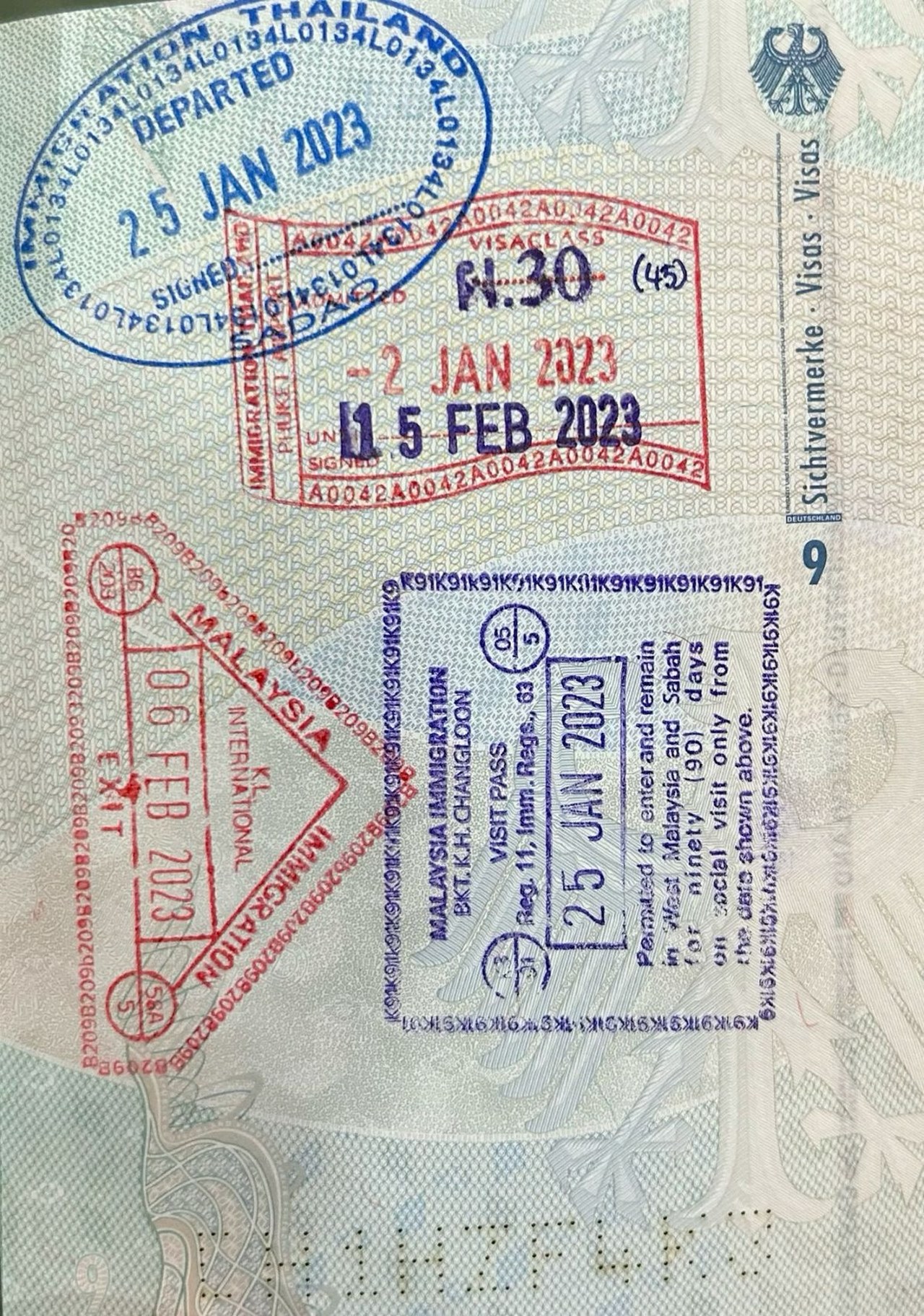
It’s legal, but it isn’t an automatic right. The officer at the window decides, every single time. Five or six back-to-back entry stamps spaced 45 days apart will eventually raise an eyebrow, so the trick is to keep looking like a tourist, not a resident working off tourist stamps.
Three doors out: Laos, Cambodia, or a quick flight
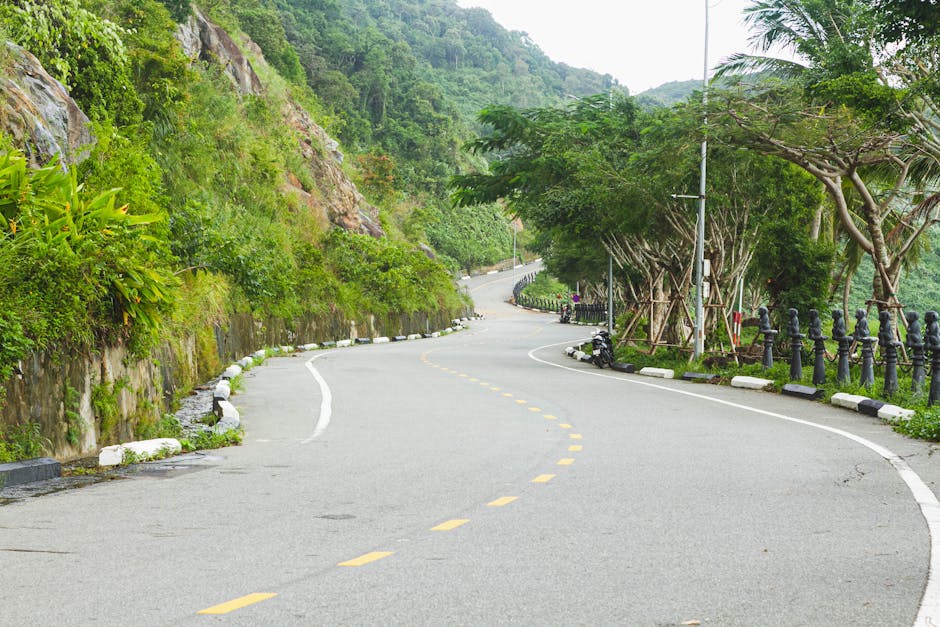
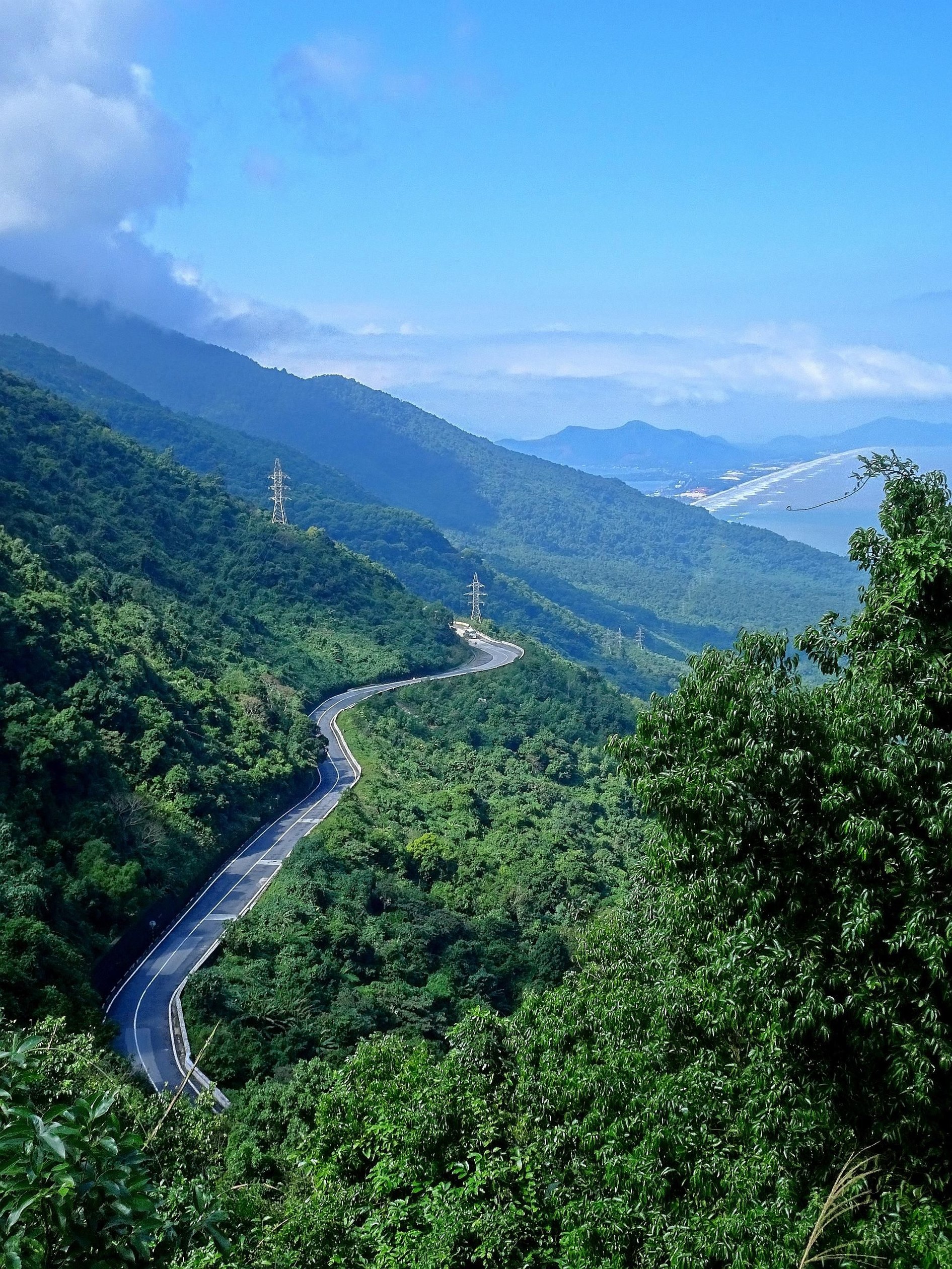
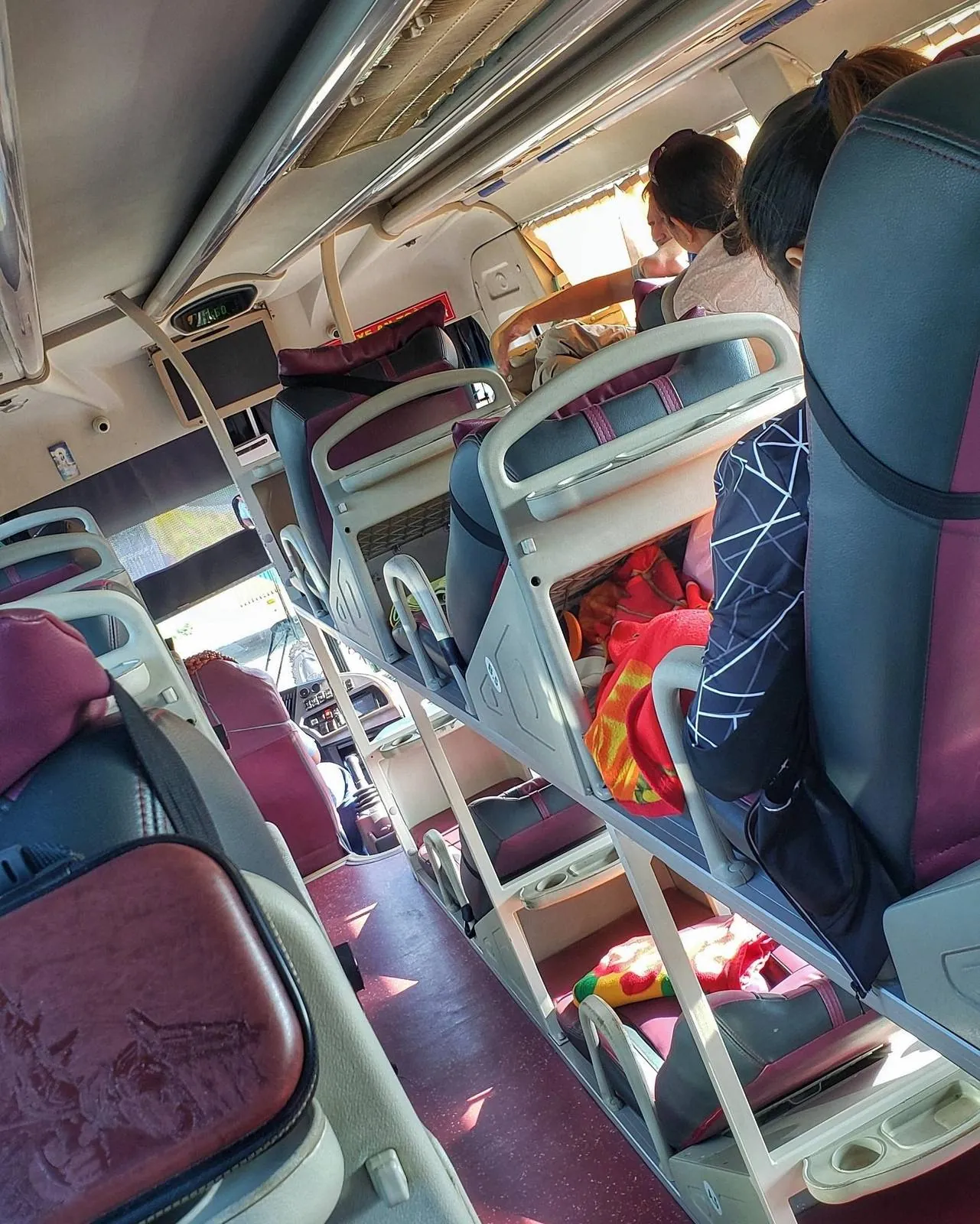
Where you live in Vietnam decides your door. From central Vietnam — Da Nang, Hoi An, Hue — the classic move is Laos via the Lao Bao crossing. It’s 4–6 hours by sleeper bus to the border, the post is calm, and you can turn it around in a day.

From Saigon and the south, Cambodia is closer: the Moc Bai–Bavet crossing is only 2–3 hours out, and there’s also a far-southern option through Ha Tien. The Cambodian side can feel more chaotic, with drivers collecting passports and adding a small “service” markup at the border.
The third door is the air run: a cheap return flight to Bangkok or Kuala Lumpur. Air passengers draw fewer questions at passport control, but you pay for that comfort.
Working out which door, which bus, and getting the new e-visa approved before you set off is exactly the part I take over from the Da Nang side. I run the Lao Bao day door-to-door — pickup, the crossing, and the fresh e-visa checked before we leave so nobody gets turned back at the post. Message me on Telegram with your dates and I’ll sort the whole day.
What a land crossing costs versus a flight
Here’s the honest math. A Laos land run from Da Nang breaks down as roughly $30 for the round-trip bus, $40 for the Laos arrival visa, $5–10 in unofficial stamp fees on both sides, and about $10 for food on the road — call it $85–100. A Cambodia run from Saigon lands around $90–115 once you add the bus company’s border “help.” For a deeper line-by-line, I keep a full cost breakdown on the blog.
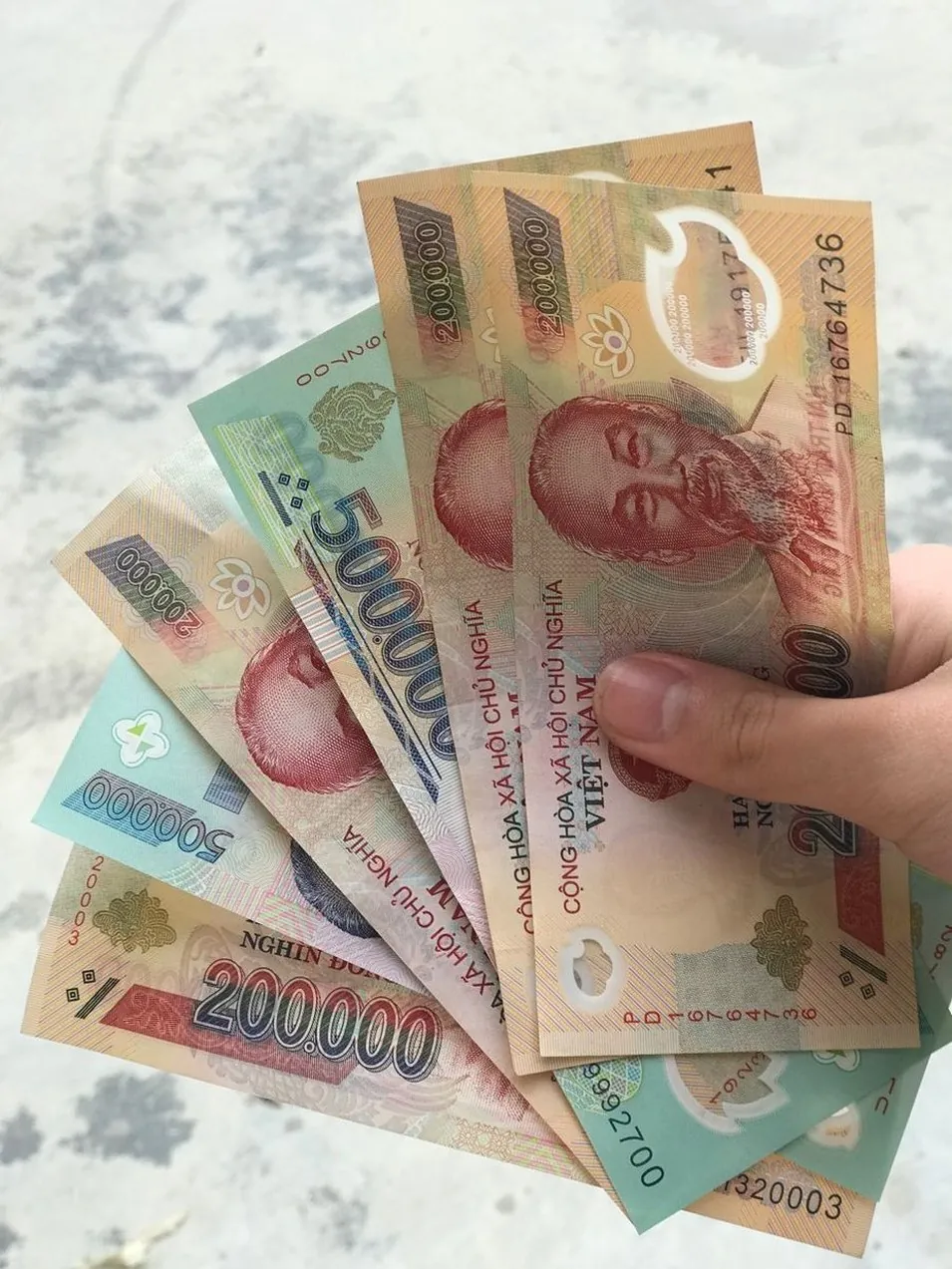
The Bangkok flight is the outlier: around $150 return on a budget carrier, plus $20 in airport transfers and $15 for food, so $185 and up. Land is cheaper, air is faster — that’s the whole trade.
Border-day playbook, start to finish
- Leave 5–7 days before your stamp expires. A broken-down bus or a slow queue on the last day turns into an overstay fine.
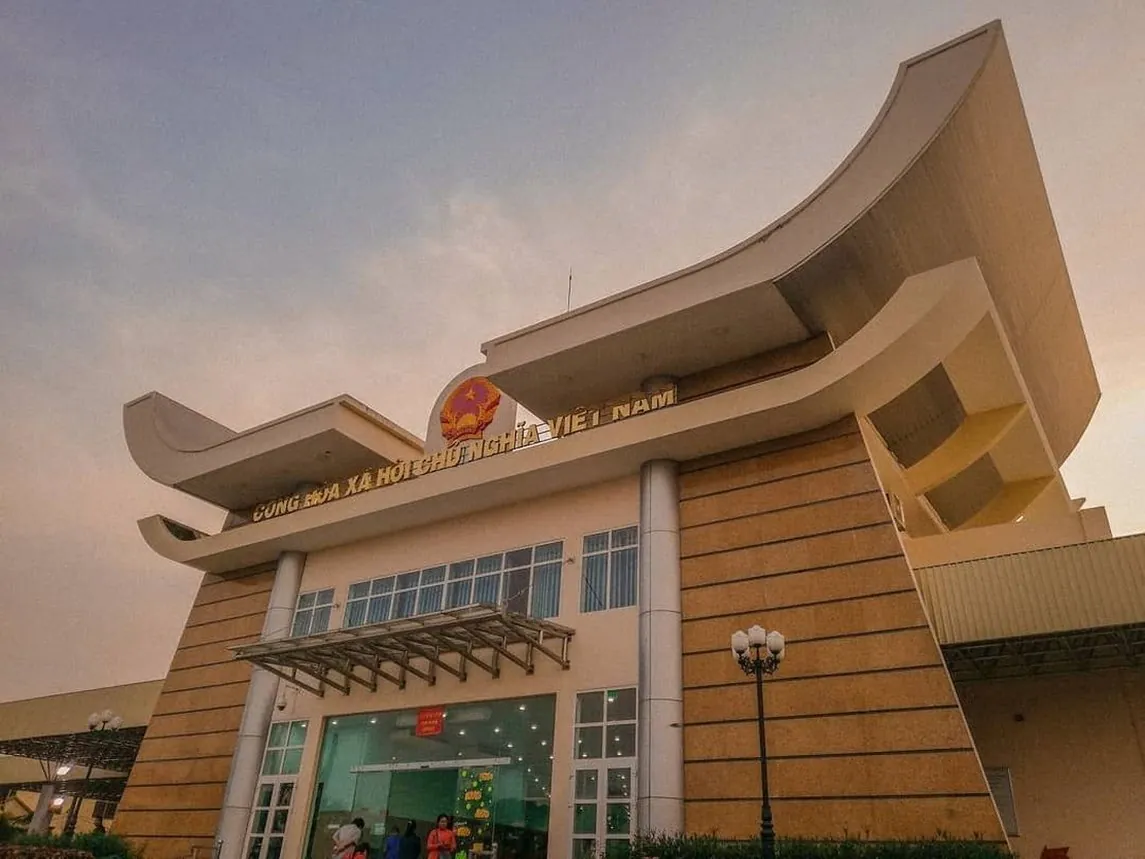
- Exit Vietnam: hand over your passport at the land post and collect your departure stamp.
- Cross the neutral zone — about 500 metres on foot or a $1 motorbike shuttle.
- Enter Laos or Cambodia: fill the arrival card, pay the visa in small USD bills, hand over a photo, get your stamp — then walk straight to the exit window.
- Re-enter Vietnam: fill the arrival card, stay calm and friendly, say “tourism,” and show your hotel booking.
- Check the date on your new stamp before you leave the window. Mistakes are rare but impossible to fix later.
Mistakes that turn a quick trip into an overstay
The expensive errors are boring ones. Going on the last possible day. Carrying only large bills when the fee is a single dollar. Arguing with an officer — the officer is always right. Showing up in beach shorts looking like you’ve lived here a year. And travelling with no return ticket or hotel booking, which is the fastest way to invite questions. Print the booking, dress like a tourist, smile, and keep small dollars in your pocket. Ruling out that last-day gamble is half of what our visa run service from Da Nang does before you even leave the house - the date and the border get locked in well ahead of the deadline.

Is a visa run still worth it with the 90-day e-visa?
For some trips, no. The 90-day e-visa is great if you’re staying one long stretch and not leaving — but it’s single-entry, so the moment you exit Vietnam it’s dead. If you’re a winterer who hops around the region, the visa run is still cheaper and more flexible than re-buying e-visas. I usually let Best Bus run the Lao Bao trip when my stamp is burning and I can’t spare the energy; otherwise I do it myself.
Planning your first run? You can book the whole thing through us at danangvisarun.com, or reach me directly:
- Telegram: message me for help with e-visas, renewals and visa runs.
For the official rules, check the Vietnam Immigration e-visa portal before you travel.
Frequently asked questions
How much does a visa run from Vietnam cost?
A land run to Laos or Cambodia runs about $85–115 all-in. A flight to Bangkok pushes it past $185.
Can I do a visa run in one day?
Yes — the Da Nang–Lao Bao land run is doable from early morning to late evening, though it’s a long day.