A visa run to Moc Bai from Da Nang takes two days and runs about $80–120 round trip: a night sleeper down to Saigon, the local 703 bus to the border, a $30 cash visa for Cambodia, and a fresh Vietnam stamp back the same afternoon. Here’s exactly how I did it, what I handed over at each booth, and the one spot where the guard tried to charge me more.
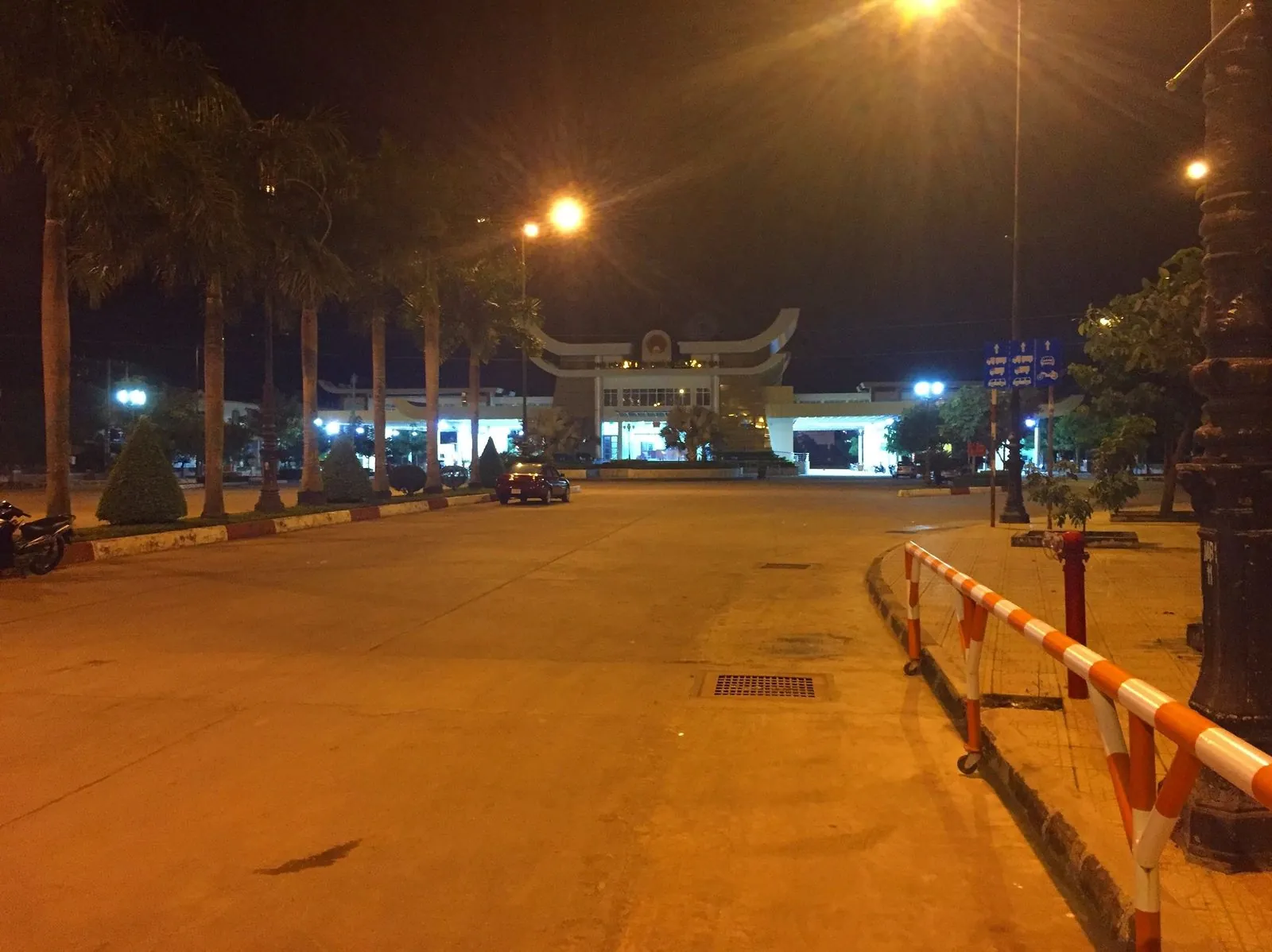
One thing up front: Moc Bai is the Vietnamese side, and the Cambodian post across from it is called Bavet. From Da Nang it’s not a quick hop — the crossing sits roughly 70 km northwest of Saigon, so every route to it starts by getting yourself south first.
Why Moc Bai is the crossing most expats pick
Of the land borders, Moc Bai is the busiest and the smoothest. It’s paved, air-conditioned on the Vietnam side, and the queues actually move. Next to the horror stories from other Southeast Asian land crossings, this one is calm. Da Nang folks heading to Laos usually use Lao Bao instead, and if you’re down on Phu Quoc, Ha Tien is closer — but if Cambodia is your exit and you want the easiest stamp, Moc Bai is the one.

Quick reality check for 2026: Vietnam’s 90-day multiple-entry e-visa, live since 2023, means a lot of people don’t need a border run at all anymore. I make the trip when I’m on a single-entry visa that’s about to expire, or when I want to reset my stay cleanly - which is exactly the day our visa run service from Da Nang is built around.
Getting from Da Nang down to the border
Two real options. A night sleeper bus to Saigon — around seventeen hours, cheap, and you sleep through most of it. Or a one-hour flight that costs more but saves your back. I took the bus, boarded in the evening, woke up in the south.
From Saigon’s bus station you grab city bus 703. It runs straight to Moc Bai, takes about two and a half hours, and the ticket is pocket change — roughly 40,000 dong. The first 703 out of Saigon leaves at 05:40 and the last at 19:15, every 30 to 60 minutes. Coming back, buses from the border start around 08:30, so go early.
This is the part I usually take off people’s hands. I put you on the Da Nang sleeper, line up the 703 timing so you’re not stranded at Moc Bai after the last bus back, and make sure your Vietnam re-entry e-visa is live before you leave — message me on Telegram with your dates and I’ll price the round trip for you.
Step-by-step: crossing Moc Bai in a single day
- Catch the 703 at Saigon bus station early — it drops you at the border in about 2.5 hours.
- Walk to the checkpoint. It’s a five-to-ten-minute stroll, so wave off the motorbike touts.
- Clear the Vietnam exit booth and get your departure stamp.
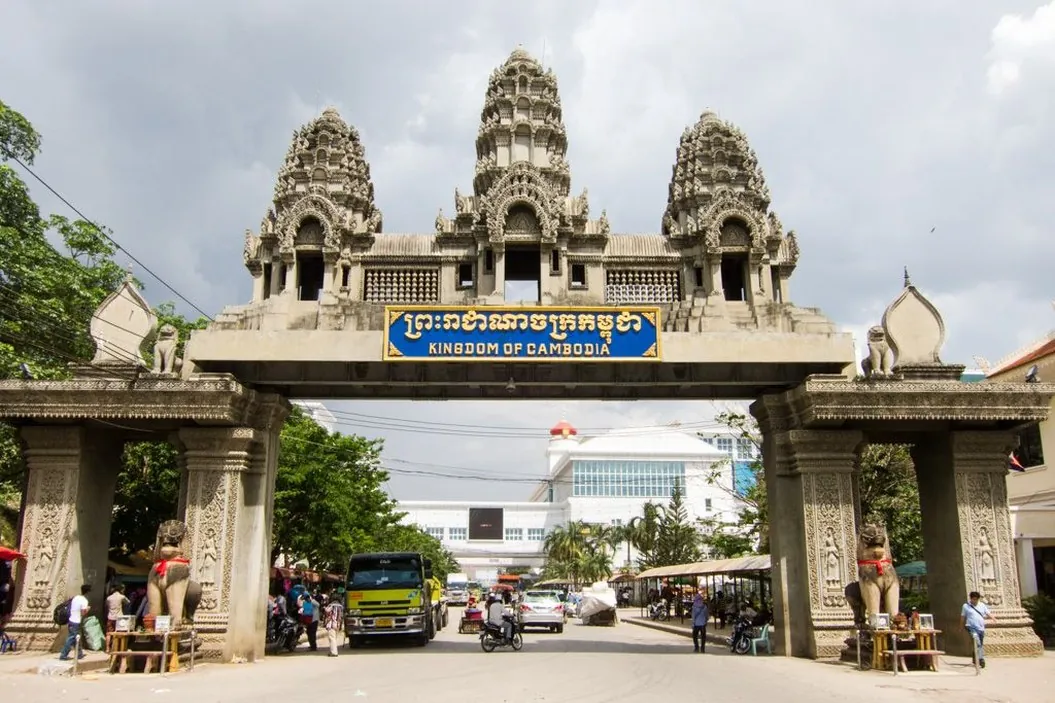
- At Bavet, fill the English arrival card and slip exactly $30 in small bills into your passport.
- Collect your visa, confirm both stamps are there, and step into Cambodia for all of two minutes.
- Turn around, clear Vietnam entry, and ride the 703 back to Saigon.
The Cambodian side and the $32 trick
Here’s the quirk. The Cambodian visa is $30 if you write a Cambodian address on the card, and $32 if you leave it blank. It makes no sense, but the officer won’t budge. I wrote down a real address I pulled off my phone and paid the thirty. Lesson: break your dollars into small bills before you go, because change from a big note rarely comes back.

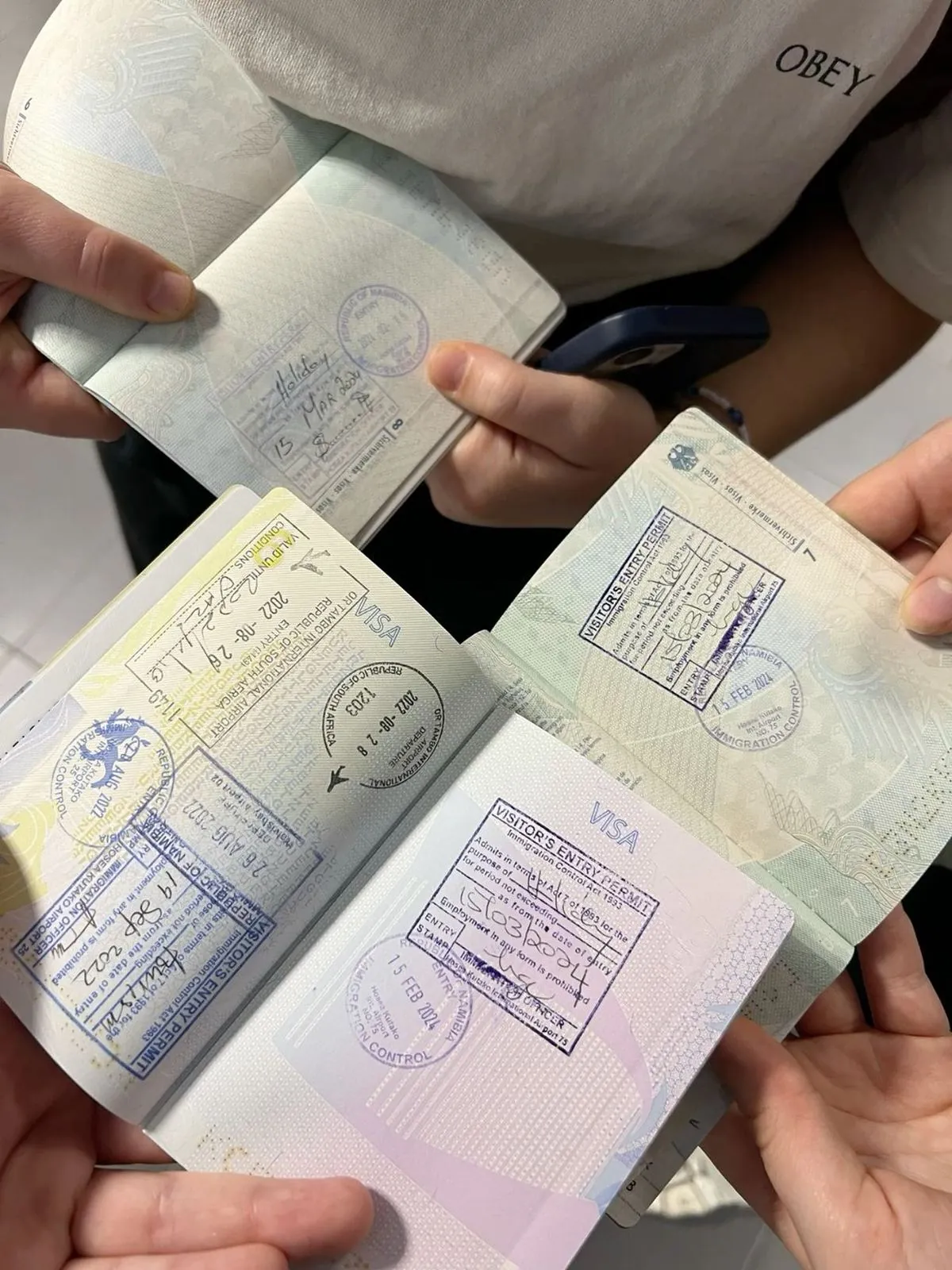
On the way out, check your passport for two Cambodian stamps — one oval, one octagonal. If you only got one, you’ll be sent back to the line. Hints about paying a couple of dollars to “speed things up” do happen; if you’re not in a rush, you wait your turn and pay nothing extra. You’ll spot a building marked Casino right at Bavet — locals can’t gamble at home, so the border does the job.
Timing it right: bus hours and the holiday trap
The 703 runs all day, but the smart move is going early so you’re not racing the last bus back. Avoid April 30 — Vietnam’s Reunification Day. Prices on the Saigon sleepers jump around that date; my return ticket cost more purely because of the calendar.

A quick prep checklist before you go
- Passport with blank pages, plus a clear plan for your Vietnam re-entry visa
- A stack of small US dollars — singles and fives — for the $30 Cambodia visa
- A fresh e-visa printout if you’re not on a multiple-entry visa
- A phone with data for the address card and the bus maps
- Snacks and patience for the long Saigon legs
Questions before you go? Book through us at danangvisarun.com, or I’m happy to help directly:
- Telegram — message me for Vietnam visa help: e-visa, renewal, visa run.