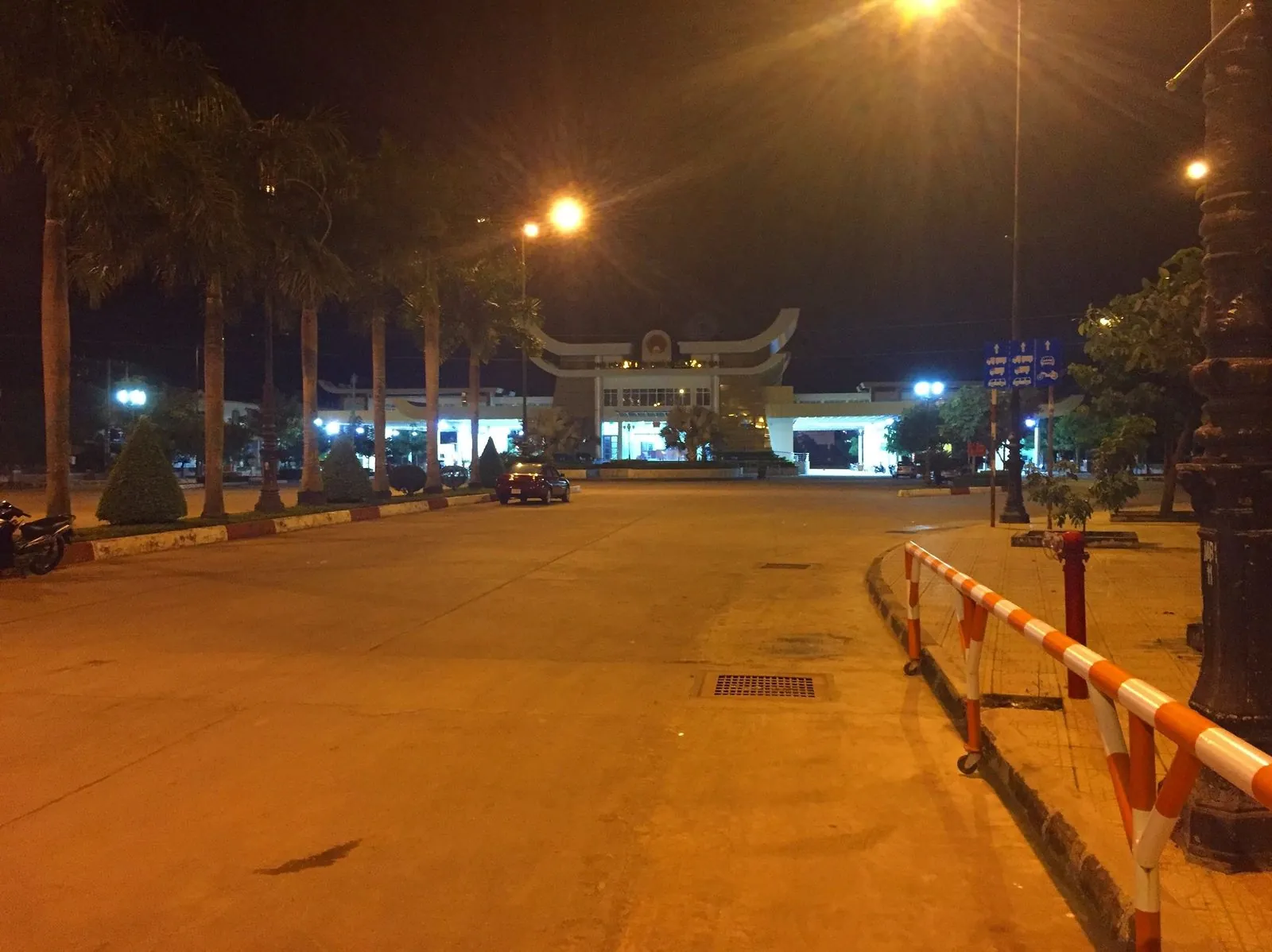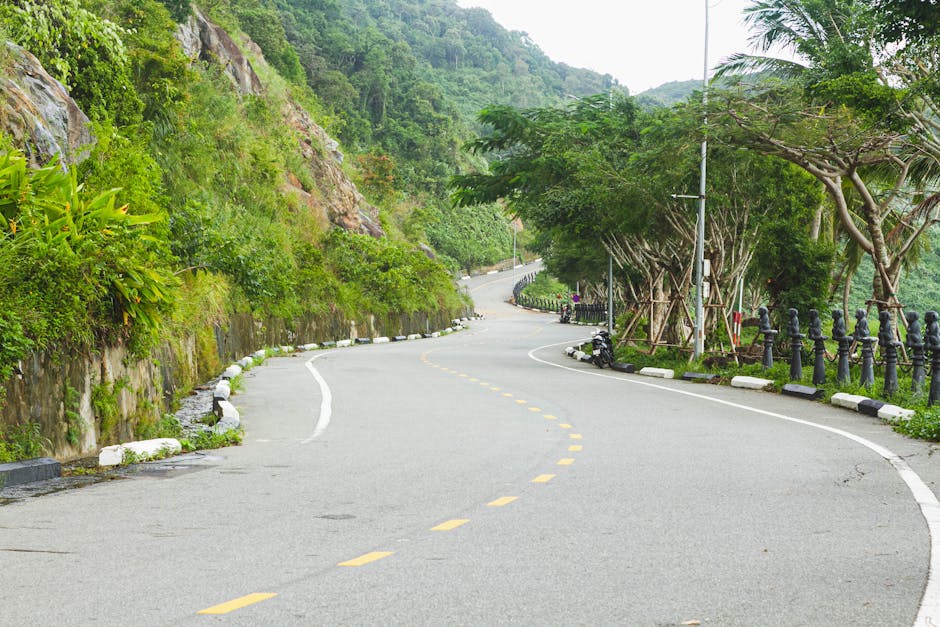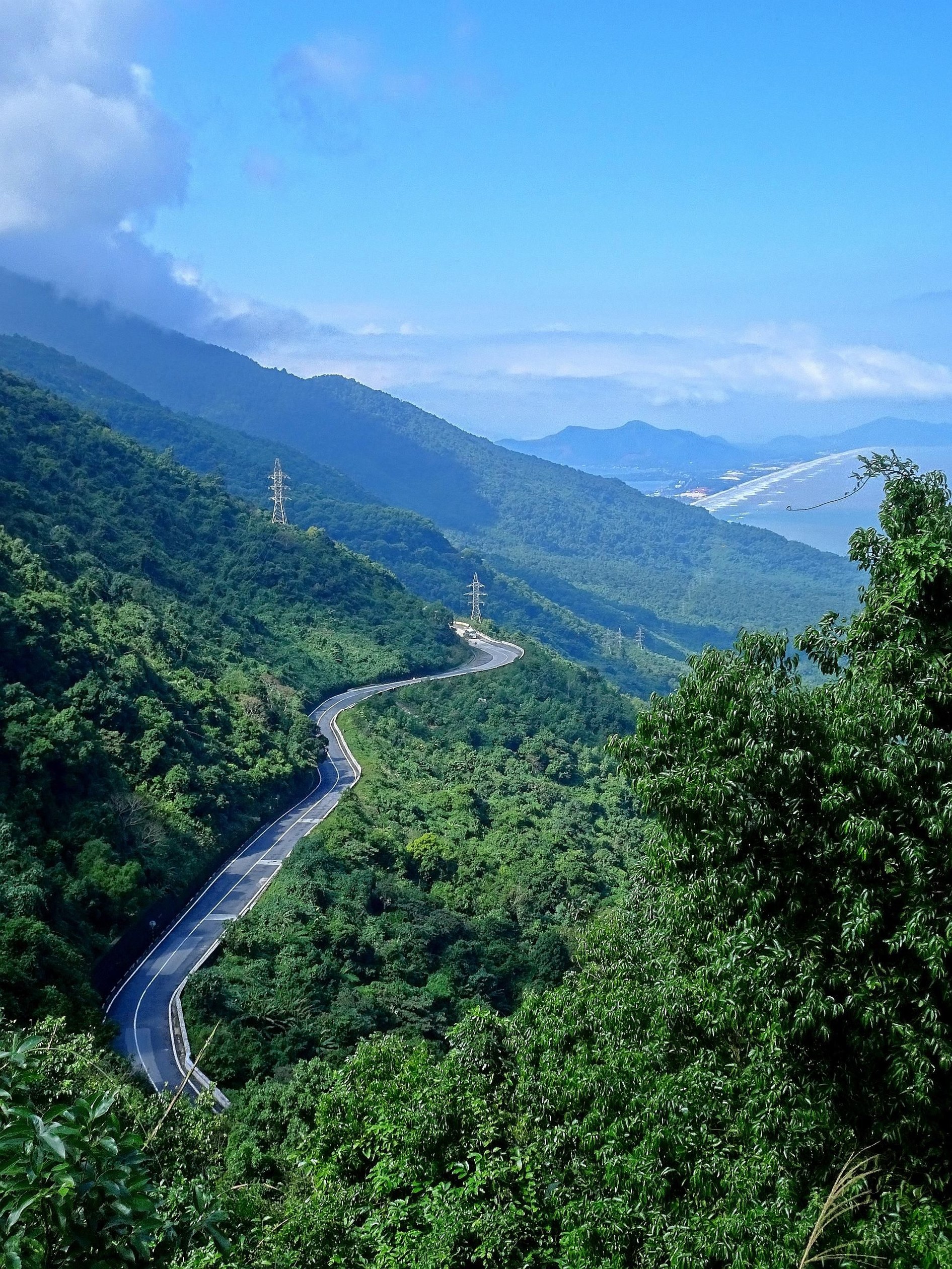
The Lao Bao border crossing is one long day — roughly 12 hours door to door and about $39–42 all-in from Da Nang. The detail that catches people out: Vietnam doesn’t do visa-on-arrival at land borders, only at airports. So whatever gets you back into the country — an e-visa or a valid multiple-entry visa — has to be sorted before you leave.
I’ve done this run enough times to stop dreading it. Here’s the honest version of how the day goes, with the numbers and the small stuff nobody tells you up front.
What a Lao Bao Run Actually Buys You
Lao Bao is the closest land crossing to Da Nang, about 250 km north in Quang Tri province, and it leads to Dansavan on the Laos side. For a visa run it beats flying out: cheaper, no airport, and you’re back the same evening. If you’re weighing it against other options, I keep my full Laos visa-run notes in one place too.

For most travelers the Laos side is a formality. Russians and plenty of other nationalities don’t need a Laos visa for this — you fill in an arrival form and get a 15-day stamp. The point isn’t Laos. The point is the fresh Vietnam stamp on the way back in.
The Drive North from Da Nang
Sleeper buses leave Da Nang early — around 6:30 AM, with a later run too. There are usually two pickup points in the city, so grab your seat ahead of time. Bring coffee; the first stretch is for sleeping. It’s a different sleeper route than the longer Hanoi to Da Nang haul, but the same logic on pricing applies: a lower bunk and a reviewed operator beat chasing the cheapest fare.
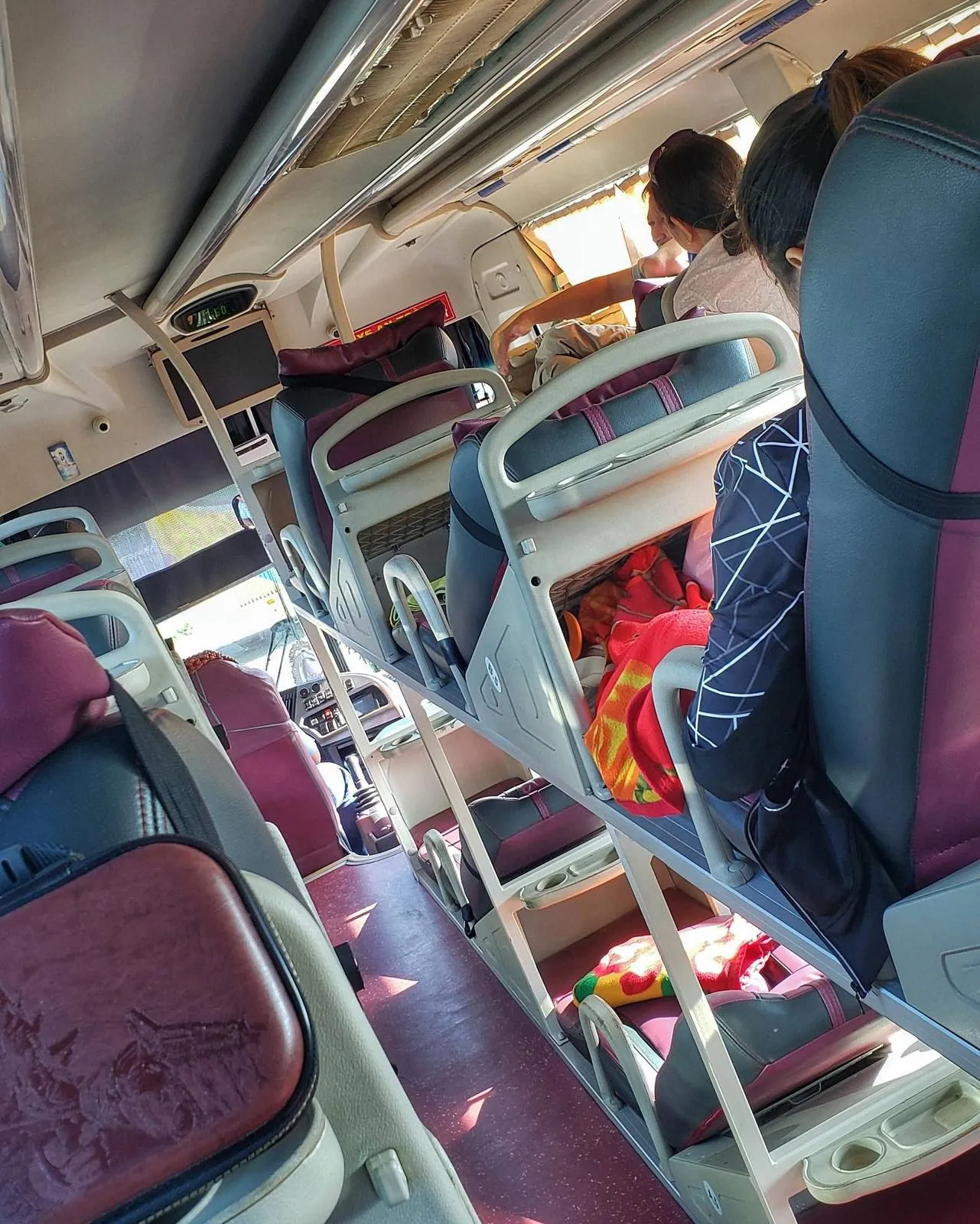
Around 8:30 there’s a stop near Hue at a gas station — free toilet, a small shop, a chance to stretch your legs. You reach the border itself around 11:30 and get off the bus. From there it’s on foot.
This is the part people underestimate: the Lao Bao crossing itself is easy, but a return stamp is worthless without an e-visa that’s already approved before you board. That’s what I sort — I get the e-visa done in time, put you on a sleeper where the AC actually works, and point the driver at the right drop-off — message me on Telegram with your dates and I’ll price the day for you.
Walking the Border, Booth by Booth
The crossing is on foot and takes me about 90 minutes. Step by step:
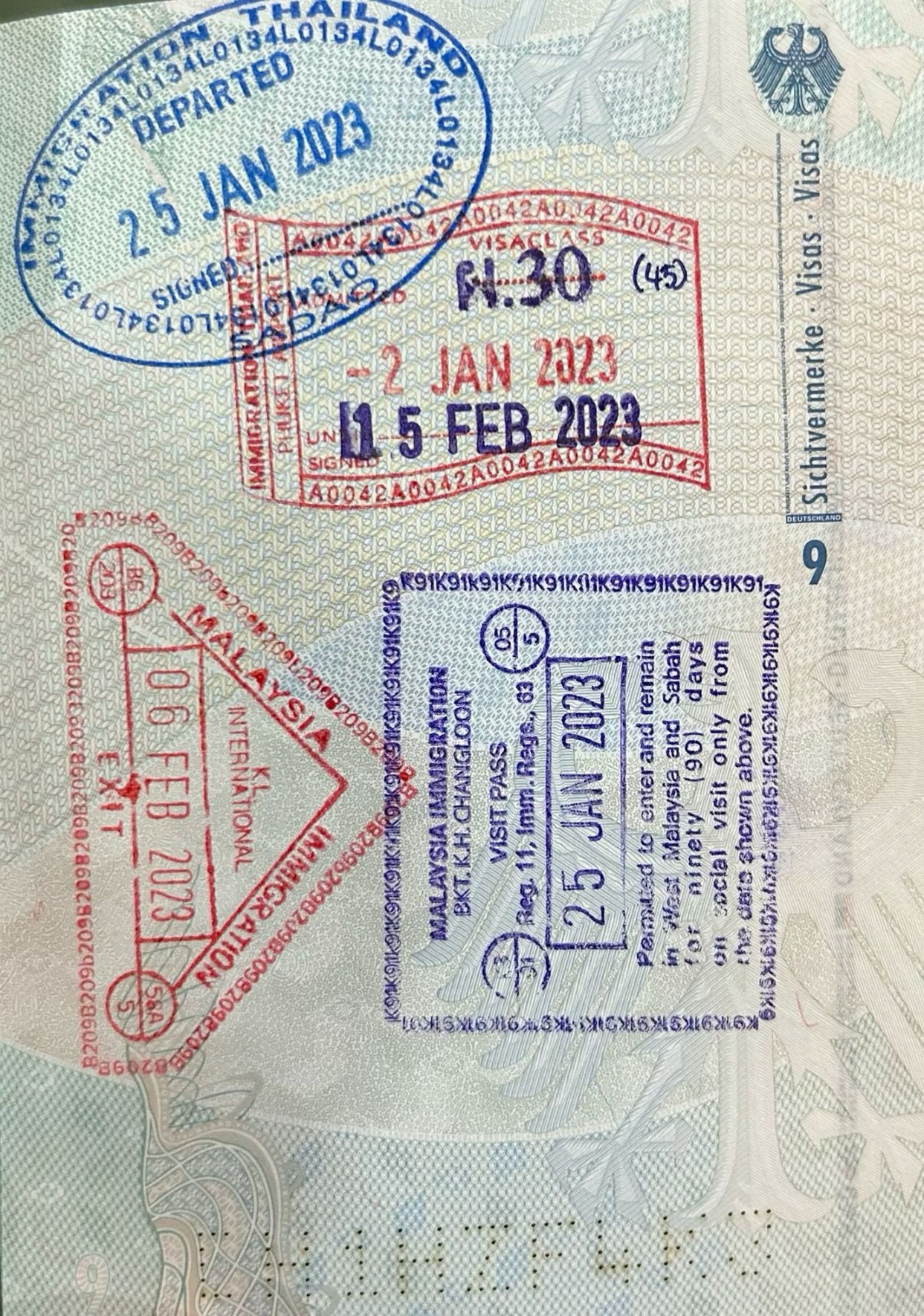
- Document check before the immigration zone — keep your passport in hand.
- Vietnam exit stamp, fee around 50,000 dong.
- Walk through the arch and a quick check.
- Fill in the Laos arrival form — bring your own pen so you’re not waiting on someone else’s.
- Laos entry stamp, around 50,000 dong.
- Laos exit stamp right after, another 50,000 dong or so.
- Back through the arch and another check.
- Vietnam entry stamp, around 50,000 dong again.
- Final check on the way out — and you’re back in the country.
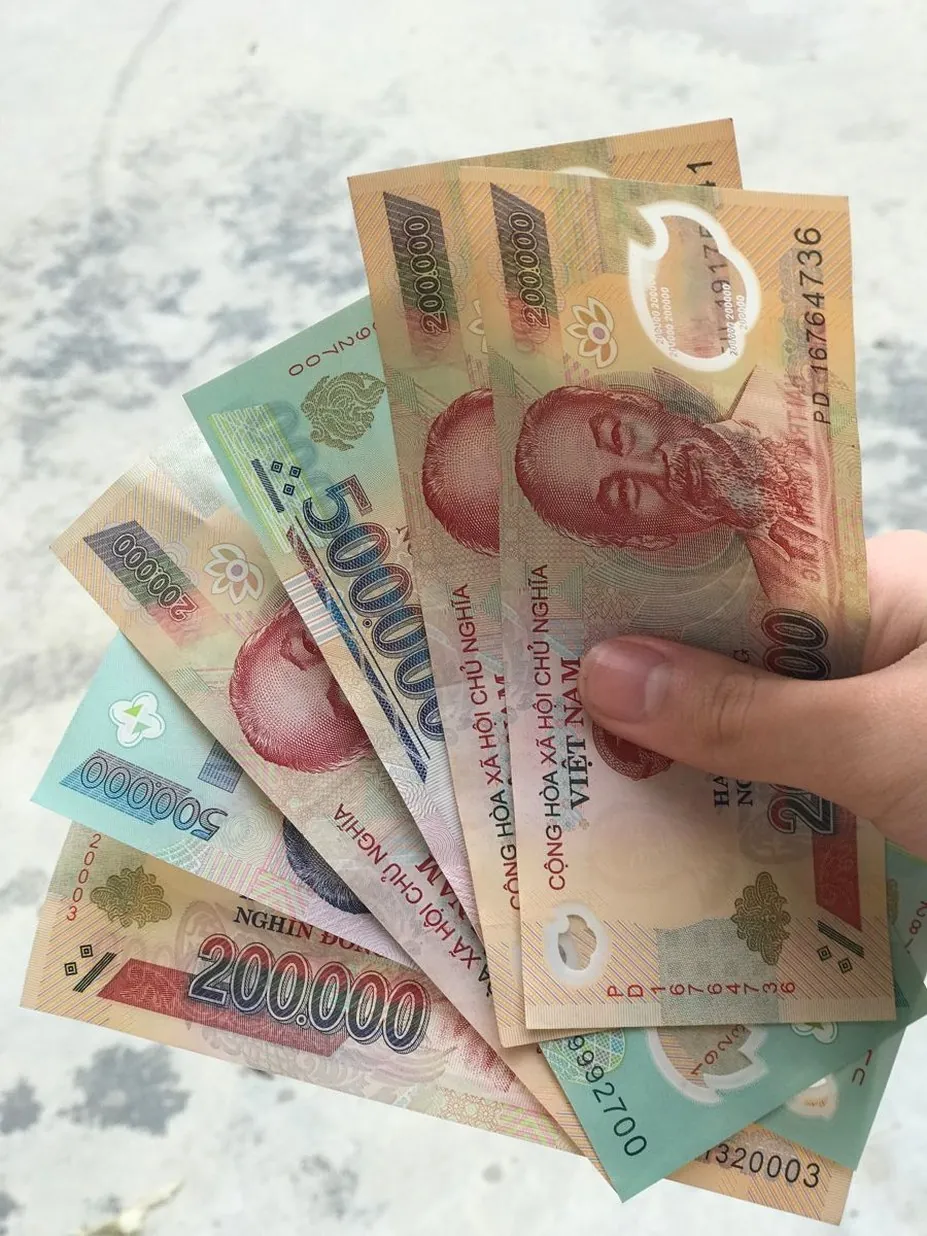
Border fees come to roughly 200,000 dong total. Small amounts, but keep low-denomination notes handy so you’re not hunting for change at every window. One thing this run won’t fix: if you’ve already slipped past your visa date, fixing a Vietnam overstay at Lao Bao is a separate process — handle that first.
Counting the Cost in Dollars and Dong
Here’s the real math: transport runs around 250,000 dong each way, border fees about 200,000 dong, and lunch on the Laos side maybe 50,000 dong. That lands you at the $39–42 I mentioned. If you want the line-item version, I broke down the full cost of the Laos run separately.
Where not to cut corners: your Vietnam re-entry. An e-visa you didn’t sort in time turns an easy day into an expensive scramble at the counter. Expedited e-visas run about $80 and land in 2–5 hours; the standard route is 3–5 business days, and you apply on Vietnam’s official e-visa portal. I always leave a buffer, and building that buffer in automatically is exactly what our visa run service from Da Nang does, so the scramble never reaches you.
One more thing — change money in the city before you go. The rates at the crossing are brutal. I tried once and won’t again.
The Pack List I Wish I’d Had First Time
Bare minimum: passport, cash in small notes, a pen, water, and a snack. Then the nice-to-haves: a neck pillow and a light blanket (the bus AC runs cold), a power bank, a rain jacket, wet wipes.

The classic first-timer mistake is buying random “tourist” tickets from whoever’s selling and trusting the money changers at the border. I fell for both the first time. Now I stick to my own plan and buy nothing extra at the crossing beyond the official fees.
For the bus itself I usually take the Best Bus sleeper — fair price, the AC actually works, and the driver knows the drop-offs. But honestly, the brand matters less than having your return visa ready before you board.
We pull out for home around 1:30 PM, stop near Hue again, and I’m back in Da Nang by 6:30 PM with a fresh stamp.
Runs like this one are the price of staying on tourist status. If you’re past the point of doing this every few months, it’s worth checking what actually replaces it: a long-stay setup that skips the border runs entirely, or — if you’re past working age — the retirement visa route, which drops the border question altogether. And once you’re staying long enough to need banking, opening a local bank account usually comes up right after the visa question does.
If You Want a Hand
The run isn’t hard, but the details are where people lose time and money. If you’d rather hand it off, book through us at danangvisarun.com or reach me directly:
- Telegram — message me for visa help: e-visa, renewals, visa runs.