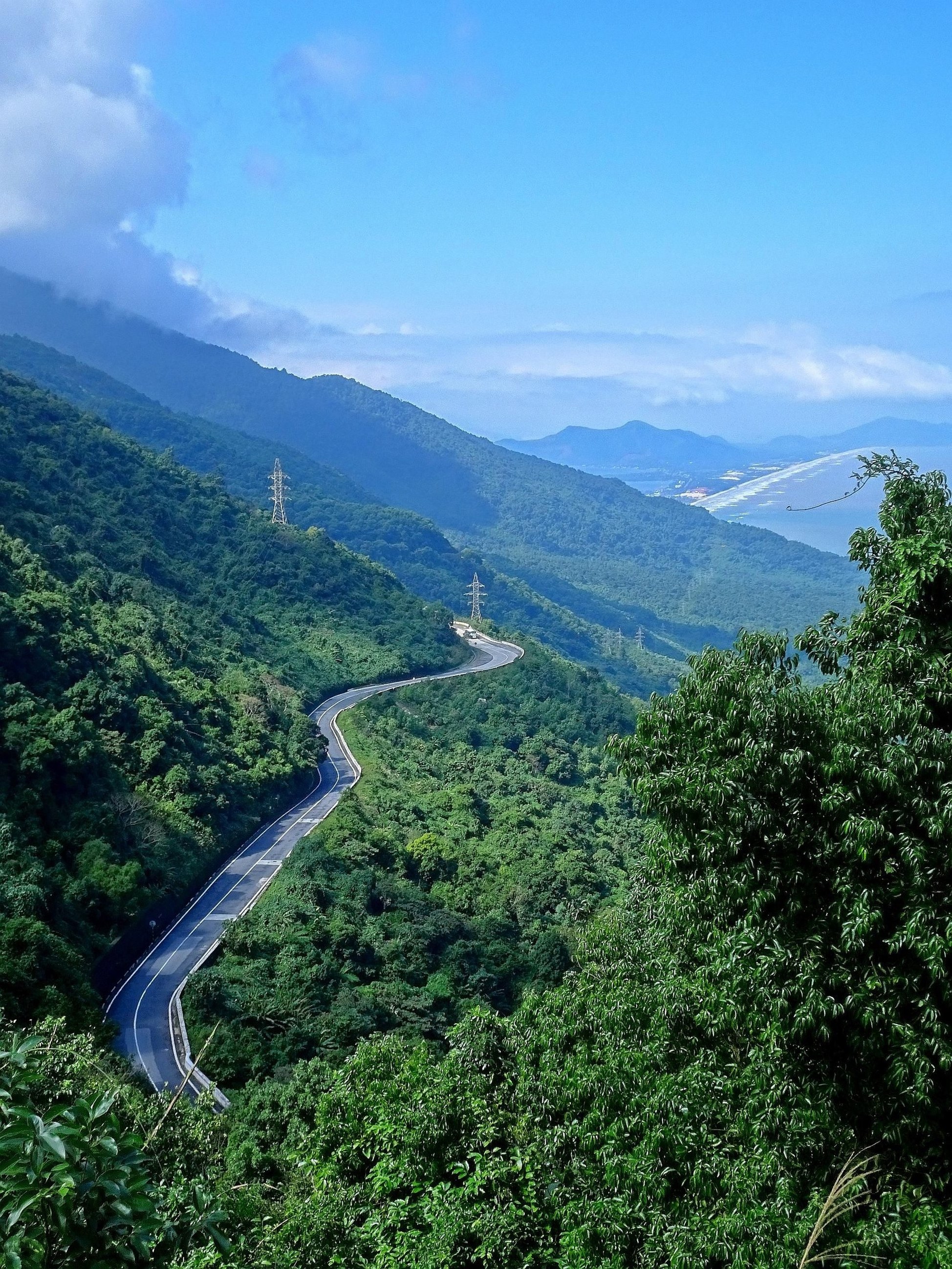
A Hanoi to China visa run is a one-day trip to the Huu Nghi border gate near Lang Son — about 170 km and three hours north of Hanoi. You exit Vietnam, cross to the Chinese side, and roll back into Hanoi by night, either visa-free or on a fresh same-day e-visa depending on your passport. A visa run always means genuinely leaving Vietnam for the neighbouring country and returning — you can’t do one without entering another country. If you’d rather not juggle the paperwork yourself, the whole run can be handled door-to-door.
Here’s what the day looks like for a traveler doing it for the first time.

What is the Huu Nghi visa run, exactly?
Huu Nghi is the main land crossing between northern Vietnam and China, sitting in Lang Son province. On a visa run you walk out through the Vietnamese checkpoint, get your exit stamp, cross to the Chinese side and clear their immigration, then walk back and re-enter Vietnam — either visa-free or on a brand-new e-visa, depending on your passport. You do actually enter China to do this; a visa run isn’t possible without stepping into another country. Whether you need a Chinese visa comes down to your nationality — many travellers get visa-free entry at this border, which is exactly why the route is so handy, so check your own status before you go.
For anyone based in Hanoi whose visa is running out, this is the closest land option: 170 km north instead of a flight to Laos or Cambodia. If you’re further south, the usual land runs are the Lao Bao crossing into Laos and the Moc Bai crossing into Cambodia instead.
How early do you leave Hanoi?
Pack light: a passport and a pen are all you need on you. The pen is for the migration form at the border; everything else — your passport details on the application, the government fee — is handled by the organizer.
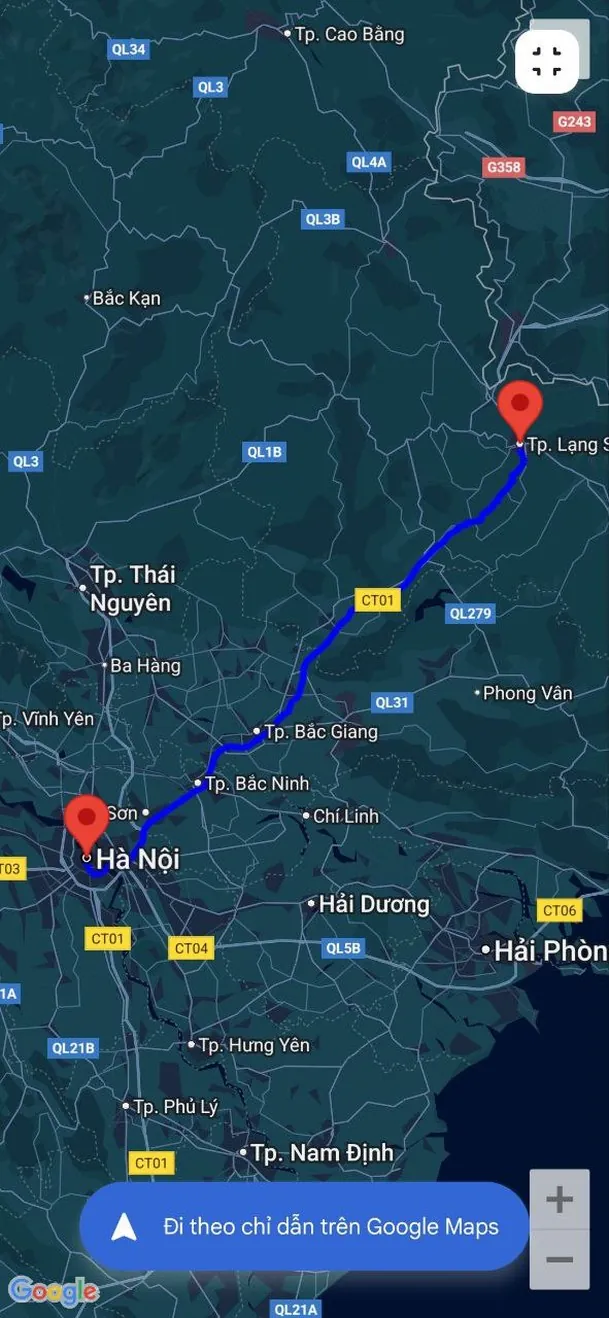
There are two departure options. A minivan picks up around 6:00 AM (be ready by 5:00), collecting passengers across Hanoi. Or a bus leaves at 8:00 AM with the official departure from the station at 9:00. Either way the drive is roughly three hours up the CT01 expressway through Bac Ninh and Bac Giang to Lang Son, with one rest stop at a gas station along the way.
What happens at the Huu Nghi border gate?
You reach the bus station around 1:00 PM. From there it’s about 700 meters to the gate itself — you can walk, or grab a golf cart for around 12,000 VND per person, paid to the driver on the spot.
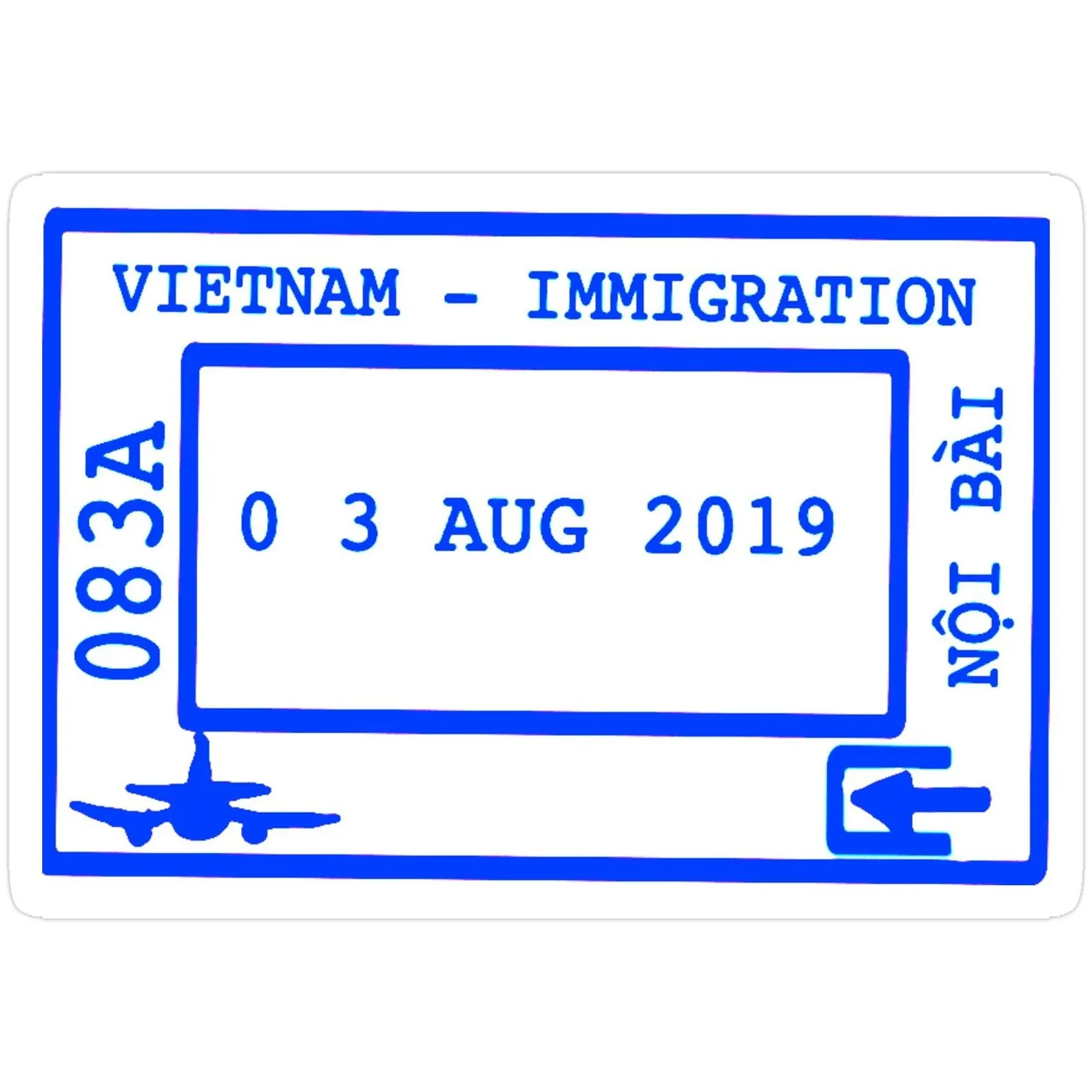
At the Vietnamese checkpoint, show your passport and get your exit stamp. If you’re returning to Vietnam on a new e-visa, the single most important move of the day is to immediately photograph that exit stamp on the first page of your passport and send it to the trip’s group chat — no fingers in frame, no glare, the whole data strip and stamp clearly visible. That photo is what triggers your new visa. (On a visa-free return you can skip it — just cross and come back.) Then walk roughly 800 meters to the Chinese side, present your passport, fill out the two-part migration form, and hand it to the officer. Walk back the same way toward the Vietnamese gate while you wait.
Do you need a Chinese visa for this run?
It depends on your passport. You do cross into China to complete the run, so you have to be eligible to enter — many nationalities get visa-free entry at the Huu Nghi crossing, which is exactly what makes this route convenient. Don’t assume; check your own visa-free status for China before the trip.
If you’re returning on a new e-visa, once it lands in the group chat you head into the checkpoint building, hand over your passport, show the visa on your phone screen, and they stamp you back in. Step out, cross the border, and you’re back in Vietnam.
How long does the whole day take?
Plan for a full day, early morning to late night. On a typical schedule the e-visa is issued around 5:00 PM, the return bus leaves about 6:00 PM, and you’re back in Hanoi near 9:00 PM. From a 6:00 AM pickup that’s roughly 15 hours door to door — and almost all of it is the drive, not the border itself. Here’s what matters if you’re cutting it close: a standard e-visa takes about 7 days to process, and you’d have to wait those days outside Vietnam. Expedited same-day processing — a few hours — is what keeps the whole run to a single day, and lining that up before you leave is exactly what our visa run service from Da Nang sorts out in advance. The e-visa government fee is a separate official charge: $25 for single entry, $50 for multiple.

Should you just book it as a package?
The route isn’t hard, but it’s easy to lose the whole day to a small slip: a blurry stamp photo, a card the e-visa portal rejects, the wrong entry point on the application. For a first run, I’d skip the stress and let people who do this route daily handle the logistics and the visa — you just show up and collect your stamps.
If you’d like it done for you — application filled, fee paid on a card the portal actually accepts, and you walked through to the entry stamp — message us and we’ll work out your situation.
- Best Bus — danangvisarun.com — sort your visa run, e-visa or transfer straight on the site
- Telegram @learnx1000 — message me about visas, e-visa and visa runs, we’ll figure it out