Tajikistan isn’t on Vietnam’s visa-free list, so every trip — even a long weekend — needs an e-visa locked in before departure. The process itself is short: $25 for single entry or $50 for multiple, both good for 90 days, issued in about 3 working days at evisa.gov.vn. I’ve walked friends from Dushanbe through this from my end in Da Nang, so here’s exactly how it plays out in 2026.
What a Tajik passport gets you at the border
Short version: nothing automatic. Tajikistan isn’t on Vietnam’s visa-exemption list, so a Tajik traveller can’t just fly in and get stamped for free. Even a one-week beach trip to Nha Trang needs a visa arranged before you board the plane. The rule is identical for neighbouring passports — citizens of Kyrgyzstan and Uzbekistan face the same e-visa requirement, with no visa-free window.
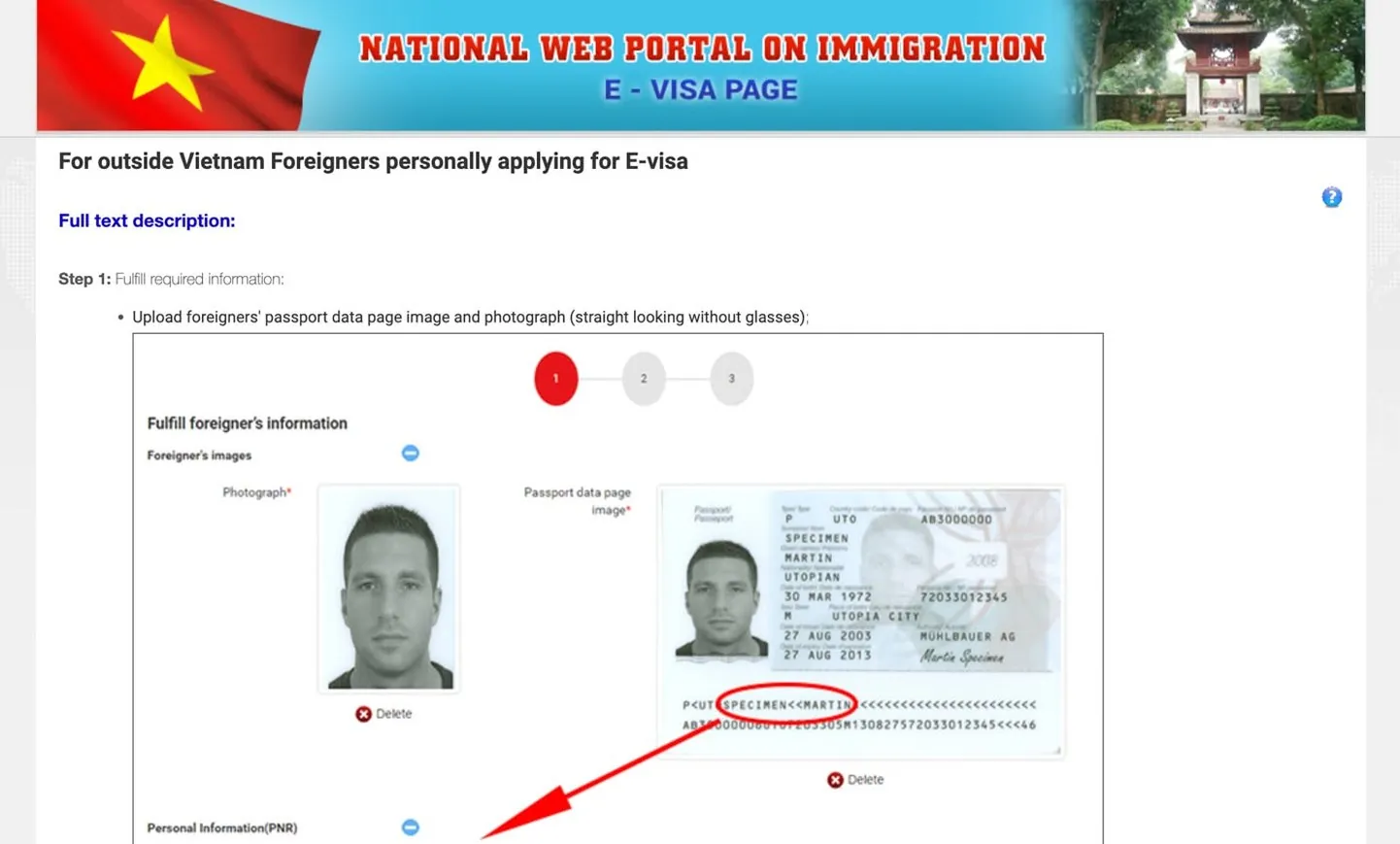
The good part is you never visit an embassy. Since 2023 Vietnam issues e-visas online to citizens of every country, Tajikistan included. The visa is fully electronic, tied to your passport number, and good for 90 days. The border officer just pulls it up from the database when you land.
The e-visa, priced and timed
The government fee is fixed: $25 single entry, $50 multiple entry. Single is enough for a normal holiday. Multiple makes sense only if you plan to hop out to Cambodia or Laos and come back during the same trip. Processing officially runs up to a week, but a clean application with no typos almost always clears in the 3 working days evisa.gov.vn quotes upfront.
That’s the whole official cost — the $25 or $50 the government takes. Everything above it is service work, so the question isn’t whether an agency charges more than the state does, it’s what the difference buys. A site that just re-skins the portal form and forwards your data adds a markup and nothing else; that’s the kind to walk away from.
If babysitting the portal isn’t how you want to spend the week before a flight, that’s the part I take over: I lock the right entry point, catch the mistakes that get applications bounced, and pay the fee on my card when yours won’t go through. Best Bus runs the standard version for $55, government fee included, on an up to 5 business days turnaround. Flying sooner than that is a different product, not a discount — the rush tiers are $100–120 depending on how little runway is left, and they exist because someone has to sit on the application instead of queueing it. Message me on Telegram and I’ll tell you what your case actually needs.
Filling out evisa.gov.vn step by step
- Open the official site, evisa.gov.vn — not a look-alike clone with a similar address.
- Fill the form: passport details, travel dates, your arrival airport. Upload a passport scan and a plain white-background photo.
- Pay the fee with a Visa or Mastercard. A Tajik bank card works fine; Russian “MIR” cards are rejected by the portal.
- You get a confirmation email with an application code.
- After 3 working days the visa arrives as a PDF. Screenshot it to your phone.
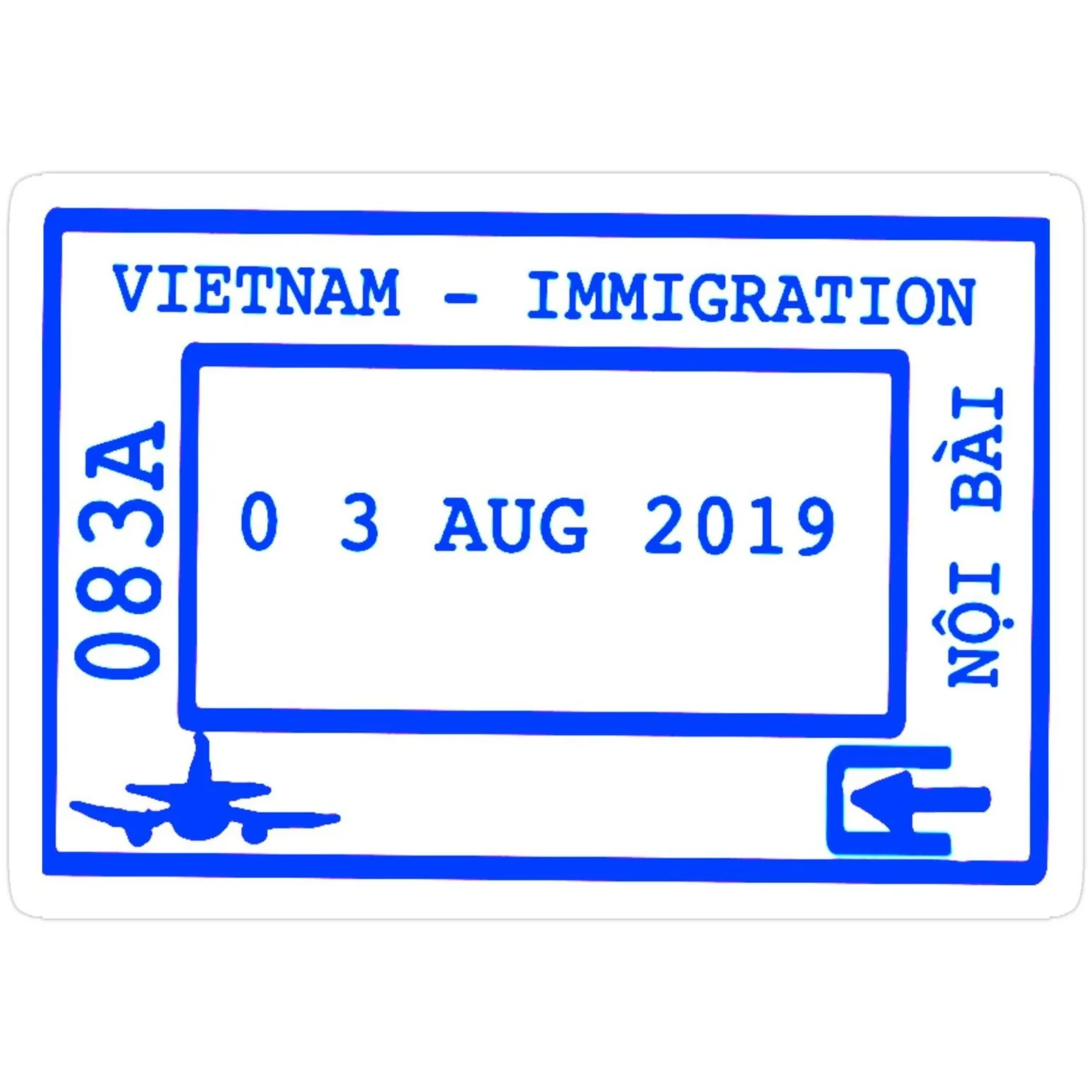
One thing that trips people up: your passport must be valid for at least 6 months from your entry date, or the application bounces — renewing a Tajik passport takes longer than most people budget for, so check the expiry date before you even open the visa form. That’s one of the checks we run automatically inside our visa run service from Da Nang, before a single dollar gets paid.
Phu Quoc: the one place you can skip the visa
If your whole trip is Phu Quoc island, you don’t need a visa at all. Vietnam lets anyone — Tajik passport holders included — stay on Phu Quoc visa-free for up to 30 days, as long as you fly straight to the island and don’t cross to the mainland. Land on Phu Quoc, relax, fly out: no paperwork. The second you want Ho Chi Minh City or Da Nang, you’re back to needing the e-visa.

Airports and crossings where the e-visa is valid
The e-visa works at a fixed list of entry points, not everywhere. Airports include Tan Son Nhat (Ho Chi Minh City), Noi Bai (Hanoi), Da Nang, Cam Ranh (Nha Trang) and Phu Quoc. Land borders include Moc Bai, Lao Bao, Ha Tien and Lao Cai. If you’re flying into any major airport, you’re covered — they’re all on the list. Pick the wrong one on the application anyway and it locks in regardless — match it to your actual boarding pass, not a rough guess.
Can you apply once you’re already inside Vietnam? No. The e-visa is built for people outside the country at the time of applying. Sort it before you fly, ideally a week ahead, so a slow review never threatens your trip.
If you’d rather have a real person handle the visa, the transfer and the border, here’s where to reach me:
- Best Bus — danangvisarun.com — sort your e-visa, extensions and visa runs straight on the site.
- Telegram @learnx1000 — message me about your e-visa, extensions and visa runs end-to-end.
Frequently asked questions
Can a Tajik citizen enter Vietnam visa-free?
No. The visa waiver covers Russia and Belarus (45 days) and Kazakhstan (30 days). Tajik passports always need an e-visa arranged before the flight.
How much is the Vietnam e-visa?
25 USD single entry, 50 USD multiple entry — the government’s own fee on evisa.gov.vn. Best Bus’s flat rate for the full-service version is 55 USD with that fee included, on an up to 5 business days turnaround. If you fly sooner than that, the rush tiers run 100–120 USD depending on how little time is left.