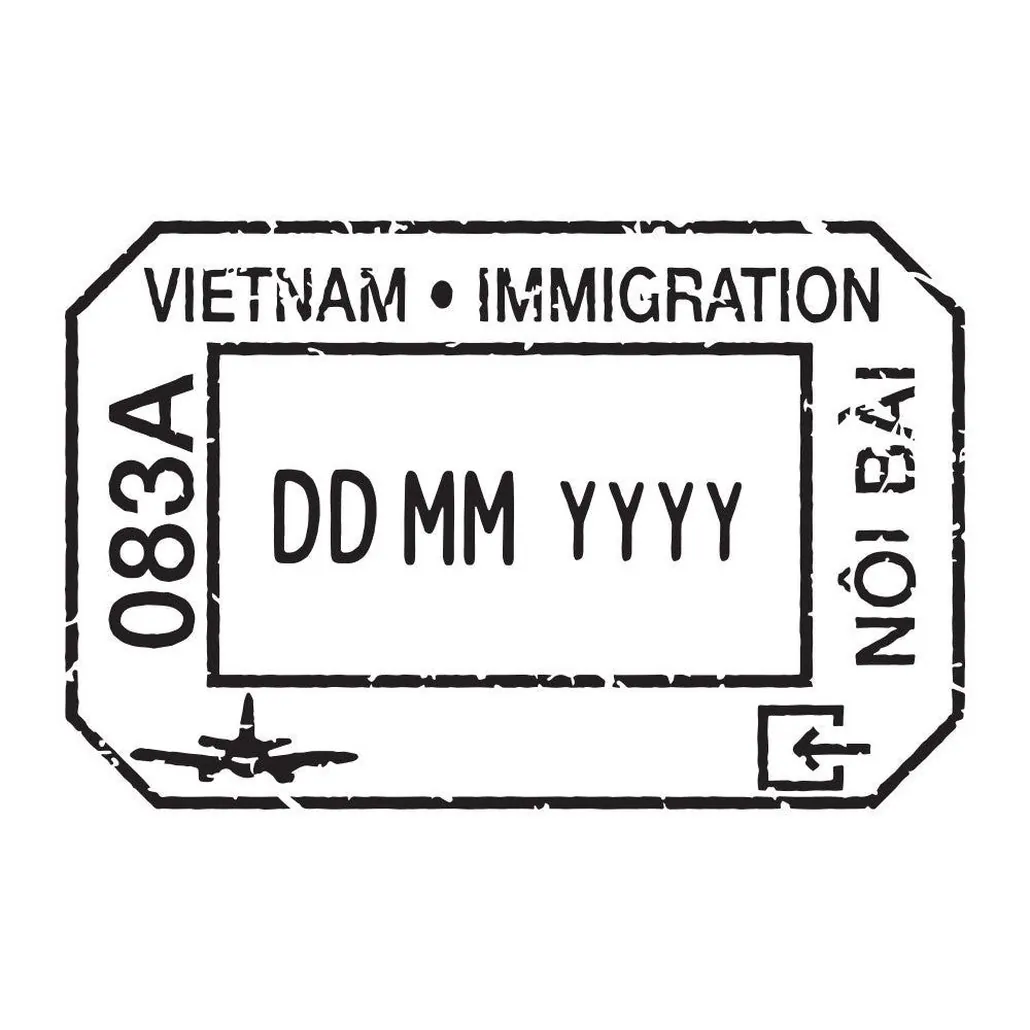
Vietnam visa on arrival is not free, and for most trips you don’t need any visa at all. Land at Da Nang with a passport valid for 6+ months and a return ticket, and you get a free 45-day entry stamp on the spot. The “visa on arrival” that agencies push actually requires a pre-paid approval letter ($10-30) before you fly. I take this route a few times a year, so here’s what genuinely works at the airport in 2026 — and what to skip.
The 45-day stamp: what most travelers actually need
Since 15 August 2023, the visa-free stay was bumped from 15 to 45 days. That covers nearly any holiday and even a scouting trip before a longer move. You need two things only: a passport with 6+ months left and an onward or return ticket.
One point people still get wrong: the old rule that made you wait 30 days before re-entering visa-free was removed by Law 51/2019/QH14, in force since 1 July 2020. Nipping over to Bangkok for three days and coming back on a fresh 45-day stamp is legal today. In practice, border officers do notice obvious back-to-back hops, so don’t build a long stay on it — that’s what the 90-day e-visa is for.
Visa on arrival is a trap at the airport — here’s why
The visa-on-arrival stamp itself is free at the counter. But to get it, you must order an approval letter from immigration in advance — that’s the $10-30 you pay, plus whatever the middleman adds. The letter lands in your inbox a few days after you order it, and you have to print it. Show up without the paper and they turn you away at the desk.
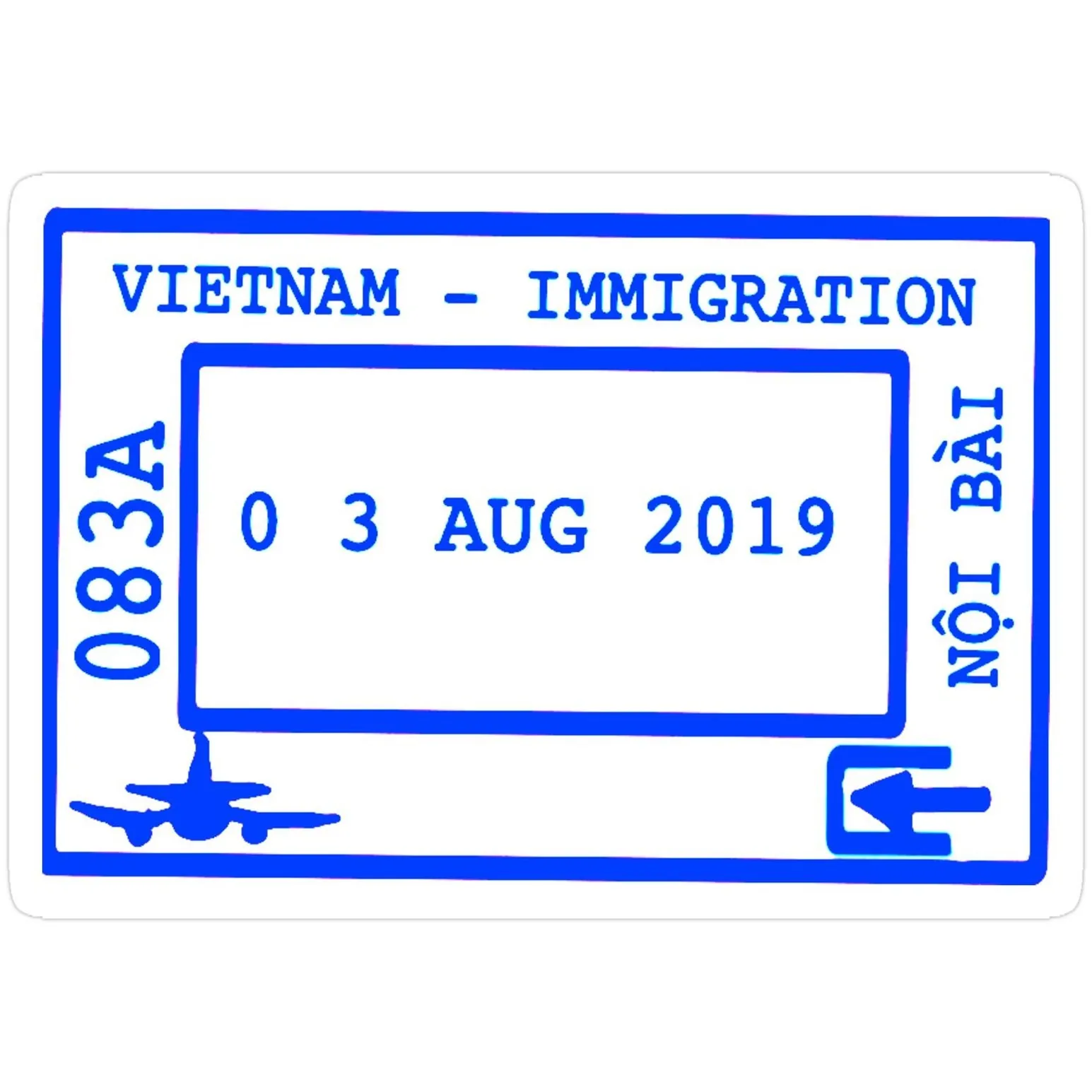
Visa on arrival only works at four airports: Hanoi, Ho Chi Minh City, Da Nang, and Nha Trang. Fly into anywhere else and the option simply isn’t there.
My take: in 2026, visa on arrival is mostly pointless hassle for a tourist. The 45-day visa-free stay handles short trips, and if you need longer, the e-visa is something you do yourself.
If you’re still weighing visa-on-arrival against the e-visa, that hesitation is usually what costs someone a flight — they reach the desk missing a printout. I sort the e-visa and tell you the exact pages to have on your phone and on paper before you board — message me on Telegram with your route and I’ll say which option actually fits your trip.
E-visa walkthrough: 90 days, done from your couch
The e-visa, also since August 2023, is valid for 90 days and lets you exit and re-enter as many times as you want. It’s my default whenever I need more than 45 days. Fully online, no approval letter, no middleman. If you want the deep dive on the 90-day option specifically, I covered the Vietnam 90-day e-visa in its own guide.

Step by step, how I do it every time:
- Open the official Vietnam e-visa portal — the government site only, not the lookalike aggregators.
- Fill in your passport details and a Vietnam address; your first hotel booking works fine.
- Upload a passport scan and a plain-background photo.
- Pay the consular fee by card — single entry costs less, multiple entry more.
- Wait a few business days for the email decision, then print the PDF.
The rookie mistake is paying triple on a slick clone site. Only pay on the official portal. If you’d rather have someone else run those five steps for you, that’s exactly what’s covered on the Vietnam e-visa 90 days page.
Landing in Da Nang: what they check
At the counter they want the basics: a passport with 6+ months validity, your return or onward ticket, and — if you went the e-visa route — the printed e-visa PDF. That’s it — though Vietnam is also phasing in a digital entry form, so it’s worth checking whether you need to fill out the electronic arrival card before you land. The embassy visa (apply in advance, 5-7 days, $30-100 consular fee) exists, but for a normal holiday it’s a detour you rarely need.
One more thing nobody requires but you’d be silly to skip: travel insurance. Vietnam gives foreigners no free medical care, and a single clinic visit can cost more than a full-trip policy.
Quick answers before you book
Do I pay anything for the 45-day stay? No — it’s a free stamp on arrival. What if my trip is longer? Do the e-visa yourself for 90 days. Is visa on arrival worth it? Rarely — it needs a paid approval letter and only works at four airports. Sort the visa question once, then go think about routes instead of stamps.
If the dates and visa types still feel tangled, it’s cheaper to ask before you fly than to figure it out at the immigration desk.
Need a hand?
- Best Bus — danangvisarun.com — sort your e-visa, renewal or visa run directly on the site.
- Telegram @learnx1000 — message me for Vietnam visa help: e-visa, renewal, visa run.
Frequently asked questions
Is visa on arrival free in Vietnam?
The stamp itself is free, but you must pay $10-30 in advance for the approval letter, plus an agency markup. That’s why most travelers skip it.
Do I need any visa for a short trip to Vietnam?
No. Russians and many other nationalities get a free 45-day stamp on landing with a passport valid 6+ months and a return ticket.