A visa run from Vung Tau fits into one long day if you leave before sunrise, because the Moc Bai crossing with Cambodia sits beyond Ho Chi Minh City and the whole trip is one out-and-back route.
The distance is about 150 to 180 km each way. Cambodia charges $30 cash for a tourist visa at the land border, and Russian passport holders get a fresh 45 days visa-free when they re-enter Vietnam.
Is a Vung Tau visa run worth it, or should you file an e‑visa?
A run makes sense when your stay ends in a few days and an e‑visa cannot arrive in time. If you have a week or more, the online e‑visa for up to 90 days is simpler because you file it from home. You apply on evisa.gov.vn and wait a few working days for approval.
The run pays off for one group in particular: passports with the 45-day exemption, since each entry restarts the count. Citizens of other countries need an approved e‑visa before they come back, because Vietnam does not issue visas on arrival at land crossings. For the full cost comparison see our e‑visa versus visa on arrival versus visa run guide.
How long is the drive from Vung Tau to Moc Bai?
Plan three to four hours each way when traffic is light. Vung Tau to Ho Chi Minh City is roughly 95 km by expressway, and from the city to the border it is another 70 to 80 km on the QL22 highway. These distances are rounded, so check the route on your navigation app before you leave.
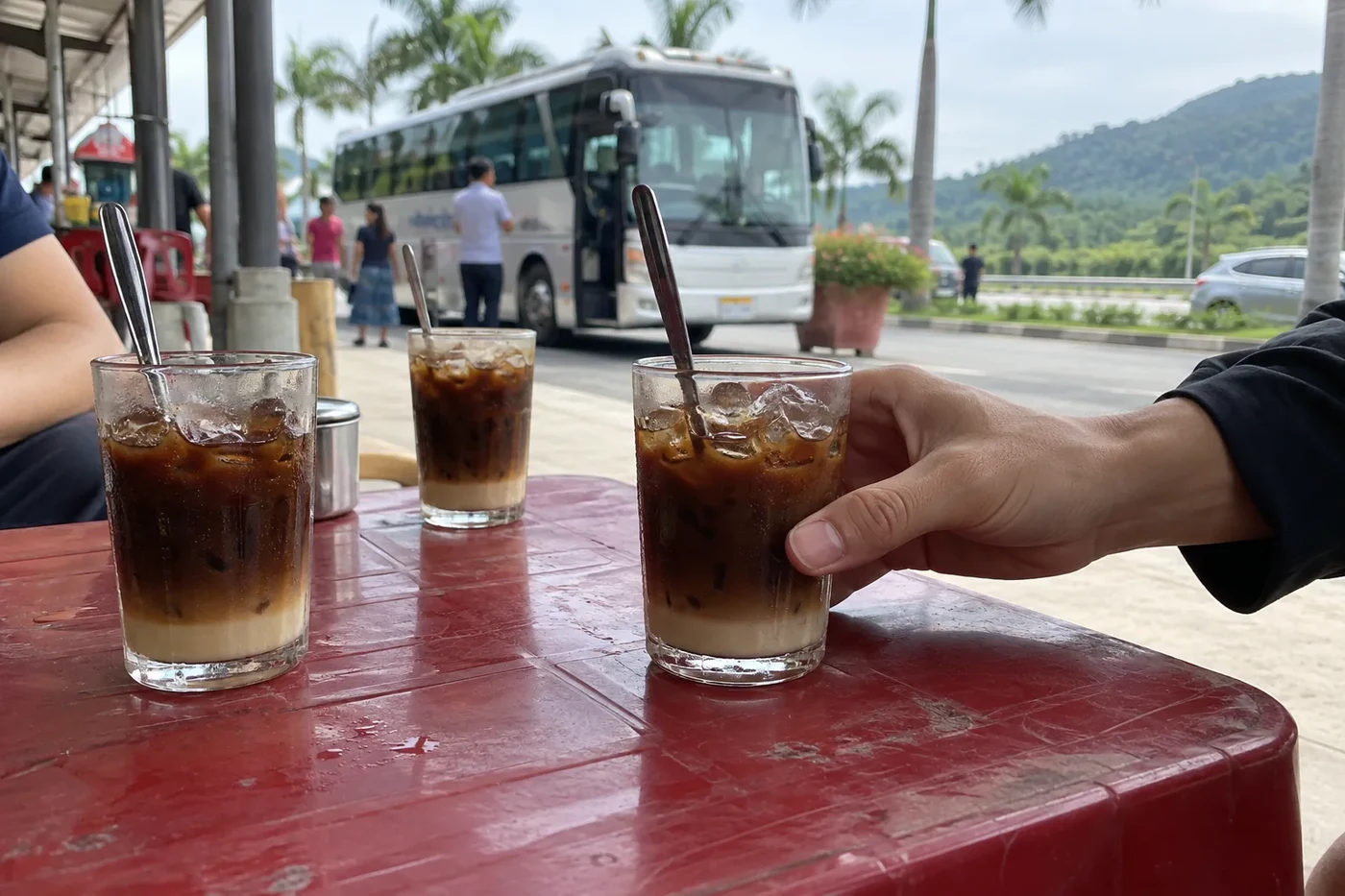
The slowest stretch is inside Ho Chi Minh City. Before 7 am the roads are open, after that motorbikes fill every lane. Leaving Vung Tau at 4:30 puts you at the border before nine, and the crossing itself is open roughly from 6 am to 10 pm according to Vietnam’s tourism authority. Confirm the hours before you go.
A workable schedule looks like this: leave at 4:30, reach the Vietnamese post by 8:30 or 9:00, finish both crossings around midday if the queue is short, and be back in Vung Tau by evening. A long queue pushes everything later, which is why the early start matters.
Car with a driver or public bus?
A private car with a driver is the quickest option. It runs Vung Tau, Ho Chi Minh City and Moc Bai on one route, and you control the departure time.
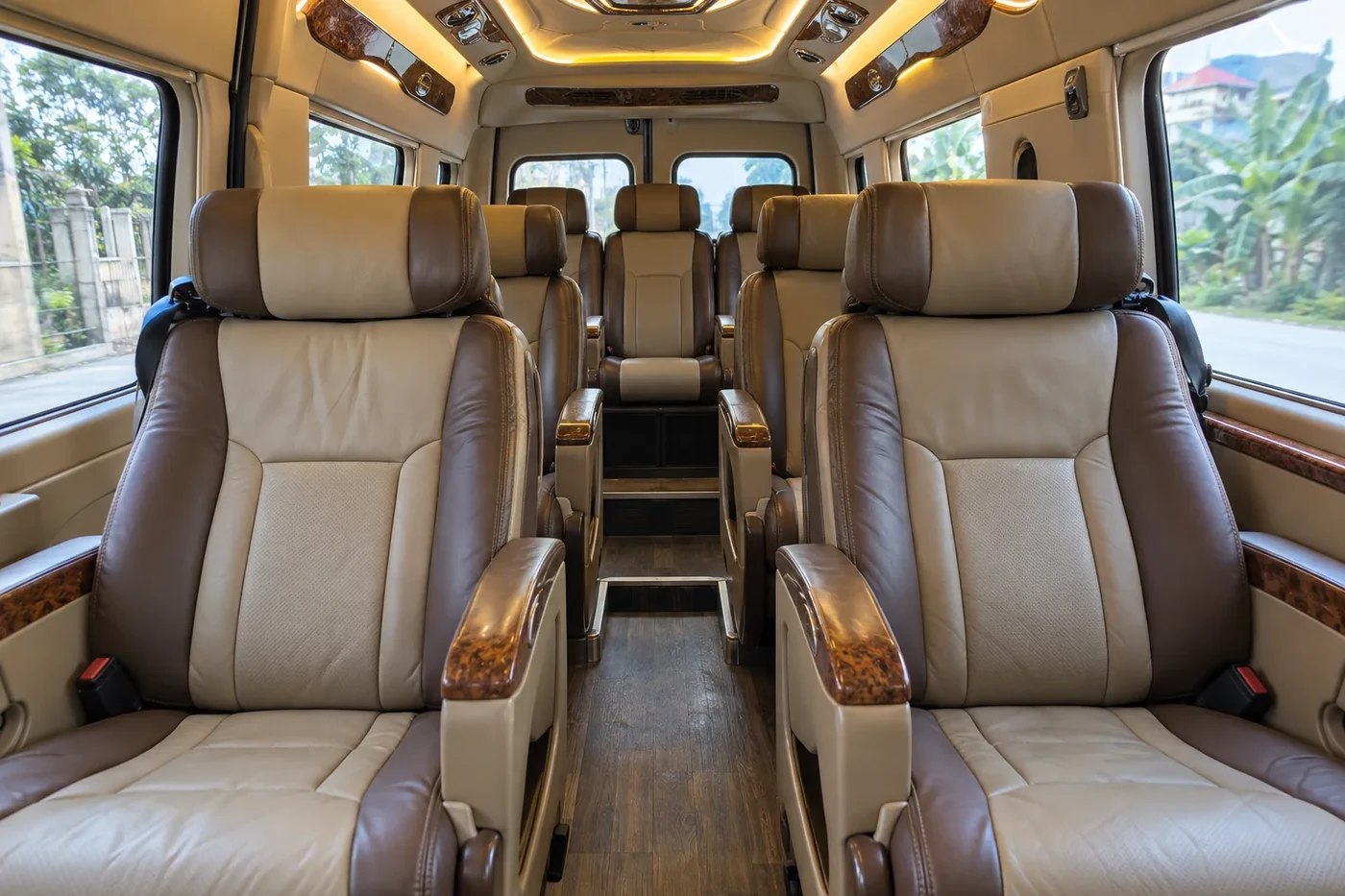
Public transport means a bus to Ho Chi Minh City and then city bus 703 to the border, the chain I describe in the Dalat to Moc Bai run. Each change adds waiting time, and the change in Ho Chi Minh City is the one you cannot control, so for a same-day return to Vung Tau I would take the car. Our Ho Chi Minh City visa run routes and costs guide covers the routes that start from the city itself.
What can go wrong on the day?
Three things cost most people the day. One is arriving after the post has closed, another is running short of cash dollars, and the third is a queue that drops you back into Ho Chi Minh City at rush hour. The Cambodian visa itself takes only 5 to 15 minutes, but queues at Moc Bai can reach 30 to 60 minutes at peak.
Readers often write to me about the process at the post, since it is hard to follow and few officers speak English. You can do this part yourself with the steps below. If you prefer not to, BestBus Vietnam arranges the Vung Tau departure on request (scheduled trips run from Da Nang): car from your door, the border, the return drive. Send your dates and pickup address, and I will price the car for your situation. Send me your dates on WhatsApp and I will quote the car and the timing.
Step-by-step: the Moc Bai run in one day
Every step below fits into one day, and the clock is set by the closing time of the border post. The order is:
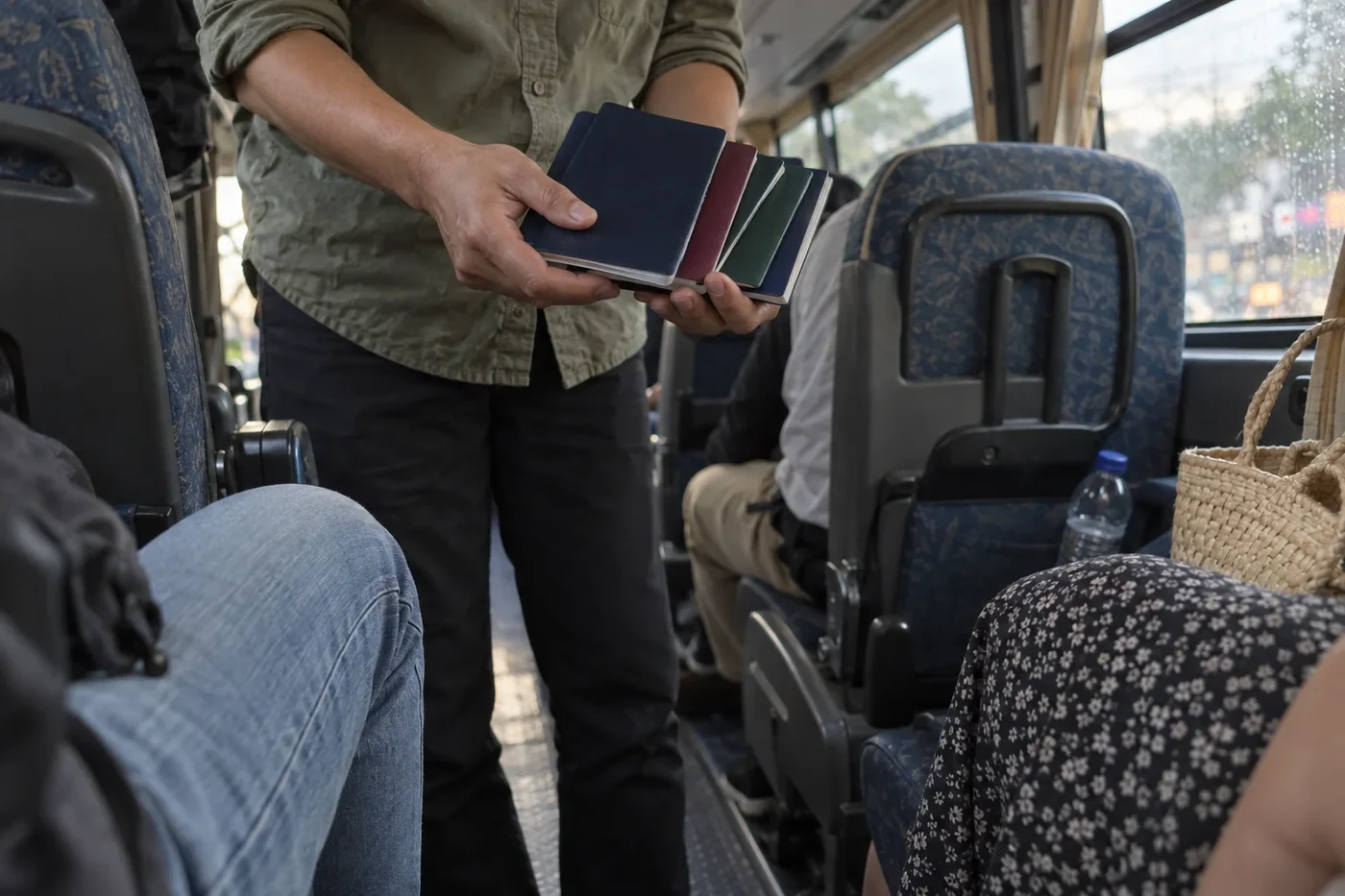
- Check the night before that your passport is valid for at least six months.
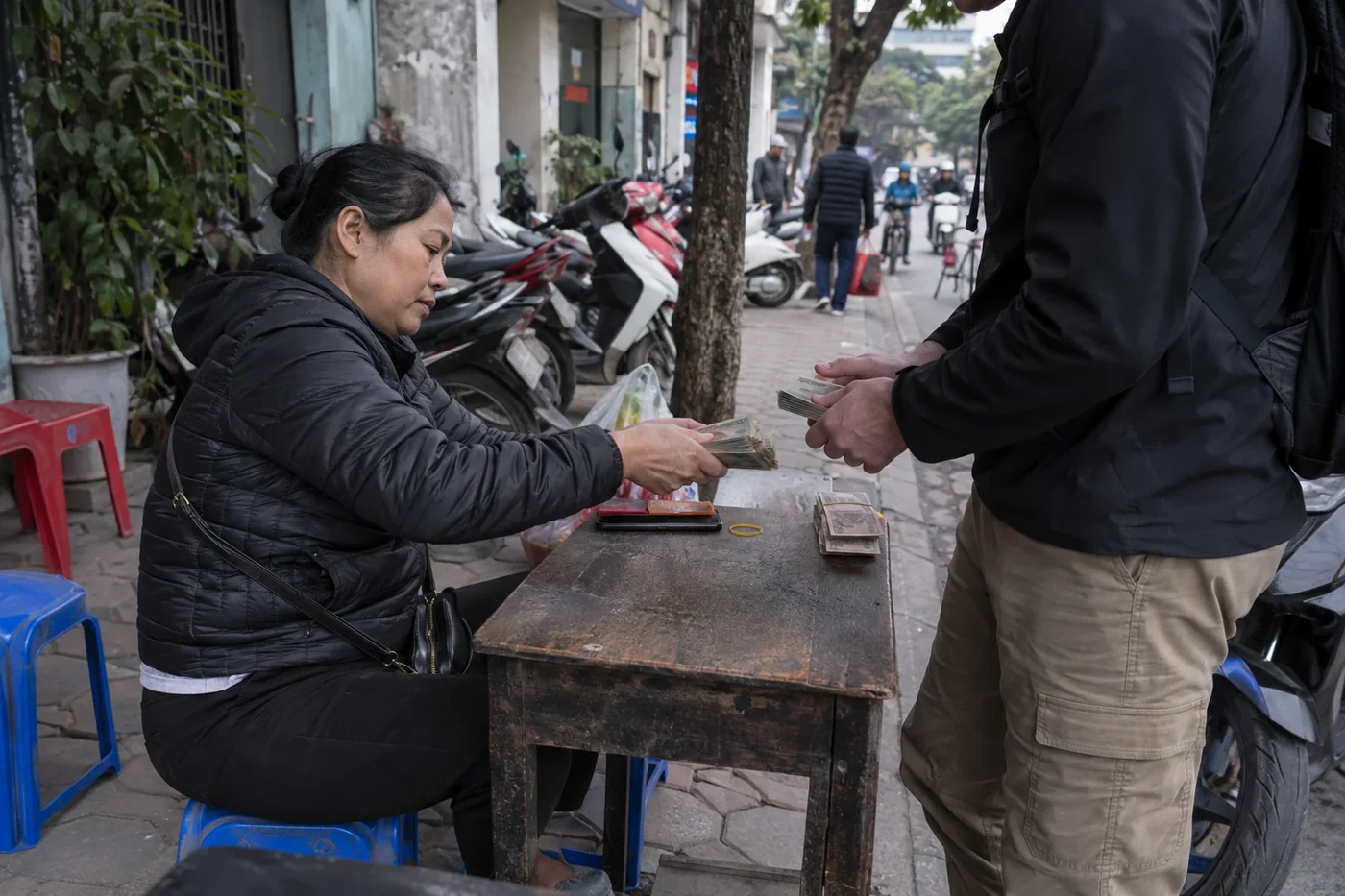
- Pack US dollars in small bills for the Cambodian visa, plus two or three printed passport photos.
- Leave Vung Tau around 4:30 and pass through Ho Chi Minh City before the morning rush.
- Get your exit stamp at the Vietnamese post.
- Walk to the Cambodian side at Bavet and buy the Cambodian tourist visa.
- Walk back to the Vietnamese post and go through entry control. The officer stamps you in and your exemption days count from that date.
- Drive home the same way and allow for evening traffic around Ho Chi Minh City.
What do you need to carry across the border?
Besides the passport with its six months of validity, the Cambodian visa takes dollars in cash and a few photos. I treat the photos as non-negotiable: the fee for a missing one is small, but it is a needless snag at the window where the queue is already long. The visa is paid in cash, so withdraw the money before you set off.
There is a faster option on the Cambodian side. The Cambodian e‑visa is accepted at the Bavet checkpoint and takes up to three working days to process. Its price on the portal runs around $30 to $36, so check the amount at evisa.gov.kh before you pay. Also look at arrival.gov.kh, where Cambodia runs a free online entry card filled in a few days before travel. Coverage at land crossings is still expanding, so check whether it applies to you. If you want Vietnam’s own e‑visa handled for you, see our e‑visa and visa run services.
Moc Bai or Ha Tien from the south coast?
Moc Bai is the practical choice from Vung Tau. Ha Tien sits at the other end of the Mekong Delta, and the road there is far longer. Its crossing also closes earlier, at 6 pm, so a long drive leaves little margin. On a map Ha Tien looks like the scenic option, and I still rate it the weaker pick for a single day. If you are heading west for other reasons, read our Lao Bao vs Moc Bai vs Ha Tien comparison.
What should you do next?
The choice comes down to time. If your exemption ends in under a week and you want the trip done in one day, take the car with a driver. If you have a week or more, the 90-day e‑visa saves you the road and the queue. Message me your dates and the city you start from, and I will tell you which is quicker for your situation, a run or an e‑visa.