Nha Trang has no land border of its own, so a visa run from here means one of four things: an overnight bus to the Moc Bai crossing near Ho Chi Minh City, a flight out of Cam Ranh airport, doing the e‑visa paperwork yourself, or paying someone to handle the paperwork while you still travel. For most people sitting on a single-entry e‑visa about to expire, flying is faster, and the paperwork is usually where things actually go wrong.
I’ve lived in Vietnam for years and run the e‑visa side of this for travelers from Da Nang. I’m not based in Nha Trang, so I’ll be straight about where I fit here and where I don’t.
Nha Trang visa run options compared
Here’s how all four stack up side by side, before the details on each one below.
| Option | Time | Rough cost | Best for |
|---|---|---|---|
| DIY land run to Moc Bai | ~16 hours door-to-door | $35-70 (bus + Cambodia visa fee) | Budget travelers, flexible schedule |
| DIY flight run via Cam Ranh | 6-10 hours round trip | $120-300+ (flights) | Time-pressed travelers, no overnight bus |
| Local done-for-you land run (Nha Trang operator) | Same day, no driving yourself | $200-380 (bundle, agency pricing) | Travelers who want the trip handled |
| Remote e‑visa filing service (paperwork only) | 3-5 business days, no travel | Government fee + service fee | Anyone whose card fails on evisa.gov.vn, or who’s already leaving the country anyway |
Is the DIY Moc Bai bus run worth it?
A DIY bus run to the Cambodian border works, but it eats a full day and part of the next one. Nha Trang sits roughly 400-440km from Ho Chi Minh City, and the ride itself runs 8-12 hours depending on traffic and whether you book a sleeper or a day coach — check current schedules on Vexere before you commit to a departure time.
From Ho Chi Minh City it’s another leg out to Moc Bai, across into Bavet on the Cambodian side, then back the same way. One Nha Trang-based visa-run operator lays out a realistic same-day timeline: pickup between 2:30-4:30am, border crossing around midday, return to Nha Trang between 7-9pm — call it 16 hours gone. Bring cash for the Cambodian visa fee, snacks, and something to sleep on, because you won’t be doing much else that day.
The saving here is real — a sleeper bus plus the Cambodian visa fee lands in the $35-70 range, well under any flight. The cost is your entire day and a night’s sleep, and if the bus breaks down or the border queue runs long, you’re the one stuck negotiating it alone.
Is flying from Cam Ranh faster than the bus?
If a full day on a bus sounds worse than the price of a ticket, Cam Ranh International Airport (CXR) has direct flights that turn the same visa run into a same-day round trip. Thai AirAsia runs about four flights a week to Bangkok, with one-way fares typically $61-65 outside peak periods (up to $150 when demand spikes) — check current fares on Trip.com or a similar aggregator before booking. There’s also a direct Cam Ranh-Phnom Penh route on ATR 72 aircraft, though it only runs twice a week (Tuesday and Saturday), so it won’t work as a same-day option outside those two days. Kuala Lumpur is served too, via AirAsia, though I couldn’t confirm current frequency or fares for that route.
The flight option costs more, often $120-300+ once you add the visa fee for wherever you land. In exchange, it turns a 16-hour ordeal into something closer to a 6 to 10 hour trip, and you’re not sharing a sleeper bus with strangers overnight. Bangkok is the most reliable pick simply because it flies more often.
A local done-for-you option: Nha Trang visa-run operators
If neither DIY option appeals, there are Nha Trang-based operators who run the whole Moc Bai trip for you — pickup, transport, and border logistics handled, so you show up and ride along. One such operator quotes a sleeper-bus bundle from roughly $200 (5,000,000 VND) and a private-car premium package from around $380, covering transport, the Cambodian visa fee, and a fresh 90-day Vietnam e‑visa. I’m citing one commercial operator’s published pricing here, not an industry average, so treat the exact numbers as one data point rather than a market standard.
That’s a real option if you want zero logistics to think about and you’re physically in Nha Trang already. The honest downside for anyone comparing us: I run this from Da Nang, and I don’t have a pickup crew or vehicles in Nha Trang, so a physical border-run bundle isn’t something I can offer here without you making your own way to Da Nang first.
Where a remote e‑visa service actually helps
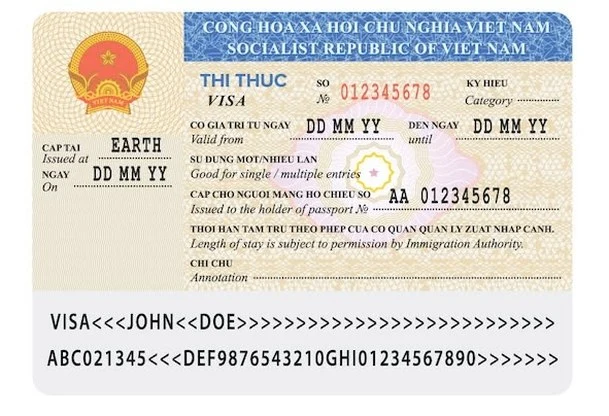
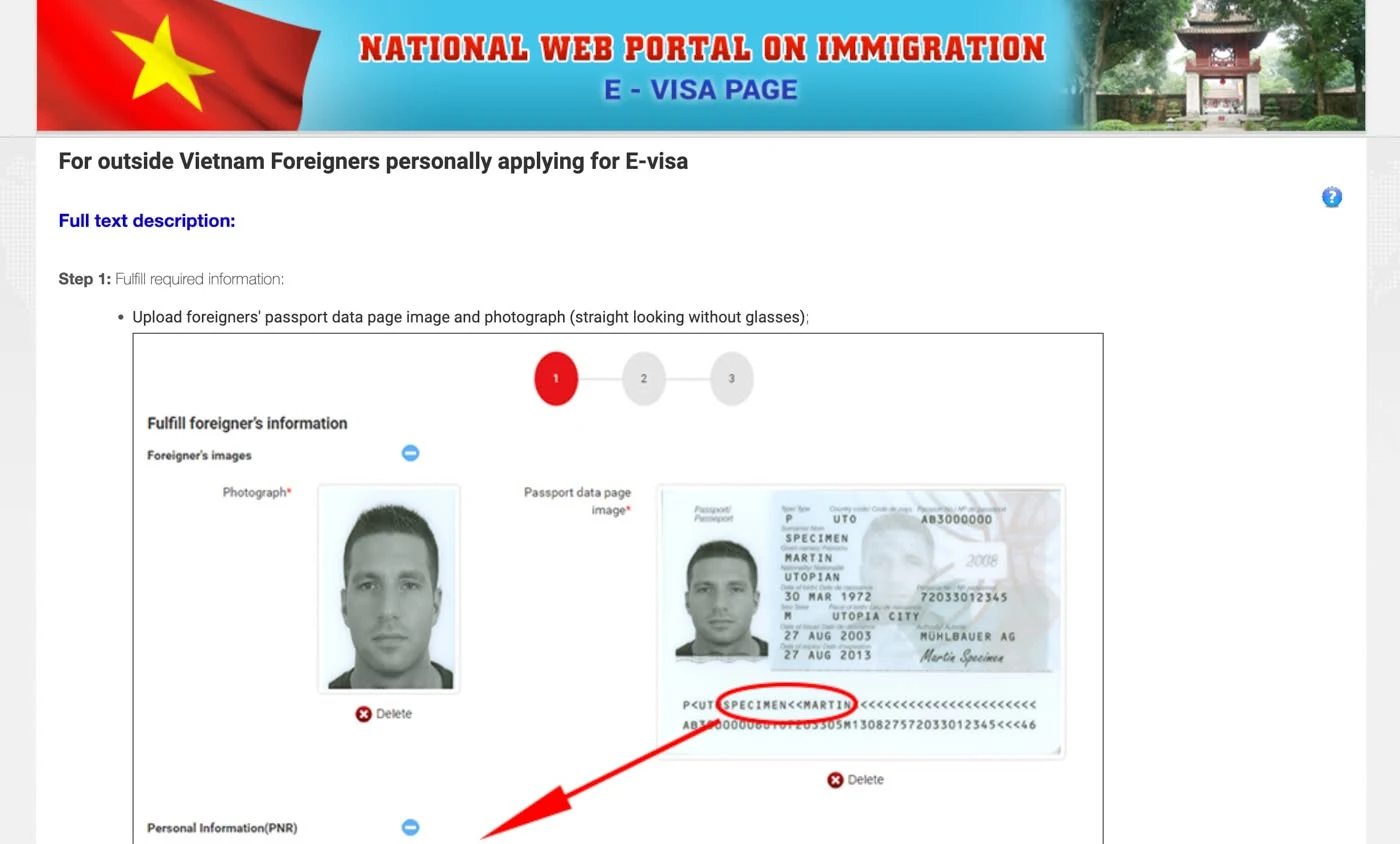
Here’s the part of this process that has nothing to do with which border you use: filing the e‑visa application itself and getting the government fee paid. Per the official evisa.gov.vn portal, Vietnam’s e‑visa is valid up to 90 days, single or multiple entry, and it’s non-extendable inside the country. Once it’s close to expiring, you either leave and come back on a new one, or you stop the clock some other way. The application step is where a remote service can actually stand in for you, no matter where you are in Vietnam.
This is where I usually get involved. evisa.gov.vn rejects a meaningful share of foreign cards at the payment step — a frustrating, silent failure that’s cost people days of retrying while their old visa keeps ticking down. I pay the government fee with a card the portal reliably accepts, check the application for the kind of paperwork mistakes that trigger a rejection, and confirm the entry point before it’s submitted. Whether you’re taking the flight route or the land route afterward, the visa itself is ready and correct before you travel. What I need from you is just a passport scan and your travel dates — the actual border crossing, land or air, is still yours to do. This part can be handed over end to end — what that covers is on our Nha Trang visa run page. Ukrainian passport holders: we cover the Nha Trang visa run in Ukrainian too, here.
How do you choose between these four options?
Pick based on what you’re actually short on: time, money, or patience for logistics. Short on money and have a spare day? The Moc Bai bus is genuinely the cheapest path, at $35-70 versus $120-300+ for flying. Short on time and don’t mind the flight cost? Bangkok via Cam Ranh turns a 16-hour slog into a same-day trip closer to 6-10 hours. Already in Nha Trang and want the whole physical trip handled by someone else? A local land-run operator does that — check current pricing directly, since agency rates shift. Worried specifically about the paperwork and payment step failing, or leaving the country anyway for other reasons? That’s the piece a remote e‑visa service actually fixes, regardless of which border you cross.
If it’s the paperwork and the failed card payment that’s been the actual holdup rather than the trip itself, message me on WhatsApp — send your passport details and travel dates and I’ll get the e‑visa filed and paid correctly before you decide which border to use.
Frequently asked questions
Do I need a visa run if I already have a 90-day multiple-entry e‑visa?
Not for the duration itself — a multiple-entry e‑visa lets you exit and re-enter Vietnam as many times as you want within its 90-day window without paying a new fee each time. You’d only need a fresh visa run once that 90-day window is actually closing, not before.
What if my card gets declined at the Moc Bai border itself?
Bring cash. Neither the Cambodian visa desk at the border nor the Vietnamese side reliably takes cards, so a decline mid-crossing leaves you stuck if you didn’t carry backup cash in USD or Vietnamese dong. Carry more than the visa fee alone covers, since border rates for currency exchange there are poor.
What happens if I overstay my Vietnam visa by a few days?
Visa agencies report overstay fines roughly in the range of $20-80 for the first 1-15 days, rising with each additional bracket of days. This comes from agency-published tables, not an official government schedule, so treat it as a rough guide rather than an exact figure. Longer overstays get considerably more expensive and can affect future visa applications, so it’s worth handling before it becomes a multi-week gap.
What if my return flight to Cam Ranh gets delayed or cancelled on visa-run day?
With only a few weekly flights on some of these routes, a cancelled return can strand you a couple of days past your planned re-entry. Book the earliest same-day flight rather than the last one, and check that your current visa still has a few buffer days before it expires so a delay doesn’t turn into an overstay.
Do I need travel insurance for a one-day visa run?
Immigration doesn’t require it for the run itself. A same-day bus trip across a land border or a quick flight and back is still exactly the kind of short trip where basic travel insurance costs little and covers a missed connection, delay, or lost documents at the border.