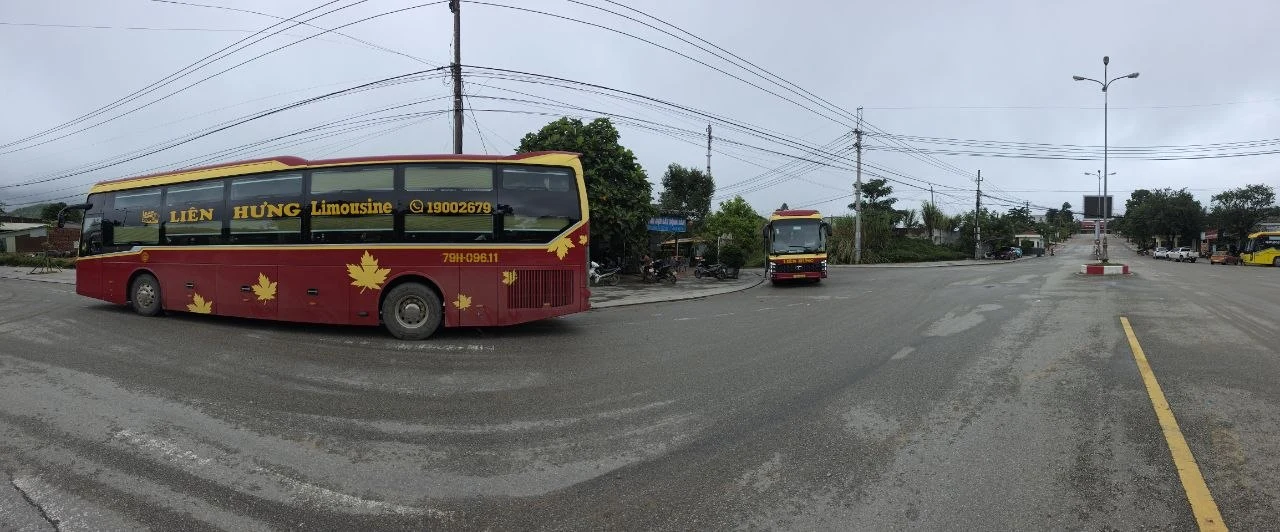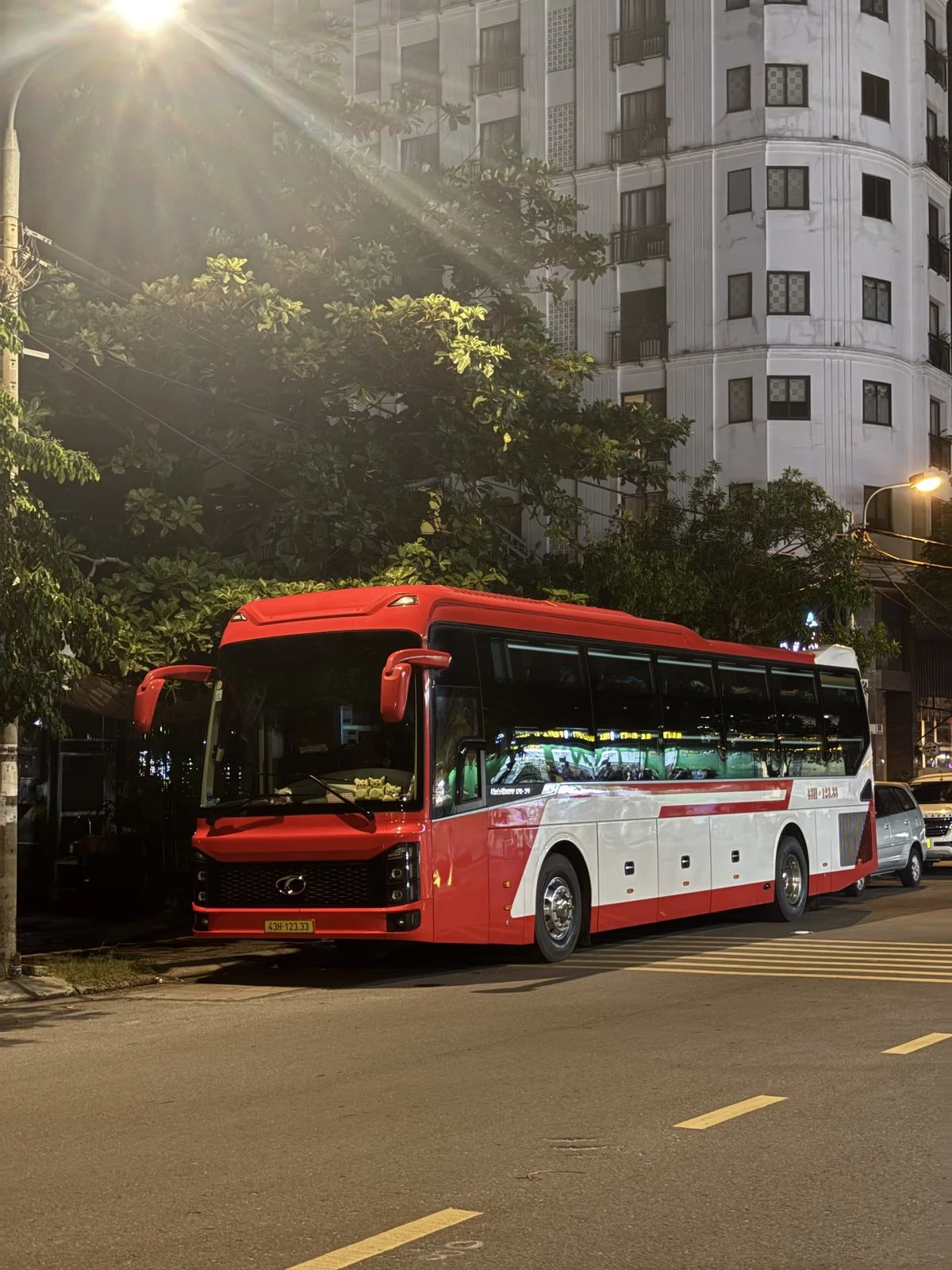
A visa run from Mui Ne goes through Cambodia: an overnight sleeper bus takes you to the Moc Bai crossing, you walk over to Bavet, and you are back in Vietnam on a new entry the same day. Buses leave on Tuesday, Thursday and Sunday at 01:00. Vietnam does not issue visas on arrival at land borders, so your way back in has to be settled before you board. The whole run takes one night and one day.
Is a Mui Ne visa run worth it, or should you file an e‑visa?
If your passport qualifies for the visa exemption and you only need a few more weeks, the run is the simplest answer: one night, one day, and a fresh entry. If you plan to stay longer than the exemption allows, an e‑visa filed online from your Mui Ne apartment is usually the better tool, because the 90-day term is longer than the exemption and the application itself is online.
The exemption gives 45 days per entry for citizens of a fixed list of countries, Russia among them, under Resolution 44/NQ-CP in force until 14 March 2028 (source). It cannot be extended inside Vietnam. For a long stay I lean toward the e‑visa, because a sleepless night on the bus buys you nothing extra. An e‑visa lasts up to 90 days and costs $25 for one entry or $50 for multiple entries on evisa.gov.vn, with approval usually in 3-5 working days. Our comparison of e‑visa, visa on arrival and visa run covers the other cases.
How does the overnight bus to Moc Bai work?
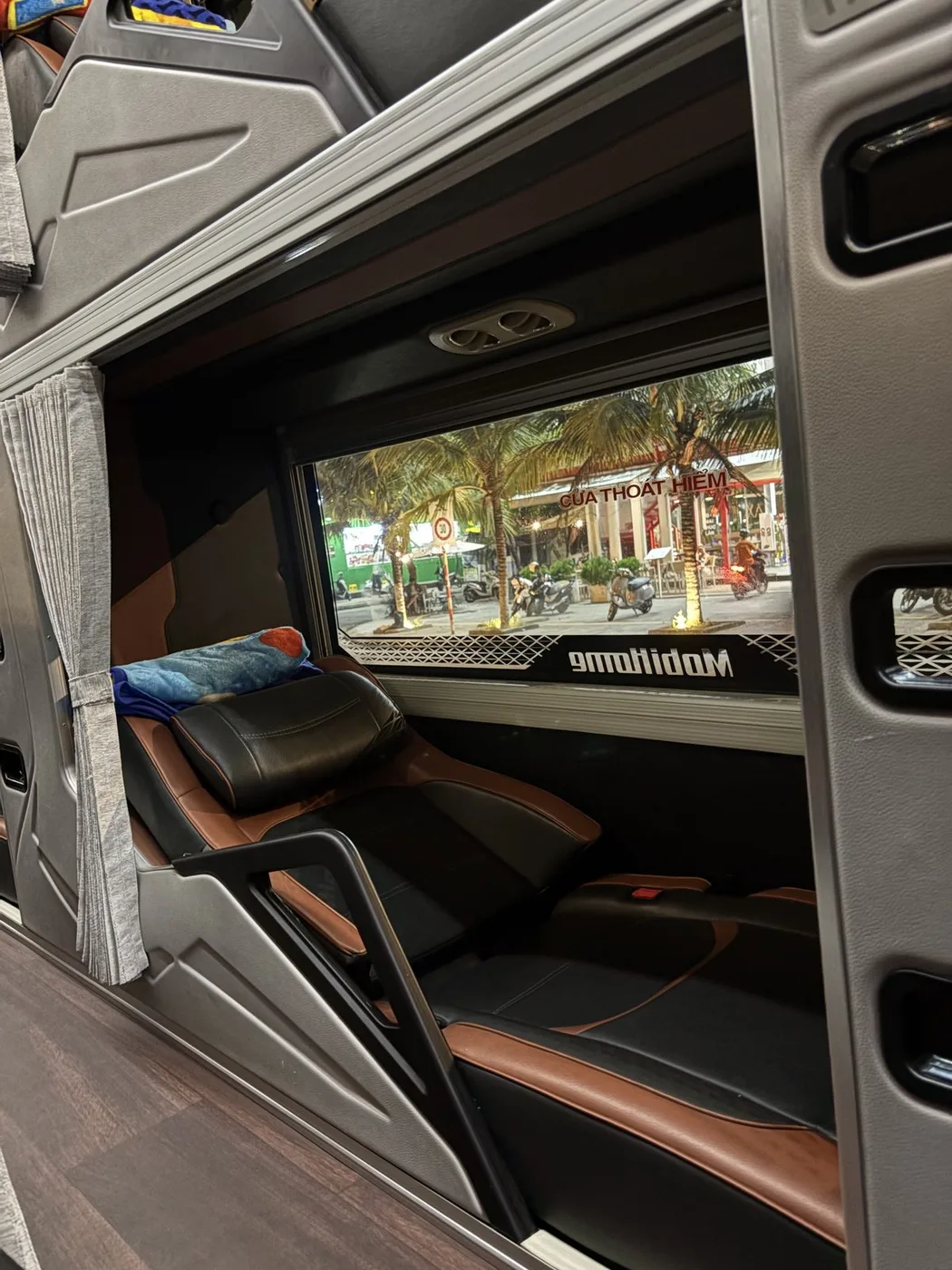
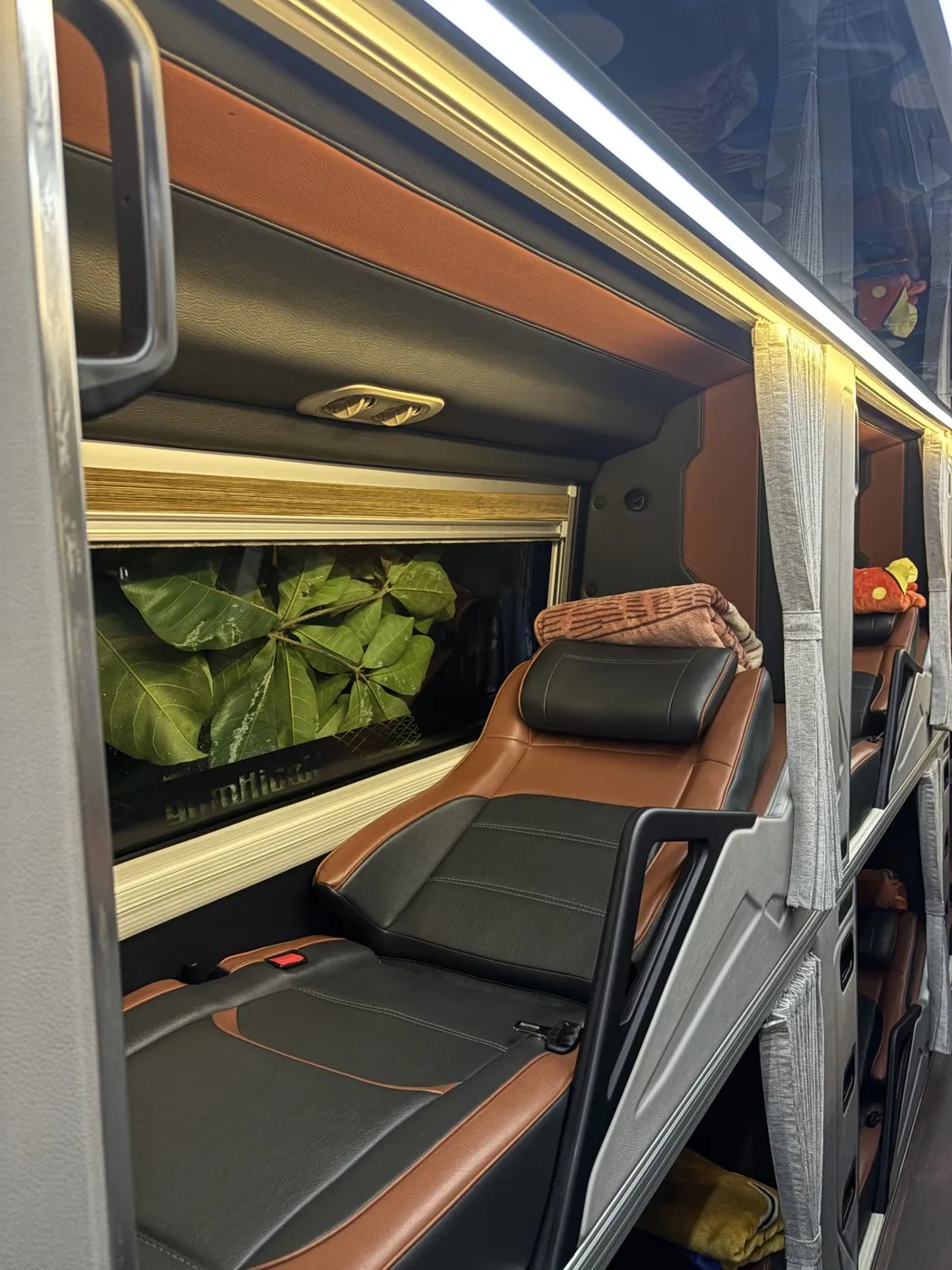
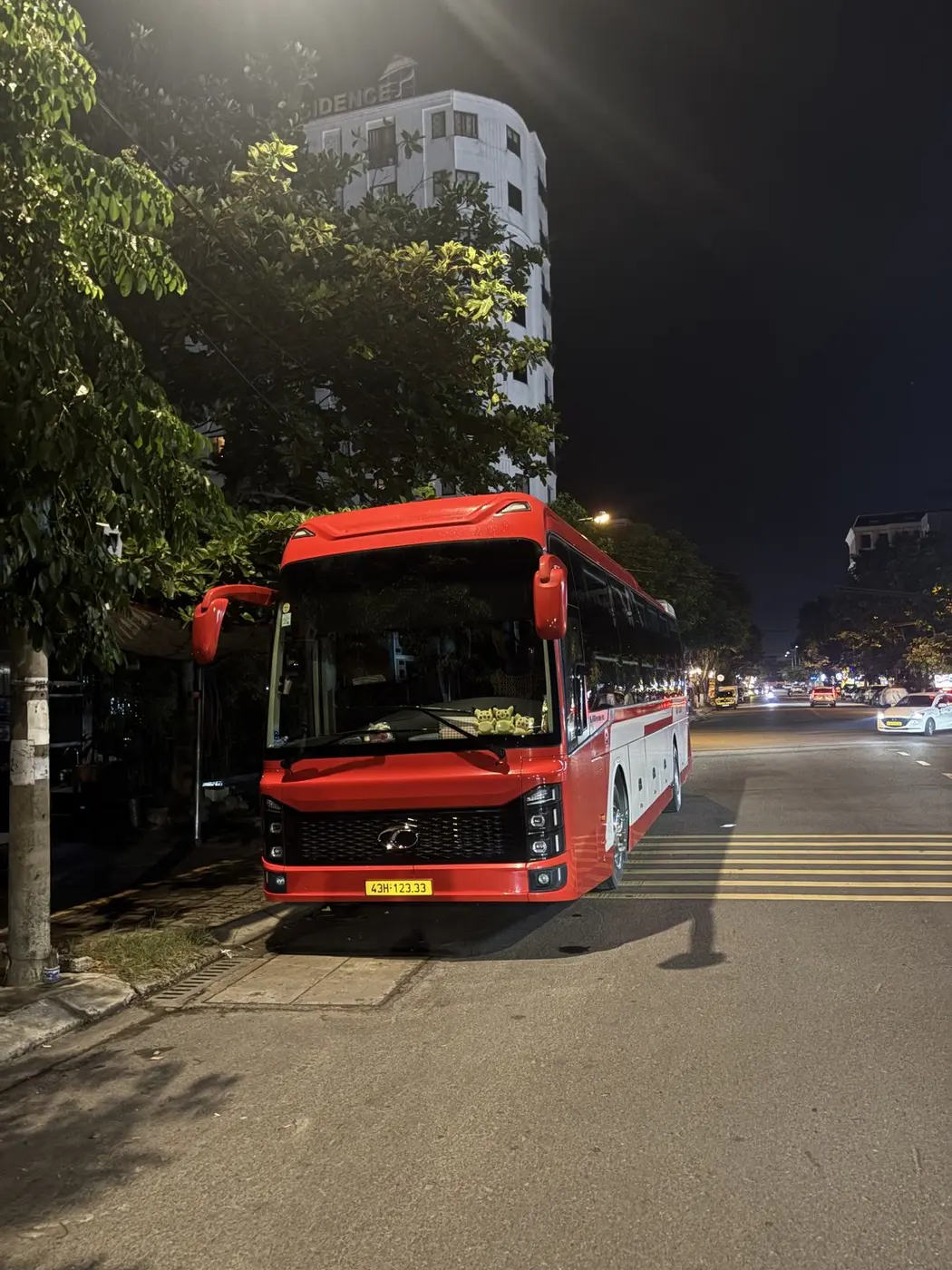
The sleeper leaves Mui Ne at night and is timed to reach the border in the morning, so you do not wait outside a closed gate. I prefer it to a day bus with a city transfer, because the night is time you were going to spend in bed anyway. The distance is about 270-300 km by road: roughly 200 km to Ho Chi Minh City, then another 70 km to the border. Laos is not a realistic option from here, since the Lao Bao crossing sits in Quang Tri province in the north of central Vietnam. Departure days, the boarding point on Highway QL1 in Ma Lam and current prices are on the Mui Ne visa run page.
From Saigon the road to Moc Bai along highway NH22 takes 2-2.5 hours according to the Vietnam tourism authority.
Step-by-step: from the 01:00 pickup to the new entry
The order is the same on every departure, and only the queue at the border changes the clock. Because the buses run three days a week, the first step below is the one that decides which departure you can take.
- A few days before the run, check how many exemption days you have left, or apply for an e‑visa and choose Moc Bai as the entry point.
- On the night of the departure, board the sleeper in Mui Ne with your passport, US dollars in cash and a printout of the e‑visa if you have one.
- The bus runs through Ho Chi Minh City to the border, and you get off at the Vietnamese post in the morning.
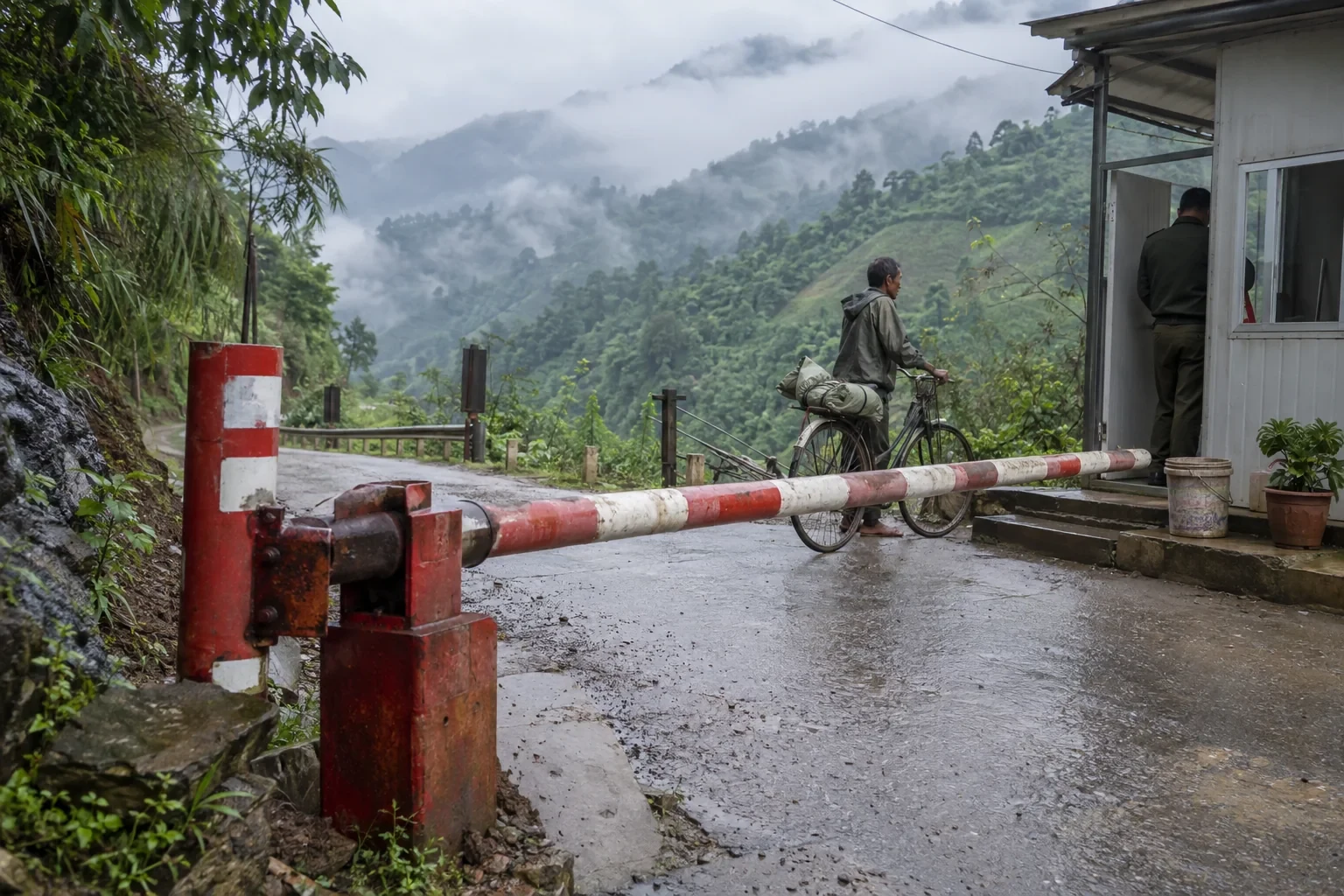
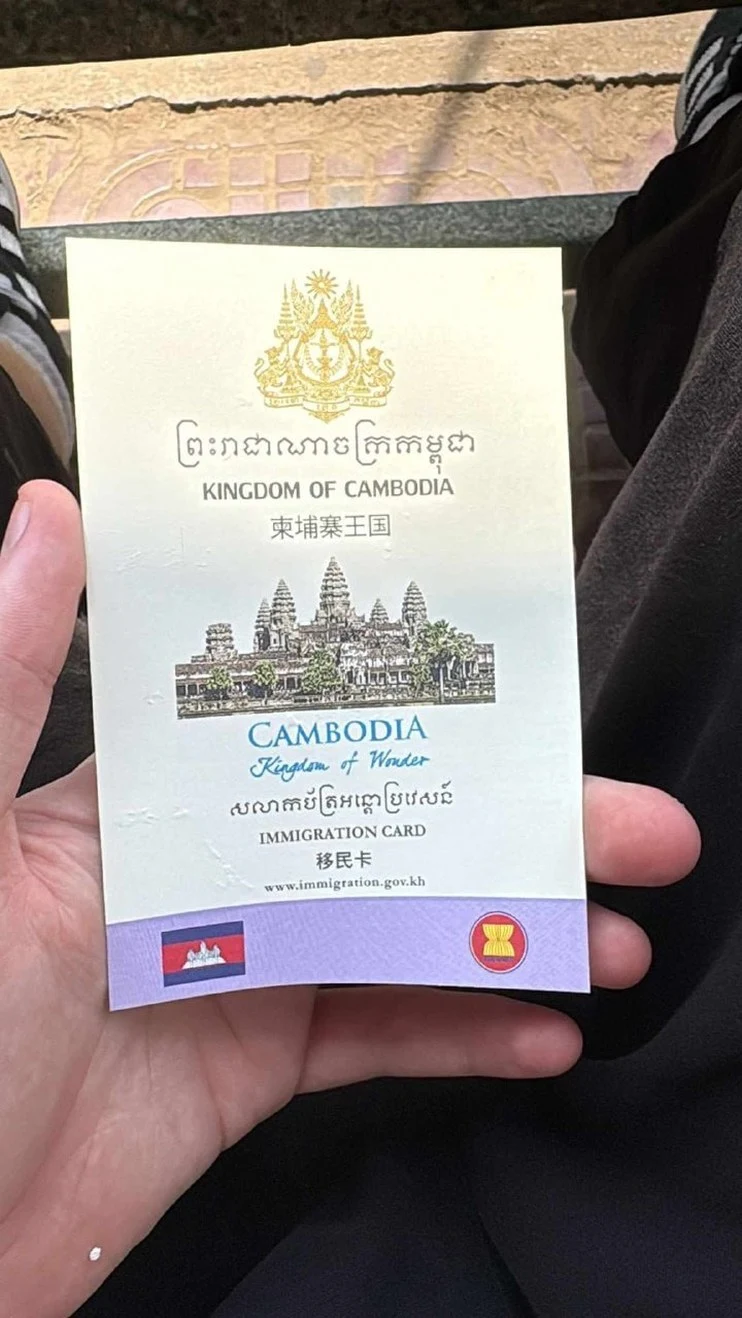
- Clear Vietnamese exit control, walk about 300 metres to the Cambodian post at Bavet and buy the Cambodian tourist visa there.
- Take the Cambodian stamp back to the Vietnamese post: on the exemption you receive a new stamp, and an e‑visa is simply shown.
- Ride the return bus to Mui Ne the same day.
What trips people up at Moc Bai?
Queues and an unfinished e‑visa are the usual causes. Sources disagree on opening hours, from 6:00 or 8:00 to 22:00 and in one case until 18:00. The queue peaks at 9-11 and 14-16 hours, when crossing takes up to two hours, while a normal pass one way takes about an hour.
This is where a run usually falls apart: the e‑visa is still pending, the night bus is already leaving, and without it you will be turned back at Moc Bai. You can build the trip yourself with a day bus to Saigon and a city bus to the border, but the connections eat a full day. At BestBus Vietnam I take that part: I book you on the nearest departure, file the e‑visa with Moc Bai as the entry point and pay the government fee on a card the portal accepts. Send me your dates on WhatsApp and I will price the road and the visa as one total.
Other visa services are listed on our visa and visa run services page. Dates are the second trap. The exemption counts from the day you enter, and buses run three days a week, so the last day of your stay is too late to travel. I tell people to leave a day of slack, because a full bus or a long queue at the post turns that last day into an overstay. More on the crossing itself is in our Moc Bai border guide.
What does the run include and what costs extra?
My basic option, a stamp-only run, costs, about $99. That covers the road and the work at the border; the Cambodian visa and any government fee are paid on top.
| Option | Price | What it gives you |
|---|---|---|
| Exemption stamp run | about $99 (2,600,000 VND) | 45 days from the day of entry |
| Single-entry e‑visa package | about $205 (5,400,000 VND) | up to 90 days, one entry |
| Multiple-entry e‑visa package | about $232 (6,100,000 VND) | up to 90 days, several entries |
The state’s share comes on top of my price. The Cambodian visa costs $30, and if you file the Vietnamese e‑visa yourself the portal charges $25 or $50.
What do you need in your hands at the border?
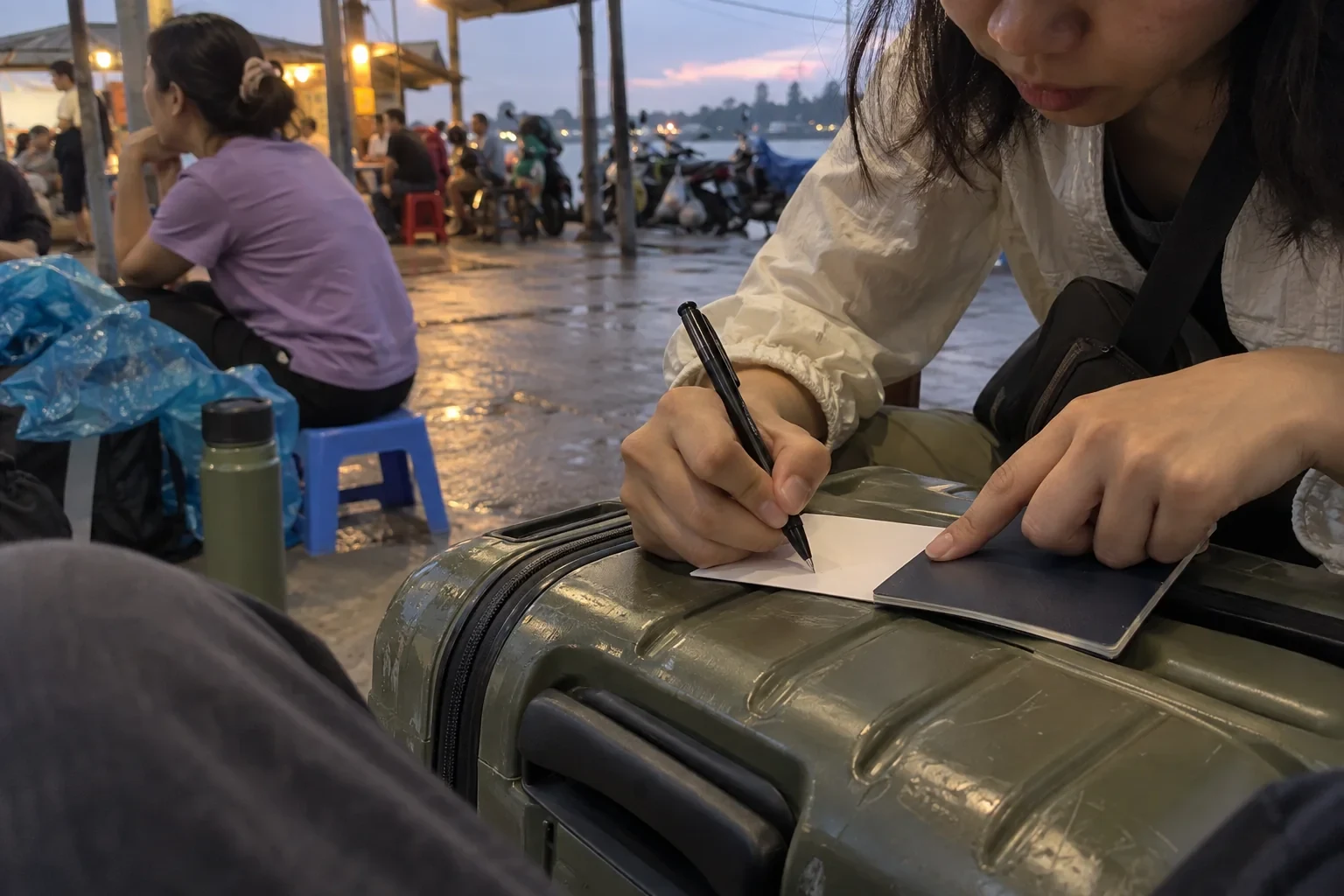
Four things: a passport, US dollars in cash for the Cambodian visa, a confirmed way back into Vietnam, and the Cambodian entry form. A land return needs an approved e‑visa or a valid exemption, since a visa on arrival exists at Vietnamese airports only.
- A passport with a clean page for the Cambodian visa.
- Cash in dollars: the visa at Bavet is paid with them.
- A paper printout of the e‑visa. Mobile signal at a remote post can drop, and the officer needs your dates and entry point on paper.
- The Cambodian form. The free e-Arrival card is filled in on arrival.gov.kh within seven days before travel, but coverage at land crossings is still growing, so carry a pen in case you get a paper form.
Which Mui Ne option should you pick?
Pick the stamp run if your passport qualifies for the exemption and you need less than its limit: it costs one night and one day. File an e‑visa before the bus if you need up to 90 days or your passport is not on the exemption list. Going alone makes sense if you know the border and can spare a day for connections.
You can fill in the Cambodian form and check your dates in one evening. Working out which of the three weekly buses fits before your stay ends, without missing your e‑visa start date, is quicker with a calculation in hand. Message me on WhatsApp with the date your exemption or visa ends, and I will tell you the nearest bus and whether you need an e‑visa.
Methodology: where these numbers come from
- 45-day exemption: Resolution 44/NQ-CP of 7 March 2025, in force until 14 March 2028, text on the Vietnamese embassy page.
- Cambodian visa at $30: tourist visa T for 30 days, fee cut from $36 to $30 on 1 January 2025 (Travel Trade Journal), procedure at evisa.gov.kh.
- Saigon to Moc Bai distance, driving time and queues: Vietnam tourism authority, Tan Van Lang and VietnamSpot, checked on 25 October 2026.
- Mui Ne to Ho Chi Minh City distance: Rome2rio and VietnamSpot; the total with the border leg is the author’s calculation.
- Vietnamese e‑visa fees and processing time: evisa.gov.vn and 2026 reference guides.
- Schedule and prices: my service catalogue as of 22 October 2026.
Frequently asked questions
How is a Mui Ne run different from a Saigon run?
From Saigon the border is close and the trip takes part of a day. From Mui Ne the road is longer, so the bus is overnight and runs three times a week.
Can I re-enter Vietnam right after the run, is there a waiting period?
No fixed interval or yearly cap on exemption entries is published, so the decision stays with the border officer. If you run back to back, expect more questions about your purpose, route and accommodation.
Is Moc Bai open at night?
Night passage for tourists is not confirmed, and sources disagree on the hours, which is why the sleeper is timed to arrive in the morning. Check the current hours before you go.
Do I need the Cambodian e-Arrival card at Bavet?
Sources disagree on whether land crossings require it. It is free on arrival.gov.kh, so filing it before departure costs nothing.
Can I travel with a child?
A child travels on their own passport and needs a Cambodian visa too. The seat for a child is priced separately.
Tell me your dates and passport and I will say which of the three departures fits: message me on Telegram @visarun_bestbus.