Hoi An has no airport, no land border and no visa-run route of its own - every visa run starts in Da Nang, about 30 km north. That extra leg costs roughly 30-45 minutes and $10-14 by Grab, and it’s the reason “visa run from Hoi An” always really means “visa run from Da Nang, starting in Hoi An.”
Why Doesn’t Hoi An Have Its Own Visa Run?
A visa run needs either an international airport or a land border crossing nearby, and Hoi An has neither. Da Nang International Airport (DAD) is the closest airport, and Lao Bao - the nearest usable Vietnam-Laos land crossing for this area - is only reachable by road through Da Nang, not directly from Hoi An.
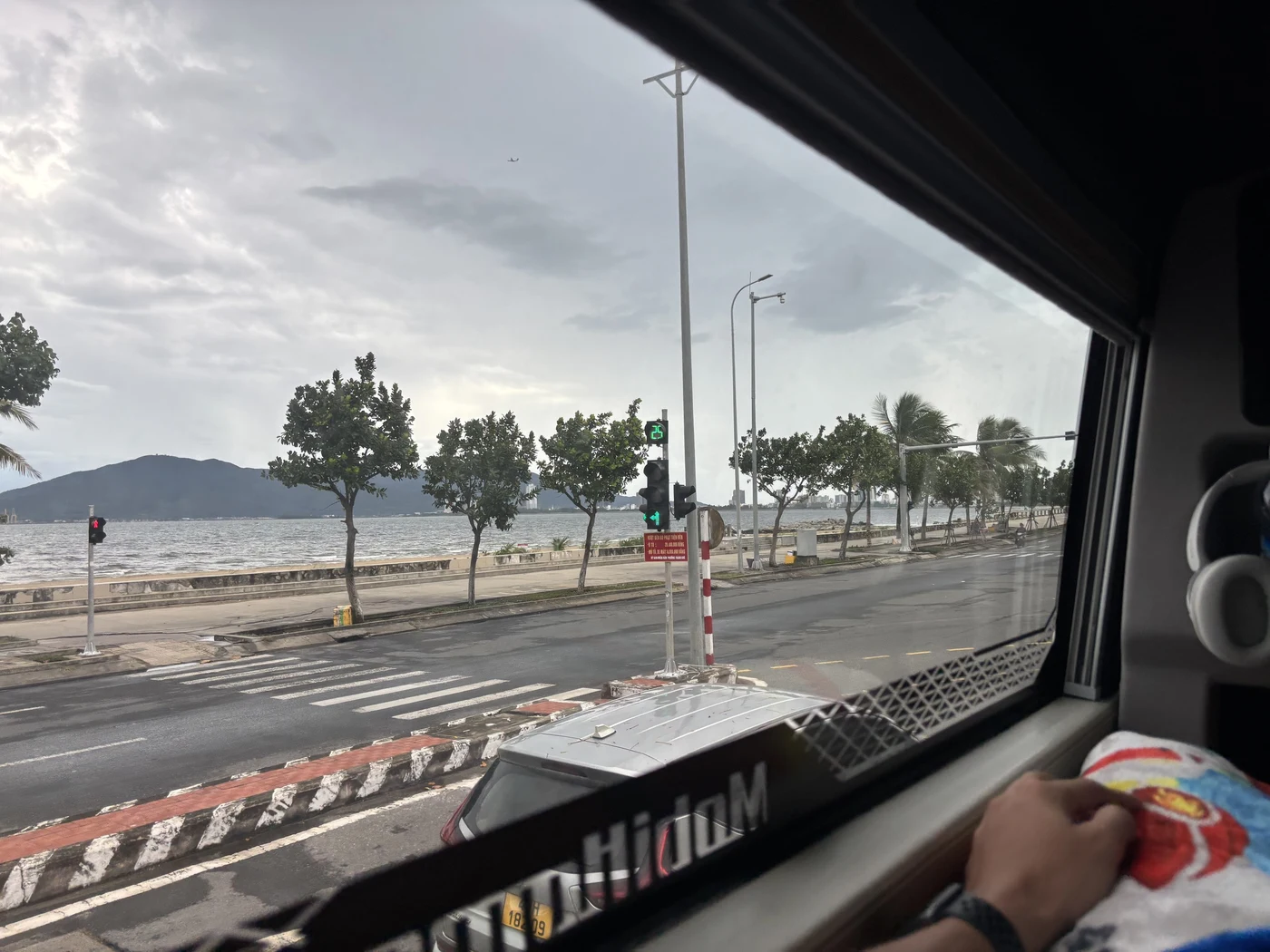
That’s a geography problem, not a service gap. Hoi An grew as a riverside trading town and a tourism base, and its transport links were built to feed Da Nang’s airport and highways, not to create a second border route 30 km south. Every operator running visa trips out of this region picks you up in Hoi An and drives you to Da Nang first, because that’s where the road to the border actually starts.
How Far Is It from Hoi An to Da Nang for a Visa Run?
The drive from Hoi An to Da Nang is about 30 km along the coastal road, taking 30-45 minutes by car and up to 60 minutes in heavy traffic. A Grab or taxi one-way runs roughly 250,000-350,000 VND (about $10-14), and prices can climb toward $17 during peak hours or surge pricing.
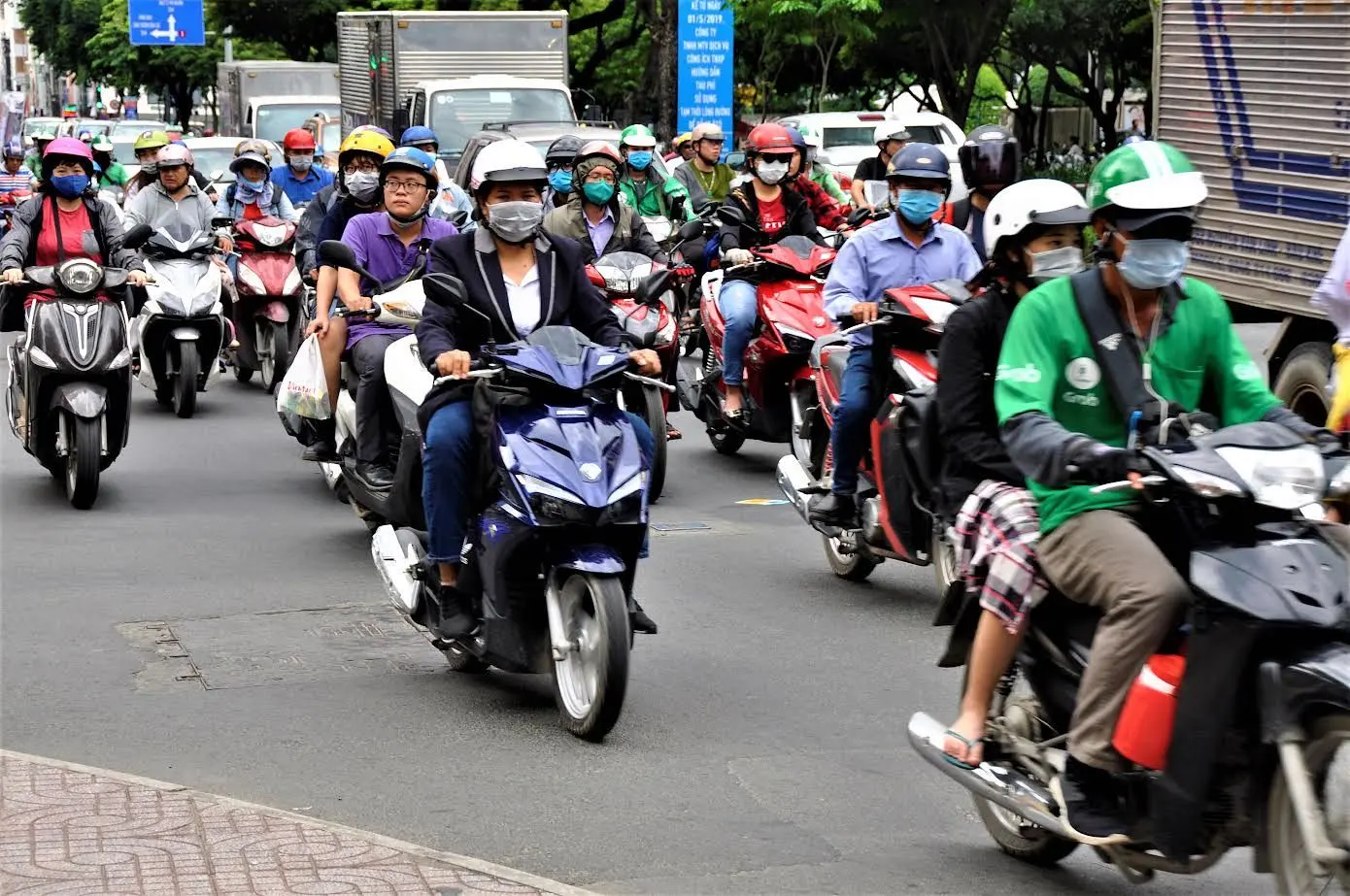
If you’re watching your budget, the local yellow bus (Route 1) connects Hoi An and Da Nang for about 30,000 VND (roughly $1.20), though it takes 60-75 minutes and doesn’t run on a schedule built for an early-morning border departure. Most visa-run travelers skip it for exactly that reason - a same-day Lao Bao trip needs a 5-6 AM start, and Grab is the only realistic way to make that window from Hoi An.
Which Border Crossing Do Visa Runs from Da Nang Use?
Da Nang-based visa runs mainly use three crossings: Lao Bao (into Laos), Moc Bai (into Cambodia, usually combined with a flight to Ho Chi Minh City) and Ha Tien (also Cambodia, via Kien Giang). For most people in Central Vietnam, Lao Bao is the fastest and cheapest option because it’s a single overland trip with no flight required.
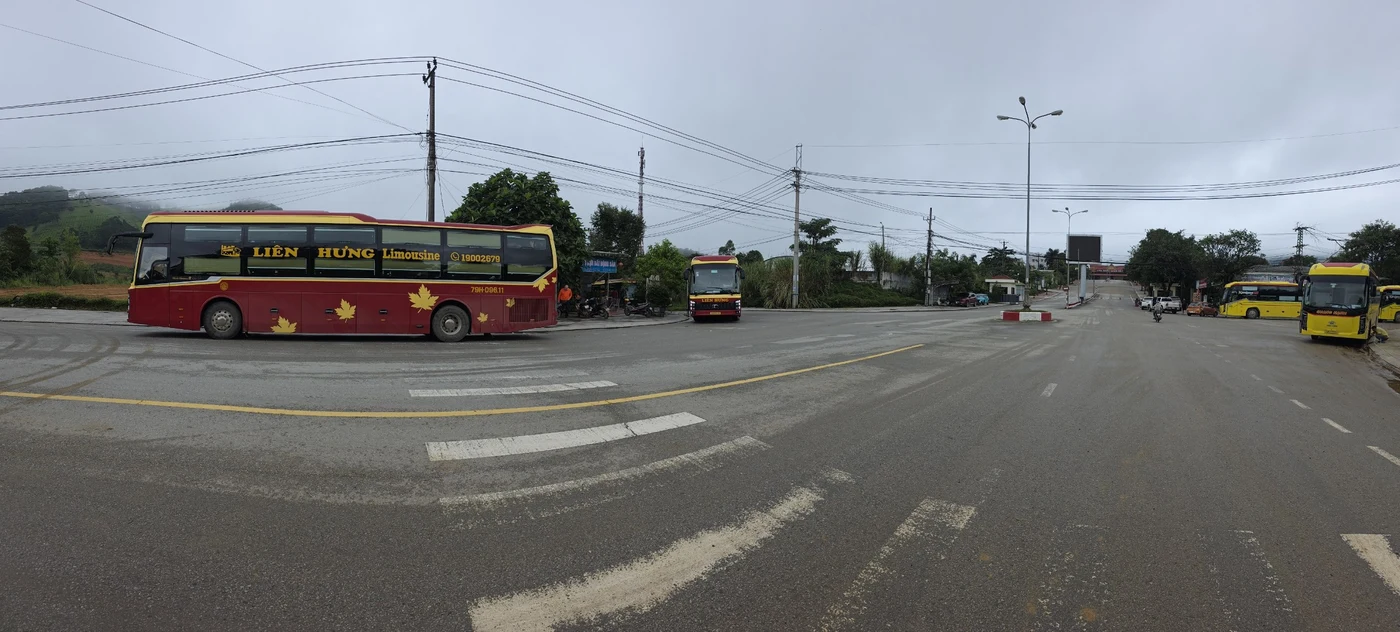
Lao Bao sits about 244-250 km from Da Nang via Route 9, through Dong Ha - roughly 5-5.5 hours one-way by road. A same-day round trip typically leaves around 5-6 AM and gets back to Da Nang by 7-8 PM, so it’s a long day but doable without an overnight stay. Moc Bai and Ha Tien exist as alternatives mainly for travelers already near Ho Chi Minh City or the Mekong Delta, not for anyone starting from Hoi An.
What Does a Lao Bao Visa Run Actually Cost in 2026?
A full Lao Bao visa run costs $87-213 per person all-in, covering the Laos visa-on-arrival, the new Vietnam e‑visa and transport - the range depends mostly on whether you book a shared VIP car or a private vehicle. By comparison, Moc Bai runs $58-120 and Ha Tien runs $70-140, but both usually mean a flight leg first if you’re coming from Da Nang or Hoi An.

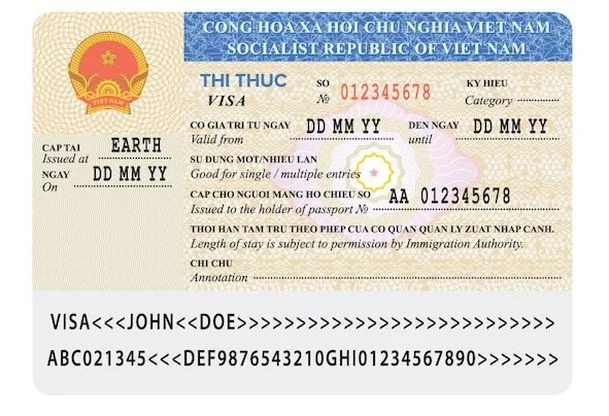
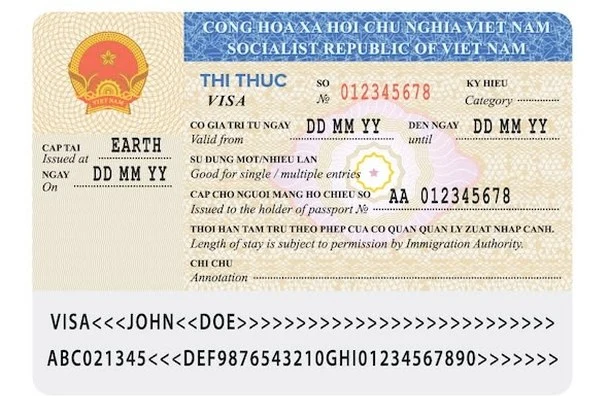
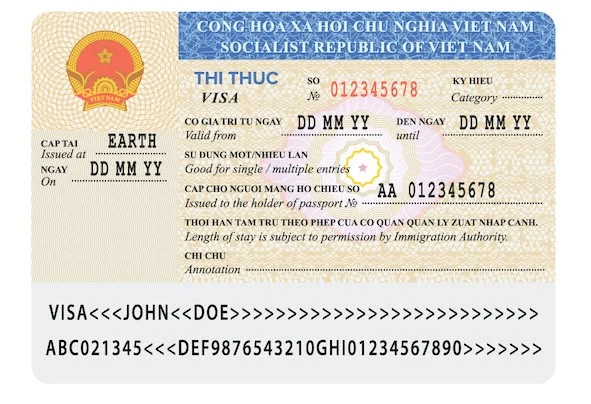
The Vietnam e‑visa itself is $25 for a single-entry visa or $50 for a multiple-entry visa, both valid for 90 days, under Circular No. 28/2026/TT-BTC. Processing takes 3-5 working days and the fee isn’t refunded if your application is rejected, so timing your visa run around a confirmed approval - not a guess - matters. On the Laos side, the visa-on-arrival at Lao Bao/Dansavan runs about $40-50 cash (no cards accepted at the window), plus a new digital border fee of roughly $0.46 that Laos started collecting nationwide in early 2026.
Step by Step: Doing a Visa Run from Hoi An via Da Nang
A Lao Bao visa run from Hoi An runs in five stages, and the order matters more than the driving itself — apply for the e‑visa first, then handle the road.

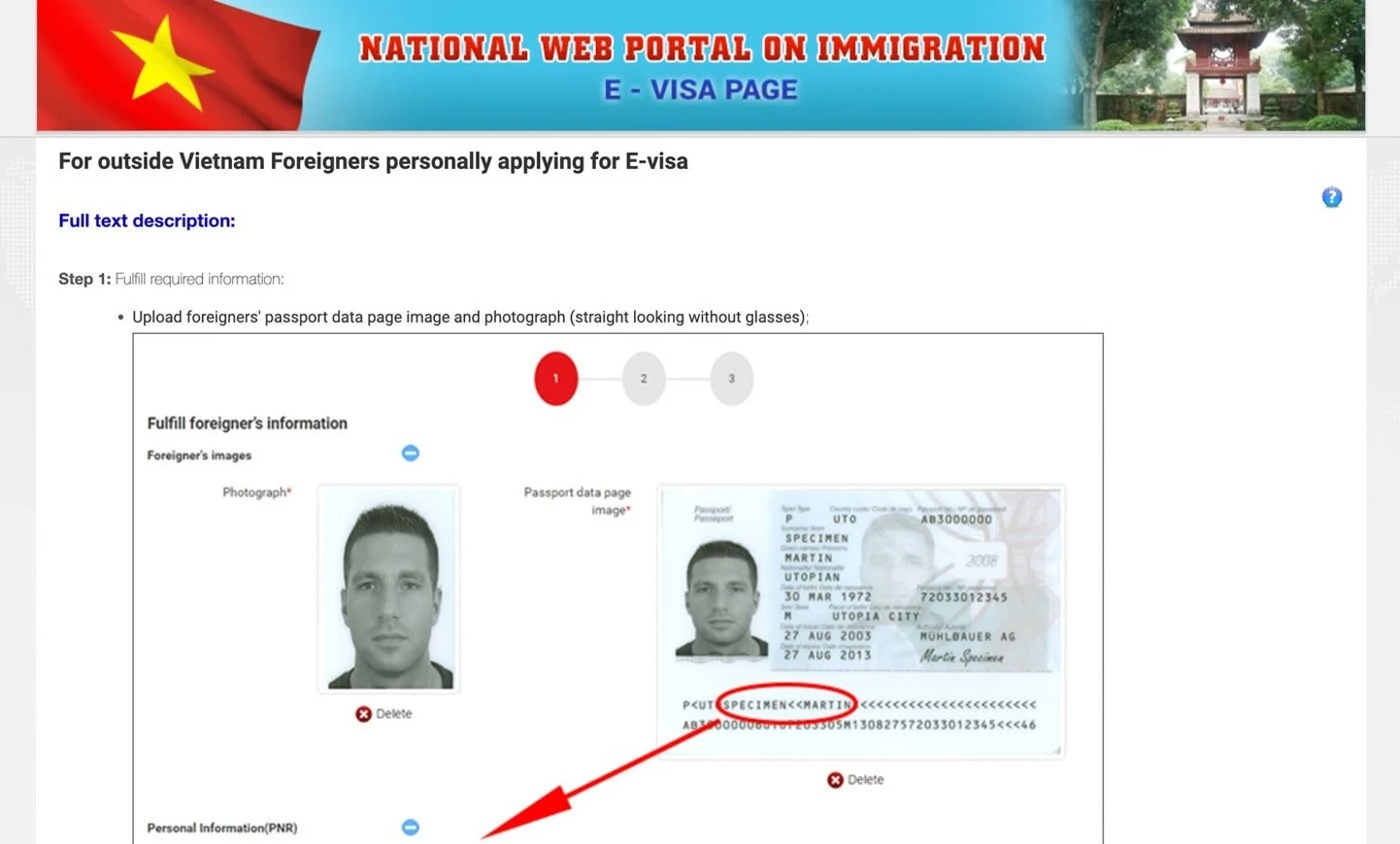
- Apply for your new Vietnam e‑visa before you leave - pick single-entry ($25) or multiple-entry ($50) at evisa.gov.vn, and list Lao Bao as your entry port if that’s the crossing you’ll actually use, since a mismatched port risks denied entry. Processing takes 3-5 working days.
- Get picked up in Hoi An around 5-6 AM for the roughly 30-45 minute transfer to Da Nang, then continue on Route 9 toward Dong Ha and Lao Bao - about 5-5.5 hours from Da Nang.
- Exit Vietnam at Lao Bao and cross into Laos at Dansavan, pay the Laos visa-on-arrival ($40-50 cash) and the digital border fee (~$0.46), then turn around.
- Re-enter Vietnam on your new e‑visa, showing the approval you already hold - this is why applying before you leave, not at the border, is what actually saves the day.
- Head back to Da Nang and on to Hoi An, arriving by roughly 7-8 PM if you kept to an early start.
What Mistakes Do People Make on a Hoi An Visa Run?
The most common mistake is treating Hoi An like it has its own border option and planning a late-morning start - by the time you’d reach Lao Bao on a 9 or 10 AM departure from Hoi An, you’re crossing well outside the crossing’s normal daytime hours and risk an unofficial “overtime” charge on the Vietnam side. The second mistake is applying for the e‑visa at the last minute; a rejected or delayed application with no buffer day means turning back from the border with nothing to show for the trip. We run this one start to finish — details on our Da Nang visa run page.
A third mistake is listing the wrong entry port on the e‑visa application. If you’re crossing at Lao Bao, your visa needs to say Lao Bao - immigration checks the port against where you’re actually standing, and a mismatch can mean denied entry after a five-hour drive.
Hoi An Visa Run: What to Choose
If you’re in Hoi An and need a new Vietnam visa, the practical answer is a same-day Lao Bao trip via Da Nang: apply for your e‑visa first, leave by 5-6 AM, and budget $87-213 for the full day depending on transport. Moc Bai and Ha Tien only make sense if you’re already near Ho Chi Minh City. There’s no shortcut that skips Da Nang - the road, the airport and the visa-run operators all start there.
This is a trip you can absolutely arrange yourself - apply on the official e‑visa portal, book a Grab to Da Nang, and hire a car or join a shared van to Lao Bao. But if you’d rather skip the 5 AM alarm, the paperwork checks and coordinating a driver who knows the crossing, I run this route with BestBus Vietnam: pickup from your Hoi An hotel, a guide who walks you through both border posts, and a return the same evening. Message me on Telegram and I’ll check what dates work.