From Hanoi, the quickest visa run goes to the Huu Nghi gate near Lang Son, about 150 km north-east of the city. Lao Cai in the north-west suits anyone already in Sapa. Laos is the long fallback: a same-day return needs a driver and a start before dawn. Chinese visa-free entry for Russian passports runs to 31 December 2027, which keeps both Chinese gates within a one-day trip in 2026, provided the gate you choose takes visa-free arrivals.
Which border is fastest and cheapest from Hanoi?
Huu Nghi wins on time: Hanoi to Lang Son is 150-154 km and takes 3 hours 20 minutes to 3 hours 30 minutes by bus, plus about 30 km to the gate. The Lao Cai bus costs roughly $4-6 one way, and Lang Son fares depend on the operator, so cost is close and the clock decides. Laos loses on both counts, because the nearest crossings sit 300-375 km from Hanoi.
| Crossing | Distance from Hanoi | One-way time to the gate | Next country entry | Vietnam side accepts e‑visa |
|---|---|---|---|---|
| Huu Nghi (China) | 150-154 km to Lang Son, then 30 km | about 3 h by car, about 4 h by bus via Lang Son | Visa-free for Russian passports, 30 days | Yes |
| Lao Cai (China) | about 250-265 km | 3.5 h by car on the expressway, about 5 h by bus | Visa-free for Russian passports, 30 days | Yes |
| Na Meo (Laos) | 300+ km via Thanh Hoa | 7+ h by road, per forum timings | Visa-free for Russian passports, 30 days | Yes |
| Cau Treo (Laos) | about 375 km | 4 h 41 min by car | Visa-free for Russian passports, 30 days | Yes |
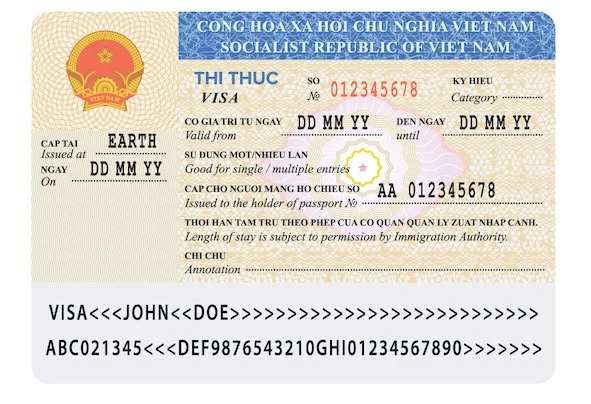
China’s visa-free entry at these specific land gates is worth confirming with a Chinese consulate before you go. Vietnam’s own list of e‑visa gates, published on evisa.gov.vn, includes all four, so your visa will not bounce at the Vietnamese counter.
Is Huu Nghi near Lang Son the easy option?
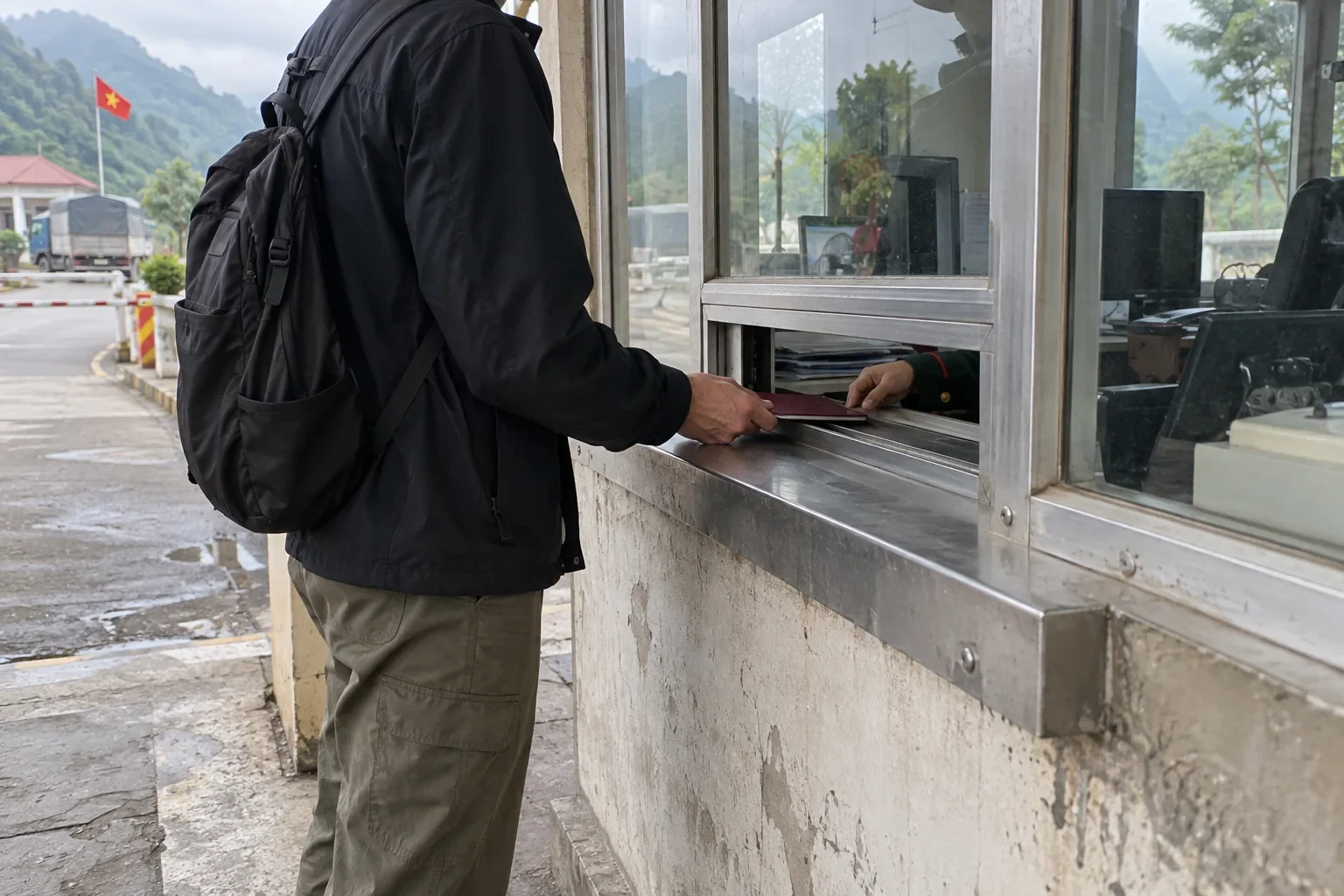
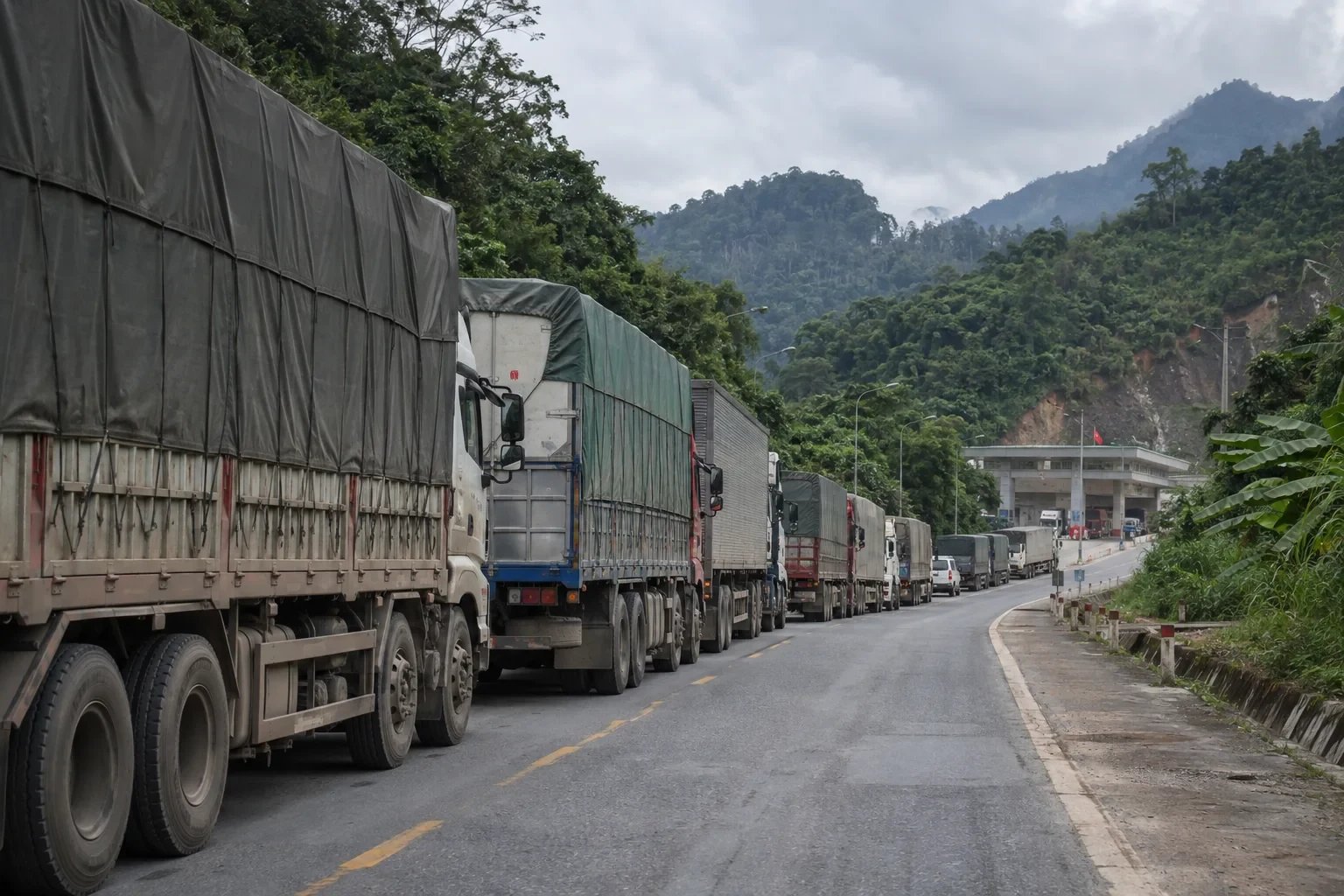
For most people, yes. The gate is the shortest trip from Hanoi, and the crossing itself is a walk of roughly 500 metres through the neutral strip between the two border posts. After Lang Son, add about 30 km and 45 minutes to reach the Friendship Pass.
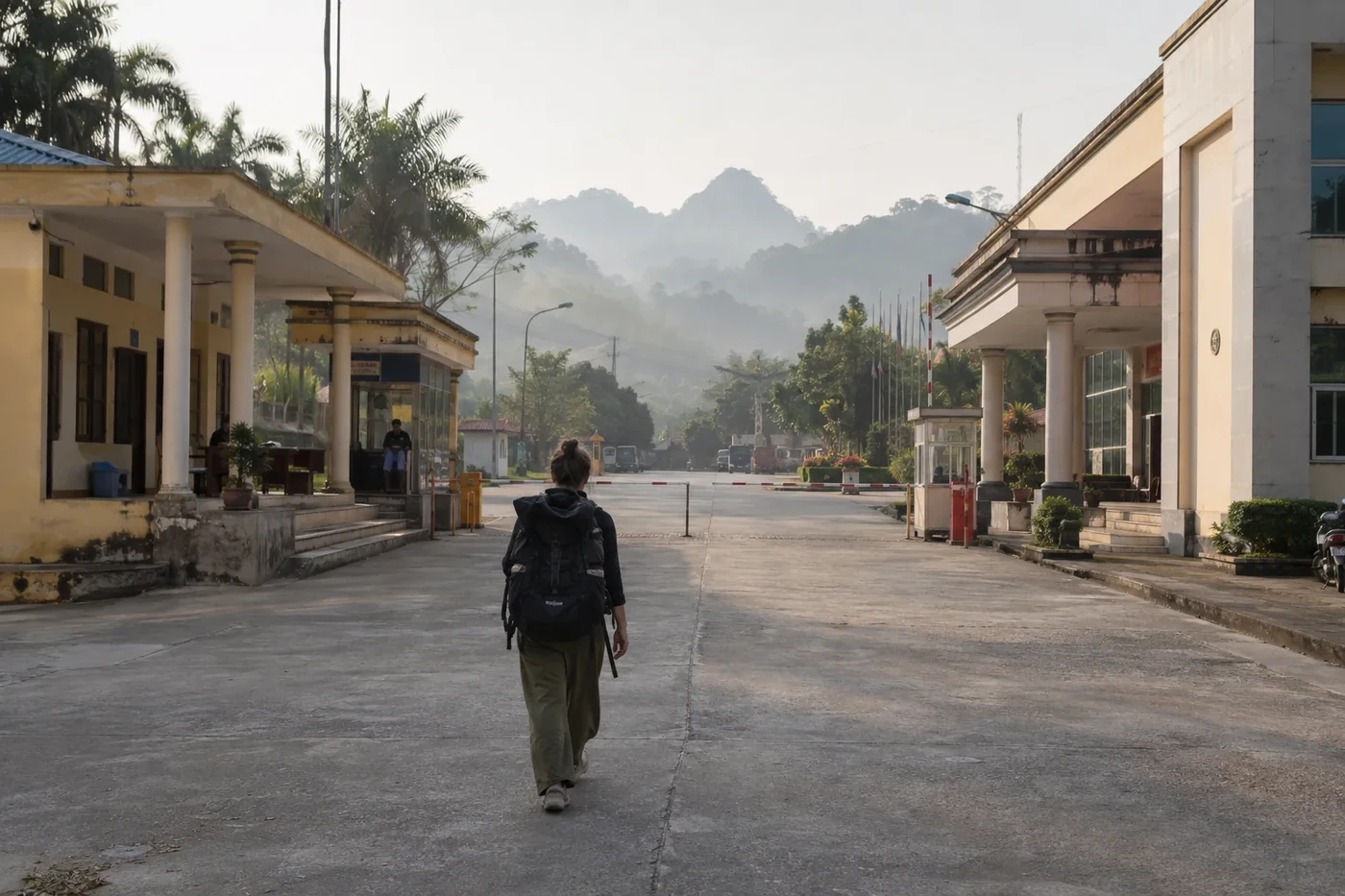
On the Chinese side, a Russian passport enters visa-free for up to 30 days. The Chinese foreign ministry extended the scheme on 20 May 2026 to 31 December 2027, so the old 14 September 2026 cut-off no longer applies. A day that begins at 6:00 in Hanoi leaves enough room for queues on both sides. If you would rather not deal with buses and transfers, the Hanoi visa run page lists the car with pickup at your door to Huu Nghi on Tuesdays and Fridays, the Na Meo route for Laos and the prices for both.
My full walk-through of this gate sits in Hanoi to China visa run: Huu Nghi step by step.
When does Lao Cai make more sense?
Lao Cai makes sense when you are already in the north-west. Sapa trains and buses connect through Lao Cai, and the border bridge over the Red River takes about 10 minutes on foot. The whole procedure usually runs 30 to 45 minutes without a queue.
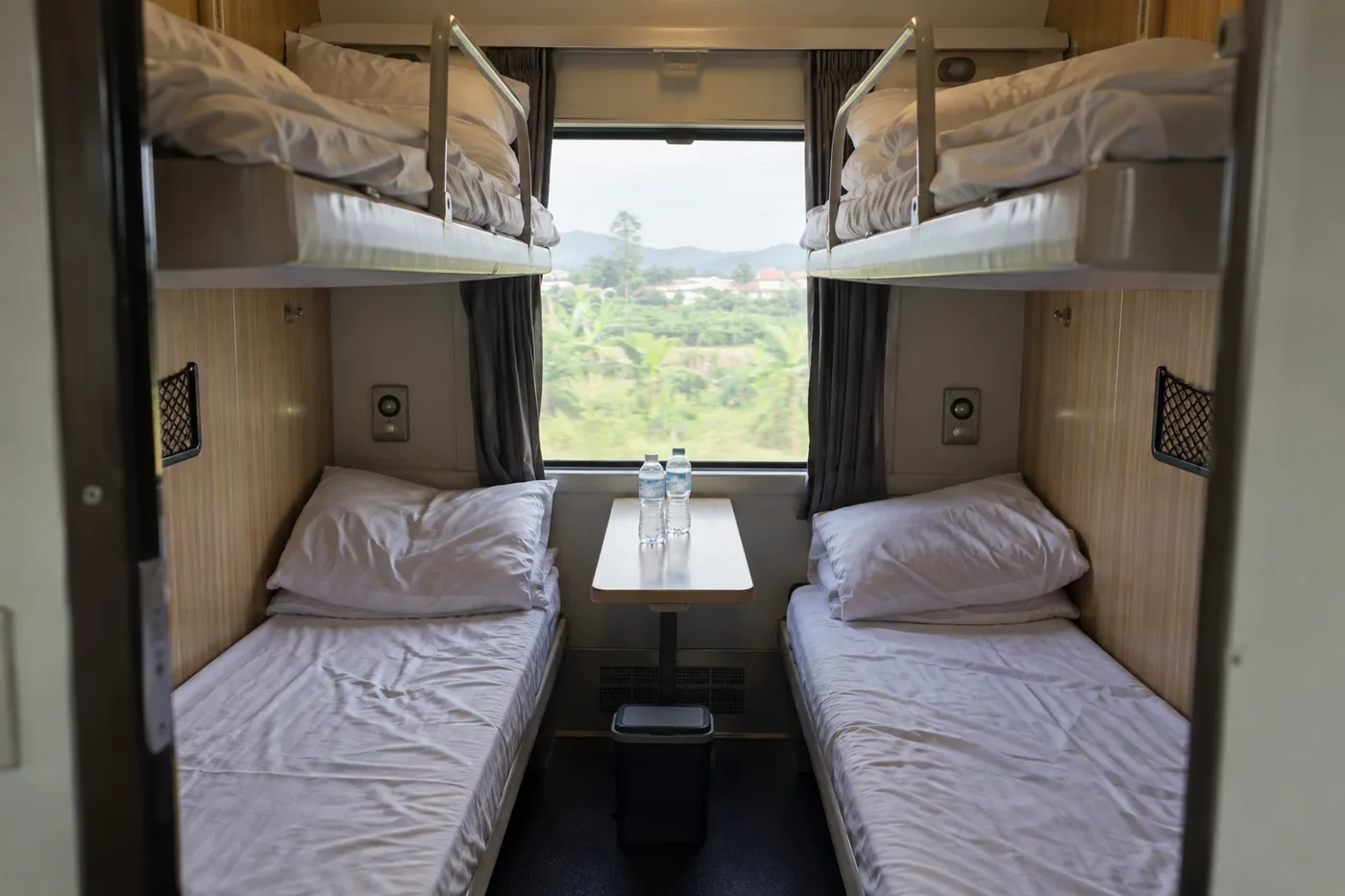
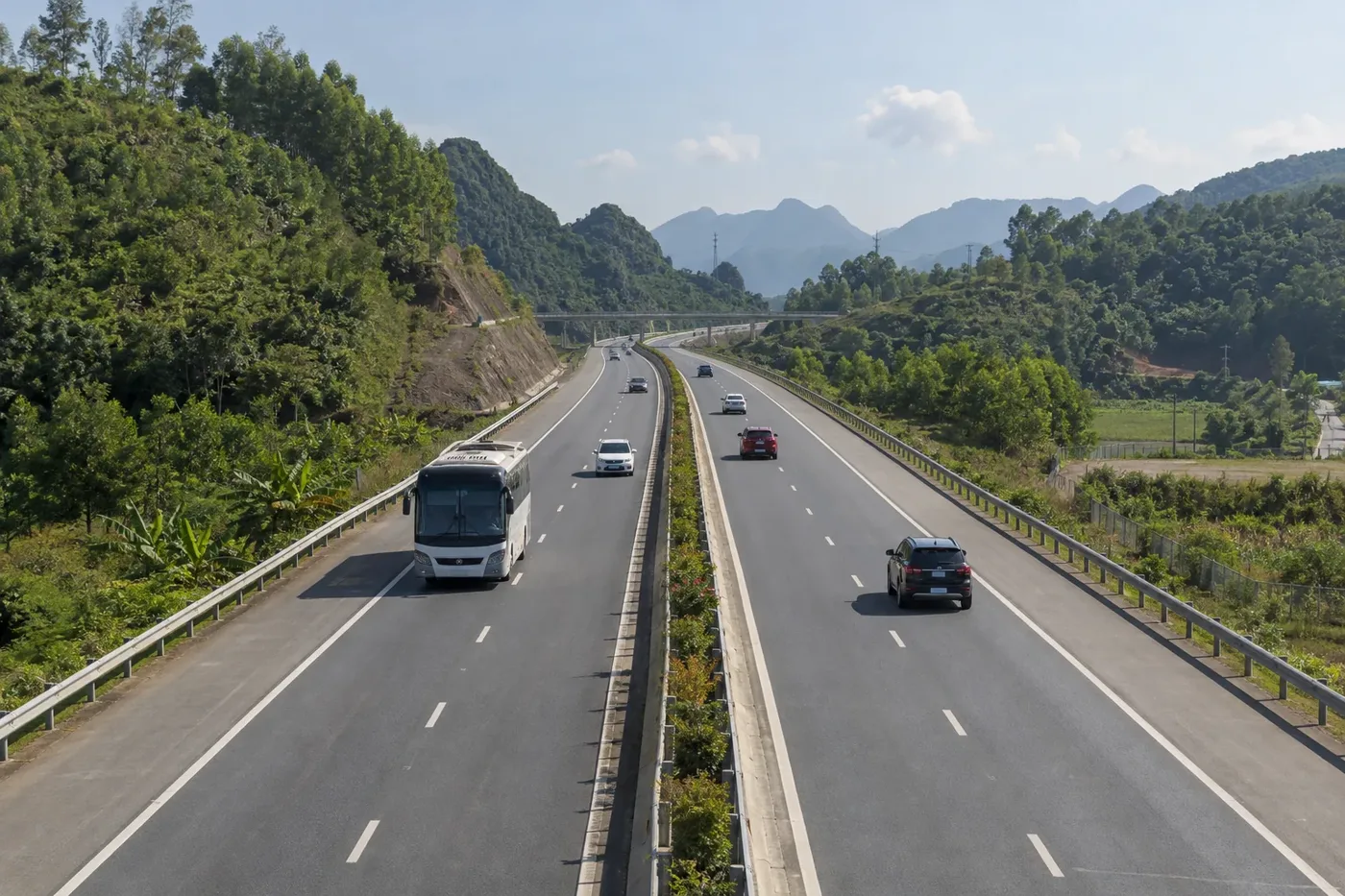
From Hanoi you have three ways to get there. The CT.05 expressway cuts the drive to about 3.5 hours by car. The bus costs roughly $4-6 (100,000-150,000 VND) and takes closer to 5 hours. The night train leaves three times a day between 21:45 and 22:40, takes 7 h 35 min to 7 h 50 min, and starts at about $24 for a soft four-berth cabin, per 12go.asia.
Hours at the checkpoint are reported as 7:00-19:00, though older sources list a later closing. Plan to be through before noon.
Can a train replace the bus to China?
Yes, through the rail crossing at Dong Dang. The MR1/MR2 international train runs from Hanoi Gia Lam through Dong Dang and Pingxiang to Nanning and resumed on 25 May 2025. It takes about 12 hours, with immigration checks at Dong Dang and Pingxiang, and a soft sleeper cost about $31 in 2025, so confirm the current fare before booking.
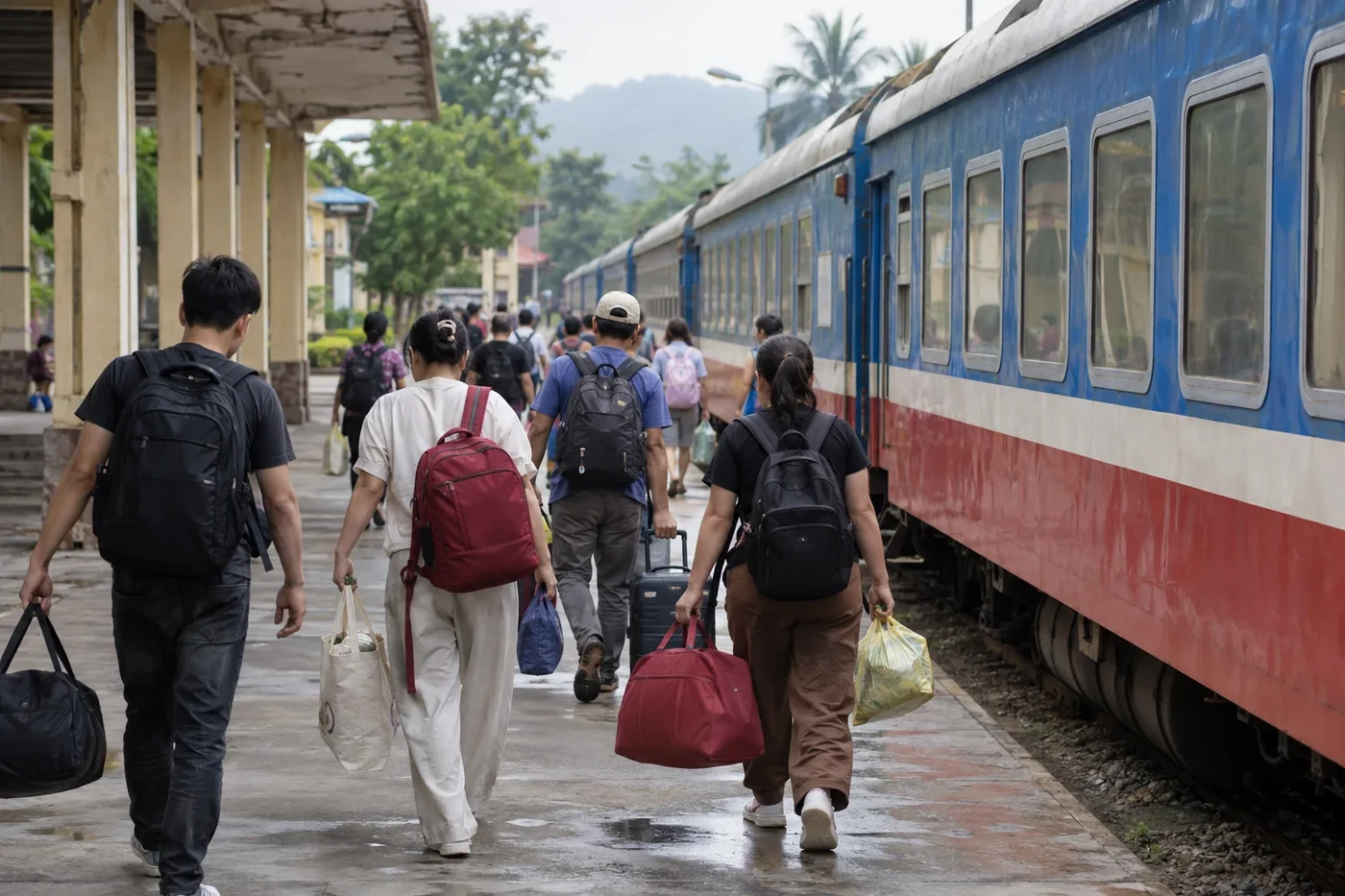
It suits a trip that continues into China. A visa run that has to end back in Vietnam the same day needs the bus instead.
Is Laos worth the longer drive?
Laos pays off when China does not suit your passport. Russians need no visa for up to 30 days, but expect a small border fee of a few dollars and the online LDIF arrival form. Other nationalities buy a visa on arrival for about $40 in cash, though at Na Meo the Lao visa on arrival and the Lao e‑visa are not accepted, so the visa has to be in the passport already. Reports on Cau Treo disagree, so carry the visa there too.
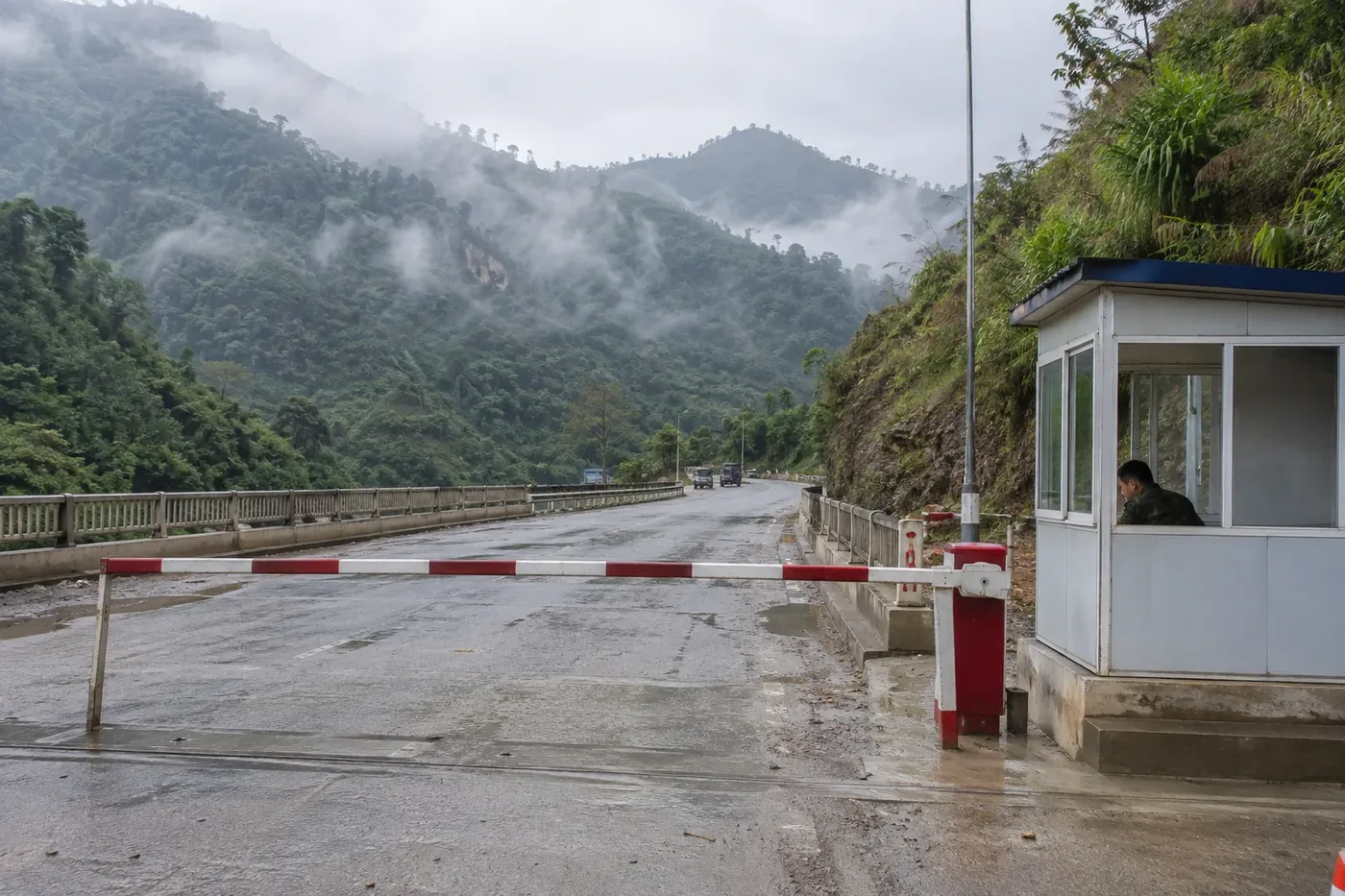
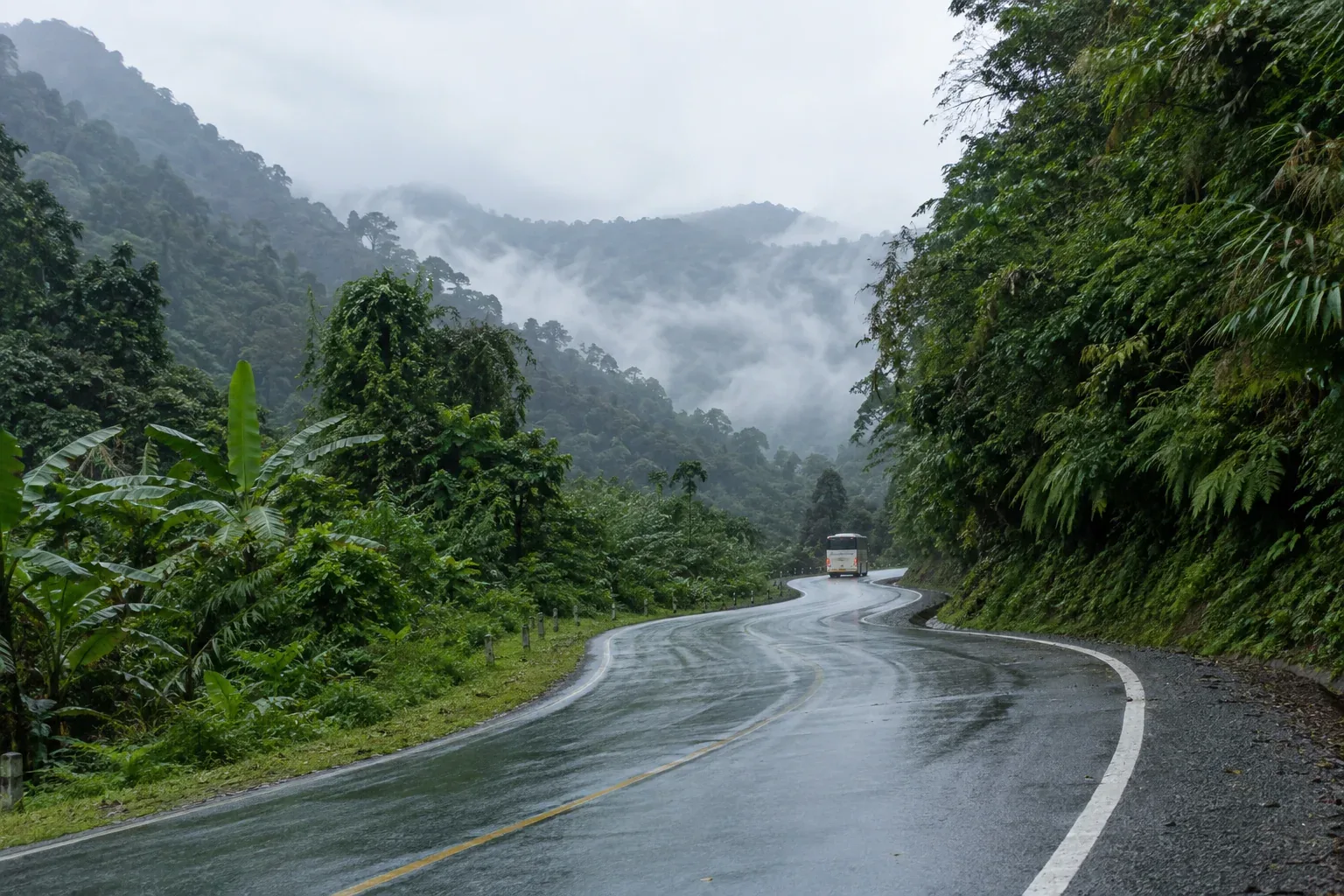
Distance is the problem. Na Meo lies beyond Thanh Hoa, and Cau Treo in Ha Tinh province is a 4 h 41 min drive one way. A same-day return works only with a driver and a start before dawn.
What does the whole run cost?
The fixed cost is the Vietnamese e‑visa itself: $25 for a single entry and $50 for multiple entries, valid for up to 90 days, paid on evisa.gov.vn. China charges nothing for Russian passports, and Lao checkpoints take a small fee of a few dollars, so the rest is transport.
The Lao Cai bus is the fixed $4-6 each way. Huu Nghi saves about an hour on the road compared with that bus, and ticket prices to Lang Son vary by operator, so check them on 12go.asia before you book. Laos is the most expensive in both time and fuel.
Should I do it myself or book it?
The border part is simple enough to do alone with a bus ticket and a printed e‑visa. The trouble starts earlier: payment on evisa.gov.vn often fails with foreign cards, so the fee never goes through, and a wrong entry gate on the form can turn you back at the counter.
At BestBus Vietnam I take that piece over: I pay the fee with my own card, set the entry gate to match your route and arrange the Hanoi departure on request, as described on the Hanoi visa run page. Send me your dates and I will tell you what fits that week: write to me on WhatsApp.
Which crossing should you pick?
Pick Huu Nghi if you leave from Hanoi for one day and want the shortest road. Pick Lao Cai when you are already in Sapa or want a fixed $4-6 bus fare. Pick Laos only if a Chinese entry is not available to you and you have a driver and a very early start.
Whichever gate you choose, enter it on the e‑visa form exactly as you plan to cross. The form and the entry gate are where runs go wrong most often, while the walk across the border fits into a morning. Tell me your date and where you start, and I will work out the route once you message me on WhatsApp.