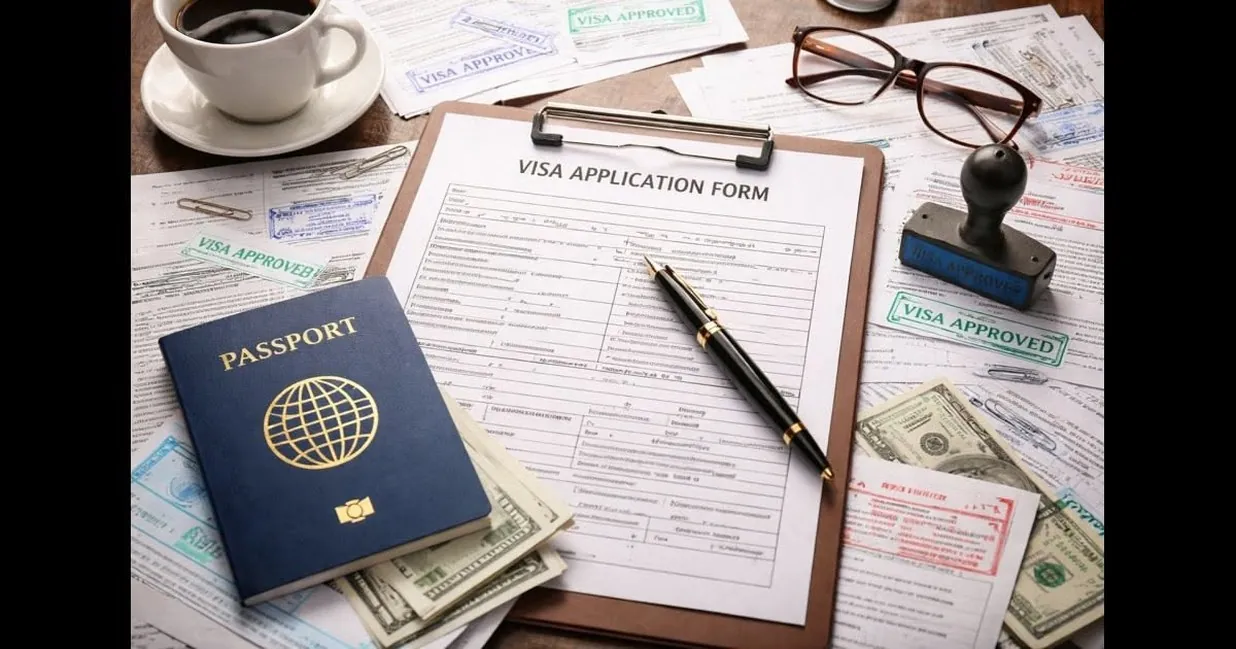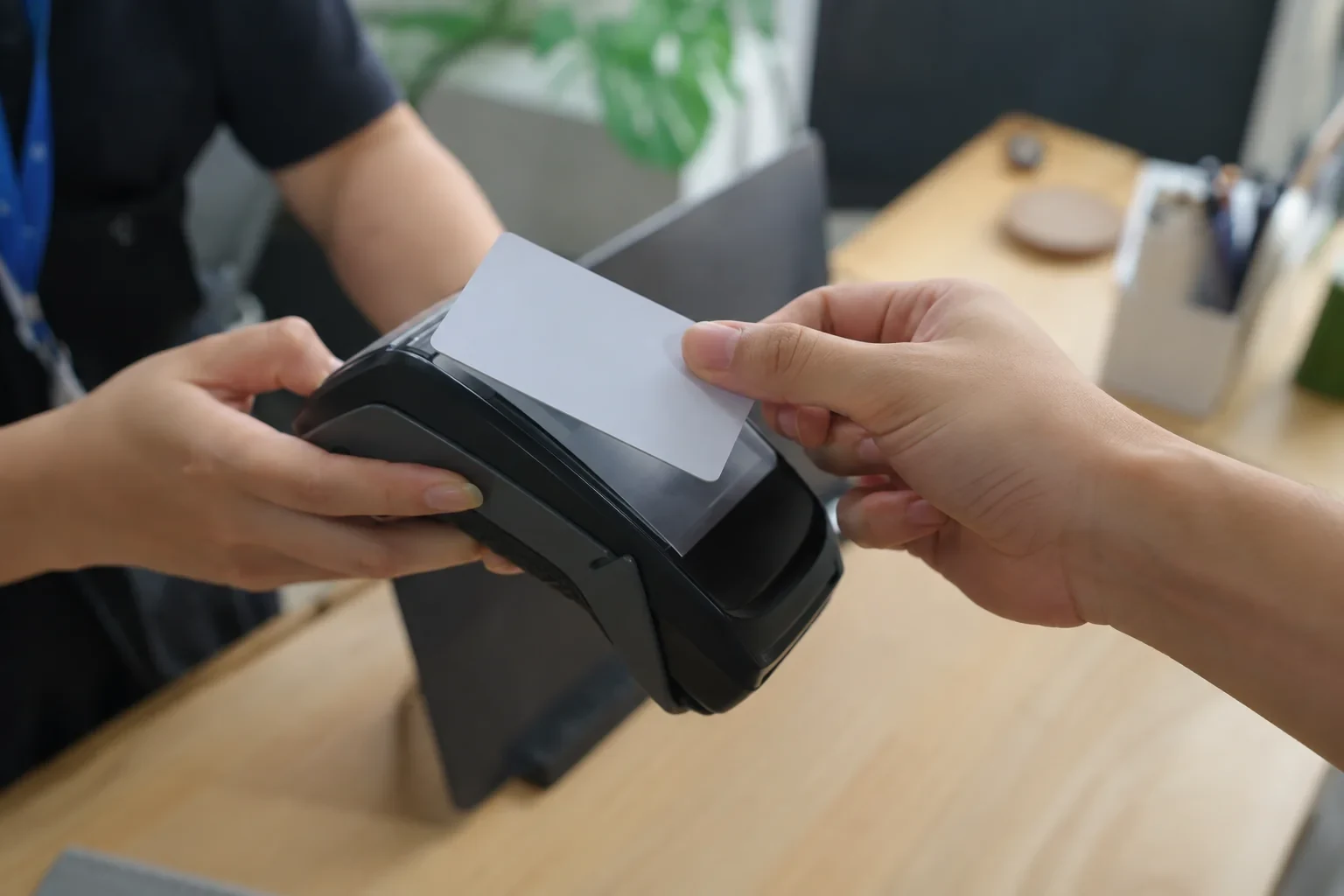
A virtual card from Revolut or Wise covers shops and ride apps in Vietnam, and the physical card behind it covers ATMs, but a virtual card is an unreliable choice for the e‑visa fee. According to one visa agency, prepaid and virtual cards may be declined at the payment page of the government e‑visa portal, so I treat that single payment separately from everyday spending.
I help travelers with Vietnam e-visas and visa runs from Da Nang, so card declines on the government portal are a problem I see up close. Below I compare each virtual card option by what it does in shops, at ATMs, in QR and ride apps, and on the e‑visa page. Limits and fees depend on the country that issued your card, so check your own plan before you fly.
Which virtual card works best in Vietnam?
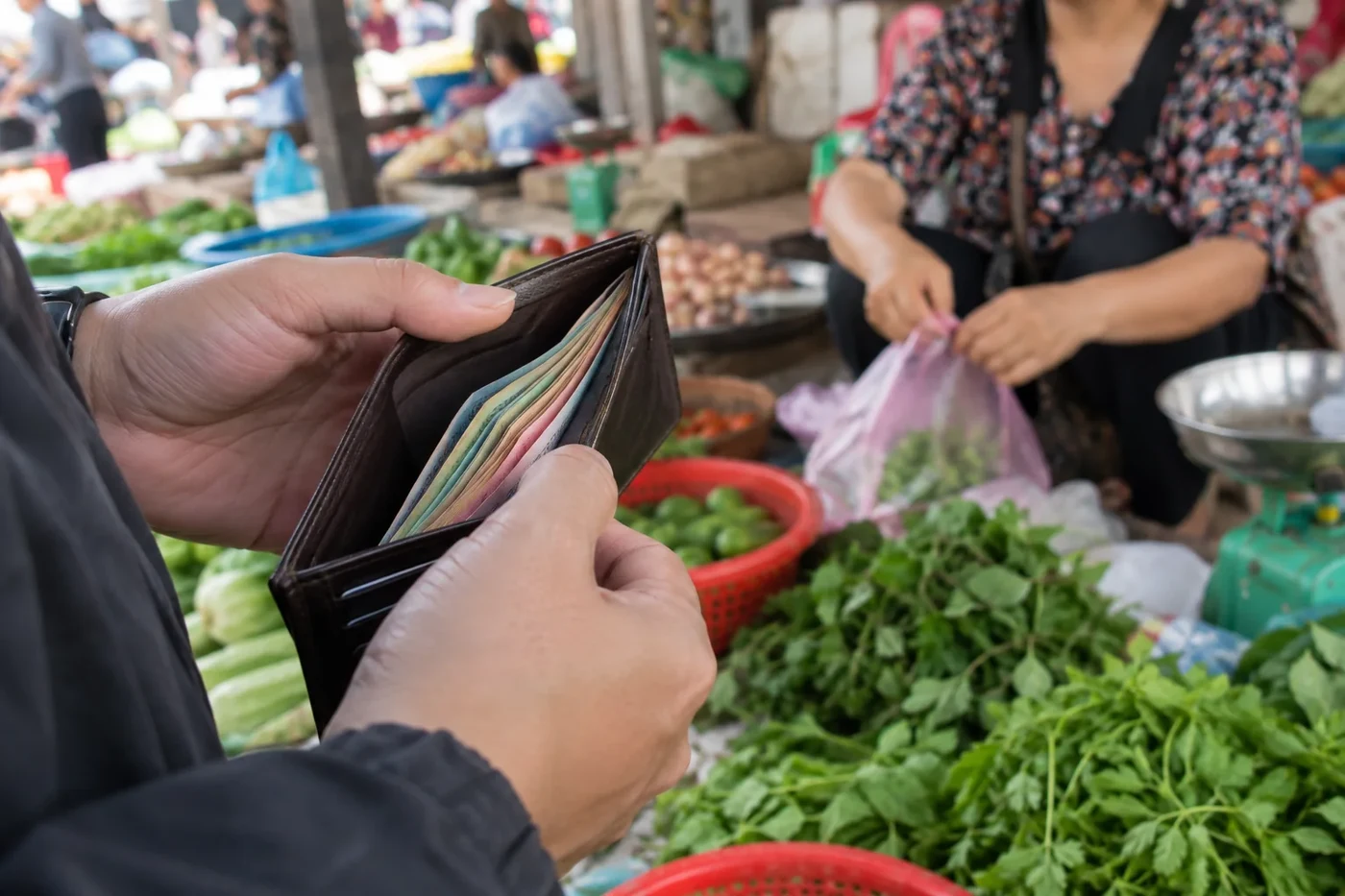
For everyday spending, a multi-use Revolut virtual card or a Wise digital card added to Apple Pay fits most visitors. Both are free to create in the app, and both pay in Vietnamese dong at card terminals. Visa, Mastercard and JCB are accepted in hotels, restaurants and malls in the big cities, while markets, street food and rural areas stay cash first.
| Option | Setup | Shops and apps | ATM cash | e‑visa fee | Main catch |
|---|---|---|---|---|---|
| Revolut multi-use virtual card | Free, instant in the app | Yes, via Apple Pay or Google Pay | Through the physical card, free up to your plan limit | May be declined | Weekend exchange markup on lower plans |
| Revolut single-use virtual card | Free, instant in the app | Online purchases only | No | Unconfirmed | Number changes after every payment |
| Wise digital card | Free in the app | Yes, via Apple Pay, Google Pay or Samsung Pay | Through the physical card, with an operator fee | May be declined | UK rules require the physical card first |
| Virtual card from your home bank | Depends on the bank | Usually online only | Rarely | Depends on the bank | Overseas payments must be switched on |
| Cash in dong | ATM or exchange | Markets, buses, street food | Source of the cash | Not possible | Many small sellers accept nothing else |
Does Revolut work in Vietnam?
Yes, a Revolut card works in Vietnam for travelers. Virtual cards are free and instant in the app, and the multi-use type can be added to Apple Pay or Google Pay for contactless payment in shops. Revolut states that ATM withdrawals are free within your plan limit, with a 2% fair-usage fee after it, and the limit grows with the paid plans and depends on the country that issued your card.
The single-use virtual card regenerates its number after each payment, so it suits a one-off online purchase and fails for subscriptions. On weekdays Revolut adds no extra exchange fee within your plan limit, and the higher Premium, Metal and Ultra plans lift that limit and drop the weekend markup. On weekends a third-party fee tracker lists about 1% on the Standard plan, so pay larger bills on a weekday when you can. My longer comparison of Wise, Revolut and a local VND card covers the setup for long stays.
Does a Wise digital card work in Vietnam?
A Wise card issued outside Vietnam works at Visa and Mastercard terminals and at ATMs there, and the digital card can sit in Apple Pay, Google Pay or Samsung Pay. Creating a digital card is free, and Wise lists conversion fees from about 0.24% to 0.26% depending on the issuing country.
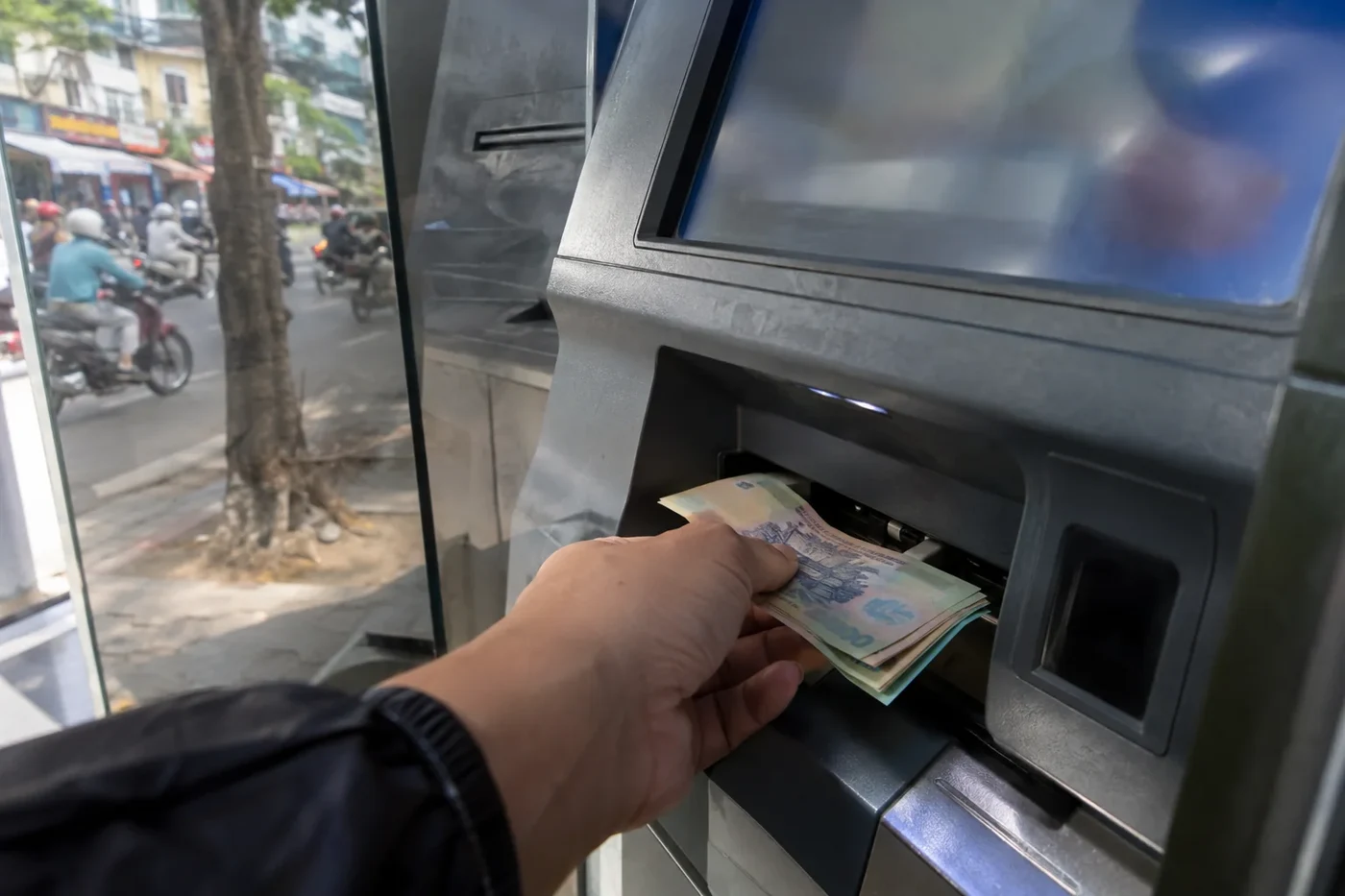
Rules differ by country. On its UK page Wise says the physical card has to be ordered before the digital card works, and a digital card alone handles only contactless ATM withdrawals. The mistake to avoid is flying with only the digital card and counting on it for cash. Apple Pay for Wise cards is supported in the US, UK, Singapore, Australia, Canada and several other countries. Check the help page of your own country before you rely on it.
Can a virtual card pay the Vietnam e‑visa fee?
Sometimes, but it is not reliable. The official portal evisa.gov.vn charges $25 for a single-entry e‑visa and $50 for multiple entries, paid online by international card, and processing takes 3 working days after payment. One visa agency reports that prepaid and virtual cards may be declined, and I could not find an official page that lists which cards the gateway accepts.
The usual cause is the issuing bank blocking online payments abroad, so call your bank and switch on overseas and online payments first. A declined or cancelled payment means you have to start a new application, so keep a buffer on the card above the fee for conversion costs. If the first attempt fails, I would switch to a physical card from another bank or network before paying again, because the declined payment has already cost you a fresh application. The steps are in my guide to a failed e‑visa payment.
This is where people usually write to me. You can retry with a second card, and many people get through on the next attempt. If you would rather not risk another failed payment, BestBus Vietnam pays the government fee with its own card, so your card never touches the gateway. Message me on WhatsApp with your arrival date and I will tell you how fast it can be done.
How do you pay QR codes and ride apps with a foreign card?
A foreign card number cannot pay a VietQR code directly. Foreign cardholders usually go through the VNPAY app: register with an international phone number and passport, link a Visa, Mastercard or JCB card, then scan the code and confirm with a PIN and an OTP. Wise users can also pay many Vietnamese QR codes inside the Wise app through Alipay+, where the Alipay+ logo is shown.
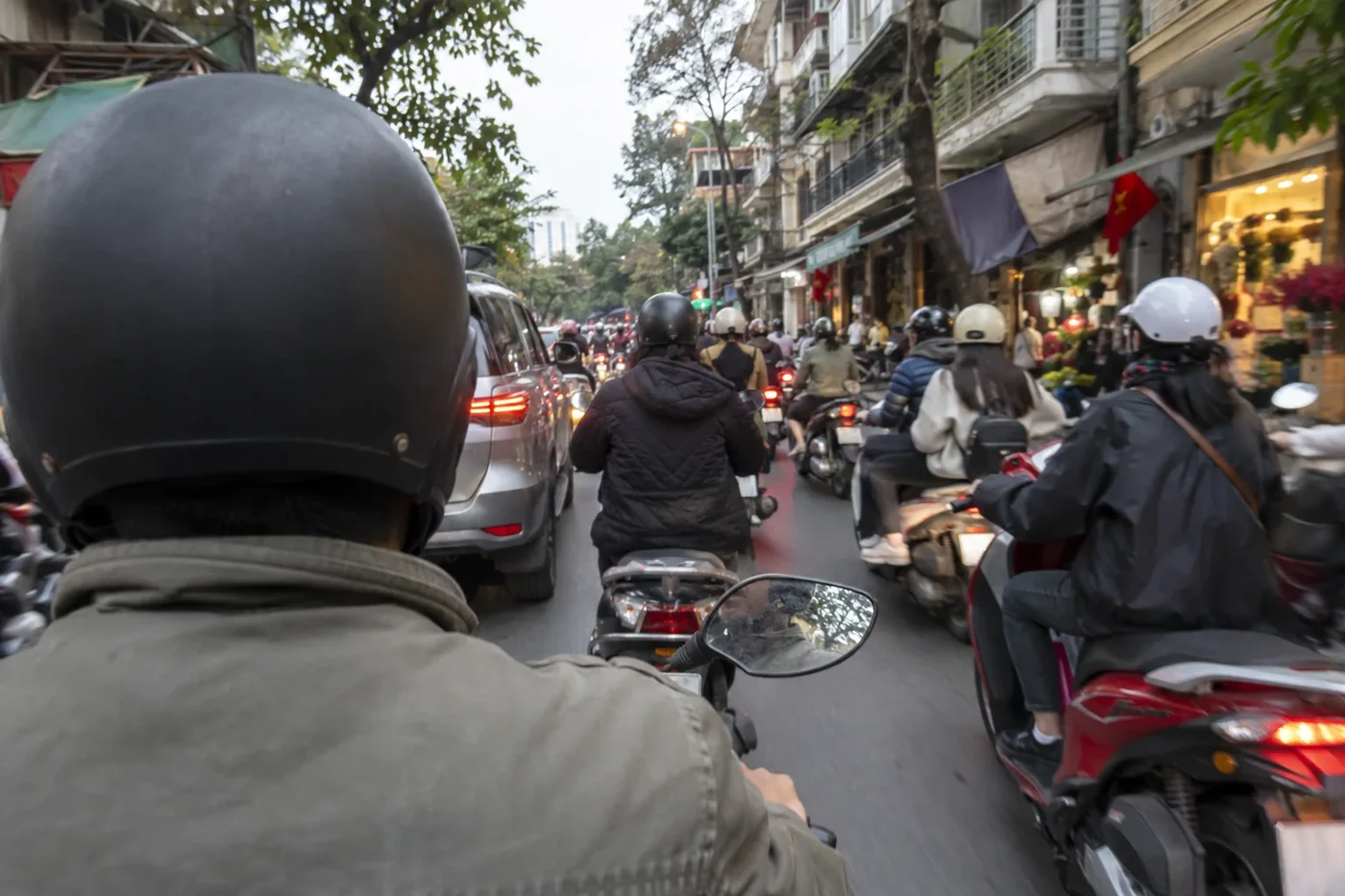
Ride apps are simpler. Grab accepts international Visa, Mastercard, JCB and Amex cards linked through its Moca payment gateway, and it allows foreign phone numbers. Local e-wallets such as MoMo are harder, because from 2026 they require identity and biometric verification that is often done in person. VietQR Global, launched in 2025, also lets wallets from China, South Korea, Cambodia, Thailand and Laos pay Vietnamese QR codes, which helps if you already hold one of those wallets. More detail is in my guides to VietQR for foreigners and to registering MoMo.
Which card setup should you choose?
Carry one multi-use Revolut or Wise digital card in Apple Pay for daily spending, plus a second physical card from a different bank and network for the e‑visa fee. Add the VNPAY app for QR codes and keep cash in dong for markets, buses and street food. Call your home bank before you fly so overseas and online payments are switched on.
You can do all of this yourself: set up the cards, pass the portal and retry when a payment fails. If you would rather skip the retries, send me your passport country and travel dates on WhatsApp and I will answer with timing and next steps.
Frequently asked questions
Can I keep my Revolut or Wise card after I move to Vietnam?
Not for the long term. Revolut is not available to residents of Vietnam, and Wise does not issue cards to Vietnam residents either. Cards issued abroad keep working while you travel, so plan a local bank account if you relocate.
How much does a Vietnamese ATM charge a foreign card?
Vietnamese ATM operators add their own fee of roughly $1-$2 (20,000-55,000 VND) per withdrawal on top of your provider’s allowance. One withdrawal is usually capped at about $80-$400 (2-10 million VND), depending on the operator.
Should I pay in dong or in my home currency?
Always choose dong. When a terminal or ATM offers to charge your home currency, that is dynamic currency conversion at the operator’s own, worse rate. Declining it leaves the conversion with Revolut or Wise.
Can a foreigner open a Vietnamese bank account to get a local card?
Often not on a tourist visa. Expat guides for 2026 say major banks want a work visa or a residence card valid for 12 months or more, though some Vietcombank and BIDV branches have accepted an e‑visa. Ask the branch before you travel.