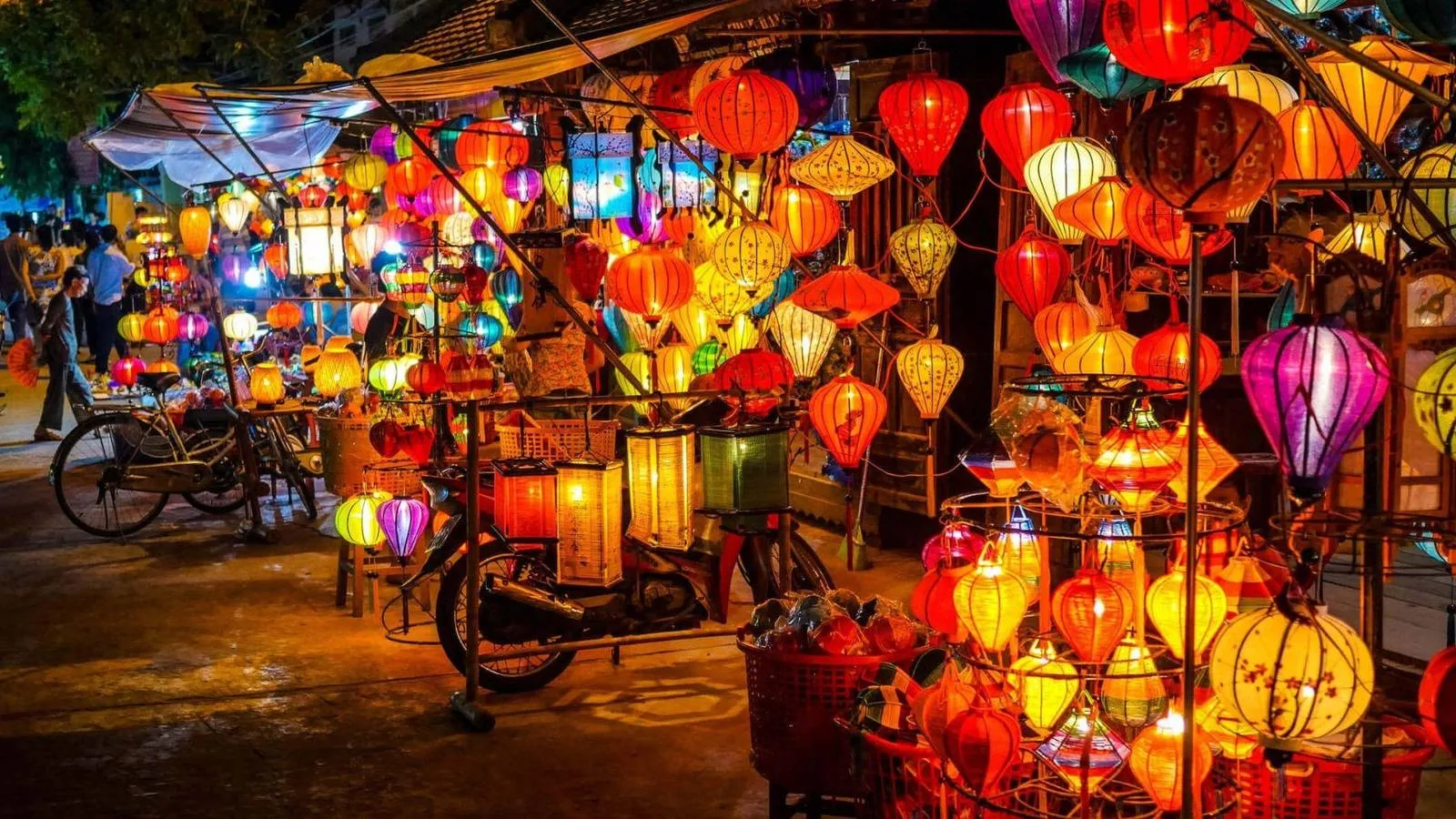
Three parts of Traditional Vietnamese Medicine are genuinely worth trying as a visitor or new expat: tẩm quất pressure massage (150,000-250,000 VND/hour), acupuncture at a Ministry of Health-licensed clinic, and herbal tea with ginger and turmeric for a cold - cupping and coin-scraping (cạo gió) are more cultural experience than treatment, and that’s fine too. If you’d rather someone just handle the parts of settling in that aren’t fun to figure out alone, there’s a faster way - more on that at the end.
What Should a First-Timer Actually Try?
Start with tẩm quất massage, not acupuncture or cupping. It’s a pressure-and-stretch technique focused on muscles and tendons, costs about $6-10 an hour in Da Nang, and there’s zero learning curve - you lie down, someone works out the knots, you leave relaxed. It’s the safest entry point into Vietnamese traditional practices by a wide margin.
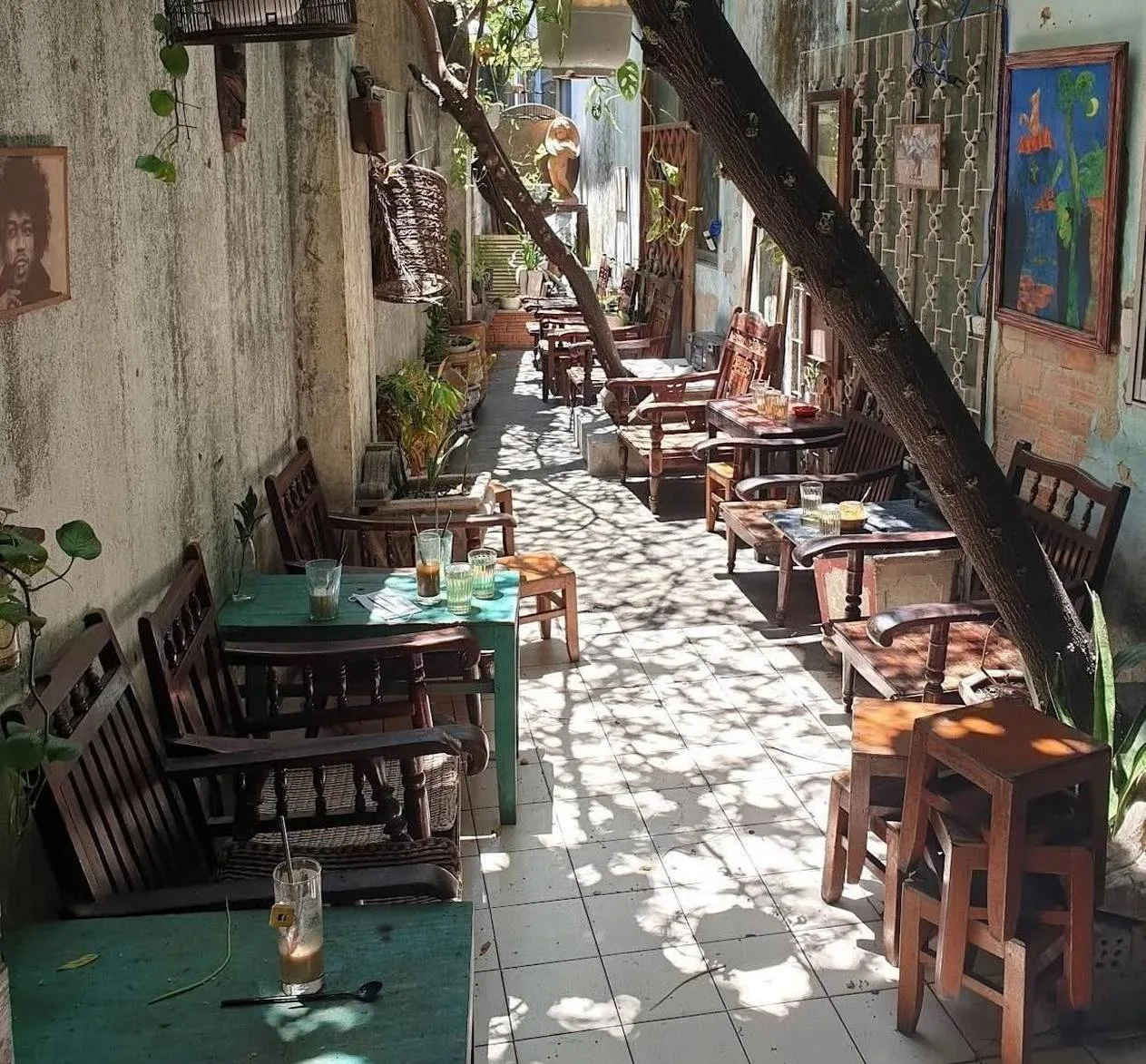
Here’s the order I’d actually go in as a first-timer:
- Try tẩm quất massage first - low risk, immediate feedback on whether you like the style.
- Ask to see a license before booking acupuncture - not every storefront offering it is legitimate.
- Buy herbal tea (ginger, turmeric, lotus seed) from a pharmacy or a Vietnamese friend, not an unmarked street stall.
- Only try cupping or cạo gió (coin-scraping) if someone explains the bruising beforehand - it’s expected, not a complication.
- Any pain that doesn’t ease after 2-3 sessions goes to a regular doctor, not another round of herbs.
Is Vietnamese Coin-Scraping (Cạo Gió) Actually Safe?
Yes - cạo gió leaves visible bruising that fades within a week, and I haven’t seen it cause real harm in three-plus years in Da Nang. A smooth-edged tool (often just a coin) is scraped along the skin to treat colds and muscle tension; Vietnamese grandmothers have done this to kids for generations. It looks alarming in photos and feels fine in practice - mild soreness, not pain.

Moxibustion (burning dried mugwort near acupuncture points) and cupping (giác hơi, suction cups pulling blood to the surface) work on a similar logic - visible marks, minimal actual risk when done by someone experienced. None of these three require a hospital-grade setting; a reputable local spot is enough.
Where Do Locals Buy Herbal Medicine in Hanoi?
Phố Lãn Ông, in Hanoi’s Old Quarter, has sold dried herbs, roots, and tinctures since the early 1800s - named after Le Huu Trac, an 18th-century Vietnamese physician still studied in local medical schools. The neighboring street, Thuốc Bắc, carries the same trade.
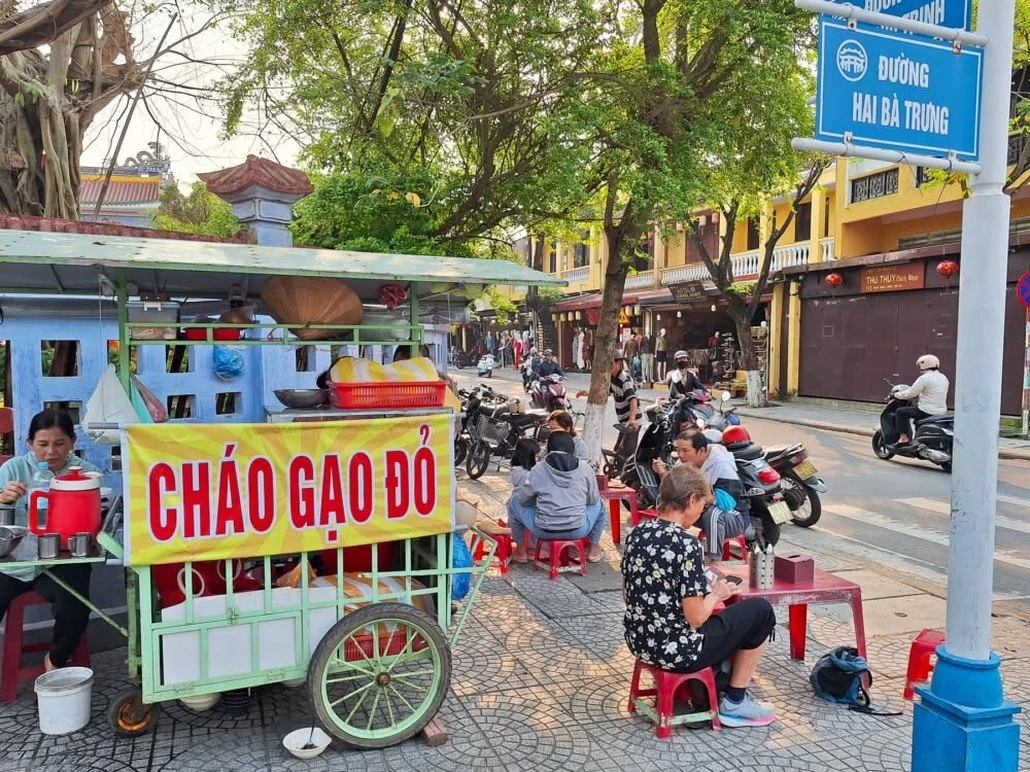
This is where I usually point people who ask about settling into daily life in Vietnam for a while, not just visiting. If you’re staying long enough to explore things like this, the paperwork side of Vietnam catches up eventually - the visa run I handle personally starts in Da Nang, and I pay the e-visa government fee with a card that evisa.gov.vn actually accepts, since most foreign cards get declined. What that side needs from you is just your passport scan and travel dates - the payment and processing get handled through our Vietnam visa and long-stay services from there.
Is the FITO Museum in Ho Chi Minh City Worth a Visit?
Only if you’re staying more than a couple of days in HCMC. The FITO Museum of Traditional Vietnamese Medicine, founded in 2007 by pharmacist Le Khac Tam, holds over 3,000 objects - some dating back to the Stone Age. It’s at 41 Hoang Du Khuong, Ward 12, District 10, open daily 8:30 AM-5 PM, tickets 180,000 VND for adults and 90,000 VND for kids, about 30 minutes by taxi or Grab from downtown.
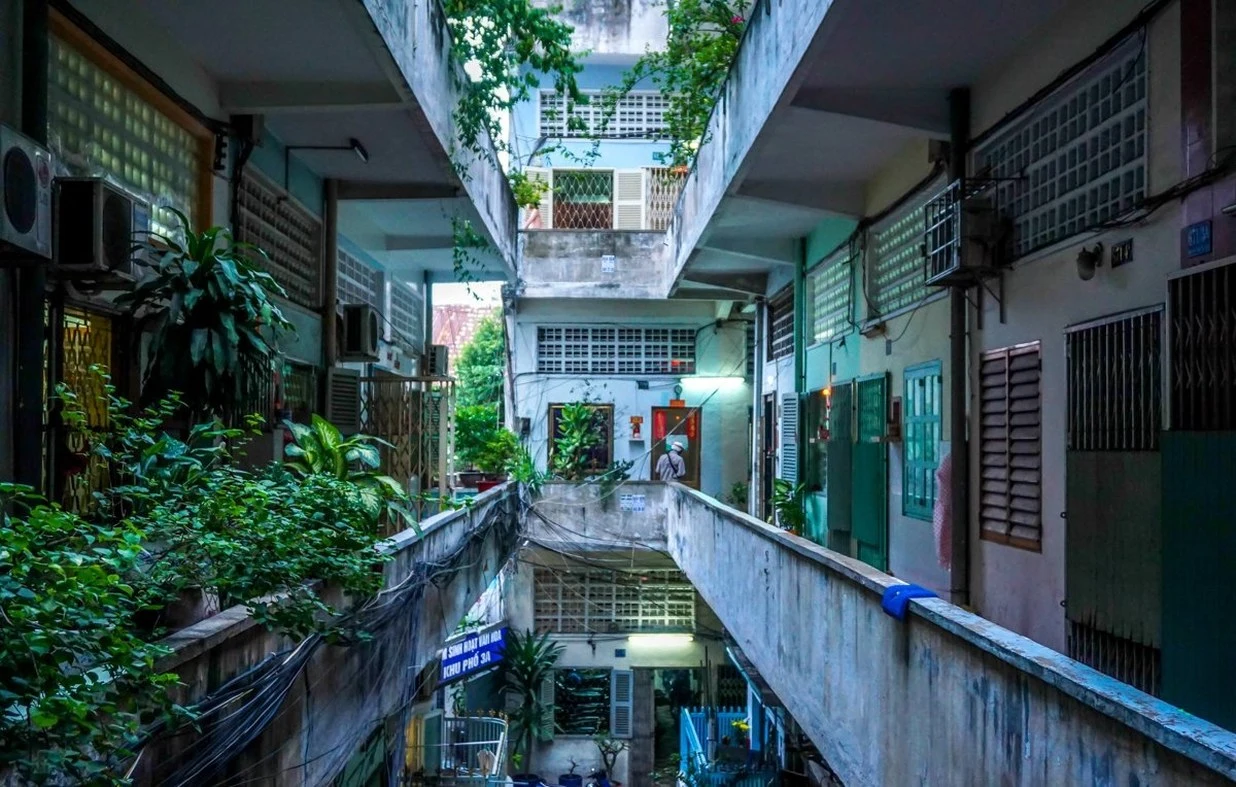
For a single day in the city, skip it and prioritize other things. If you’re staying in Vietnam long-term, it’s an hour well spent and cheaper than most museum tickets back home.
When Should You See a Western Doctor Instead?
Broken bones, a fever lasting more than three days, or sharp chest or abdominal pain go straight to a hospital - ideally one with English-speaking staff, not a traditional medicine practitioner. Traditional Vietnamese Medicine is officially recognized by the Ministry of Health and used alongside Western medicine in public hospitals, but alongside, not instead of it.
If you’ve read this far because you’re actually settling into life here rather than passing through, the visa question is usually the next thing on the list. I handle e-visa applications and border visa runs from Da Nang start to finish - message me on Telegram and I’ll tell you what you actually need for your situation.