Can a Foreigner Open a Vietnamese Bank Card Without a Long-Term Visa?
Yes - state-owned bank BIDV now issues international debit cards to foreigners on a regular tourist e‑visa, no work permit or residence card required. Until recently, opening any local account meant showing a long-term visa or a labor contract, which locked out anyone just passing through on a 90-day e‑visa.
I run this checklist every time a reader messages me asking how to stop bleeding money on foreign-transaction fees while staying in Da Nang for a few months. Here’s what actually works in 2026.
Why Your Home Bank Card Isn’t Enough Here
Most foreign cards technically work at Vietnamese ATMs and card terminals, but the fees stack up fast: a withdrawal fee from your home bank, a conversion fee, and often a flat charge from the local ATM operator. Over a two- or three-month stay, that adds up to real money - I’ve seen nomads lose $40-60 a month just to withdrawal fees alone.
Card networks with weak local infrastructure make it worse. If your card runs on a payment network with limited acceptance outside major banks, you’ll find yourself walking past three ATMs before one finally works.
What a Local BIDV Card Actually Gets You
A BIDV international card lets you pay directly at local terminals and withdraw dong from any BIDV ATM without the double conversion fee your home card charges. It’s a genuine bank card, not a prepaid tourist product, so it also works for smaller local platforms that don’t accept foreign Visa or Mastercard at all: local food delivery apps and motorbike rental deposits are the two I hit most often.
The catch: rules vary by branch. One traveler I know was asked for proof of a local phone number at the branch counter; another walked in with just a passport and an e‑visa printout and walked out with a card same day.
Step-by-Step: Opening the Card
The whole process takes anywhere from same-day to about a week, depending on the branch. Here’s the order that works:

- Pick a BIDV branch in a tourist-heavy area (Da Nang, Ho Chi Minh City, Hanoi) - staff there deal with foreigners daily and the process moves faster.
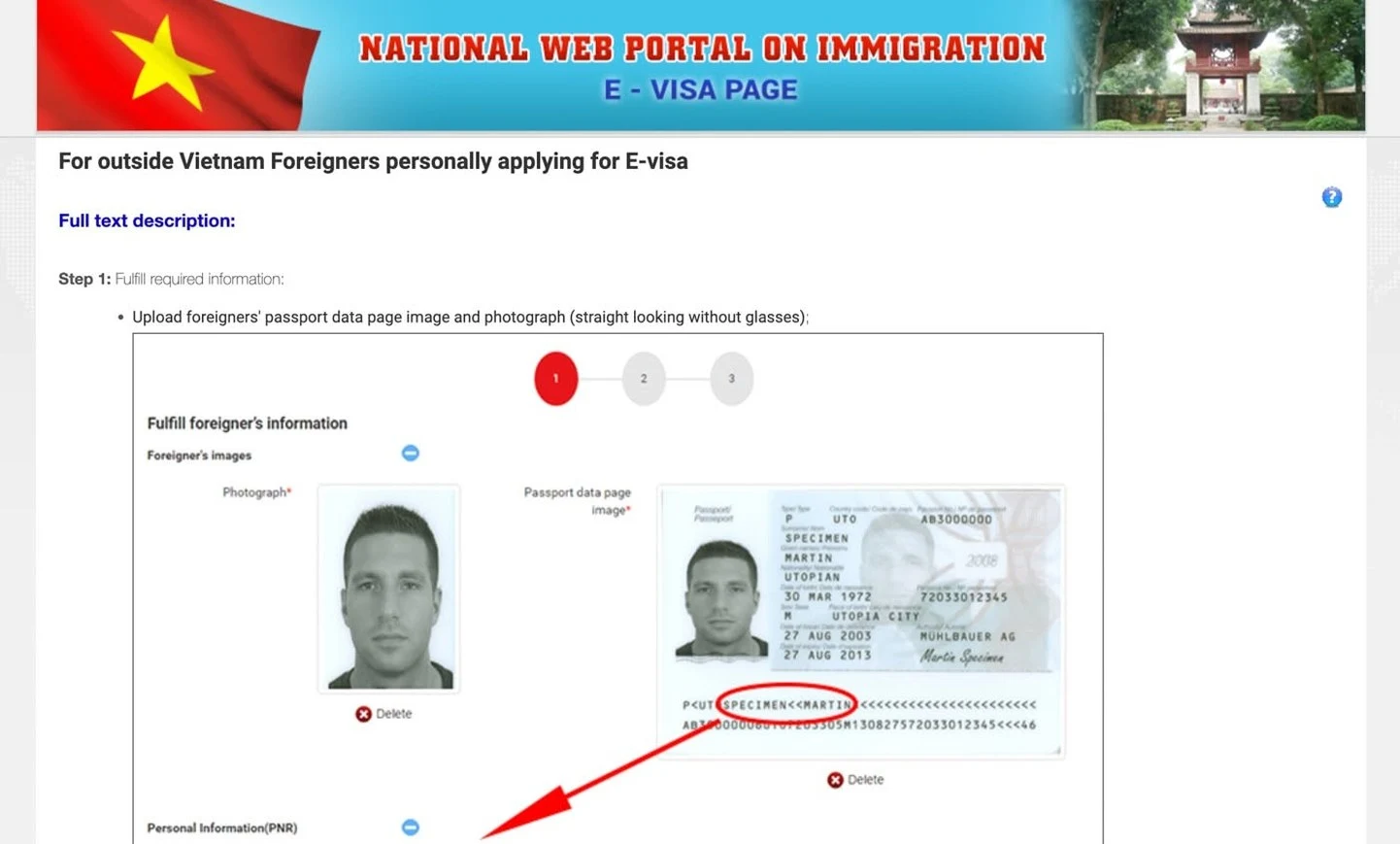
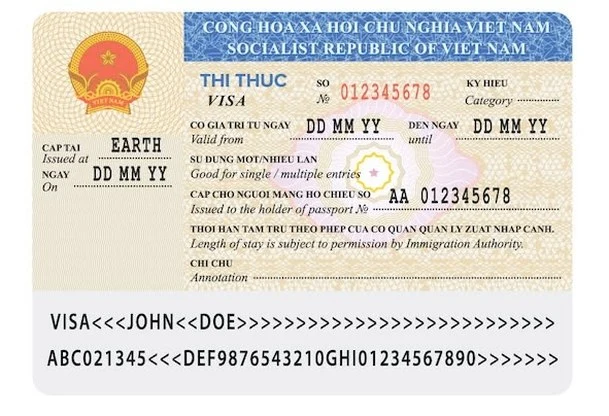
- Bring your passport with the entry stamp and a printed copy of your e‑visa. Check which entry checkpoint your e‑visa lists before you travel - a mismatch can complicate paperwork at the bank too.
- Have a local Vietnamese SIM card active - some branches ask for a phone number tied to it before they’ll open a file.
- Fill out the application at the counter; a staff member checks your details against your passport.
- Confirm the minimum opening deposit at that specific branch - this changes and isn’t standardized.
- Collect the card, usually the same day or within a few business days depending on the branch’s workload.
Requirements shift branch to branch and month to month, so double-check the current list with the bank directly before you go - don’t rely on a blog post that might be a season out of date.
If the First Branch Turns You Down
Getting rejected at one counter doesn’t mean the policy changed - it usually means that specific staff member wasn’t briefed, or the branch rarely handles foreign applicants. Try a different branch, ideally one nearer a tourist district, before assuming the option is closed to you.
This is the same pattern I see with visa paperwork: one office says no, the next says yes, and the difference is rarely the rule - it’s the person reading it.
What to Do: Local Card or Just Ride Out the Fees
If you’re staying more than a month or two, opening a local card pays for itself fast - the savings on conversion and withdrawal fees beat the time spent at the branch. For a short trip, stick with a foreign card or cash and skip the paperwork.
If you’re staying long enough to need a local card, you’re staying long enough that your visa situation needs the same attention. A tourist e‑visa runs out, and juggling a bank errand against a visa deadline is how people end up overstaying by accident.
I handle the visa side of this for readers who’d rather not chase paperwork between bank branches - message me on WhatsApp if your visa clock is running out while you sort out banking.