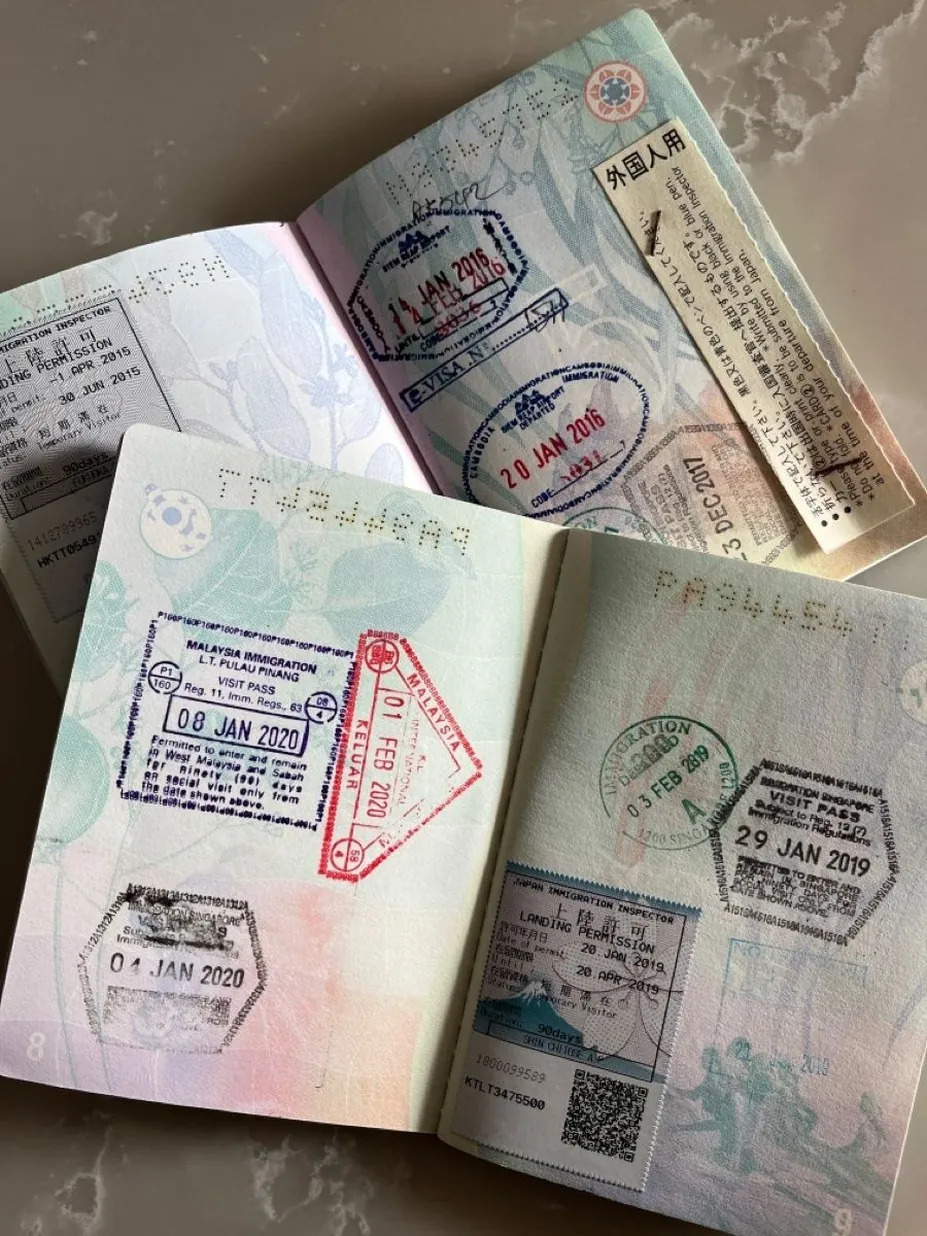
A Vietnam work permit and an LD labor visa are two separate documents - and you need both to work legally. The work permit comes first. Without it, you cannot get an LD visa. It’s that simple, and yet it’s where most expats lose three to four weeks.
Here’s what each document is, what it costs, and exactly what order to get them.
Work Permit: The Authorization to Work
Apostille on your home-country degree is required before any submission in Vietnam.
A Vietnam work permit (giấy phép lao động) is not a visa. It’s a legal authorization issued by the Provincial People’s Committee - the same authority that handles local labor matters after DOLISA was dissolved in March 2025.
The permit is employer-specific: it ties you to one company, one role, and one province. Change employers or roles and you need a new permit.
Key facts under the 2025 rules:
- Valid up to 2 years, renewable once for another 2 years
- Decree 219/2025 (effective August 7, 2025) cut processing to 10 working days, down from the 20-day process under the old Decree 152/2020
- Government fee: 600,000 VND (~$24) for first issuance, 450,000 VND for renewal
You’re required to have a work permit if you work for a Vietnamese company for more than 30 consecutive days or more than 90 cumulative days per year. No permit means your employer faces fines of 30-75 million VND per worker, and you risk deportation.
Who doesn’t need one: company owners with capital above 3 billion VND (~$118,000), intra-company transfers under 30 days, remote workers employed by foreign companies (they get a DTV digital nomad visa instead), and spouses of Vietnamese citizens with a family TRC.
What you need to submit: an apostilled degree with certified Vietnamese translation, a criminal record certificate apostilled from your home country (under 6 months old), a health check from a licensed Vietnamese clinic (800,000-1,500,000 VND), a signed labor contract, and your passport.
One thing that trips up expats from Russia and Central Asia: apostilles can only be obtained in your home country. You cannot apostille a Russian diploma inside Vietnam. If your documents arrive without apostilles, add 2-3 weeks for courier processing through the embassy, or a trip home.
LD Visa: The Document After the Work Permit

LD2 is the only visa type that qualifies you for a Temporary Residence Card (TRC).
Once your employer holds the work permit, they request a visa approval letter from the Vietnam Immigration Department. You then collect an LD visa at a Vietnamese embassy abroad or on arrival.
Two types:
- LD1 - single entry, used for the duration of work permit validity
- LD2 - multiple entry, and the only visa type that qualifies you for a Temporary Residence Card (TRC)
The TRC is what most expats actually want: it lets you live in Vietnam for up to 2 years without visa runs, with free entry and exit. Processing takes 5-7 working days, government fee is 145,000 VND.
One rule change since February 4, 2026: immigration only issues TRCs to holders of LD2 or TT (dependent) visas. If you’re currently in Vietnam on a DN business visa or tourist e-visa, you need to convert to LD2 first - that adds about two weeks before you can even apply for a TRC.
The TRC is employer-tied. Lose the job, lose the card. You have 10 days to either sign with a new employer or exit the country.
The Right Order: Step by Step

Total timeline from start to TRC: 35–50 working days. Budget two months.
- Employer submits job position approval - 10 working days (Decree 219/2025)
- Employer submits work permit application - 5-10 more working days
- Work permit issued (plastic card, handed to employee)
- Employer requests LD visa approval letter - 3-5 days
- You collect LD visa at embassy or on arrival
- Apply for TRC at immigration - 5-7 working days
Total from start to TRC in hand: 35-50 working days. Budget two months.
Agency fees in Da Nang run 8-15 million VND (~$320-600) for the full process - document legalization, Vietnamese translations, submissions, and follow-ups. If your employer doesn’t have an HR team that handles this, that cost is real - and the timeline risk is bigger than the fee. We handle the full package remotely: apostilles, certified translations, portal submissions, follow-up with the provincial committee. You don’t need to fly home to sort your documents.
Work permit applications are handled through Cổng dịch vụ công quốc gia, Vietnam’s national public services portal. The employer files directly; you don’t submit anything yourself.
Three Mistakes That Cost Expats Weeks
Work permit and LD visa are issued by different authorities — plan both in sequence.
Thinking DN business visa converts cleanly to work status. Before February 2026 there was a somewhat smoother path. Now you need a full visa-type conversion to LD2 before immigration will issue a TRC. If you’re already here on a DN visa planning to start a job, factor that conversion into your timeline. A visa run from Da Nang buys time while the work permit processes.
Degree specialty doesn’t match job title. The Provincial People’s Committee checks that your academic specialty aligns with your employment role. An economics graduate hired as a software engineer gets a rejection. Fix: supporting evidence - certifications, portfolio, reference letters - that bridges the gap.
Apostille paperwork isn’t ready. Every foreign document must be apostilled from your home country before it enters Vietnam. No exceptions. If your criminal record or diploma arrives without an apostille, the entire application stalls.
Want to work out the exact sequence for your specific situation - dates, which documents you’re missing, whether your current visa type causes delays? Message me on Telegram and I’ll give you a straight answer, no fluff.