
Vietnam runs roughly 20-30% cheaper than Thailand for a comparable expat setup: a one-bedroom apartment, eating out most nights, and a scooter to get around. In Da Nang that lifestyle lands around $700-900 a month. The same setup in Chiang Mai or Bangkok usually runs $1,000-1,400.
Rent: Da Nang vs Chiang Mai vs Bangkok
A one-bedroom apartment near the beach in Da Nang typically costs $250-400 a month, unfurnished slightly less. Chiang Mai runs close behind at $300-500 for a comparable unit in Nimman or the old town. Bangkok is the outlier - a one-bedroom in Sukhumvit or Thonglor starts around $600 and climbs past $1,000 for anything modern with a pool.
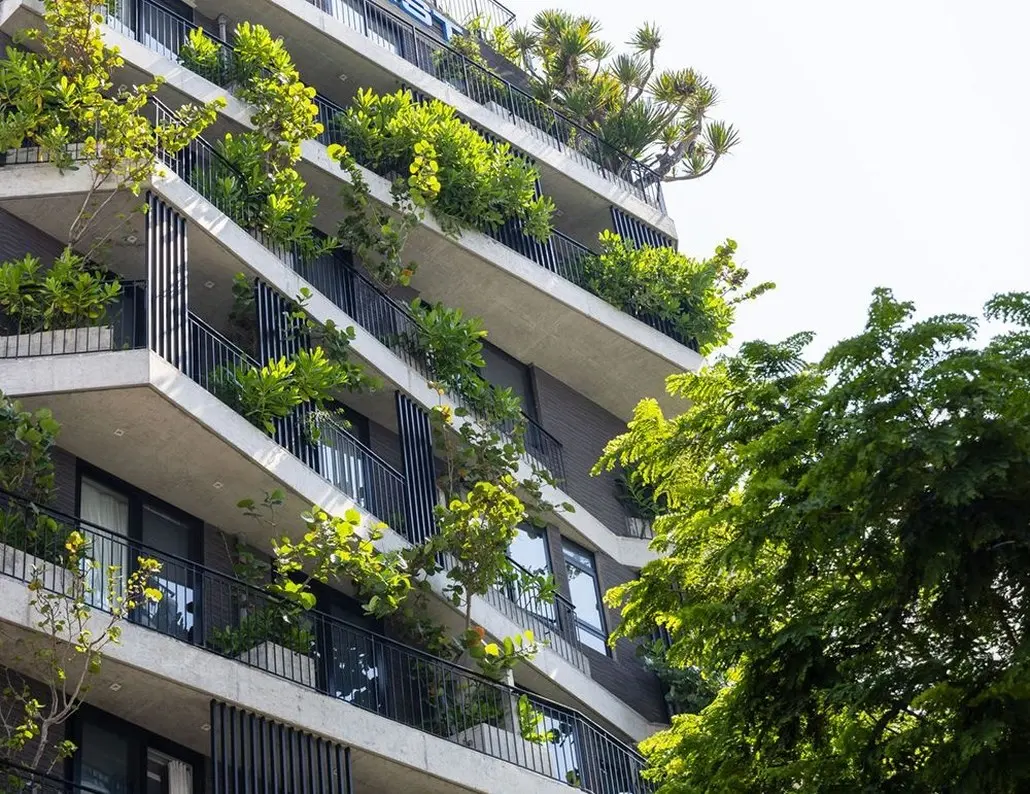
The gap widens outside the big cities. Hoi An and Nha Trang both undercut Da Nang slightly, while Phuket and Pattaya sit closer to Bangkok pricing than to Chiang Mai’s. If budget is the deciding factor, Vietnam’s second-tier cities beat Thailand’s second-tier cities by a wider margin than the capitals do against each other.
Food and daily spending
A bowl of pho in Da Nang costs $1-2 at a local spot; a similar bowl of khao soi in Chiang Mai runs $1.50-2.50. Both countries make eating out cheaper than cooking for a single person, since imported groceries carry a markup in both. Where they diverge is alcohol and imported goods - Thailand’s excise tax makes a bottle of wine or a six-pack of imported beer noticeably pricier than the same item in a Vietnamese supermarket.
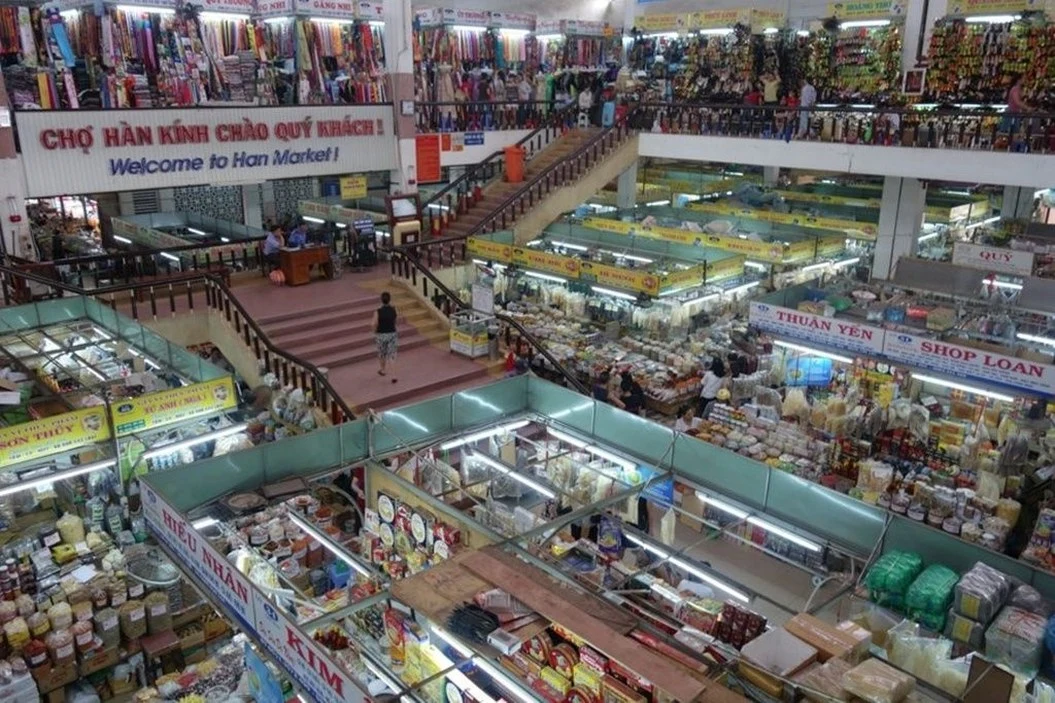
A single person eating out for most meals, with a few grocery runs a week, should budget $200-300 a month in either country. Vietnam edges ahead mainly on street food density - there’s usually a cheaper option within a block in most neighborhoods.
The visa cost Thailand doesn’t advertise
Here’s where the comparison usually breaks down for people who’ve only priced rent and food: Thailand’s long-stay visa options (education visas, retirement visas, the Destination Thailand Visa) come with agent fees, insurance requirements, and 90-day reporting that add real recurring cost. Vietnam’s e‑visa, by contrast, is a flat $25 for single-entry or $50 for multiple-entry through the official portal, with no ongoing reporting for tourist-class stays.
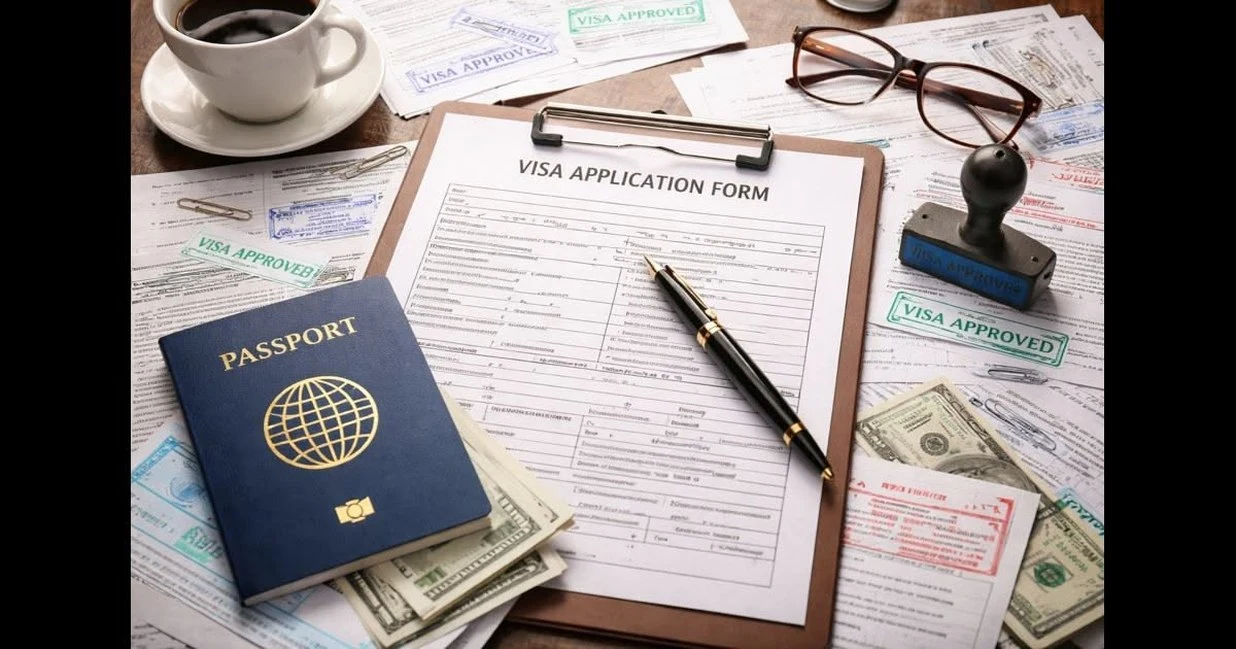
The catch on the Vietnam side is the visa run itself if you’re staying long-term on tourist status. Vietnam typically caps e‑visa validity at 90 days, and the e‑visa portal itself rejects most foreign-issued cards - miss the deadline or fail to pay the government fee in time, and you’re overstaying with a fine attached, not just inconvenienced.
This is where I usually get involved. I run the Da Nang to Laos border crossing and back in a single day, pay the e‑visa fee with a card that evisa.gov.vn actually accepts, and hand back a fresh visa without you needing to figure out the paperwork or the payment yourself. Message me on Telegram and I’ll walk you through the current price and the next available date.
Healthcare and insurance
Thailand has the stronger private hospital network on paper - Bangkok’s Bumrungrad and BNH are well known internationally, and Chiang Mai has solid mid-tier options. Vietnam’s private hospitals in Da Nang and Ho Chi Minh City cover routine care well, but for anything serious, many long-term expats still budget for a flight to Bangkok. Factor that into the “cheaper” math: Vietnam’s day-to-day costs are lower, but Thailand’s healthcare infrastructure is a real line item if you’re staying past retirement age.
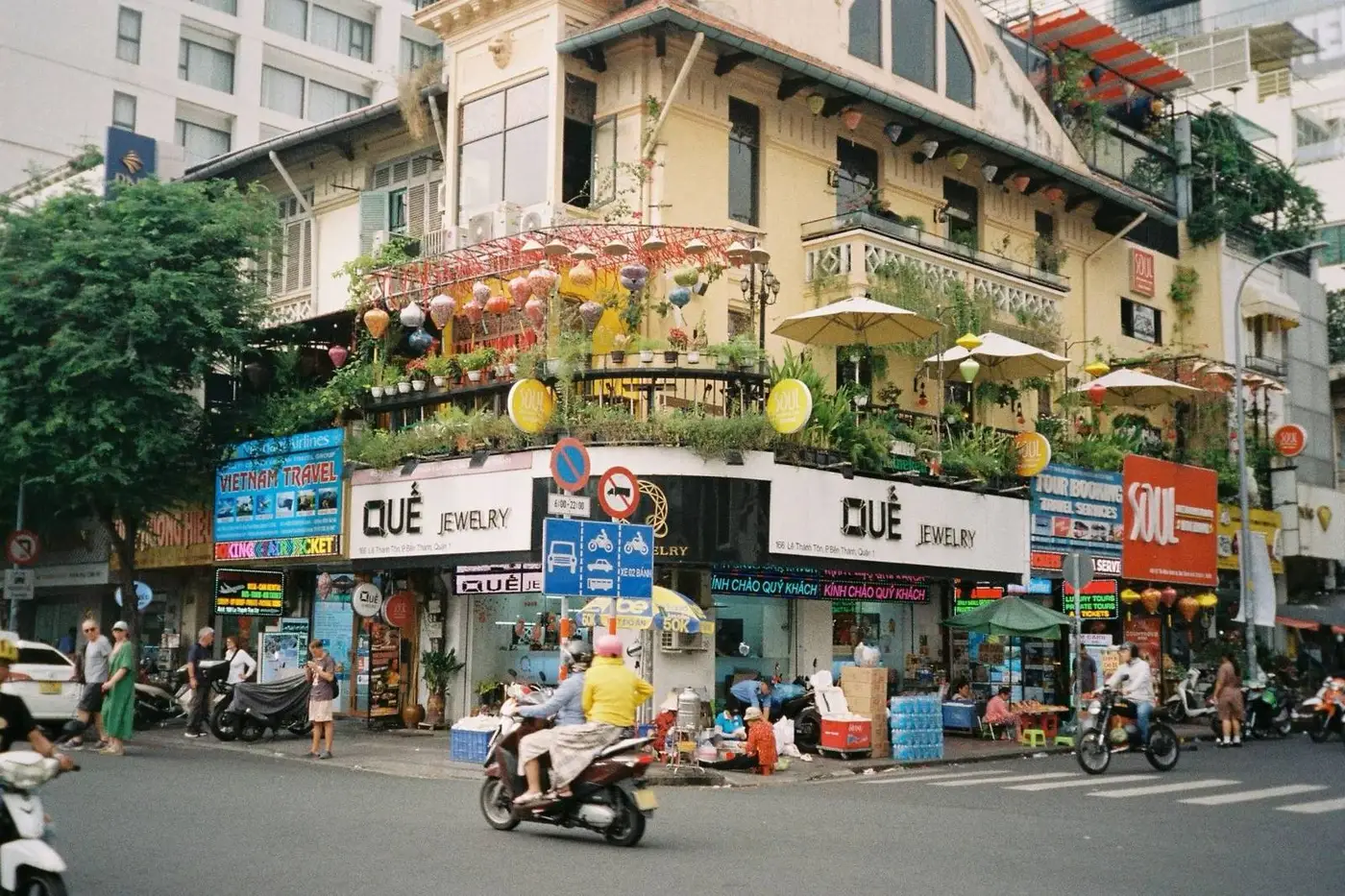
Basic private insurance runs $50-100 a month in either country for someone under 50, climbing sharply with age in both markets.
What to choose: Vietnam or Thailand
If you’re comparing pure monthly burn - rent, food, transport, basic insurance - Vietnam wins for most budgets, typically by $200-400 a month depending on the city pair. Thailand pulls ahead once you weight in healthcare access, direct flights, and the fact that its visa ecosystem, while pricier upfront, needs less hands-on management than Vietnam’s 90-day e‑visa cycle. Someone staying under three months and prioritizing raw cost picks Vietnam; someone settling in for years and wanting infrastructure they don’t have to think about often leans Thailand.
If Vietnam is the winner for your budget and the 90-day visa cycle is the one thing you don’t want to manage yourself, that’s the part I handle end to end. Send me your travel dates on Telegram and I’ll lay out the visa run schedule and current price for your situation.