Vietnam costs about twice as much as India to live in once rent is counted: roughly $720 a month for one person in Vietnam against $360 in India, based on CityCost’s September 2026 data. Most of that gap is rent. Street food and public transport are close to equal.
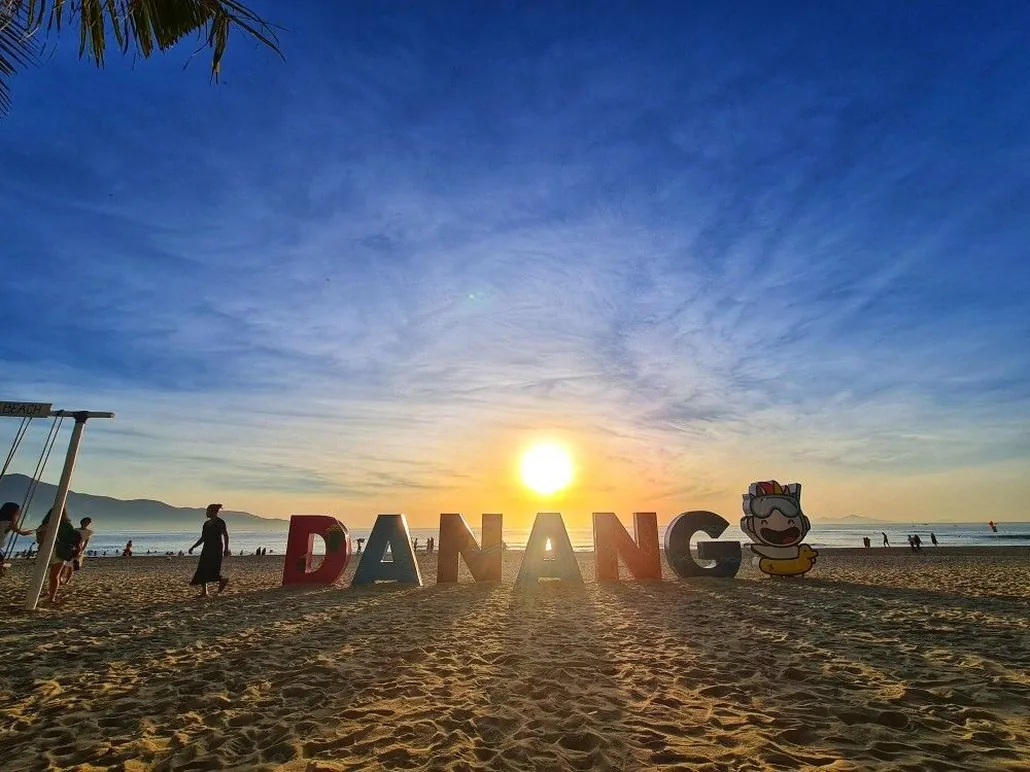
I live and work in Da Nang, so I see the Vietnam side of these bills every month. The prices below come from CityCost’s India vs Vietnam comparison, converted at about 26,000 VND per dollar. It is an aggregator that mixes AI estimates with user input, so read the numbers as a planning range and check a live price before you commit. Its Vietnam rent sits in line with 2026 Da Nang listings, where a city-center one-bedroom runs about $390-$590.
Vietnam vs India Cost of Living: The Monthly Totals
For one person with rent, the page lists about 9.4 million VND ($360) in India and 18.7 million VND ($720) in Vietnam. A couple pays about $570 in India and $1,150 in Vietnam. A family of three lands near $785 against $1,580.
The same page quotes a 25% gap in its FAQ without saying what it includes. I use the itemised prices below instead. They point the same way, with rent doing most of the work.
| Item (monthly unless stated) | India | Vietnam |
|---|---|---|
| One-bedroom, city center | $140 | $410 |
| Dinner for two, mid-range | $10 | $19.50 |
| Utilities for two | $38 | $77 |
| Gym membership | $14.70 | $21 |
| Private preschool | $58 | $385 |
Rent: Where Most of the Gap Comes From
A one-bedroom apartment in a city center costs about $410 a month in Vietnam and $140 in India. Outside the center the numbers are roughly $270 and $90. A three-bedroom in the center is about $860 against $340.
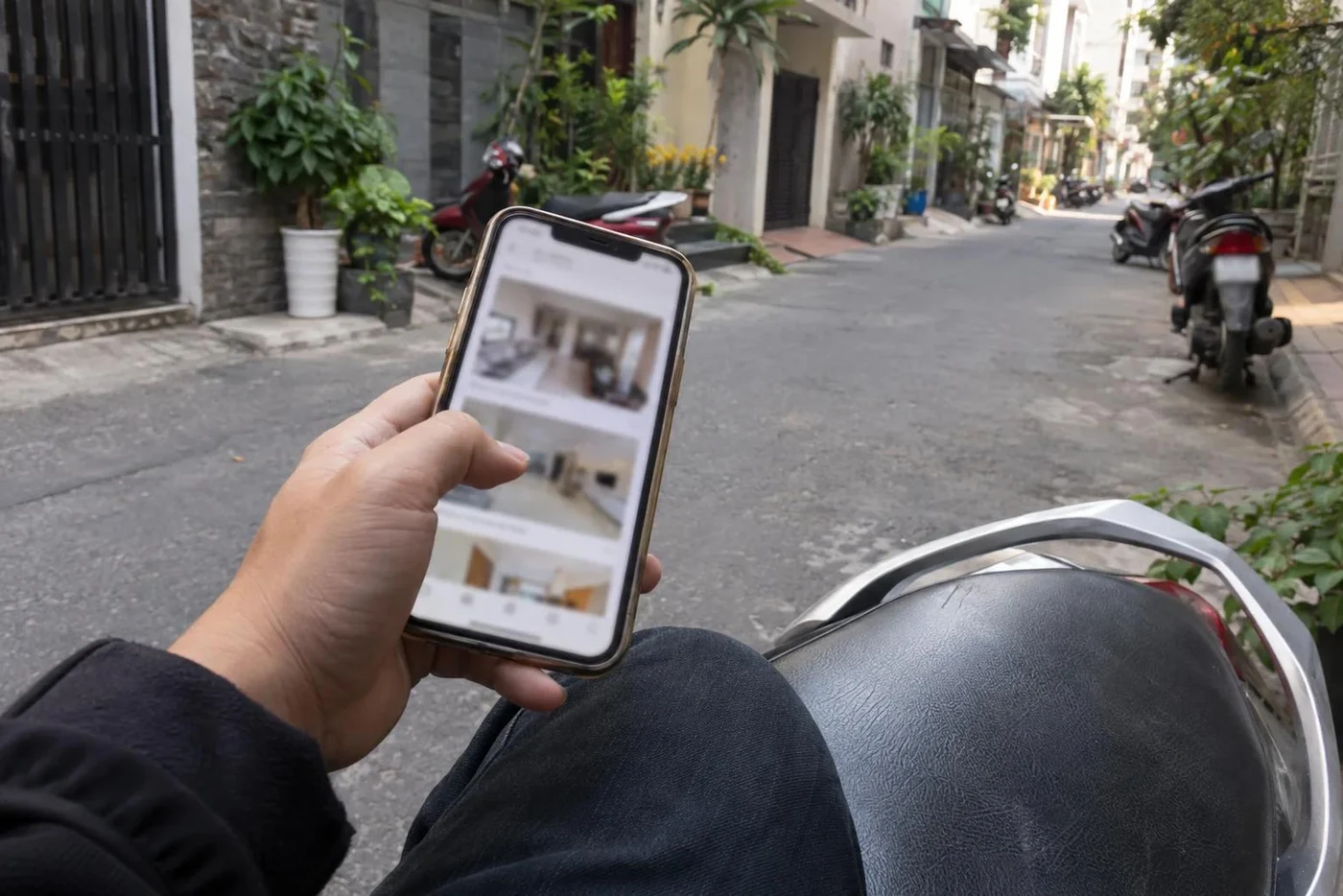
If you are moving without children, compare rent first and everything else second, because it is the one bill where Vietnam really is far more expensive. Moving a few streets away from the beach or the main expat strip usually cuts the price more than any other saving. I wrote up what that looks like in practice in cost of living in Da Nang.
If you land first and look for a flat second, you will be on a 90-day e‑visa while you search, and a refused or mistyped application eats days of that time. You can file it yourself, or our visa service does it for you.
Food and Groceries: Closer Than You’d Expect
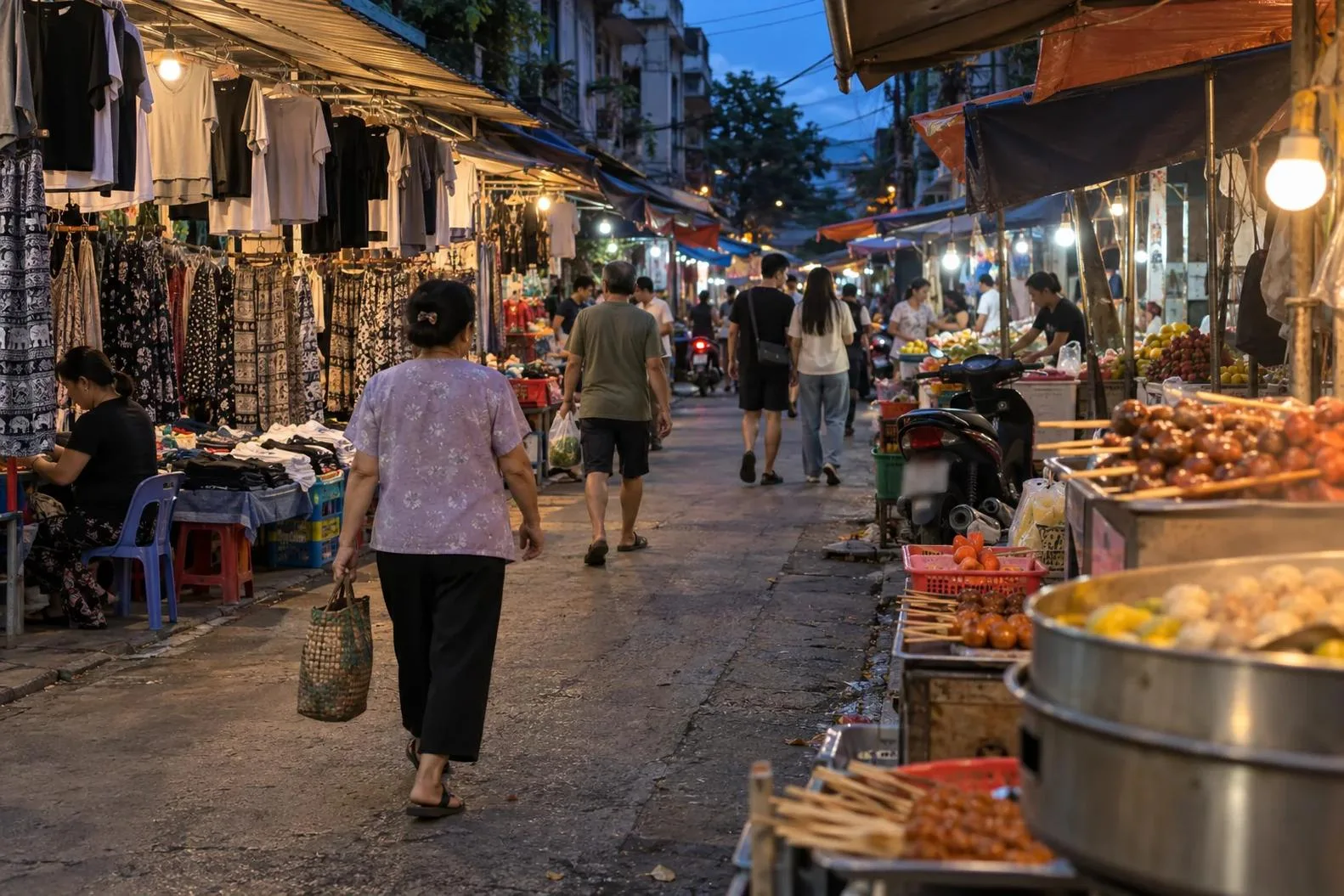
Cheap meals cost about the same in both countries: a meal at a budget restaurant is about $2.03 in India and $1.90 in Vietnam. A mid-range dinner for two is where India pulls ahead, about $10 against $19.50, and a cappuccino is basically a tie at $1.70.
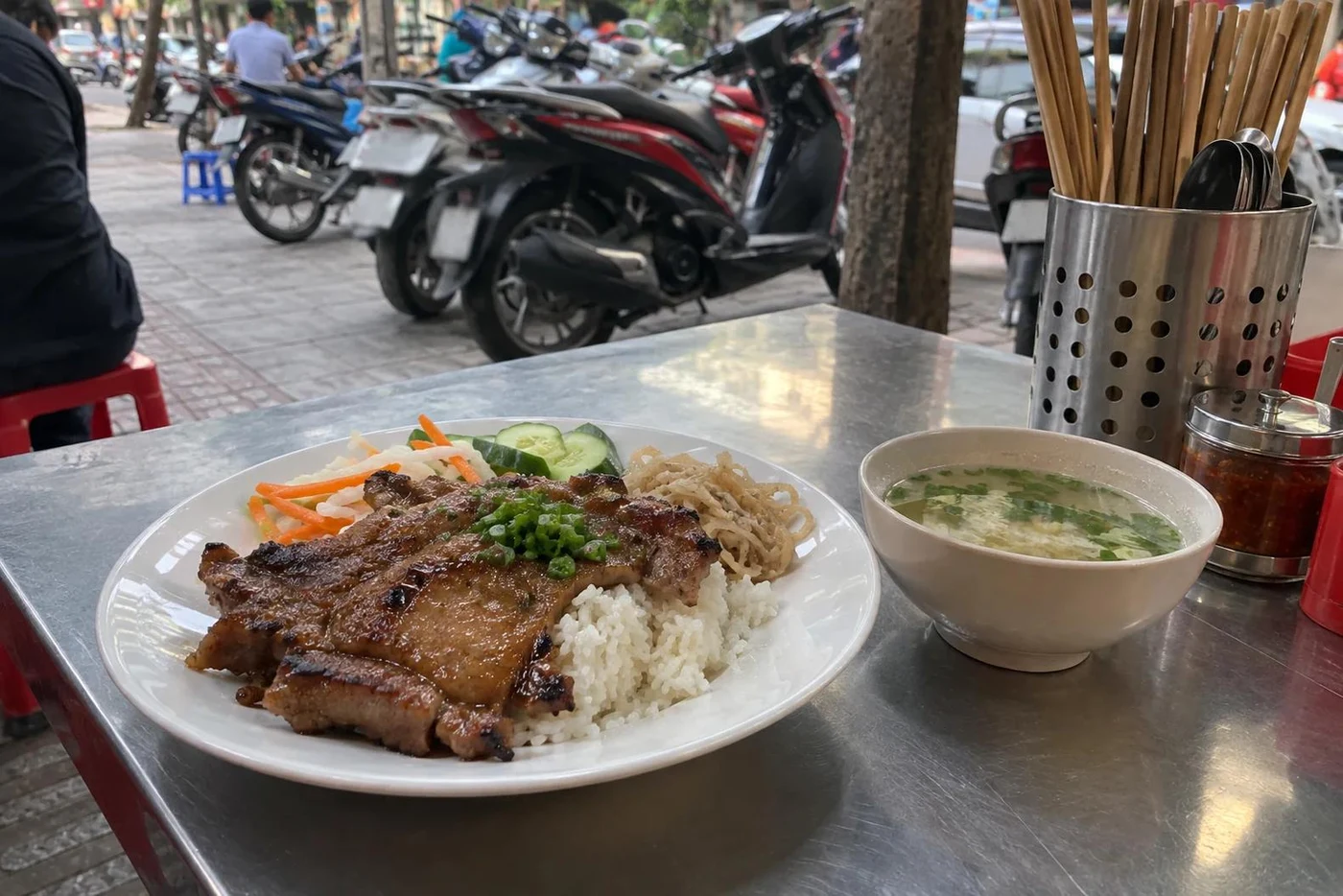
Groceries lean toward India. A liter of milk is about $0.67 against $1.47, a dozen eggs $0.92 against $1.55, and a kilo of tomatoes $0.50 against $1.23. Local draft beer flips the other way, about $0.95 in Vietnam against $1.85 in India. If you eat local in Vietnam, food stays cheap. If you want imported groceries and Western restaurants, expect a bill closer to what you pay at home.
Getting Around: Fuel, Taxis and Buses
Public transport is almost the same, with a one-way ticket at $0.27 in India and $0.33 in Vietnam, and a monthly pass near $8 in both. Taxis cost more in Vietnam, about $0.59 per kilometer against $0.25. Fuel is slightly cheaper in Vietnam, about $0.90 a liter against $1.09.

Most people who stay in Vietnam end up on a motorbike or a ride-hailing app, so fuel and per-kilometer taxi prices matter more than the bus pass. I’d budget for Grab rides in the rainy months, and a motorbike still costs fuel and upkeep every month.
Utilities, Internet and the Gym
Utilities for two people in an 85 square meter apartment are about $38 in India and $77 in Vietnam, mostly because air conditioning runs most of the year. A mobile plan with 10 GB or more is $3.40 against $5.80, home internet at 50 Mbps is $7.20 against $9, and a gym membership is $14.70 against $21.
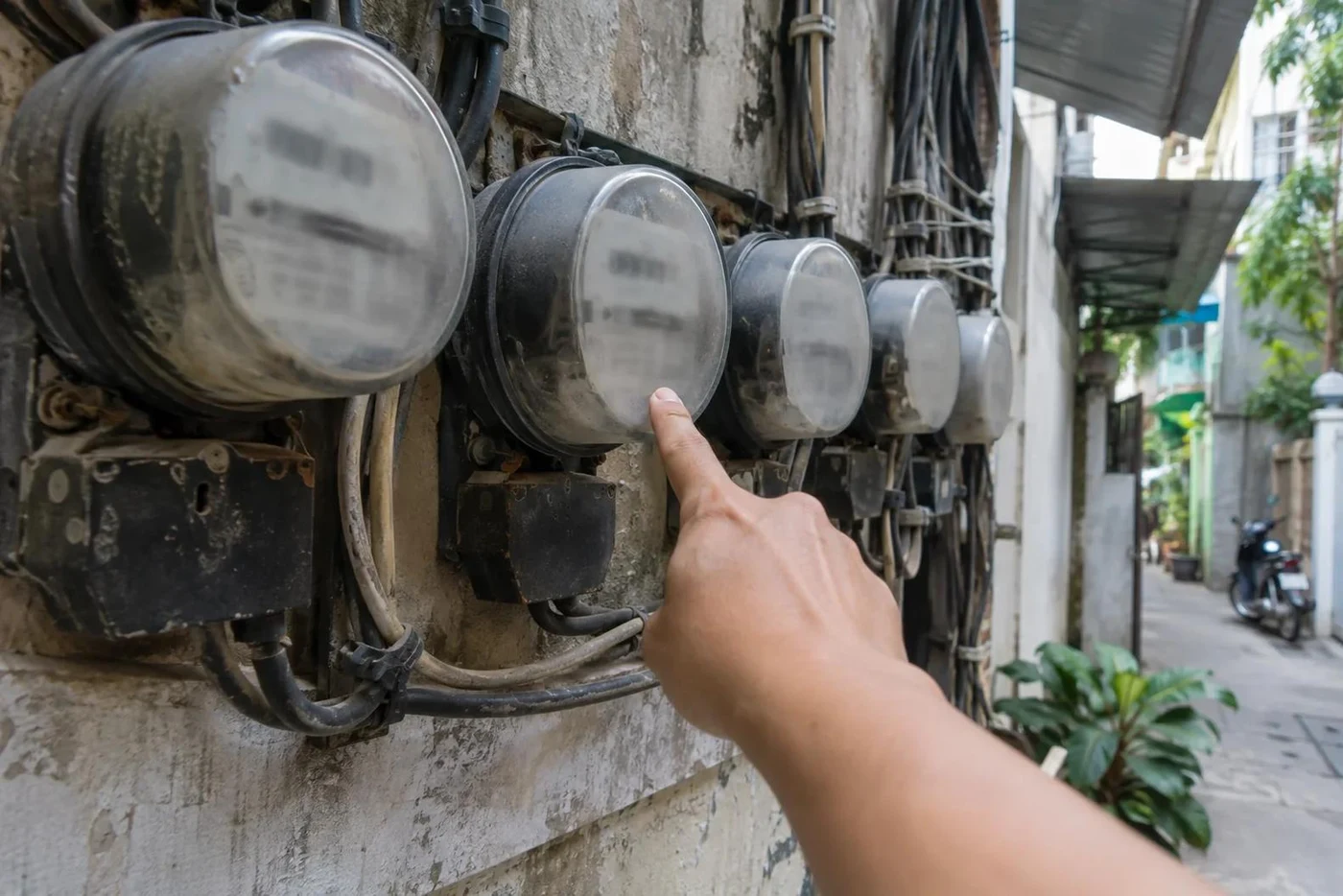
Added up, that is about $113 a month in Vietnam against $63 in India, a gap of roughly $50. The air conditioner is the part you can shrink: choose a unit with a newer inverter and switch it off when you leave.
Kids and School: The Biggest Surprise
Schooling is the biggest gap in the whole comparison: private preschool is about $58 a month in India and $385 in Vietnam, and a year of international primary school is about $1,680 in India and $19,800 in Vietnam. These costs sit on top of the single-person totals above, and they are the line that changes a family decision.
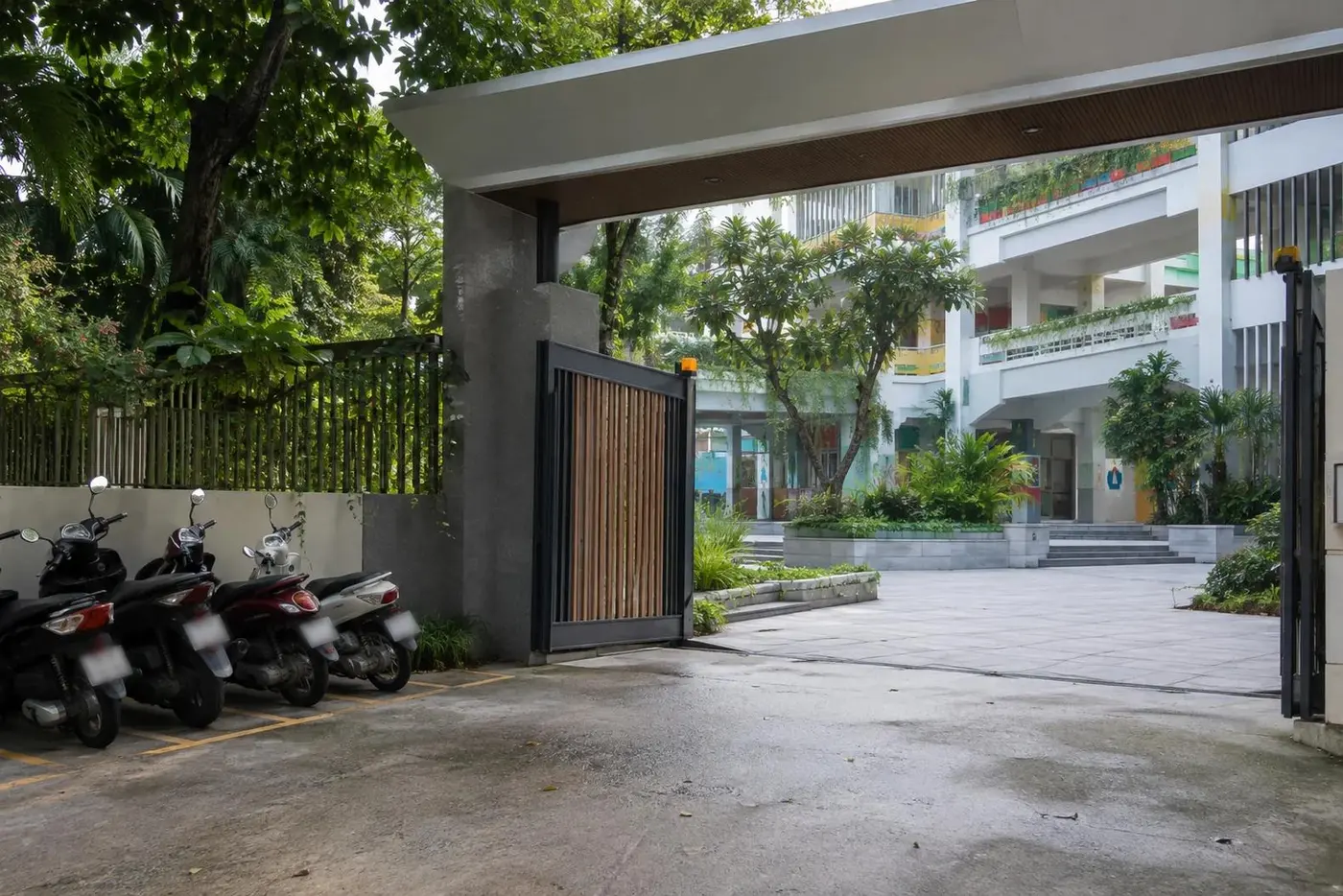
If you are moving with children, run the school numbers before the rent numbers. Vietnamese public school is cheaper but taught in Vietnamese, so most foreign families end up in international schools, and the fee gap alone can outweigh every saving above. For the health side of a family budget, see expat health insurance in Vietnam.
Which Country Fits Your Budget
India is the cheaper base for anyone paid in rupees or on a fixed budget under about $500 a month. Vietnam works if you earn in dollars or euros, want a modern apartment with fast internet, and can accept a higher rent. If you are weighing salary against costs, what locals earn in Vietnam shows why local wages do not set the price for foreigners. For a wider look at city budgets, cost of living across Vietnamese cities shows how far Hanoi, Da Nang and Ho Chi Minh City sit from the national figures above.
If Vietnam wins for you, the first practical step is the visa. Indian passport holders can apply for the e‑visa on evisa.gov.vn, $25 for a single entry and $50 for multiple entries, valid for up to 90 days. The part that trips people up is paying the fee, since the portal rejects many foreign cards, and picking the right entry point.
If you would rather not fight the form, message me on WhatsApp with your dates and where you are flying from. We file the application and pay the fee on our side, and if it is refused we re-apply for free and refund you, so the visa is the one part of the move you can stop thinking about.
Frequently asked questions
How much money do I need for my first month in Vietnam? Plan on one month of the budget above plus the rental deposit, which the landlord sets, so ask before you sign. The $720 above is an average for one person; a nomad-style setup in Da Nang with insurance and coworking runs $900-$1,500 a month, and the deposit comes on top.
Which Vietnamese city is cheapest to start in? Da Nang usually undercuts Hanoi and Ho Chi Minh City on rent, with city-center one-bedrooms around $390-$590 on 2026 listings and less through local rental groups. Ho Chi Minh City has the widest range, so a district outside the center can be cheaper than central Da Nang.
Is it worth paying Vietnam prices instead of India prices? It is if you earn in dollars or euros and want a modern flat, fast internet and easy flights around Asia. It is not if you are on a fixed rupee income under about $500 a month, or moving a family that needs international school places.
What if my e‑visa has not arrived before my flight? Apply at least a week ahead, because processing on the portal takes a few working days and mistakes in the form restart the wait. Do not fly without the issued e‑visa in hand.