Four countries come up more than any others when Russians ask where to relocate in 2026: Vietnam, Georgia, Serbia and Kazakhstan. Vietnam is the cheapest and least politically friction-prone (45 days visa-free, no visa tightening aimed at Russians); Georgia gives the longest visa-free stay (365 days) but added a mandatory work permit and $30,000 health insurance requirement in 2026; Serbia is the most expensive but has fast-tracked citizenship for 300+ Russians since 2022; Kazakhstan is closest to home but tightening banking and residency rules the fastest.
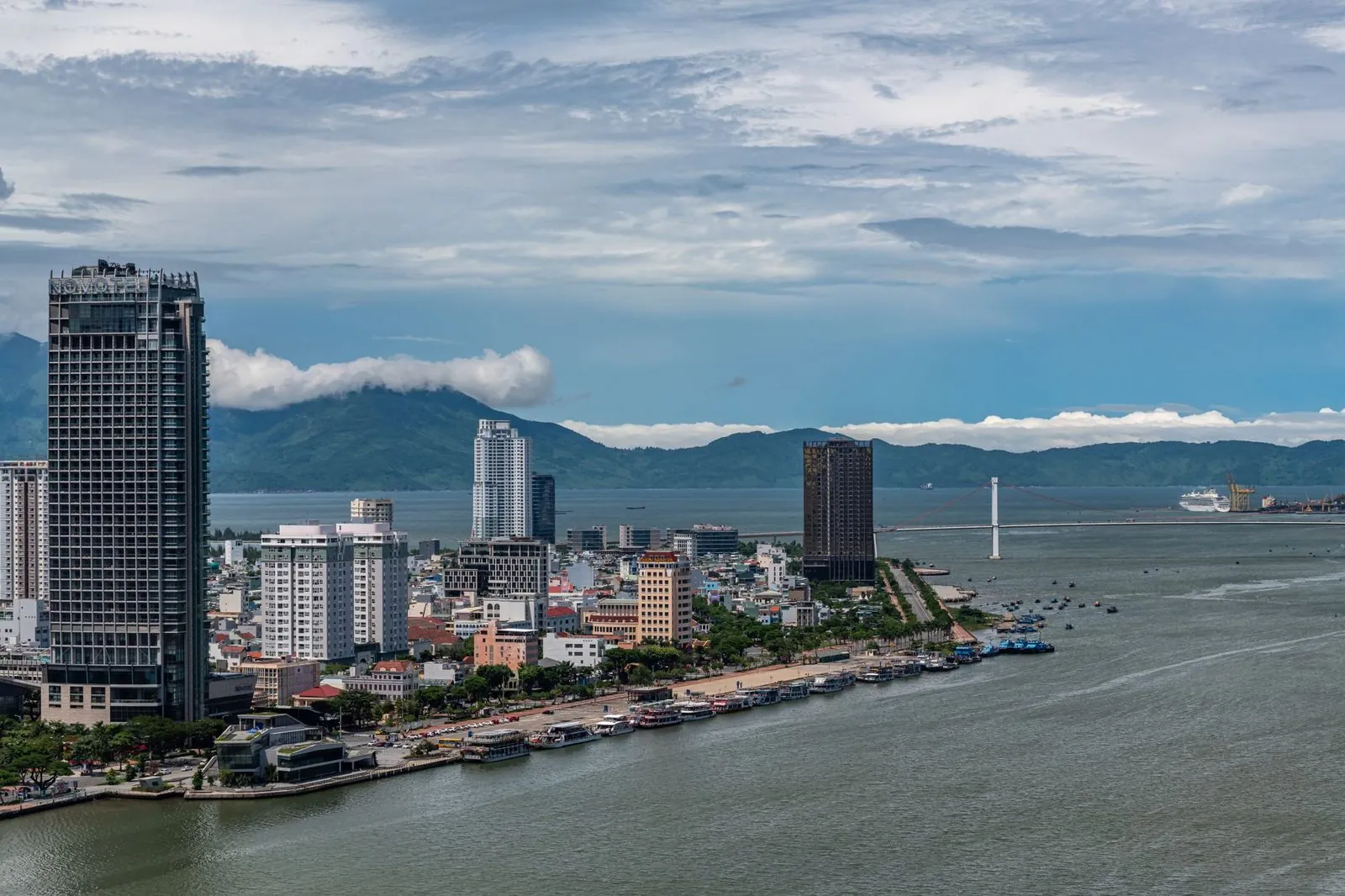
I’ve lived in Da Nang, Vietnam for years and run a visa-run and long-stay support business here, so this comparison leans on the visa and banking problems I actually see clients hit day to day. Nobody paid to be ranked in this list, including my own city.
Vietnam vs Georgia vs Serbia vs Kazakhstan at a Glance
| Country | Visa-free for Russians | Long-stay path | Monthly budget (single) | Banking for Russians | Language barrier |
|---|---|---|---|---|---|
| Vietnam | 45 days (through Mar 2028) | Temporary Residence Card, ~$145-320 | $800-1,300 (Da Nang/HCMC) | Weak - VRB bank accepts Mir but sanctions-limited | Hardest - tonal, no Cyrillic link |
| Georgia | 365 days | Employer contract or IE/LLC registration | $1,000-1,500 (Tbilisi) | Mir blocked entirely; luxury-spend caps added 2025 | Own alphabet, but Russian still understood by older generation |
| Serbia | ~90 days (exact figure varies by source) | Residence permit, renewable, 3 yrs to permanent | $1,300-1,700+ (Belgrade) | Mir not yet functional as of 2026 | Easiest - Cyrillic + Slavic, though not mutually intelligible |
| Kazakhstan | ~90 days (EAEU, cumulative cap disputed) | Temporary Residence Permit after 90 days | $1,450 (Almaty), cheaper in Astana | Tightest of the four - 12-month card cap, most banks block Mir | Russian still widely used, but government is de-emphasizing it |
How Long Can Russians Stay in Each Country Without a Visa?
Georgia gives the longest runway at 365 days visa-free, the most generous of the four. Vietnam allows 45 days visa-free (a policy running through March 14, 2028), extendable with a 90-day e-visa for $25 single-entry or $50 multiple-entry. Serbia and Kazakhstan both commonly cite around 90 days, though the exact day-count for Russians specifically varies across sources for both countries - worth confirming directly with each country’s immigration portal before you book anything based on a specific number.
None of the four durations is “permanent” - every option eventually forces a decision about a real long-stay path, which is where the real differences start.
Vietnam: Cheapest Exit, Hardest Language Barrier
Vietnam is the cheapest of the four to actually live in - Da Nang runs $800-1,100/month for a comfortable single-person budget, Ho Chi Minh City $700-1,300/month, both well under Tbilisi, Belgrade or Almaty. There’s no dedicated long-stay visa; the realistic path is a Temporary Residence Card (TRC), which runs roughly $145-320 depending on validity period, or repeated 90-day e-visas with a visa run in between - the exact fork our Vietnam visa and long-stay services walk arriving Russians through before they commit to either one.
The honest downside is language: Vietnamese is tonal and uses a Latin script with zero relation to Russian, so there’s no alphabet shortcut the way there is with Serbian. English gets you through Da Nang or Ho Chi Minh City’s expat-facing businesses, but daily life outside those bubbles runs in Vietnamese. Banking is also the weakest link on paper - Vietnam has a dedicated Russian-Vietnamese bank, VRB, with 6 branches and 21 ATMs that accept Mir cards, but VTB-related sanctions limit how much it can actually do. What Vietnam does have going for it politically: Russia and Vietnam signed a 2026-30 Comprehensive Strategic Partnership plan in May 2025, and bilateral trade hit roughly $4.77 billion in 2025 - there’s zero visa tightening aimed at Russians here, unlike the other three.
This is where I usually get involved: sorting the e-visa and the first visa run so a client’s clock doesn’t run out while they’re still figuring out an apartment. I pay the government fee on a card that the portal actually accepts (many Russian and foreign cards get rejected outright at evisa.gov.vn), and I handle the border crossing itself so a first-timer isn’t guessing at immigration counters they’ve never seen. Message me on Telegram if you want this sorted before you land rather than after.
Georgia: Most Visa-Free Days, Toughest Banking for Mir Cards
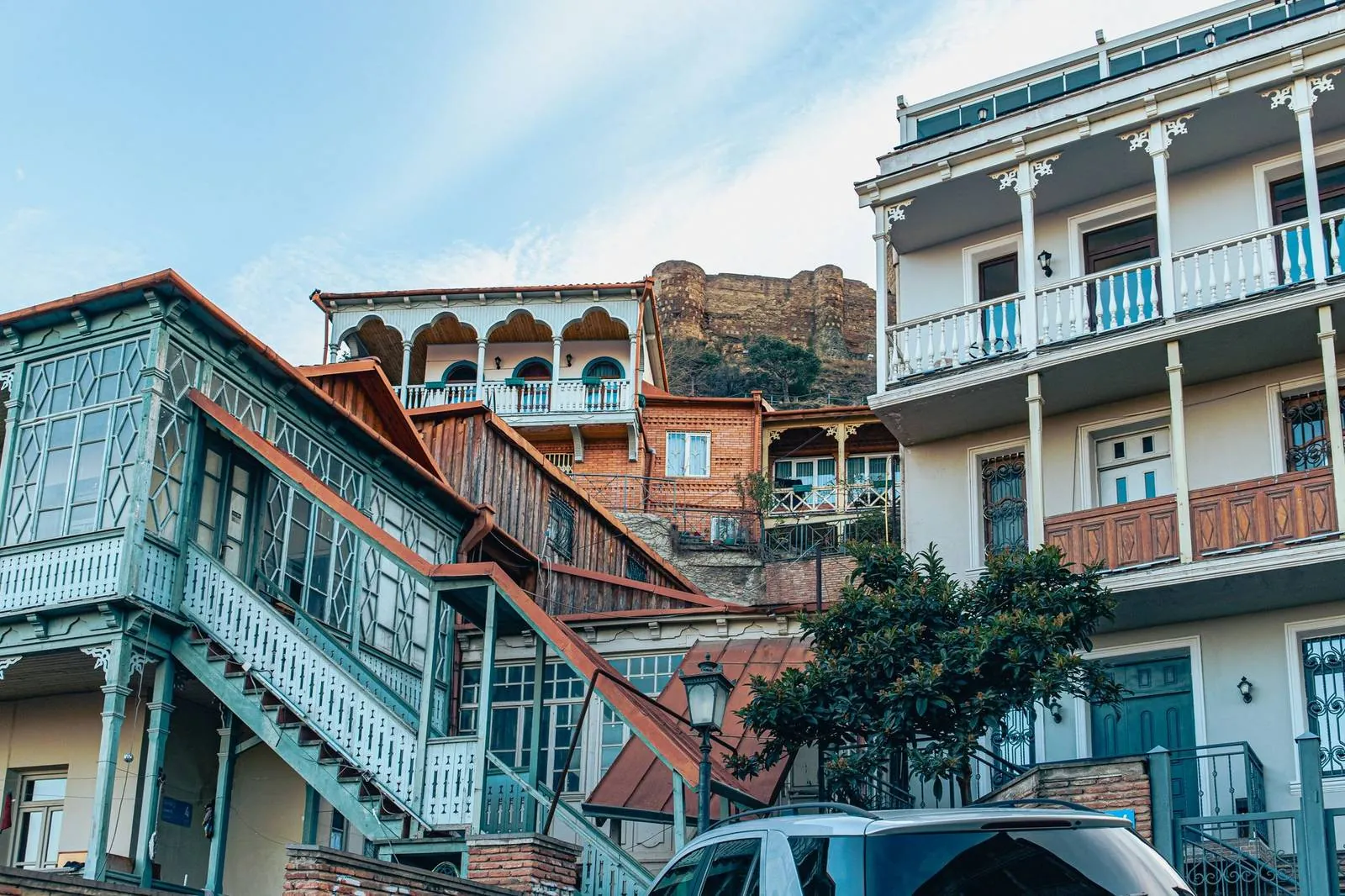
Georgia’s 365-day visa-free window is unmatched among the four, but 2026 added real friction: a mandatory work permit for any foreign paid employment (as of March 2026, with a grace period to January 1, 2027 for people already working) and mandatory health insurance with a minimum $30,000 of coverage since January 2026.
Banking is where Georgia gets complicated for Russians specifically. Georgian banks confirmed through the National Bank of Georgia that they do not process Mir cards at all, and Bank of Georgia added spending caps over 300 EUR/USD/GBP for Russian Visa/Mastercard holders at some retailers abroad starting May 2025. That’s despite Russians holding an estimated $969 million in deposits across Georgian banks, mostly at Bank of Georgia and TBC Bank - the money is there, but the rails are narrowing. Language leans in Georgia’s favor for older arrivals: Russian is still widely understood by the generation that grew up before 2010, though that’s fading among Georgians who learned English as the mandatory second language after that. The bigger risk is political: Georgia’s EU accession is effectively frozen through 2028, with the European Commission calling it a “candidate country in name only” in 2025.
Serbia: Priciest Option, Fastest Path to Citizenship
Serbia costs the most of the four to live in day-to-day - Belgrade runs $1,300-1,700+/month, with 1-bedroom central rent averaging $882-904 on paper and often 20-30% more in practice for expats. What Serbia offers instead is the fastest realistic path to full citizenship: Serbia granted “national interest” citizenship to 44 Russians in just the first five months of 2026, more than 300 total since 2022.
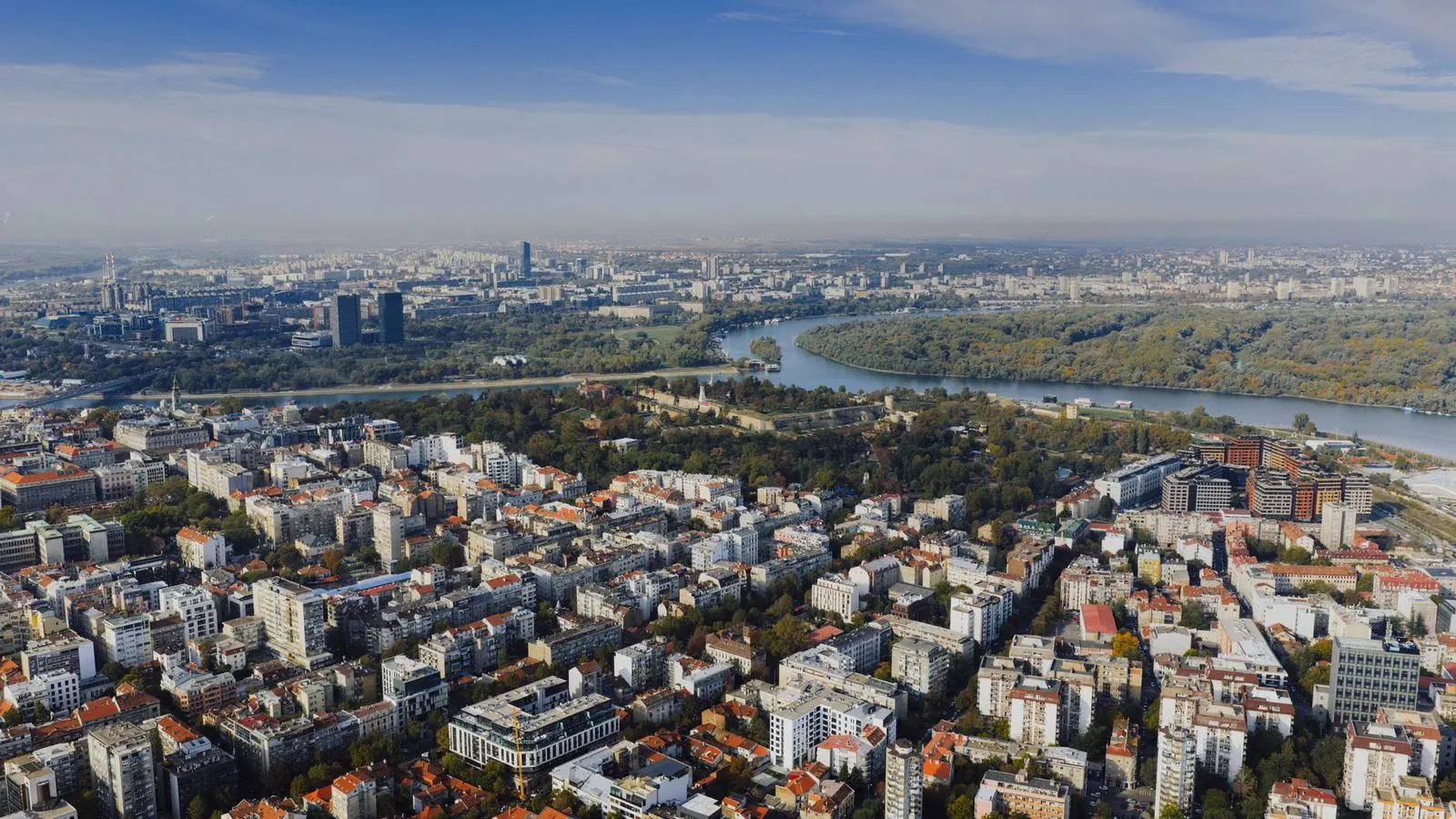
The standard route is slower - register at a police station within 24 hours of arrival, apply for a residence permit once you pass 90 days, and wait three years on an approved permit before permanent residency becomes possible. Mir cards aren’t functional in Serbia as of 2026, though non-resident bank accounts open in 1-3 business days regardless of citizenship. Serbian shares Cyrillic and Slavic roots with Russian, which genuinely helps with reading signs and forms, but the spoken languages aren’t mutually intelligible - you still have to learn it. The fast-track citizenship pipeline is also drawing EU scrutiny: Serbia’s own accession process has seen no new chapters opened since December 2021, partly because of exactly this kind of Russia-friendly policy.
Kazakhstan: Closest to Home, Tightening the Fastest
Kazakhstan is the nearest option geographically and culturally the most familiar - Russian remains widely used in Almaty and Astana as the official “language of interethnic communication.” It’s also tightening the fastest against the very relocation wave it’s now dealing with, capping foreigner bank cards at 12 months since January 20, 2025.
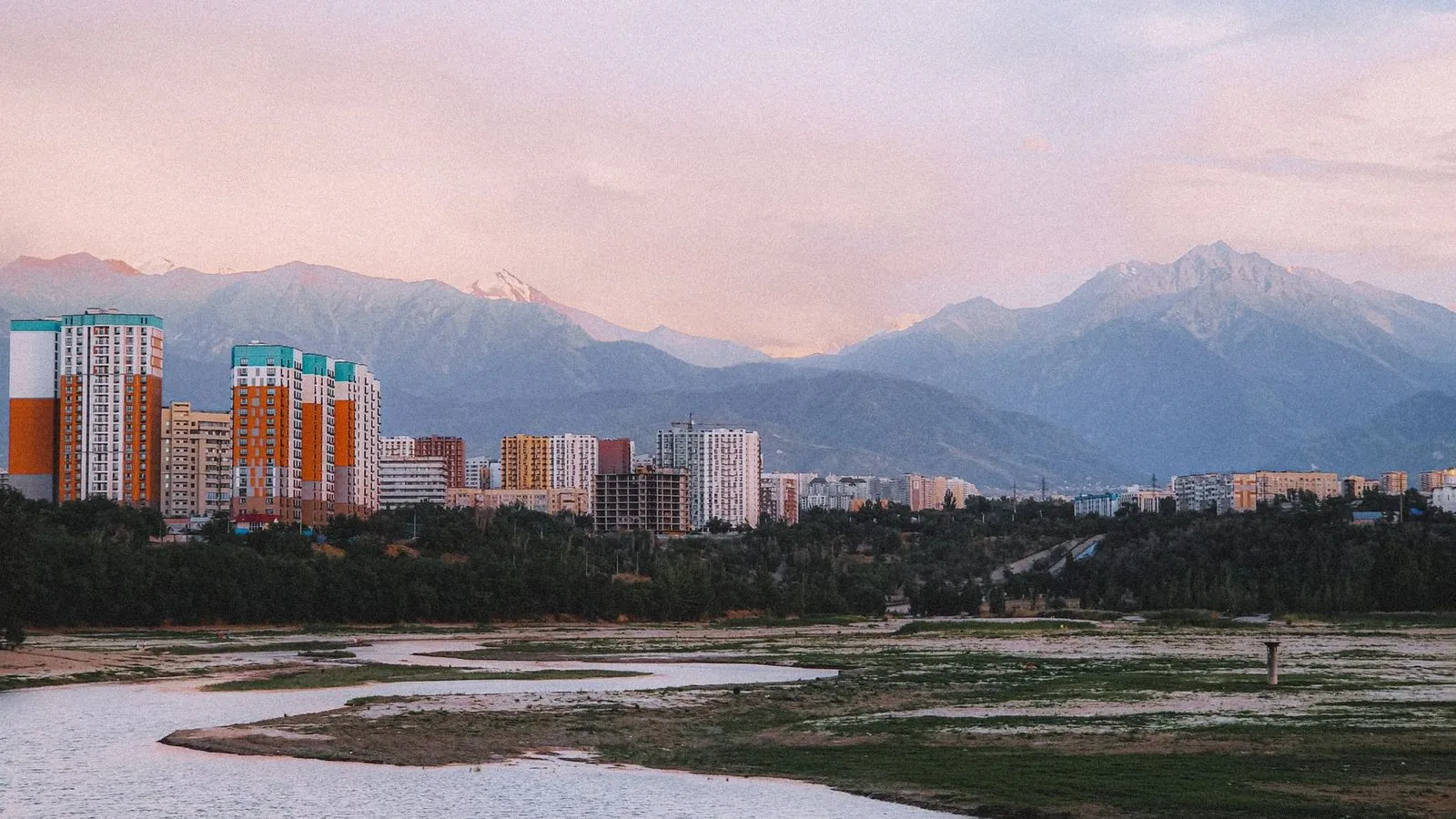
Most major banks (Halyk, CenterCredit, Forte, Nurbank) won’t service Mir cards at all; VTB Kazakhstan still issues them to non-residents, but ATM withdrawals come out in tenge only. A new 2026 residency pilot adds a Kazakh-language proficiency test and financial-capacity proof on top of the existing Temporary Residence Permit requirement that kicks in after 90 days. Cost of living is mid-range: Almaty runs about $1,450/month, Astana roughly 29% cheaper. Reporting on the 2025-2026 banking and residency changes explicitly links the tightening to concerns about Kazakhstan becoming a sanctions-evasion route for the broader relocation wave - the opposite direction from Vietnam.
How Do You Actually Choose Between Them?
If cost and a real language barrier don’t scare you, Vietnam wins - cheapest of the four, no political friction, straightforward e-visa/TRC path. Want the longest visa-free runway and can handle 2026’s new Georgian work-permit paperwork? Georgia fits, especially with an older Russian-speaking contact there.
If citizenship itself is the goal, Serbia’s fast-track path is the standout, even at the highest monthly cost. If proximity and cultural familiarity outweigh everything else, Kazakhstan is closest - but expect the paperwork to keep getting harder, not easier, over the next year.
Climate is a real filter too: Vietnam is tropical monsoon (hot and humid year-round with a wet/dry split), Georgia and Serbia both run genuine four-season temperate climates, and Kazakhstan swings to harsh continental extremes, especially in Astana. If you can’t do humidity, cross Vietnam off regardless of the numbers above.
Whichever direction you land on, the visa paperwork is the part people underestimate - not the flight. If you’re moving fast rather than researching for months, the emergency relocation steps cover the compressed version for Vietnam specifically. If Vietnam is where you’re leaning, danangvisarun.com has the e-visa and visa-run details, or message me directly on Telegram and I’ll walk you through what your specific timeline actually needs.
Frequently asked questions
Is Vietnam really visa-free for Russians in 2026? Yes, for up to 45 days per stay, under a policy that took effect March 15, 2025 and runs through March 14, 2028. Beyond that, a 90-day e-visa ($25 single-entry, $50 multiple-entry) is the standard extension.
Which of the four is hardest for a Russian to bank in? Georgia and Kazakhstan are currently the tightest - both block Mir cards outright and add extra restrictions on top. Vietnam has a limited Mir-accepting bank (VRB); Serbia hasn’t activated Mir at all yet.
Can I get citizenship faster in Serbia than the others? Serbia’s “national interest” fast-track has processed 300+ Russian citizenships since 2022, well ahead of the standard multi-year residency-to-citizenship timelines in Vietnam, Georgia or Kazakhstan.
Is Kazakhstan getting harder for Russians to move to? Yes - new bank-card caps since January 2025 and a 2026 residency pilot adding language and financial-capacity tests are both explicitly tied in reporting to managing the Russian relocation wave, not easing it.
Do I need to speak the local language day-to-day in any of these? Vietnam requires the most adjustment (tonal Vietnamese, no Cyrillic link). Serbian is the easiest to pick up given shared Cyrillic and Slavic roots, though it’s not mutually intelligible with Russian just by listening.
Why would someone pick Vietnam over Georgia specifically? Lower cost of living and zero political friction with Russia (ties are deepening, not straining) are Vietnam’s real advantages. Georgia wins on visa-free duration and on having more Russian-speakers around, at a higher monthly cost and under fresh 2026 work-permit rules.