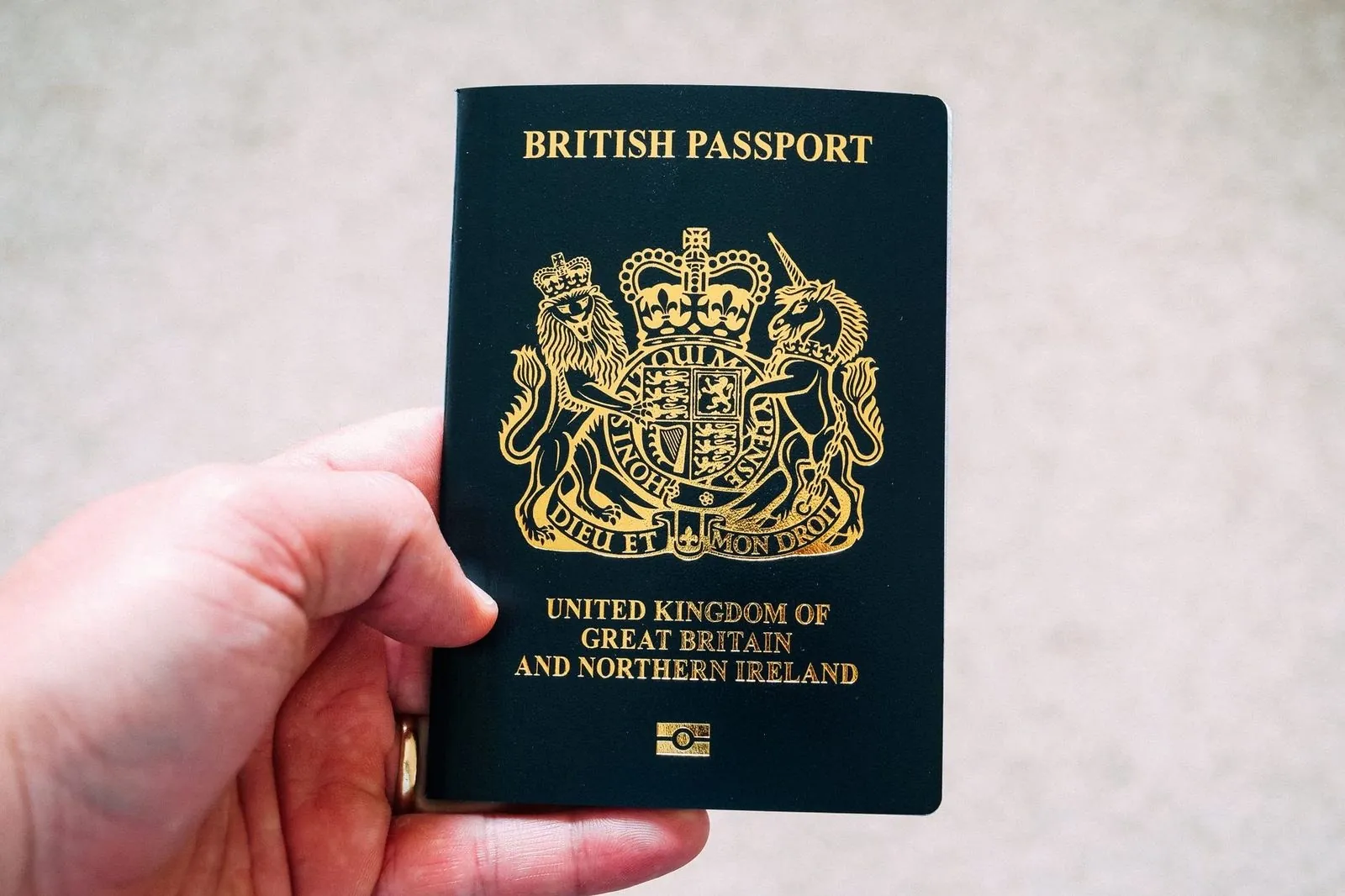
British passport holders get 45 visa-free days in Vietnam per entry — no form, no fee, just a stamp at immigration — capped at 90 total days across any rolling 12-month period. A lot of UK travelers treat that allowance like some kind of permanent post-Brexit perk between London and Hanoi. It isn’t. The exemption runs under a specific Vietnamese resolution with a real expiry date in 2028, and Britain shares the deal with eight other passports — it was never a UK-only arrangement. I handle e-visas and border runs out of Da Nang for a living, so here’s what the 45 days cover, when the policy itself runs out, and what to do once your own days do.
Not a Permanent Perk: Britain’s 45-Day Window Expires 14 March 2028
The UK’s visa-free access to Vietnam runs under Resolution 44/NQ-CP, which took effect on 15 March 2025 and was written to last three years — through 14 March 2028, not indefinitely. That’s the detail most travel forums skip, or get flat wrong by calling it “permanent.” Vietnam has changed this exemption’s length and passport list more than once already, and nothing guarantees the current terms roll over automatically when they lapse. If you’re reading this in 2027 or later and building a trip around the 45-day stamp, confirm the resolution is still in force before booking anything nonrefundable.
Within the window itself, entry is as simple as travel gets. Land at Noi Bai (Hanoi), Tan Son Nhat (Ho Chi Minh City), Da Nang, or Cam Ranh (Nha Trang), hand over a passport valid at least six months with two blank pages, and immigration stamps you in for up to 45 days on the spot.
The UK Is One of Nine Passports on This List — Not a Special Arrangement
Britain sits alongside Germany, France, Italy, Spain, South Korea, Japan and a handful of others on Vietnam’s 45-day exemption list. That matters for how you read news about the policy: this isn’t a bilateral deal London negotiated with Hanoi, it’s a broader unilateral list Vietnam extends to specific markets, and the UK is one of nine passports on it. When the terms shift, they tend to move for the whole group at once rather than for Britain alone — which is exactly what happened when the window was extended out to 2028 for everyone on the list simultaneously, Russian passports included.
The 90-Day Rolling Ceiling That Catches Retirees and Repeat Visitors
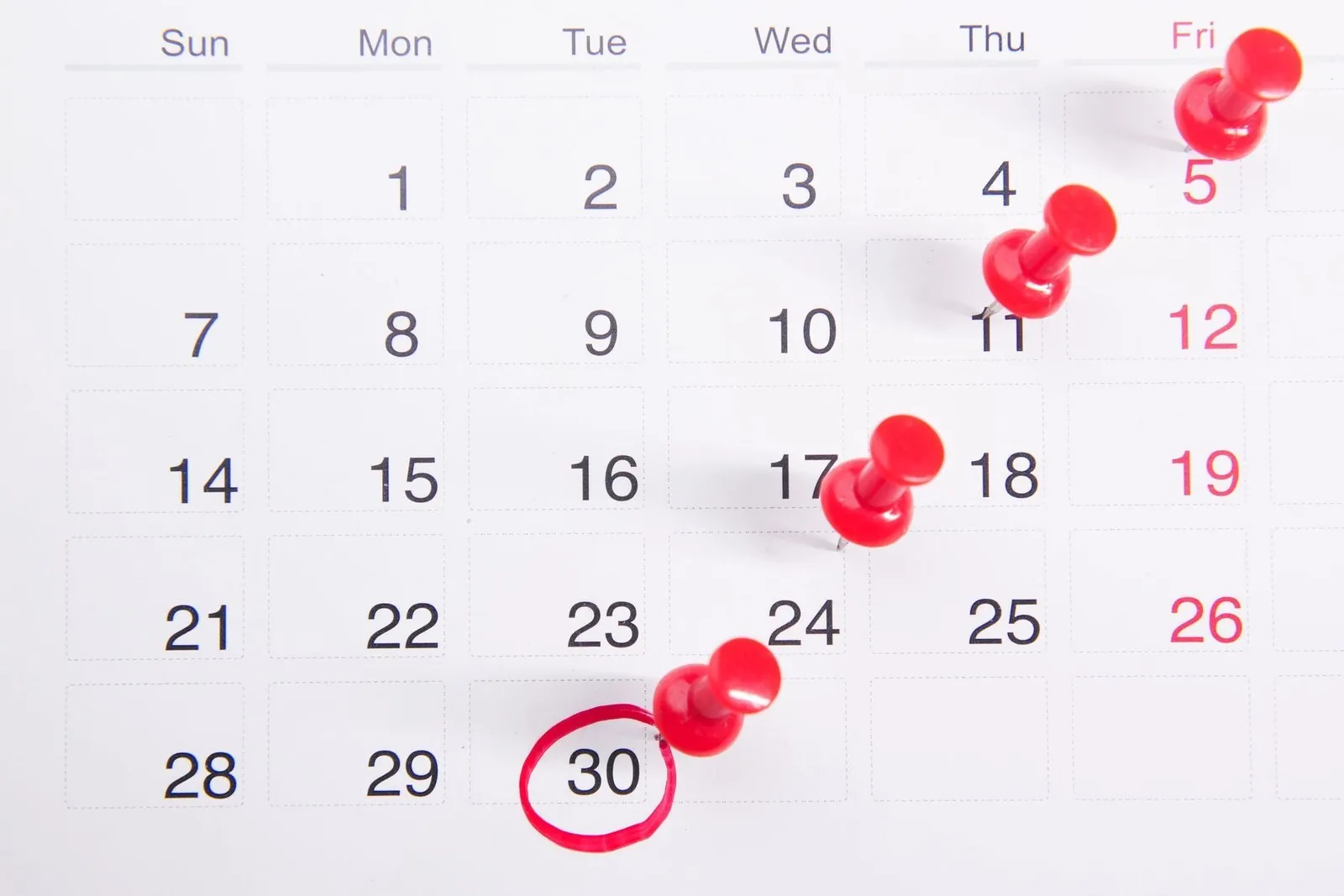
The second number matters just as much, and it’s stricter than it sounds: 90 total days across any rolling 12-month period, counted backward from today rather than reset on a fixed date. At 45 days a stamp, that’s exactly two full visa-free entries before you hit the ceiling — a third trip inside the same rolling window needs an e-visa even with a passport full of blank pages.

This is the detail that trips up UK retirees splitting the year between Vietnam and home, and remote workers stringing together back-to-back stints. It also works differently from a neighbor on the list: Belarusians get a 30-day stamp capped per calendar year, resetting every 1 January, so their clock and a British one don’t match even though both count as “visa-free.” Track your own last 12 months of entry stamps — nobody resets it for you on a fixed date.
When 45 Free Days Isn’t Enough: Signs You Need Vietnam’s E-Visa
The 45-day stamp covers most UK trips outright. You need the e-visa instead when:
- you want a single stay longer than 45 days
- you’ve already used your 90 rolling days in the last 12 months
- you’re entering somewhere stamp issuance runs inconsistent, like a smaller land crossing
- a landlord, bank or school asks for a formal visa document rather than an arrival stamp
The e-visa runs up to 90 days and costs $25 for single entry or $50 for multiple entry, applied for at the official portal, evisa.gov.vn — third-party sites charge the same government fee plus a markup for an identical result. Full breakdown of e-visa, TRC and work permit costs here if you’re weighing a longer move rather than a holiday. Passports with a shorter visa-free window feel this sooner: Kazakh citizens get just 30 days before the same e-visa math kicks in. If you’d rather not run that math yourself, our visa run service from Da Nang files it correctly the first time, no markup guesswork included.
Applying for a Vietnam E-Visa on a British Passport, Step by Step
- Open evisa.gov.vn and start a fresh application — not a third-party site charging extra for the same form.
- Enter your passport details in Latin letters exactly as printed: full name, number, expiry date.
- Upload a bio-page scan and a recent portrait photo on a plain white background.
- Choose your entry checkpoint and arrival date. Neither can be changed once you submit.
- Pay $25 for single entry or $50 for multiple entry by Visa or Mastercard.
- Download the approved PDF after 3-5 working days and print two copies before you fly.

Have your passport scan under 2MB and a plain-background photo ready before you start — running out of either mid-form is the most common reason applications get abandoned. If you’d rather not risk a typo costing you the fee, Best Bus files the whole e-visa for $55: I check every field, run the payment myself, and send the approved PDF straight to your Telegram — up to 5 business days on the standard fee, or in about 3 hours on the $120 rush tier if your flight’s close enough that the standard queue won’t work. Message me on Telegram with your passport photo page and travel dates and I’ll tell you exactly what it needs.
Overstaying the 90 Days: the Da Nang Visa Run Reset
Vietnam has no in-country visa extension. Once your rolling 90 days or your 90-day e-visa runs out, the only fix is leaving and re-entering — a visa run. From Da Nang that’s a day trip to Lao Bao on the Laos border, which resets the clock the moment you cross back with a fresh e-visa or a new 45-day stamp. Already booked that run? We can process the new e-visa in about 3 hours so you’re not stuck waiting at the border.
One exception worth knowing: flying directly into Phu Quoc gets anyone 30 days visa-free with zero paperwork, UK passport or not — but that exemption is Phu Quoc-only, and it ends the moment you want to see the mainland. Land at Da Nang, Hanoi or Ho Chi Minh City instead and your normal 45-day allowance applies from the start.
Not sure whether your dates fit inside the 45 free days, the rolling 90, or need the e-visa from day one? Tell me your travel window and I’ll work out which applies — book directly through danangvisarun.com, message Telegram @learnx1000. Either way, sort it before you fly — a rejected or expired e-visa printout is a far worse start to a Vietnam trip than five minutes of paperwork the week before.
Frequently asked questions
How many visa-free days do UK citizens get in Vietnam?
45 days per entry, with no application or fee — just a stamp at immigration. The allowance is capped at 90 total days across any rolling 12-month period, not a calendar year.
Is the UK's 45-day visa exemption permanent?
No. It runs under Resolution 44/NQ-CP through 14 March 2028. The policy has already been extended once and could change again, so confirm it’s still active before booking a trip near or after that date.
Do I need a Vietnam e-visa for a two-week UK holiday?
No — a standard two- or three-week holiday fits comfortably inside the 45-day visa-free stamp. The e-visa only matters once a single stay runs past 45 days or you’ve used up your rolling 90-day allowance.
What happens once I've used my 90 rolling days?
Your next trip needs a 90-day e-visa: $25 single entry or $50 multiple if you apply yourself, or $55 flat through Best Bus for the full-service version. The rolling count only frees up days as they age out of the trailing 12-month window, so there’s no fixed reset date to wait for.
Can Best Bus process my e-visa faster than the standard 3-5 working days?
Yes. If your flight is close or you’re already on a visa run at the border, Best Bus can get a clean application approved in about 3 hours - that’s the $120 rush service; the standard filing is $55 on an up to 5 business days turnaround.