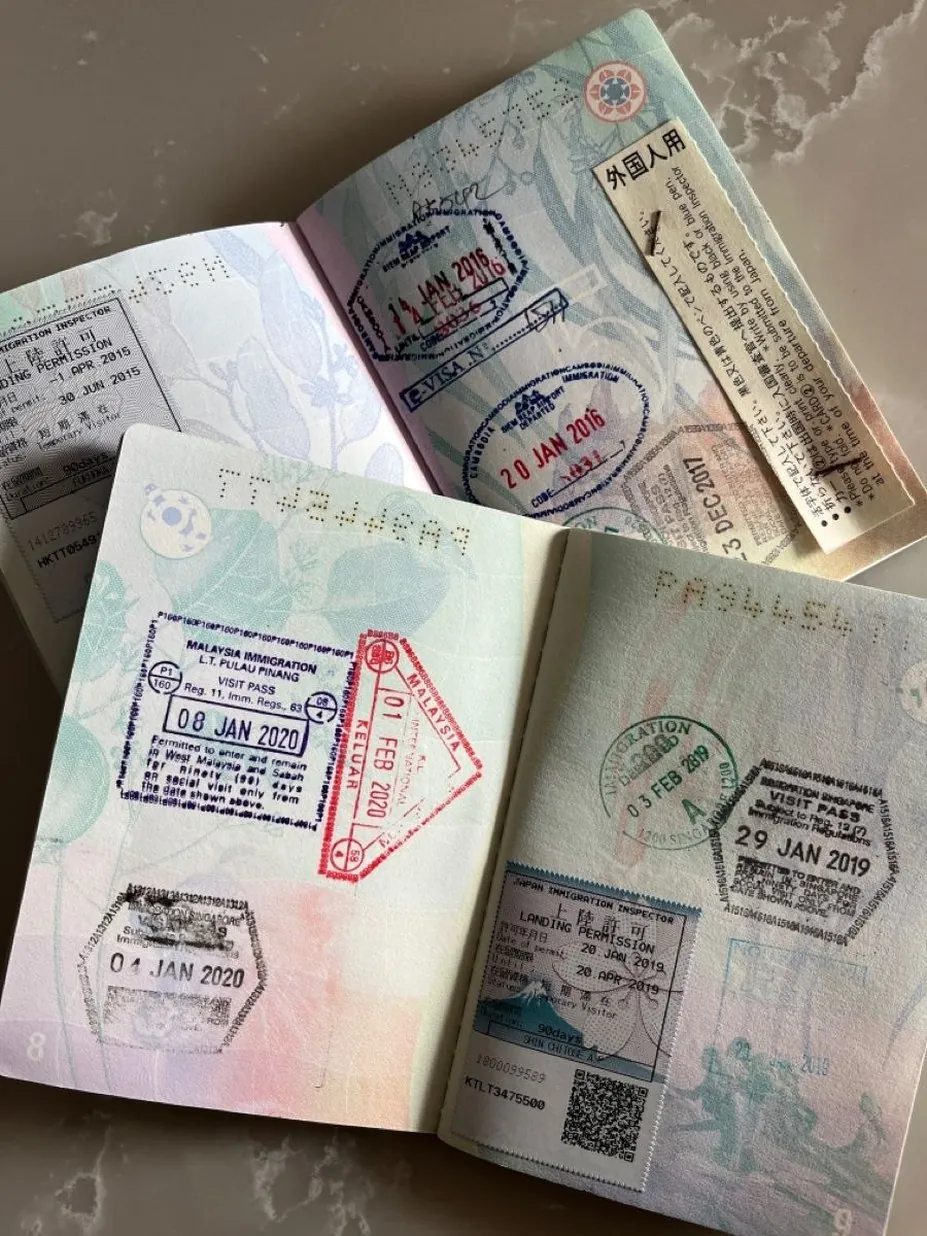
Vietnam’s visa exemption for eligible passports runs 45 days per entry, and the clock restarts only after a genuine exit and re-entry at a land, air, or sea border. If you’re staying long-term, that means a visa run roughly every 43-45 days, not monthly and not “whenever it’s convenient.”
Why 45 days, not 30 or 90
Resolution 44/NQ-CP set the 45-day exemption for 12 nationalities, in effect from March 2025 through March 2028. Vietnam counts calendar days from your entry stamp, not business days, so a trip that started on day 44 is fine but the same trip on day 46 already triggers a fine.

Under Decree 282/2025/ND-CP, overstay fines jumped in December 2025: under 16 days costs 500,000-2,000,000 VND, 16-29 days runs 5-10,000,000 VND, and anything past 30 days climbs toward 15,000,000 VND or more. You pay at an immigration office before you’re allowed to leave or extend, and the border won’t process you without that receipt. If you’d rather not handle this yourself, our Da Nang visa run page shows the timings and what’s included.
What a monthly run actually costs
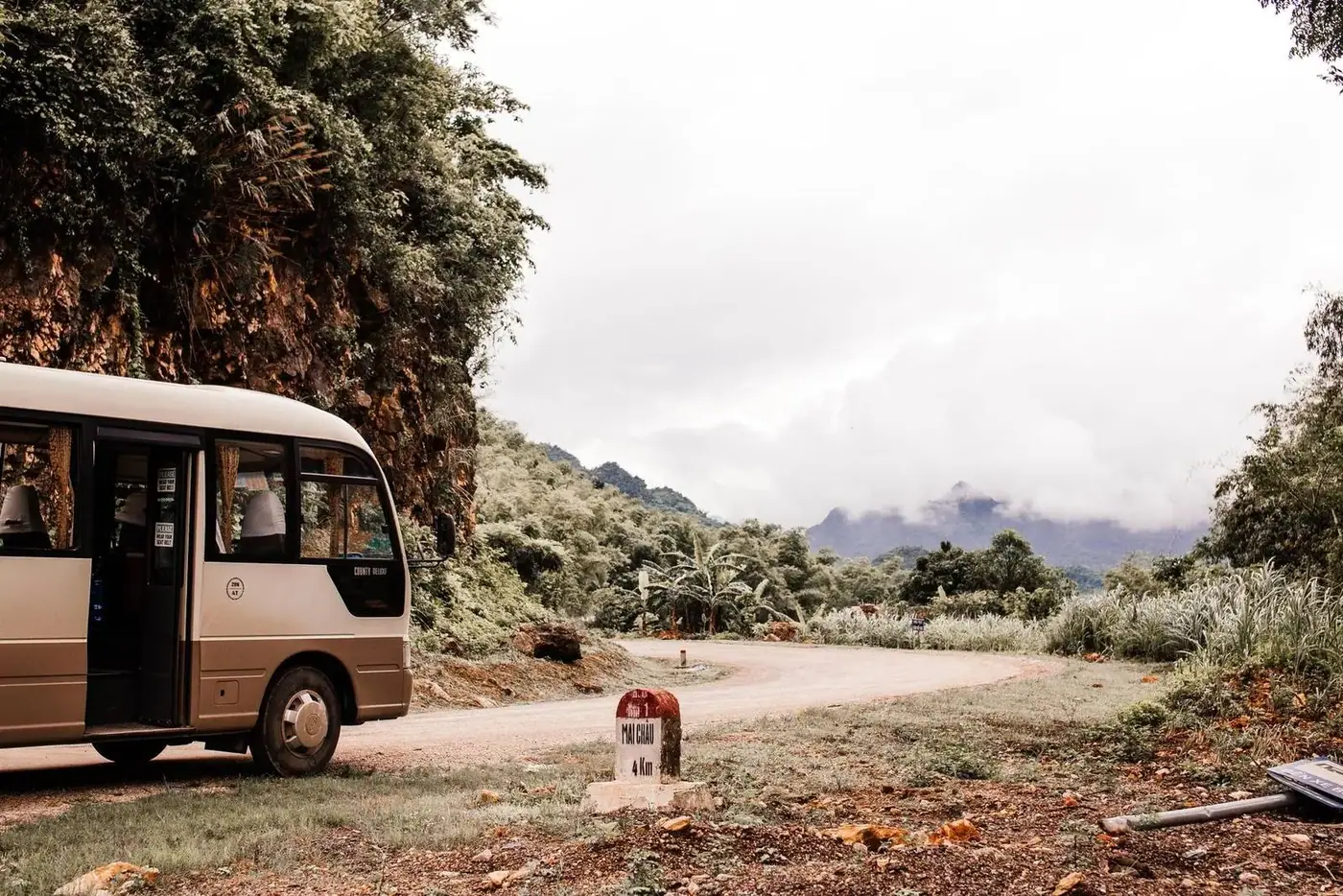
A land border run from Da Nang to Laos through Lao Bao or to Cambodia through Moc Bai runs $85-115 all-in once you count transport, food, and any local crossing fees, and eats a full day. Doing that every six weeks adds up to roughly $700-900 a year in transport alone, on top of the day you lose each time to travel.
When a 90-day e‑visa beats another border trip
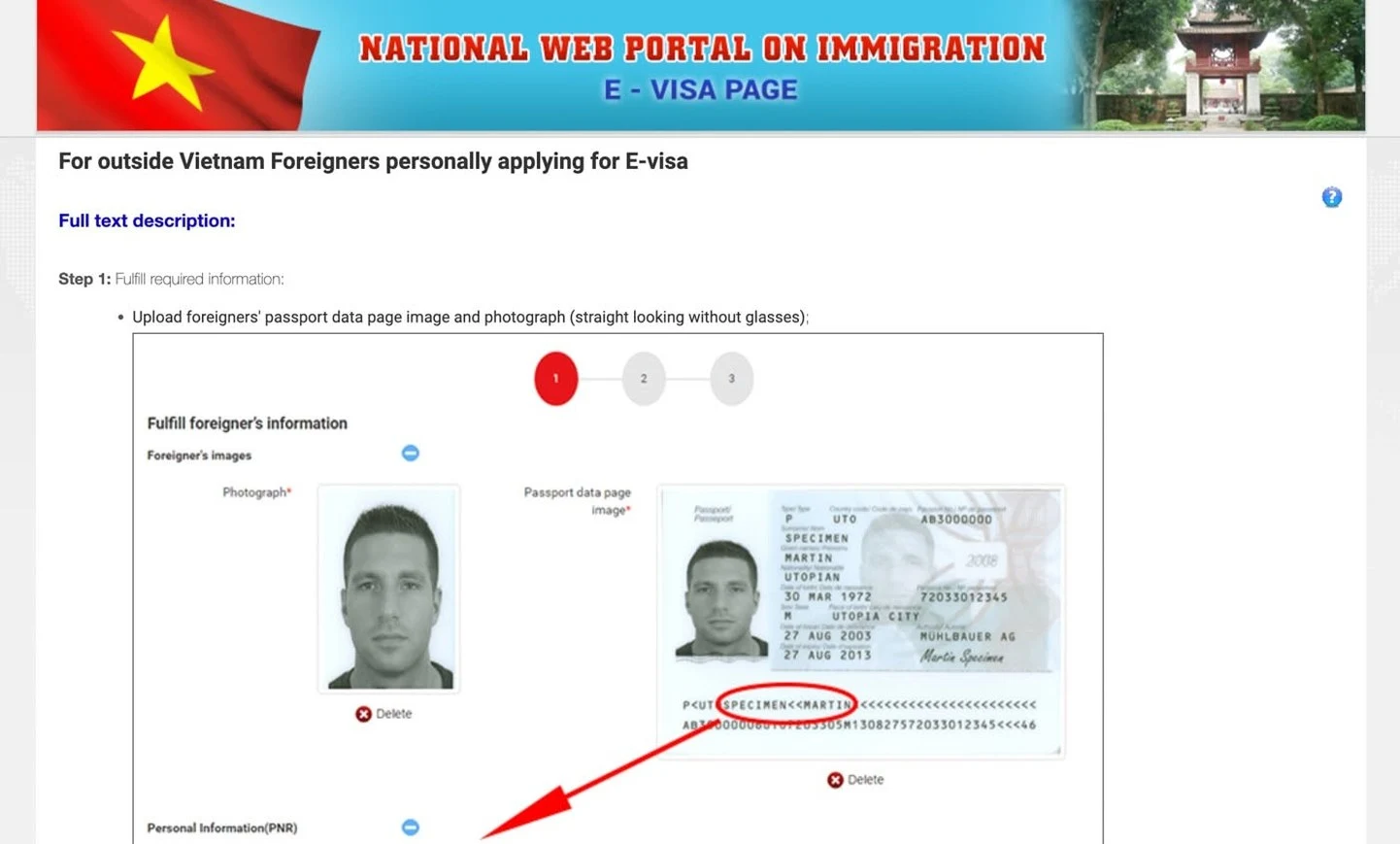
An e‑visa through evisa.gov.vn costs $25 for single entry or $50 for multiple entry and covers 90 days instead of 45, cutting your yearly border trips roughly in half. The catch: normal processing takes about a week, and you have to wait outside Vietnam while it’s issued - a real problem if you’re already mid-trip and can’t afford a week abroad.

This is the exact spot where I usually step in. I pay the government fee on a card the portal actually accepts, get the visa turned around in a single day instead of a week, and set the correct entry point for you. All you send over is your passport details and travel dates.
Step-by-step: timing your own visa run
This is the same sequence I follow before every run, whether I’m heading to Laos or Cambodia.

- Check your entry stamp date, not your booking date or your flight date.
- Subtract two days from day 45 as your personal cutoff to build in a buffer.
- Book transport to Lao Bao or Moc Bai at least three days before that cutoff.
- Clear Vietnamese exit control, get the Laos or Cambodia stamp, then turn around and re-enter the same day.
- Confirm your new Vietnam entry stamp - that date is your new day-one for the next 45 days.
Bottom line: build in a buffer, don’t cut it close
Run the math on your own calendar. If you’re staying under three months, a single 90-day e‑visa is usually cheaper and simpler than two border runs. Past that, alternating e-visas with the occasional land crossing keeps costs down without gambling on a closed checkpoint or a missed bus.
If counting days and standing at a checkpoint isn’t how you want to spend a day off, message me on WhatsApp and I’ll handle the e‑visa and the border run - passport details and your dates are all I need from you.