Choosing between a Vietnam visa run via Laos or Cambodia comes down to one number: which border gets you back on a fresh e-visa for less. Lao Bao (Laos) runs $87-213 and is the only one that makes sense from Da Nang or Hue; Moc Bai or Ha Tien (Cambodia) run $58-140 but only work if you’re already near Ho Chi Minh City or Phu Quoc. Every route shares one fixed cost you can’t skip: a brand-new Vietnam e-visa, $25 single-entry or $50 multiple-entry — the cheapest visa run from Vietnam is whichever border actually matches where you are.
I’ve run visa-run transport out of Da Nang across the Lao Bao crossing for years, so those numbers are firsthand - drivers, timing, the actual cash people hand over at the window. Moc Bai and Ha Tien are far from where I operate, so those figures come from Vietnam’s and Cambodia’s official visa portals plus several transport operators’ published price lists, and I flag anywhere the number rests on a single source instead of two.
How Much Does a Vietnam Visa Run Cost in 2026?
| Border | Country pair | Realistic starting point | Entry visa on the other side | New Vietnam e-visa back in | Transport (round trip) | Total range, per person |
|---|---|---|---|---|---|---|
| Lao Bao | Vietnam-Laos | Da Nang / Hue | $40-50 cash (Laos VOA) | $25-$50 | $32-200 | $87-213 |
| Moc Bai | Vietnam-Cambodia | Ho Chi Minh City | $30 VOA or $36 e-visa | $25-$50 | $2-59 | $58-120 |
| Ha Tien | Vietnam-Cambodia | Phu Quoc / HCMC | $30-35 VOA | $25-$50 | $15-30 | $70-140 |

These are cash-in-pocket ranges for one adult, not a group rate, and they assume you’re doing the simplest version of the trip (public or shared transport, standard e-visa processing). Every fee below is broken out so you can see exactly where your money goes on whichever border applies to you.
How Much Does Moc Bai Cost From Ho Chi Minh City?
Moc Bai runs $58-120 per person, and the entry visa on the Cambodia side (Bavet) is your main variable: an official Cambodia e-visa costs $36 flat through evisa.gov.kh, or you can buy a Visa on Arrival for $30 plus a passport photo at the actual gate.
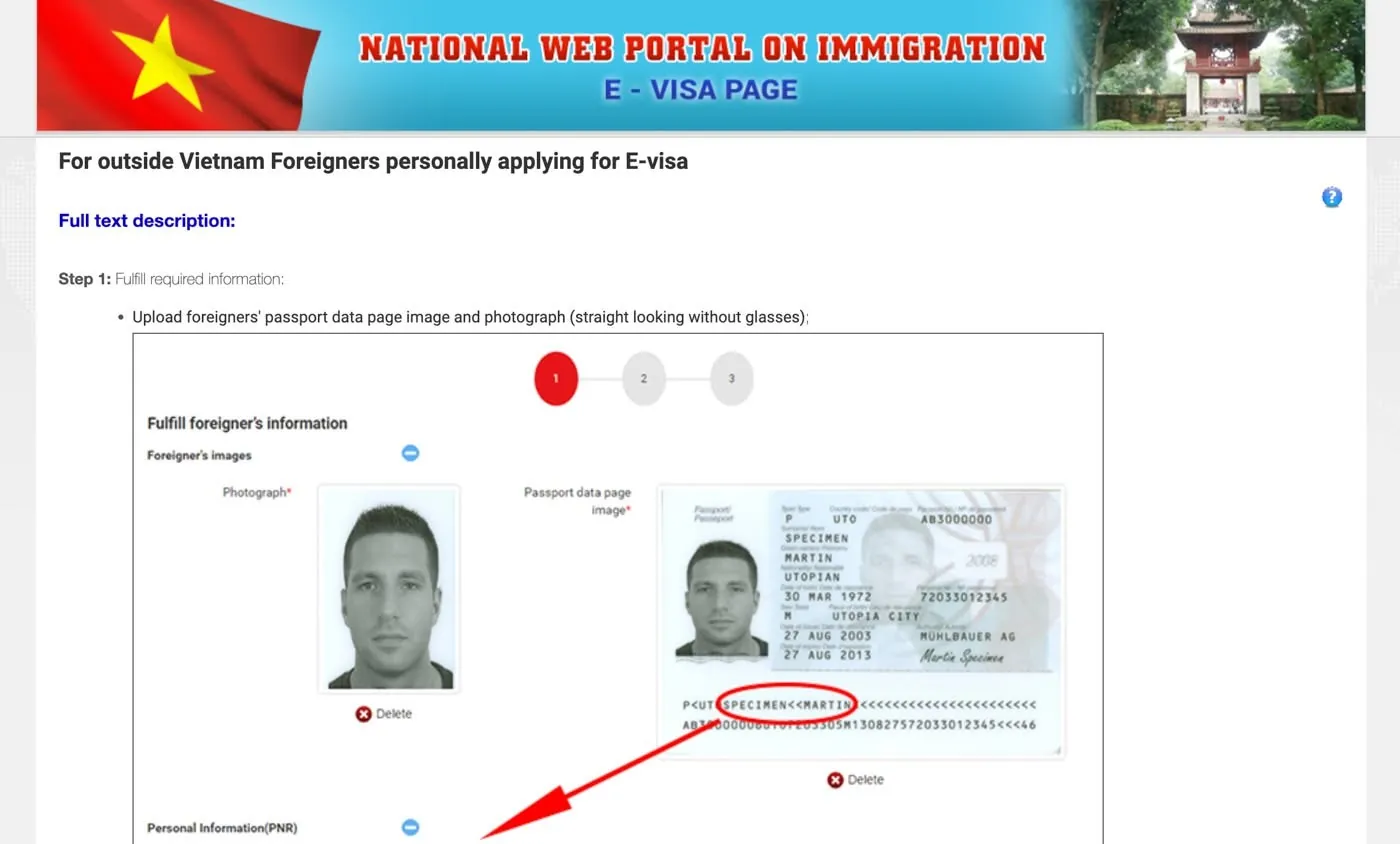
Moc Bai sits about 70 km from Ho Chi Minh City - roughly a 2.5-hour drive - the only one of these three borders that’s genuinely convenient from Saigon rather than Central Vietnam. Cheapest option: public bus line 703 for around $2 one-way (single traveler report, so budget a little more). A private door-to-door package with a driver who walks you through both checkpoints runs closer to $235 per car - cheap once split between three or four people. Between the two gates there’s a short walk across no-man’s-land, or a $1 electric shuttle cart.
I don’t run transport to Moc Bai myself - Best Bus operates out of Da Nang, and Moc Bai is a Saigon-area crossing - so treat this section as a straight cost reference rather than a route I can personally vouch for door to door.
How Much Does Ha Tien Cost, and Does It Take Cambodia’s E-Visa?
Ha Tien costs $70-140 all-in, and the one detail that trips people up: the Prek Chak crossing on the Cambodia side is reported to take Visa on Arrival only, not the online e-visa, so don’t pre-pay for an e-visa expecting to walk straight through - confirm with Cambodia’s own portal before you travel, since this is based on a single travel-operator source rather than two.
Most travelers reach Ha Tien by ferry from Phu Quoc (five to seven sailings a day, $12-16, about 1-1.5 hours) or bus from Ho Chi Minh City ($6-14, 7-8 hours), then a short $3-4 taxi the last 8 km to the Prek Chak gate. Official Visa on Arrival is $30, though a few reports mention staff quoting $35 - worth politely asking for the posted rate.
Like Moc Bai, Ha Tien is outside Best Bus’s operating area. If you’re island-hopping out of Phu Quoc and need a visa reset, these are the real numbers - just know you’re navigating this crossing on your own.
How Much Does the Lao Bao Border Really Charge?
Lao Bao costs $87-213 and is the only one of these three I run personally, so this breakdown is drivers-and-receipts real. The route covers about 250 km from Da Nang (150 km if you’re starting from Hue), and it’s the only Vietnam-Laos crossing that issues a Laos Visa on Arrival, which most nationalities pay for in cash - $40-50 USD depending on passport, no card machines at the window, so bring exact small bills.
On top of that visa, Laos now collects a mandatory digital border fee of about $0.46 (10,000 kip) at every checkpoint, part of a national Easy Pass rollout finished in early 2026. Crossing outside normal hours - before roughly 6 AM, after 6 PM, or on a weekend - risks an unofficial overtime charge in the $4-10 range; nobody hands you a receipt for that one. Transport is the biggest swing factor: a shared van seat runs about $32 round trip, while a full door-to-door package with waiting time and a guide built in lands closer to $90-200. Getting that window wrong is exactly the kind of thing our visa run service from Da Nang is built to avoid - the crossing time gets planned before anyone gets in the van.
This is the border where the money isn’t actually the hard part - it’s timing the cash and the crossing hours correctly. I build the drive around the checkpoint’s real hours and make sure everyone in the van has the right small USD bills before we’re standing at the window, because showing up with a $100 bill and no change is how a same-day trip turns into an overnight one. If you’d rather not gamble a full day on bus schedules and border-hour guesswork, what that side needs from you is just your travel dates and passport nationality - the timing and cash breakdown get built around that.
Multi-Entry vs Single-Entry E-Visa: Which One Saves You Money?
A multiple-entry e-visa ($50) does not extend your stay past 90 days from the day it’s issued - it only lets you leave and come back during that same 90-day window without re-applying. A visa run to reset your legal-stay clock past 90 days always needs a brand-new e-visa application, single or multiple, so the $25 fee is unavoidable no matter which type you buy.
Where the multi-entry option actually saves money: if you already know you’re crossing a border two or more times inside one 90-day period - say, a Lao Bao trip now and a flight out later in the same window - paying $50 once beats paying $25 twice. If you’re only doing one border crossing to reset your clock, the $25 single-entry e-visa is the cheaper choice every time.
The visa run itself is only one line item in what staying here actually costs. Once the e-visa side is sorted, the next questions people usually hit are housing and transport - our rent, food and transport cost breakdown covers both - and, if you’re driving yourself between border runs, what the traffic fines actually are in 2026 so a routine stop doesn’t turn into a bigger bill than the visa run.
For anyone staying long enough that health coverage matters, we’ve compared Vietnam’s international hospitals and separately broken down expat health insurance options - both worth reading before the border-run cycle becomes your normal routine. And if the reason you’re staying is setting up a company or marrying locally, the cost pictures for company registration and for marrying a Vietnamese national both change the visa math too.
Whichever border you end up choosing, the fastest way to stop guessing at these numbers is to book transport with someone who’s actually stood at that specific checkpoint. For Lao Bao, that’s what I run out of Da Nang - e-visa filing, the border crossing, and the cash and timing sorted out before you go. Everything’s laid out on danangvisarun.com.
Methodology: Where These Numbers Come From
Vietnam e-visa fees ($25/$50) come directly from Circular No. 28/2026/TT-BTC, the Ministry of Finance regulation that set current pricing effective April 1, 2026, cross-checked against the official evisa.gov.vn portal and two independent visa-processing services. Cambodia’s visa costs are pulled from its own government portal, evisa.gov.kh. Lao Bao’s numbers are my own operating figures from running transport there. Moc Bai and Ha Tien transport and border-fee figures come from published prices at multiple tour operators and, where marked, a single traveler report - those are flagged as “1 source” rather than presented as verified fact, and I’d rather tell you a number is a ballpark than pretend it’s exact.
For more detail, I’ve broken down the full Da Nang-to-Laos cost picture separately, and compared Lao Bao against the other two northern land crossings if you’re deciding between options near Da Nang. For a wider menu of visa-run styles, this comparison covers DIY bus vs flying out vs done-for-you, and this breakdown helps if you’re still deciding between an e-visa, visa on arrival, or a visa run altogether. Prices above are what travelers reported paying in 2026 - fees and exchange rates shift, so treat the ranges as current-but-not-frozen.
Frequently asked questions
Which border is cheapest for a Vietnam visa run - Lao Bao, Moc Bai, or Ha Tien? Moc Bai is usually the cheapest on paper at $58-120, mostly because Cambodia’s visa is slightly less than Laos’s and transport from Ho Chi Minh City is short. But “cheapest” only matters if the border is actually reachable from where you are - Lao Bao is the only one of the three that makes sense from Da Nang or Hue.
Is flying out and back for a new e-visa cheaper than any of these three land crossings? It depends entirely on that day’s airfare - if a round-trip flight to a nearby country undercuts the total for your border, flying can beat the land run on both price and hassle. But it’s not guaranteed the way these land routes are - the totals above give you a fixed floor to compare any flight price against before you book.
Do I need cash, or can I pay by card at these borders? Cash only at all three crossings - no card machines at the immigration windows. Bring crisp, undamaged small-denomination USD bills; torn or heavily marked notes are commonly refused on both the Laos and Cambodia sides.
How long does a Lao Bao visa run from Da Nang actually take? A same-day round trip runs 10-12 hours door to door: most vans leave Da Nang around 6 AM and get back by 7-8 PM. Missing the crossing’s normal hours triggers the unofficial overtime fee mentioned above, so timing the drive matters as much as the money.
What happens if my new e-visa isn’t ready before I plan to cross? Standard e-visa processing is 3-5 working days, and the fee is non-refundable even if your application gets rejected - apply at least a week before your planned run so a delay doesn’t strand you on the wrong side of your current visa’s expiry.
Is there an official Vietnamese exit fee at these land borders? No government fee is published for exiting Vietnam by land. A few travelers report being asked for roughly $10 cash by an immigration officer, but this isn’t a documented charge, and I’d treat it as an unverified outlier rather than something to budget for automatically.