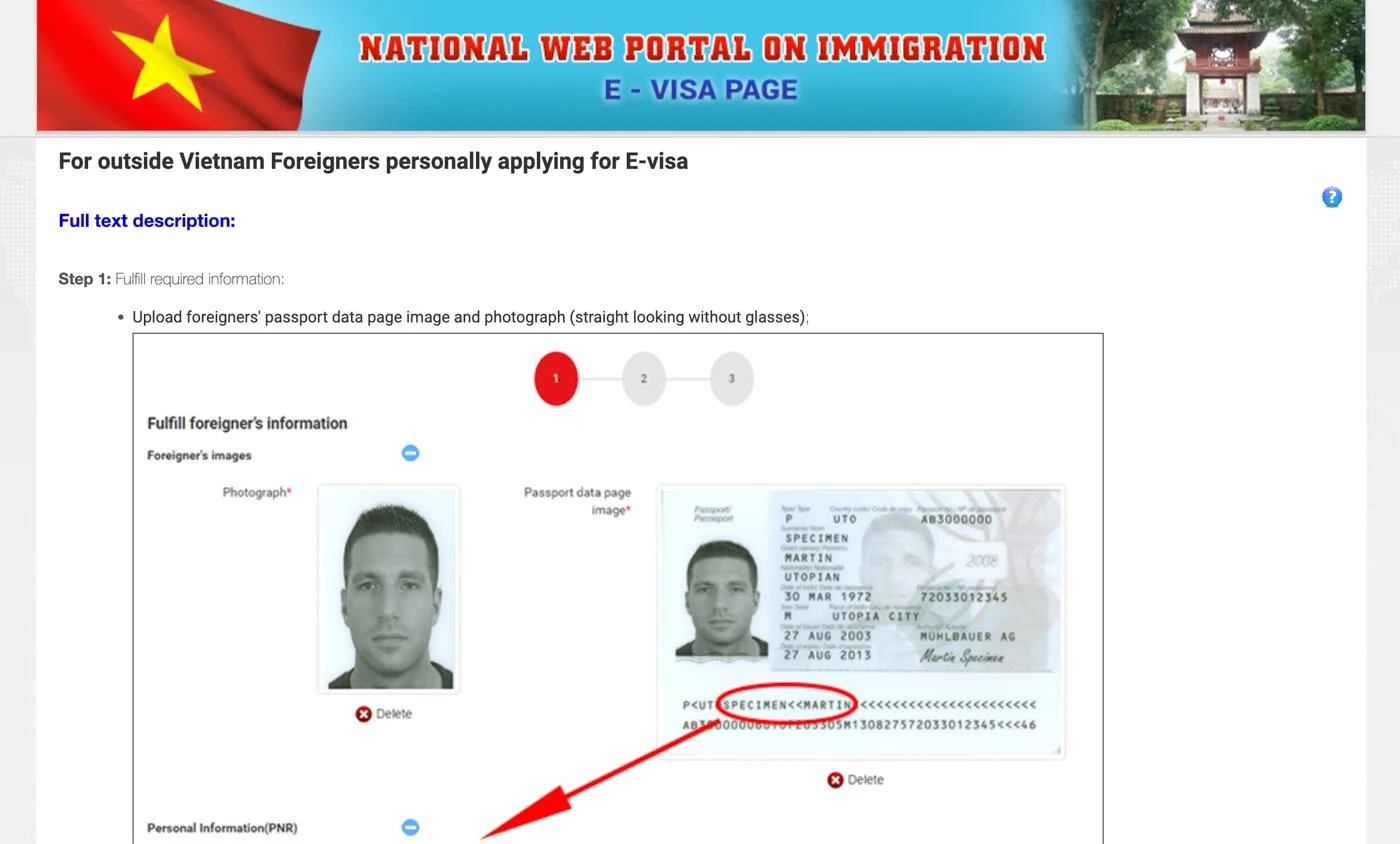
Vietnam sorts every passport into one of three lanes in 2026: visa-free entry (14-90 days depending on nationality), the universal e‑visa (open to every country since August 2023, $25-$50, up to 90 days), or - for a handful of edge cases like South Africa - a status that genuinely depends on which source you check. I run visa-run transfers out of Da Nang and get the same question every week from a different passport: “wait, do I actually need a visa?” So I built the reference table I wish existed when I started.
I’ve lived in Vietnam for years and process e‑visa applications and border crossings for clients from dozens of countries, so this table reflects what actually happens at the airport counter, not just what a policy PDF says.
Quick reference: visa-free, e‑visa, or check first
| Category | Who’s in it | How long | What you need |
|---|---|---|---|
| Visa-free 45 days | Russia, UK, France, Germany, Japan, South Korea, and ~20 more (list below) | 45 days | Passport valid 6+ months, 1-2 blank pages |
| Visa-free 30 days | Kazakhstan, Kyrgyzstan, Thailand, Malaysia, Singapore, Cambodia, Laos, Mongolia | 30 days | Same passport rules, designated border gates only |
| Visa-free 14-21 days | Philippines (21), Indonesia (14, cut from 30 in July 2026), Myanmar, Brunei | 14-21 days | Same passport rules |
| Visa-free 90 days | Chile, Panama | 90 days | Same passport rules |
| E‑visa (everyone else) | India, Australia, Uzbekistan, and 190+ more countries | 90 days | evisa.gov.vn application, $25 single / $50 multiple entry |
| Unclear - check live | South Africa | Depends | Sources disagree, see below |
1. The 45-day visa-free bracket - Russia, UK, most of Western Europe
If you hold a Russian, British, French, German, Italian, Spanish, Japanese, South Korean, Danish, Swedish, Norwegian, Finnish, Swiss, Polish, Czech, Belgian, Bulgarian, Croatian, Hungarian, Luxembourg, Dutch, Romanian, Slovak, or Slovenian passport, you get 45 days visa-free, upgraded from 15 days back in August 2023. No application, no fee, no portal - just a valid passport and an entry through a recognized international border gate.
Pros: zero paperwork, zero cost, works for both tourism and short business stays. Cons: hard stop at 45 days - overstay fines start immediately after, and you can’t extend a visa-free stay from inside the country the way you can extend some e-visas.
Belarus and Kazakhstan appear in this bracket too, but the two directories I cross-checked disagree on their exact day count - Belarus shows as either 45 or 30 days, Kazakhstan as either 30 or 45, depending on the source. If either is your passport, confirm the current number on evisa.gov.vn before booking flights around a specific exit date.
2. The 30-day bracket - mostly ASEAN neighbors
Cambodia, Laos, Malaysia, Singapore, Thailand, Mongolia, and Kyrgyzstan get 30 days visa-free. This bracket is built for regional travel and short land-border hops - it’s the one most visa-run clients from neighboring countries fall into, since a lot of Southeast Asian passports already sit here rather than needing an e‑visa at all.
Pros: enough time for a proper regional trip without paperwork. Cons: 30 days runs out fast if you’re combining Vietnam with a longer Southeast Asia loop - plan your exit date before you land.
3. The 14-21 day bracket - Philippines, Indonesia, Myanmar, Brunei
Philippine passport holders get 21 days. Indonesia was cut from 30 days to just 14 days on 15 July 2026, and only for tourism or family-visit purposes - a business trip on an Indonesian passport now needs an e‑visa instead. Myanmar and Brunei sit at 14 days as well.
Pros: still zero-cost and zero-application if your trip fits the window. Cons: 14 days is tight for anything beyond a single-city visit, and the Indonesia cut caught a lot of people planning around the old 30-day rule.
4. The 90-day bracket - Chile and Panama
Chile and Panama are the only two countries with a full 90-day visa-free allowance - as long as the e‑visa itself, but without the $25-50 fee or the online application. If your passport is Chilean or Panamanian, this is the best deal on the whole list.
Pros: longest visa-free window that exists, no cost. Cons: just two countries qualify, so it doesn’t help most travelers.
5. India - no visa-free entry, e‑visa is the standard route
Indian passport holders are not on Vietnam’s visa-exemption list at all, despite how often I get asked whether they are. The standard path is the e‑visa at evisa.gov.vn: single or multiple entry, up to 90 days, from $25, applied for entirely online 3+ working days before travel. Visa-on-arrival with a pre-approval letter exists too, but it only works if you’re flying in - it’s refused at land borders.
Pros: e‑visa is straightforward to apply for from home, no embassy visit needed. Cons: unlike a Thai or Singaporean passport, there’s no zero-cost fallback if the e‑visa portal is down or your card gets declined - plan the $25-50 fee and the lead time into your trip.
This card-decline problem is where I usually get pulled in - foreign-issued cards get rejected on evisa.gov.vn more often than people expect, and there’s no way to know until you’re already mid-application with a departure date closing in. You can absolutely fill out the form yourself with a translator app open in another tab; it’s a standard government portal, nothing hidden about it. Where I get involved is paying the fee on a card the portal accepts and turning same-day requests around in a single day instead of the standard three. With me it’s just your travel dates and nationality - no card gymnastics on your end. Message me on Telegram with your nationality and travel dates and I’ll tell you within the hour whether the standard three-day window works for you or you need the same-day route.
6. Australia - no reciprocity agreement, despite the passport strength
This is the one that surprises people most: Australian citizens get no visa-free entry to Vietnam at all, even though Australian passports open doors almost everywhere else. There’s no bilateral reciprocity agreement between the two countries for ordinary passports, so Australians go through the same e‑visa process as India or Uzbekistan - up to 90 days, $25 single-entry or $50 multiple-entry.
Pros: the e‑visa itself is fast and the online form takes under 20 minutes. Cons: it’s an extra $25-50 and a few days of lead time that a New Zealand-adjacent traveler might not expect, given how few countries still require anything from an Australian passport.
7. Uzbekistan - e‑visa only, one narrow exception
Uzbek citizens are not on the exemption list and need a visa for every entry - but since August 2023, the e‑visa opened worldwide, so Uzbek passport holders now qualify for the same 90-day, $25-50 e‑visa as everyone else in this bracket.
A separate, much narrower 5-year visa-exemption certificate exists, but it’s only issued through the Vietnamese Embassy in Tashkent to overseas Vietnamese (Việt Kiều) and their registered family members - it doesn’t apply to an ordinary Uzbek citizen traveling for tourism or work.
Pros: the 2023 e‑visa expansion put Uzbek passports on equal footing with the rest of the world for the first time. Cons: no visa-free fallback exists for ordinary citizens, so budget the fee and the processing days either way.
8. South Africa - the one I can’t give you a straight answer on
I’d rather tell you this is unresolved than guess. Some 2026 visa guides list South African citizens as fully e‑visa eligible; others say South Africa is excluded and the only route is an embassy visa or visa-on-arrival with a pre-approval letter.
The two directories I cross-checked directly contradict each other on this one, and I couldn’t pull a live answer from the official nationality selector before publishing. If you hold a South African passport, run your own passport through the evisa.gov.vn nationality dropdown before you commit to flights - don’t trust a blanket “yes” or “no” from any single guide, mine included.
How I checked this and how to use it
I cross-referenced two independent visa-directory sources for every country and duration in this table, plus the e‑visa mechanics directly against evisa.gov.vn’s stated fees and processing time. Four items came back conflicting rather than confirmed - Belarus’s exact day count, Kazakhstan’s exact day count, the total headline number of visa-exempt countries, and South Africa’s e‑visa eligibility.

I’ve flagged every one of those instead of picking a number that sounded more authoritative. If your passport falls into a bracket with a confirmed number, you can trust the table. If it’s Belarus, Kazakhstan, or South Africa, treat this as a starting point and verify on the official portal before you book anything.
One more mix-up I see constantly: your visa-free window counts from entry date, not booking date, and resets on each new entry - it isn’t an annual quota for most countries here.
If your passport needs the e‑visa - India, Australia, Uzbekistan, or any of the 190-plus countries in that bracket - the form itself is straightforward with a translator app open in another tab. I go through the exact fields and timing in a full e‑visa walkthrough if you want the step-by-step before you start. At BestBus Vietnam that’s the same process I run for clients every week, just with the card and entry-point details handled on my side.
Whichever bracket you land in, the one number worth writing down is your exact exit date, not just the visa length - miscounting by even a day is how most of the overstay fines I see actually happen. If you want a second pair of eyes on your dates and passport before you fly, send me your nationality and arrival date on Telegram and I’ll confirm which lane you’re actually in.
Frequently asked questions
Can South African citizens apply for a Vietnam e‑visa?
It’s genuinely unresolved as of this writing - two visa-directory sources directly contradict each other, one listing South Africa as e‑visa eligible and one excluding it. Check the live nationality selector at evisa.gov.vn before booking, rather than trusting either answer at face value. Timings and what’s actually included are laid out on our Vietnam e-visa 90 days page.
What's the actual difference between a visa exemption and an e‑visa?
A visa exemption means you need nothing at all - just a valid passport and entry through a recognized border gate. The e‑visa is a paid, pre-approved online application ($25-50, up to 90 days) required for everyone not on the exemption list. You can’t “upgrade” a visa-free stay into an e‑visa from inside the country; they’re separate systems.
Does a diplomatic or official passport follow the same rules as an ordinary passport?
No - diplomatic and official passport holders sit on a separate, much longer exemption list of roughly 80-plus countries under bilateral agreements, with different day counts per country. An ordinary Indian passport needs an e‑visa, but an Indian diplomatic passport can qualify for exemption under that separate track. Don’t assume your ordinary-passport bracket applies if you’re traveling on official documents.
Did Vietnam actually shorten Indonesia's visa-free days in 2026?
Yes - Indonesian passport holders dropped from 30 days visa-free to 14 days, effective 15 July 2026, and only for tourism or family-visit travel. A business trip on an Indonesian passport now needs the e‑visa instead of relying on the old exemption.
If my e‑visa is single-entry, can I do a quick land-border hop and come back?
No - a single-entry e‑visa is exactly that: it’s used up the moment you exit, even for a short visa-run to Laos or Cambodia and back. If you’re planning any border crossing during your stay, apply for the multiple-entry e‑visa ($50) instead of the cheaper single-entry option.