Russian citizens can enter Vietnam without a visa for up to 45 days — no application, no embassy visit. The free stay was extended through March 14, 2028 under Resolution 44/NQ-CP. If you’re staying longer, you have two main options: a 90-day e-visa ($25) or a visa run to Laos or Cambodia. If you just want someone to handle it for you, that’s a one-day job with the right service.
Do Russians need a visa to enter Vietnam?
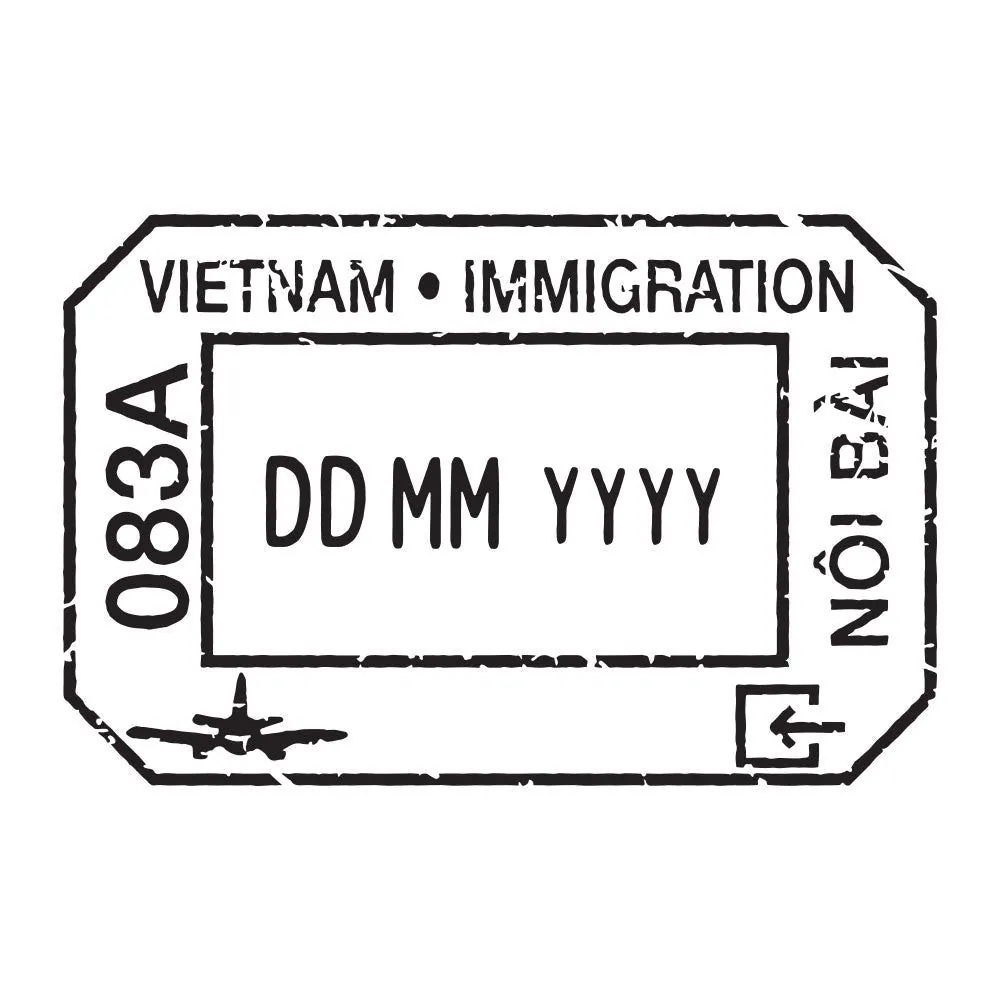
No — Russian citizens are among 45 nationalities that enter Vietnam visa-free for up to 45 days. The exemption covers all purposes: tourism, digital nomad work, family visits, and short-term business. You arrive, get a stamp at the border, and that’s it. No prior application, no fee, no letter of invitation.

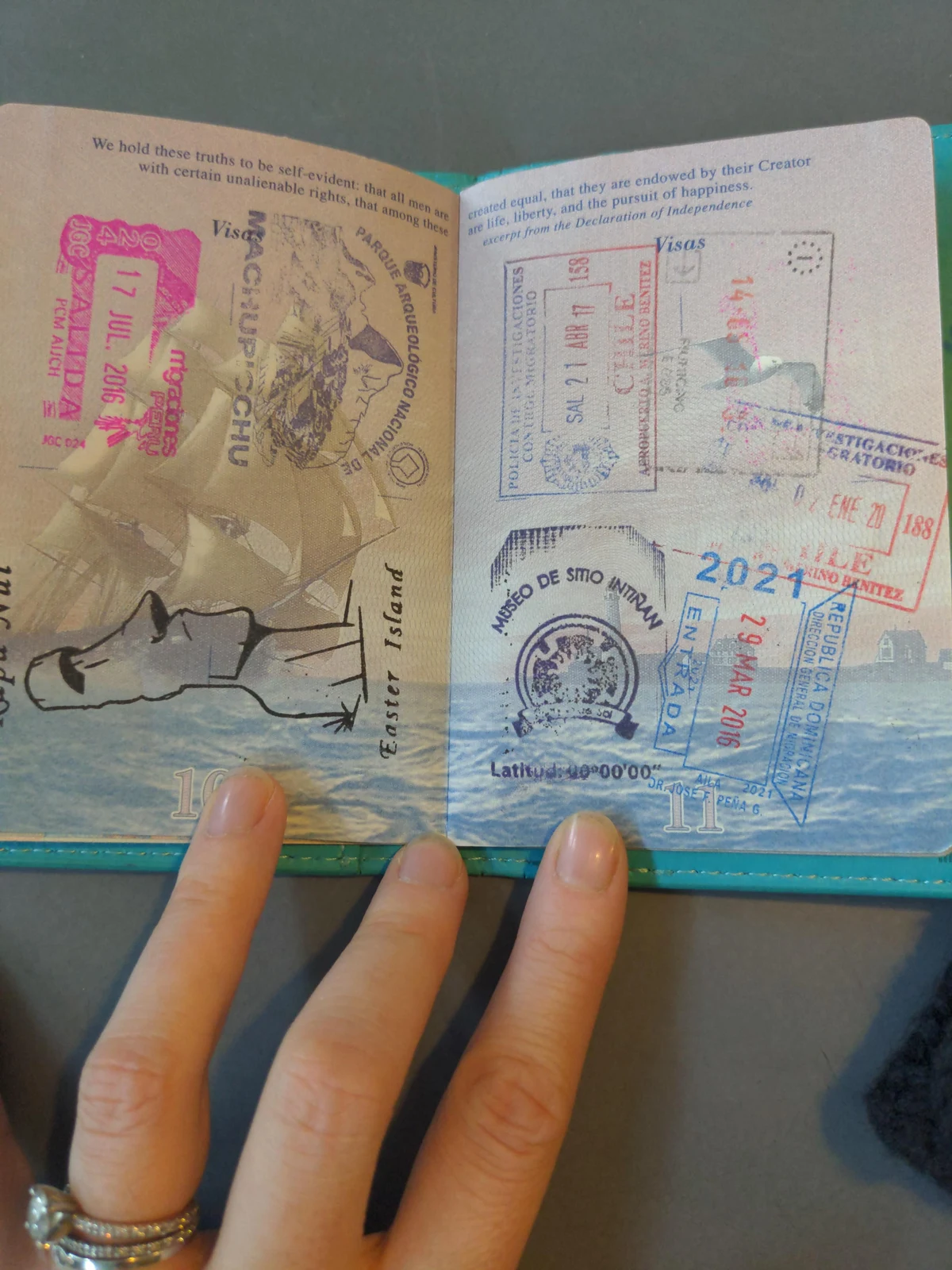
The stamp counts your arrival day as day one: if you land on May 1, your last legal day is June 14. There’s no annual cap on the number of entries — you can do back-to-back visa runs every 45 days indefinitely, though border officers may ask questions after two or three in a row.
Since April 15, 2026, a digital arrival card (E-Arrival Card) is mandatory at major airports and most land crossings. You fill it in for free at prearrival.immigration.gov.vn no earlier than 72 hours before departure, then show the QR code at passport control. Without the card you won’t be turned back, but you’ll join a longer queue to fill it in on the spot.
When does the 45-day free entry run out?
The 45-day exemption hits its limit in three common situations: you’re planning a longer stay, you want to avoid repeating visa runs every month and a half, or you’re relocating and need three months of continuous legal presence.

There’s no way to extend the visa-free stamp from inside Vietnam — once you’re in on bezvis, your only options are to leave (visa run) or switch to a different visa type before you entered. Trying to overstay has gotten more expensive: since December 2025, under Decree 282/2025/NĐ-CP, fines run from 500,000 to 40,000,000 VND depending on how long you overstayed, and anything over 16 days triggers deportation and an entry ban. Fines are paid in cash VND at the airport when you leave.
If you’re coming back every 45 days repeatedly, what to do after 45 days in Vietnam — visa run logistics, costs, and how to time returns — is worth reading before your third entry.
Two frequent edge cases trip people up. Your passport must be valid for at least 6 months from your entry date into Vietnam — not from your departure date from Russia. A passport with 5 months and 29 days left gets flagged, usually at the Russian airline check-in counter before you even board. And if you’re flying one-way, Vietnamese border officers check return tickets selectively, but Russian airlines nearly always ask for one — a cheap refundable ticket to a neighboring country solves that.
What to do when you need more than 45 days
The two practical options are a 90-day e-visa or a visa run. Which one fits depends on how much longer you need and how often you’re willing to cross a border.
90-day e-visa. Applied for at evisa.gov.vn — the official Vietnamese government portal. Processing takes 3 working days, costs $25 for single-entry or $50 for multiple entries. You submit your passport scan, a photo (4×6 cm, white background, no glasses), entry date, and first accommodation address. Once approved, you download the PDF and print it to show at the border alongside your digital arrival card.
The catch for Russian citizens: evisa.gov.vn doesn’t accept Mir cards or most cards issued by Russian banks. Workarounds include a Kazakh bank card, a crypto debit card, paying through a relative abroad, or using a visa service that pays the government fee for you and fills in the form. Our Da Nang visa-run and e-visa service is built around exactly that card problem.
Visa run. Leave Vietnam and re-enter. Your 45-day free stamp resets with each new entry. The most popular route from Da Nang is the Lao Bao border crossing — about 4 hours by bus from Hue, with the crossing done same-day. The Lao side gives a free stamp for Russian citizens. Da Nang to Lao Bao and back typically runs 12–14 hours door to door.
I organize the e-visa payment and form submission when the government portal rejects your card — and arrange the full Lao Bao transfer when you need a visa run. You provide the travel dates and passport details; I handle the rest.
How to pay for a Vietnam e-visa without a Russian card
The evisa.gov.vn portal accepts Visa and Mastercard issued outside Russia, UnionPay issued by select foreign banks, and some crypto debit cards. Cards issued by Russian banks — including Mir cards — are rejected at the payment step even if the card carries a Visa or Mastercard logo but was issued domestically.

Practical workarounds that work in 2026: a card from Kaspi Bank (Kazakhstan), a Bybit or Binance crypto card, a card from a UAE or Georgian bank opened during relocation, or paying through a visa assistance service that processes the $25 government fee using their own card. The government fee itself is fixed — a visa service charges extra on top for the handling, but the underlying fee doesn’t change.
One thing that doesn’t work: sending someone else your passport scan to apply on your behalf without telling the portal. The evisa.gov.vn system ties the application to the applicant’s email and payment method, but the passport data has to match exactly — entering wrong details is a common reason for rejection.
What’s your next step
If you’re visiting for under 45 days: you need nothing in advance except a valid passport and the digital arrival card filled in before your flight. Book your ticket and go.
If you’re staying longer or want to skip the card-rejection headache for an e-visa: danangvisarun.com handles both — e-visa applications with payment, and same-day visa run to Laos from Da Nang including transfer and border logistics. Write to Telegram @learnx1000 for a quick cost breakdown on your specific situation.