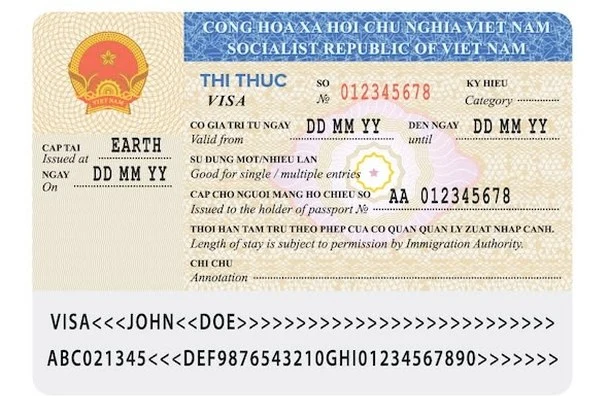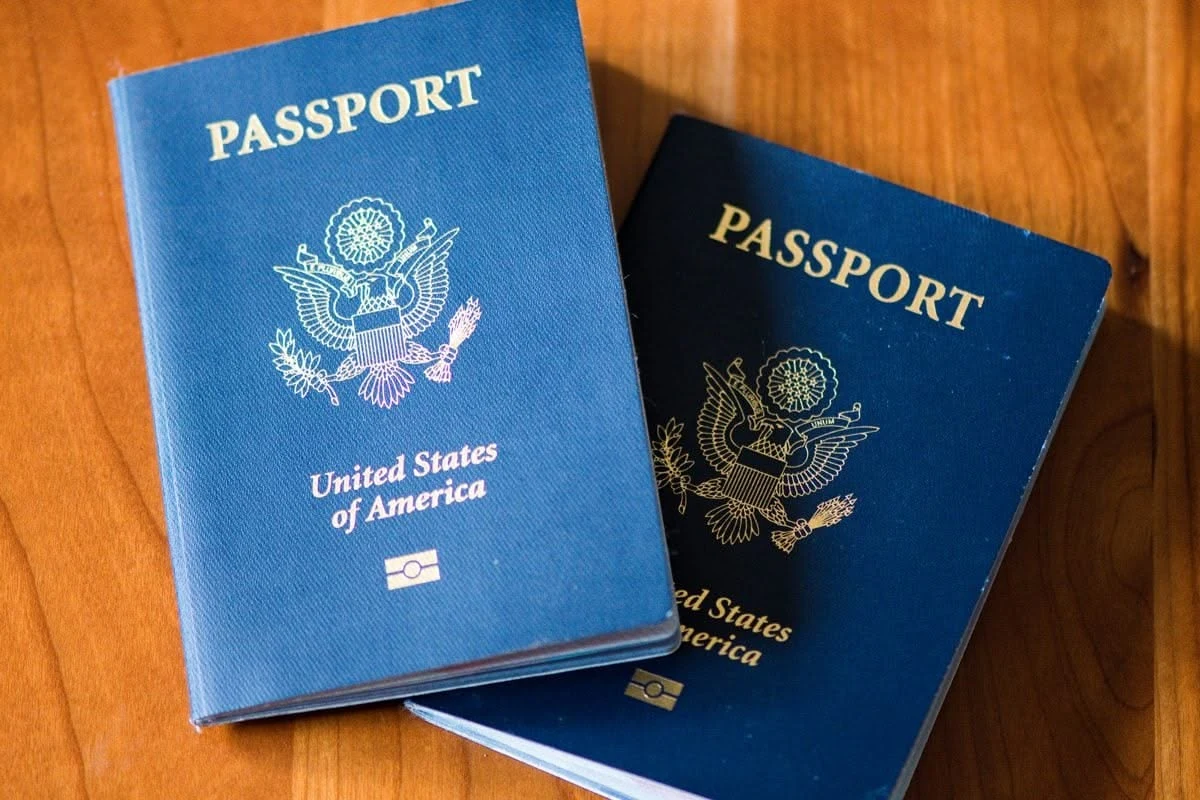
Filipino passport holders get 21 visa-free days in Vietnam for tourism or short business trips, not the 30 days many travel blogs still list. Miss that window and you owe an overstay fine that starts around 500,000 VND for the first two weeks and climbs fast after that.
I live in Da Nang and run visa-run trips for foreigners who overstayed or misjudged their exemption window. The Philippines number trips people up more than almost any other nationality I deal with, because two real Vietnam entry rules exist side by side and most sites only explain one.
Why Do Some Sites Say 30 Days Instead of 21?
Most “30 days visa-free” articles about the Philippines describe a different, narrower rule: the Phu Quoc Island exemption. In effect since July 2020, it gives 30 visa-free days to every nationality, Filipino included, but only if you fly directly into Phu Quoc International Airport and never leave the island for the mainland.
Step onto a domestic flight to Hanoi, Da Nang, or Ho Chi Minh City, and the Phu Quoc exemption stops applying. Your entry then falls under the standard Philippines-Vietnam bilateral exemption, which caps at 21 days. Writers who researched the Phu Quoc rule once and applied it to all of Vietnam are the most likely source of the confusion, since both figures show up in the same search results for “Vietnam visa Philippines.”
How Many Days Can Filipinos Actually Stay Visa-Free?
A Philippine passport holder entering mainland Vietnam gets 21 consecutive days without applying for any visa, valid for tourism and short business purposes only. That is confirmed independently by myvietnamvisa.com and by the Vietnam Embassy in Manila’s own visa guidance, which is the closest thing to an official government source most travelers can cross-check online.
That 21-day figure makes the Philippines an outlier inside ASEAN. Brunei, Cambodia, Indonesia, Laos, Malaysia, Myanmar, Thailand, and Singapore passport holders all get 30 visa-free days to Vietnam under the same regional framework. Filipinos get nine fewer days than most of their ASEAN neighbors, and nothing about that gap is announced anywhere obvious to a first-time traveler.
| Passport / route | Visa-free days | Conditions |
|---|---|---|
| Philippines, mainland Vietnam | 21 days | Tourism or short business only, single entry per exemption |
| Philippines, Phu Quoc only | 30 days | Direct flight to Phu Quoc airport, no mainland travel |
| Brunei, Cambodia, Indonesia, Laos, Malaysia, Myanmar, Thailand, Singapore | 30 days | Same bilateral ASEAN framework, mainland Vietnam |
| Any Philippines stay beyond day 21 | 0 days visa-free | Requires e‑visa, VOA, or embassy visa before/on arrival |
What Do I Need Before I Even Land in Vietnam?
Every foreign national entering Vietnam, including visa-exempt Filipino travelers, must file a free Vietnam Digital Arrival Card online within 72 hours before arrival. It’s a pre-arrival declaration, not a visa, and it does not extend or replace your 21-day exemption.
Your passport also needs at least 6 months of validity beyond your entry date and at least 2 blank visa pages, visa-free or not. Immigration at Da Nang and Ho Chi Minh City airports checks both before the stamp counter, and either shortfall can get you turned back at check-in on the Manila side.
What Happens on Day 22?
Nothing happens automatically, but from day 22 onward you’re overstaying, and Vietnam’s 2026 overstay fines scale with how many days you go over. A December 2025 update, referenced in industry coverage as Decree 282/2025, roughly doubled the previous maximum fines.

Overstaying 1-15 days costs roughly 500,000-2,000,000 VND. Push it to 16-29 days and the fine jumps to 3,000,000-5,000,000 VND, about $133-221. Between 30 and 59 days over, expect 5,000,000-10,000,000 VND, and 90+ days over can hit 15,000,000-20,000,000 VND or more, with deportation possible for repeated cases. Details on the current schedule are on myvietnamvisa.com’s overstay page.
Can I Extend My 21-Day Stay Without Leaving Vietnam?
The visa-free 21 days itself cannot be extended in place, and independent pricing for that specific extension procedure isn’t consistently documented, so I won’t quote a number I can’t verify twice. What I can confirm: if you know before day 21 that you need more time, applying for a Vietnam e‑visa is the straightforward fix, and you can request it before your visa-free period even ends.
What Are My Options If I Need More Than 21 Days?
Three paths cover almost every Filipino traveler who wants to stay past day 21: apply for an e‑visa, arrange a Visa on Arrival before flying, or do a visa run to a neighboring country and re-enter with a fresh e‑visa.
| Option | Cost | Time needed | Where it works |
|---|---|---|---|
| E‑visa (evisa.gov.vn) | $25 single-entry / $50 multiple-entry government fee | 3-5 working days | Air, land, and sea entry points |
| Visa on Arrival | $25/$50 stamping fee plus approval-letter service fee | Requires pre-approved letter before boarding | Air arrival only, not land borders |
| Visa run (e.g. Lao Bao crossing from Da Nang) | ~$85-100 total per person | 1 day round trip | Resets your Vietnam entry with a new e‑visa |
How Do I Apply for a Vietnam E‑Visa as a Filipino?
- Go to the official evisa.gov.vn portal and create an account with your email.
- Upload a passport photo page scan and a passport-style photo, and confirm your passport has 6+ months of validity left.
- Choose single-entry ($25) or multiple-entry ($50), since the e‑visa fee changes with entry type.
- Pay the government fee online and submit; processing typically takes 3-5 working days.
- Download and print the approved e‑visa PDF before you fly, since border officers ask for a physical or clearly displayed digital copy.
- Enter Vietnam within the e‑visa’s 90-day validity window, which covers both single and multiple entry versions since the law change that took effect on 15 August 2023.
The 90-day validity is worth stating plainly because older articles still describe a 30-day e‑visa. That was accurate before August 2023; it isn’t anymore, and it’s a second, smaller source of confusion on top of the 21-versus-30 mix-up.
This is the point where most people either sit down and do the paperwork themselves, or decide they’d rather not track deadlines and entry-point fields on holiday. I run e‑visa applications and visa-run transfers out of Da Nang daily, and the part that actually eats time isn’t the form, it’s the payment: the portal rejects a lot of foreign-issued cards, and the entry point you list has to match how you’re actually arriving.
Is a Visa Run a Realistic Option From Da Nang?
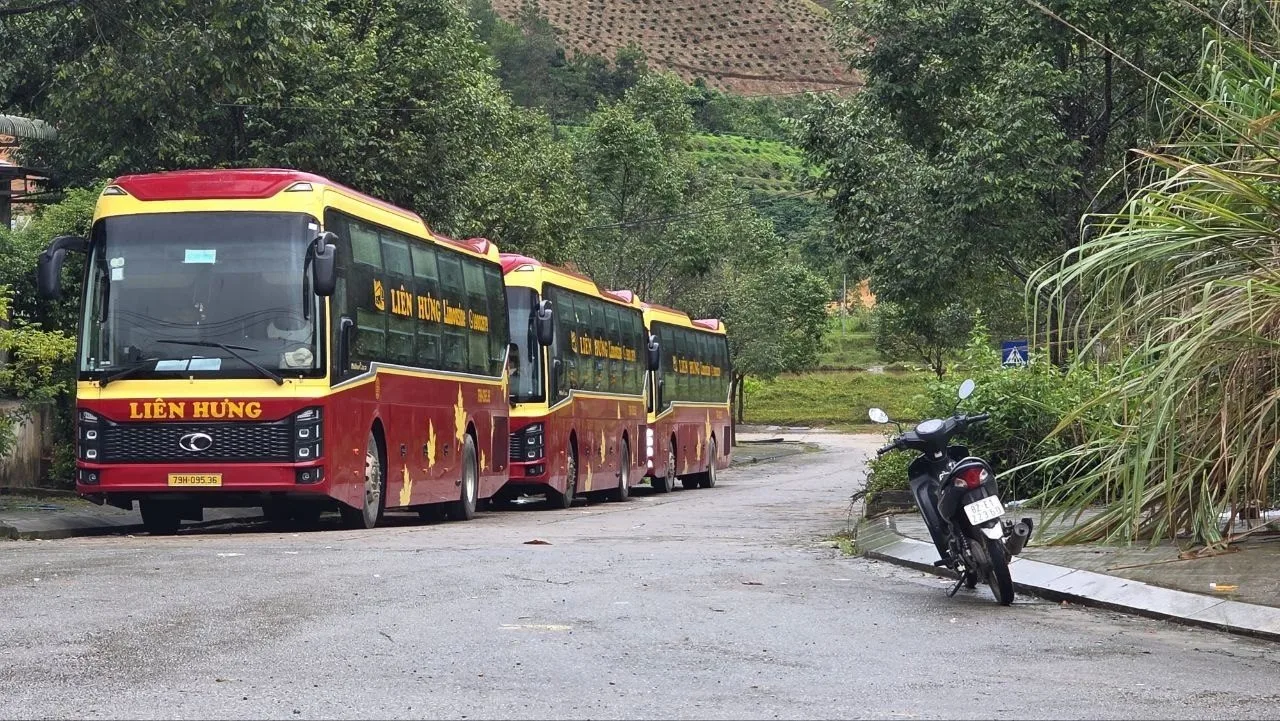
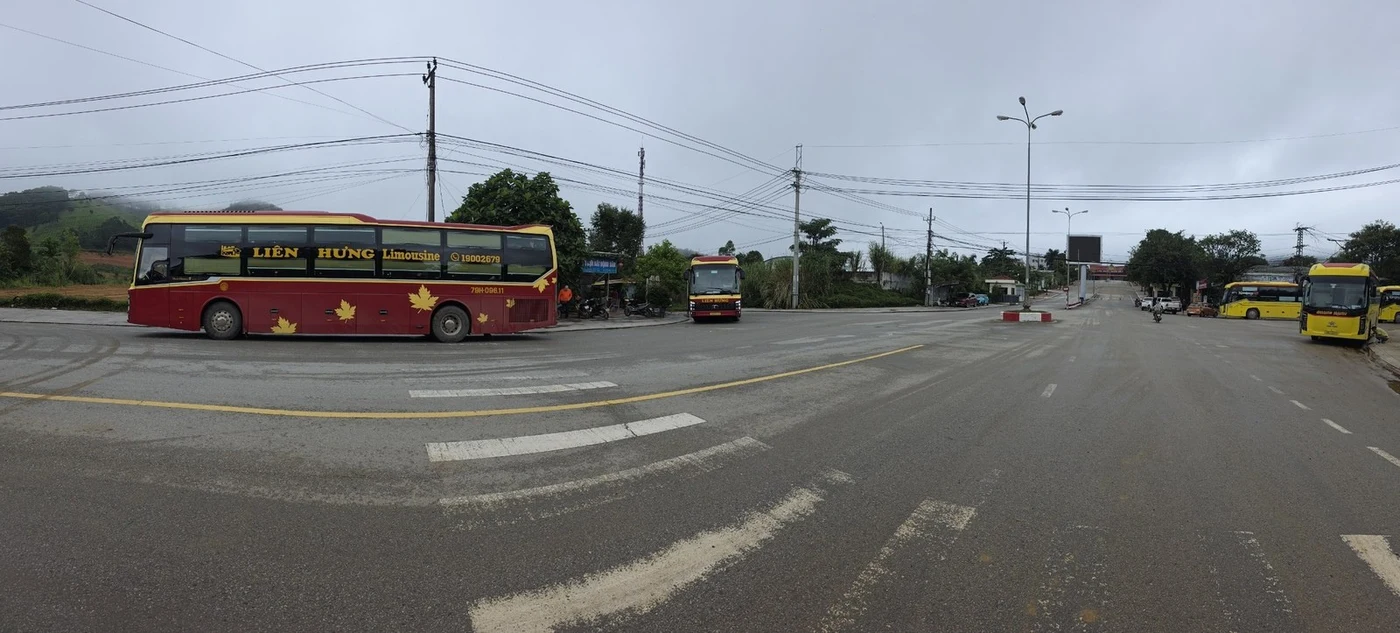
Yes, a visa run through the Lao Bao land crossing into Laos and back works for Filipinos already in central Vietnam who want to reset their entry rather than apply for an e‑visa from abroad. The full loop from Da Nang costs roughly $85-100 per person: a round-trip bus (~$30), a Laos arrival visa (~$40), small informal stamping fees (~$5-10), and the fresh Vietnam e‑visa ($25-50) you need to re-enter.
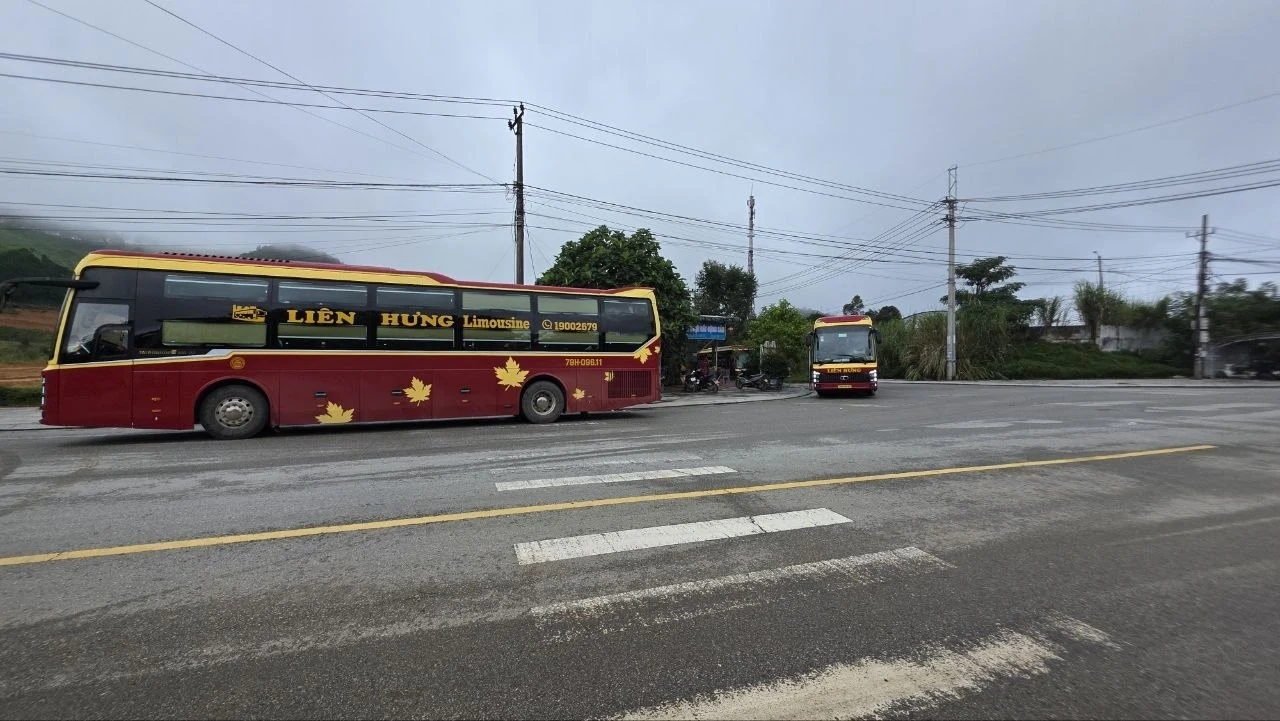
You can read more about how a visa run from Da Nang actually works, hour by hour, if you want the full walkthrough. The trip takes a full day: bus out, cross the border on foot, get your Laos stamp, turn around, and cross back into Vietnam on your new e‑visa. It’s slower than applying online, but it works for travelers already mid-trip who don’t want to wait 3-5 days for e‑visa processing.
Vietnam Visa Rules for Filipinos: What Matters Most
The decision comes down to trip length. Staying 21 days or fewer for tourism means no visa paperwork at all, just the free Digital Arrival Card filed 72 hours before landing. Staying longer, or coming for anything beyond short tourism or business, means a 90-day e‑visa filed before you fly is almost always cheaper and less stressful than Visa on Arrival or scrambling near day 21.
If you’re already in Vietnam and close to day 21 with no e‑visa filed, a visa run gets you out and back with fresh paperwork in a single day. Either way, the fix is cheaper than an overstay fine, and far cheaper than the deportation risk that comes with ignoring day 22 altogether. This part can be handed over end to end — what that covers is on our Da Nang visa run page.
If you’d rather send me your travel dates and let me tell you which of the three options above fits your situation, write to me on Telegram and I’ll walk you through the fastest legal option before your 21 days run out.