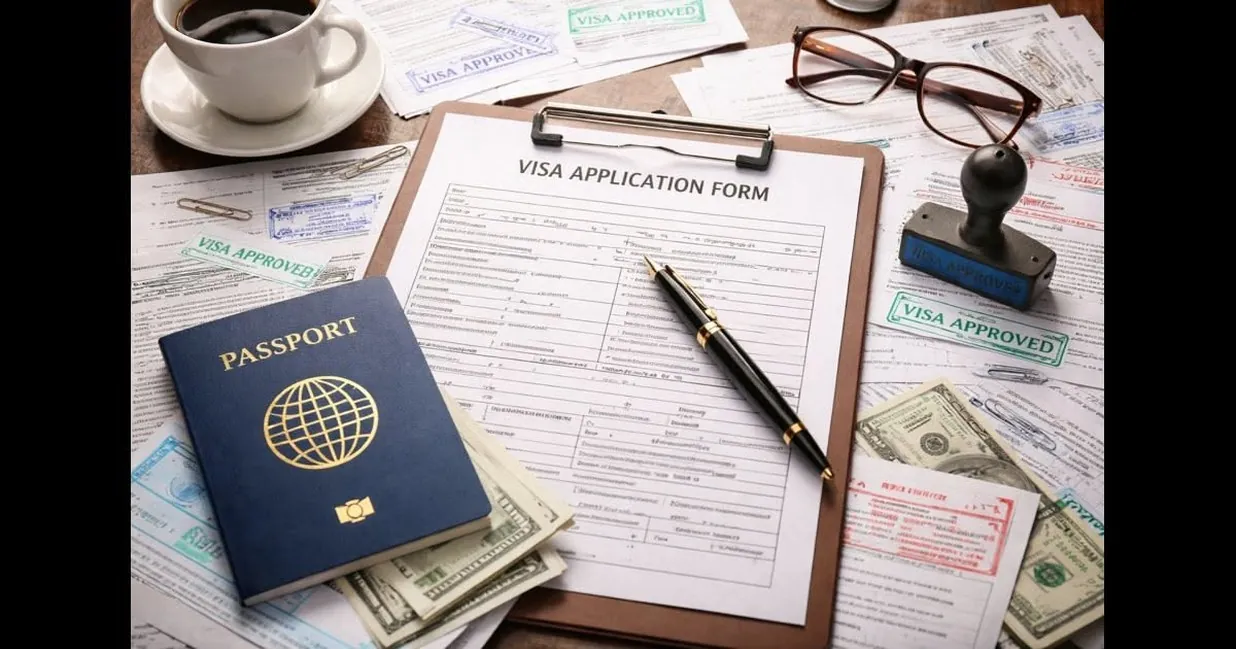
Landing in Vietnam on the 45-day visa exemption feels simple right up until check-in, when an agent asks for four things at once and you realize nobody told you what half of them were. The exemption itself needs zero paperwork - it’s everything around it that trips people up.
I’ve watched travelers get caught by the same three gaps: showing up without the checks airlines actually run, misjudging how many days they really have, and skipping the new arrival card Vietnam rolled out in 2026. Here’s the order that actually matters, so you land without a surprise at the counter.
What you need at the border regardless of visa status
Whether you’re traveling visa-free or on an e‑Visa, four things get checked, most often at check-in rather than at the border itself:
- A passport valid for at least six months from your entry date (and see what to do if you lose it mid-trip).
- A return or onward ticket - spot-checked, but airlines can deny boarding without one.
- An address for your first night’s accommodation - you’ll need this for the arrival card too.
- A QR code from the electronic arrival card - covered further down, and it’s new for 2026.
There’s no minimum bank balance or proof of full-trip bookings required, which makes Vietnam noticeably easier than some neighboring countries on paper - but the final call always sits with the check-in agent or the immigration officer, so carry the basics anyway.
What happens if you overstay
Overstaying by even one day triggers a fine, collected in cash (Vietnamese dong) at the airport when you leave - cards aren’t accepted at that counter, so budget accordingly. Fines increased substantially under a decree that took effect December 15, 2025, roughly doubling the previous upper brackets. The exact amount scales with how many days you’ve overstayed, and a longer overstay can also affect future entry. If you’d rather not handle this yourself, our Da Nang visa run page shows the timings and what’s included.
If you realize you’ve overstayed by more than a couple of weeks, don’t wait until you’re at the airport - contact the local immigration office ahead of your flight, since resolving a longer overstay can take time you won’t have at check-in.
The electronic arrival card: who needs it and when to fill it out
Every traveler who clears passport control at Hanoi, Da Nang, Cam Ranh, or Ho Chi Minh City airport needs the electronic arrival card, regardless of nationality or visa status - this applies to visa-exempt travelers and e‑Visa holders alike. The only exception is passengers in airside transit who never exit the passport-control zone. Notably, Phu Quoc airport is not on this list.

The card is filled out on the official immigration portal, opens no earlier than 72 hours before your flight, and asks for your passport details, flight information, and first-night address. It takes about five minutes and is completely free - treat any site charging a “processing fee” for this form as a scam. Once submitted, you get a QR code to save on your phone or print; show it alongside your passport at the counter. Forgot to fill it out ahead of time? You can still complete it at the airport using the QR code posted there or on paper.
If your flight gets rescheduled and you fall outside that 72-hour window, you can simply resubmit the form with the updated flight details - no penalty for that.
How the 45-day visa exemption actually counts
Your arrival day and departure day both count toward the 45 days - this is the single most common mistake. A trip that feels like “six weeks” on paper can quietly run past the limit if you don’t count inclusively. Immigration stamps your passport with the exact date you must leave by; there’s no grace period built in.

The exemption applies regardless of purpose - tourism, visiting family, business meetings - and no visa application, fee, or pre-approval is required, and it runs through March 14, 2028. You simply arrive with a valid passport and get the stamp at the border.
When you need an e‑Visa instead
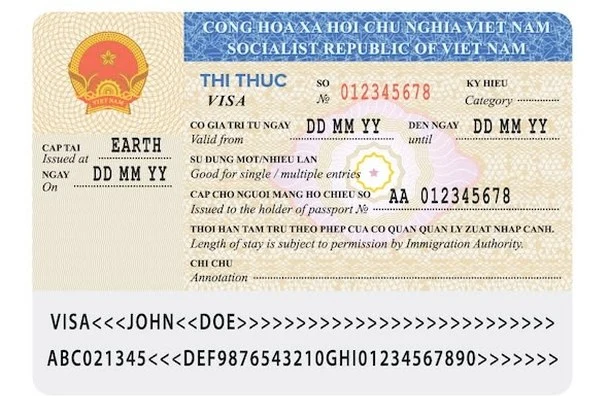
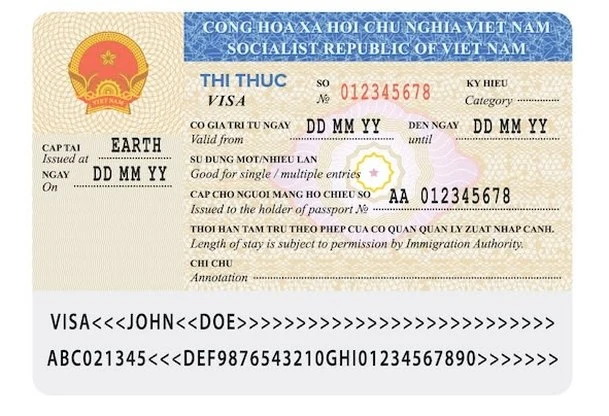
Staying longer than 45 days means applying for an e‑Visa before you fly, not adjusting your plans at the airport. The e‑Visa is valid for up to 90 days, issued as single-entry ($25) or multiple-entry ($50), and it’s processed entirely online through evisa.gov.vn - Vietnam’s official immigration portal, not a third-party agency.
Processing takes three to five business days, but the portal can run slower than that, so apply at least two weeks out. You’ll need a passport scan and a plain digital photo without glasses; approval arrives by email as a PDF you print and carry with your passport. The visa fee is non-refundable if your application is rejected, so double-check your paperwork before submitting. Paying from a Russian card specifically? I wrote up how to handle payment and border paperwork without one.
Getting through this without the guesswork
Between counting the 45 days correctly, filling out the arrival card in the right 72-hour window, and deciding whether an e‑Visa fits your travel dates, most of the actual work is timing, not paperwork difficulty. If you’d rather have someone double-check your dates, the e‑Visa application, and the arrival card before you fly instead of figuring it out solo at the gate, message me on Telegram - send me your travel dates and I’ll walk you through exactly what you need for your trip.
Frequently asked questions
Do both my arrival day and departure day count toward the 45 days?
Yes. Both days count, so a trip that feels like six weeks on paper can run past the limit if you count exclusively instead of inclusively.
Who has to fill out the electronic arrival card?
Everyone clearing passport control at Hanoi, Da Nang, Cam Ranh, or Ho Chi Minh City airport, regardless of visa status - visa-exempt travelers and e-Visa holders alike. Only airside transit passengers are exempt.