A Vietnam e-visa costs $25 for a single entry or $50 for multiple entries in 2026 - that’s the government fee, paid only at evisa.gov.vn. Everything else (visa on arrival, extensions, the TRC, a work permit) has its own separate fee, and agencies routinely charge on top of all of them. I’ve lived and worked in Da Nang for the past four years, running visa runs and e-visa paperwork for travelers and expats - this is what people actually pay, not just what the government fee schedule says.
Vietnam Visa Fees in 2026 at a Glance
| Document | Government fee | Typical total with agency help | Processing time |
|---|---|---|---|
| E-visa, single entry (≤90 days) | $25 | $25-45 | ~3 working days |
| E-visa, multiple entry (≤90 days) | $50 | $50-75 | ~3 working days |
| Visa on Arrival stamping | $25 single / $50 multiple | $65-95 (incl. approval letter) | Same day at airport |
| Visa extension (extendable types only) | $10/time | $25-100+ | 5-8 working days |
| TRC, up to 2 years | $145 | $145-300+ (with agency service) | Weeks, depends on visa base |
| TRC, 2-5 years | $155 | $155-300+ | Weeks |
| Work permit (state fee) | 600,000-1,000,000 VND (~$23-38) | $800-2,500 (all-in, employer side) | 4-8 weeks |
| Visa run from Da Nang (Lao Bao) | $25 (new e-visa) | $87-200 (transport + fee) | 1 day |

Fees are set by Circular 28/2026/TT-BTC (effective April 1, 2026), which replaced the 2021 schedule without changing the rates. At roughly 26,200-26,300 VND per USD in mid-2026, the work permit’s state fee lands around $23-38 depending on the province.
How Much Does an E-Visa Cost in 2026?
An e-visa costs $25 for a single-entry, 90-day visa or $50 for a multiple-entry, 90-day visa, paid directly on evisa.gov.vn - no other website is official. Processing takes about 3 working days once the fee clears, longer around Tet or national holidays. See our full e-visa processing time breakdown by country if you want exact numbers for your passport.

The 90-day validity applies to every eligible nationality, single or multiple entry, and has been in place since Resolution 127/NQ-CP took effect in August 2023 - it’s still the rule in 2026. If you’re a citizen of one of the countries with a separate visa-exemption agreement (Russia included, at 45 days visa-free under Resolution 44/NQ-CP), you don’t need the e-visa at all for short stays, though many still apply for one to get a fixed re-entry window.
Agencies selling e-visa “service” for $45-85 aren’t doing anything the government portal doesn’t already do for $25 - you’re paying for someone to fill in the form and double-check your documents, which matters if your passport photo or entry point selection is wrong and gets rejected. Our own price for that service is a flat $55 - not the cheapest end of that range, but a fixed all-in fee with no surprise add-ons.
Can You Extend a Vietnam E-Visa Without Leaving the Country?
No - in 2026, there is no in-country extension procedure for any e-visa category. If your 90 days are running out and you want to stay longer, your two real options are a border run for a fresh e-visa, or converting to a sponsored visa type (work, investor, or family-based) before your e-visa expires.
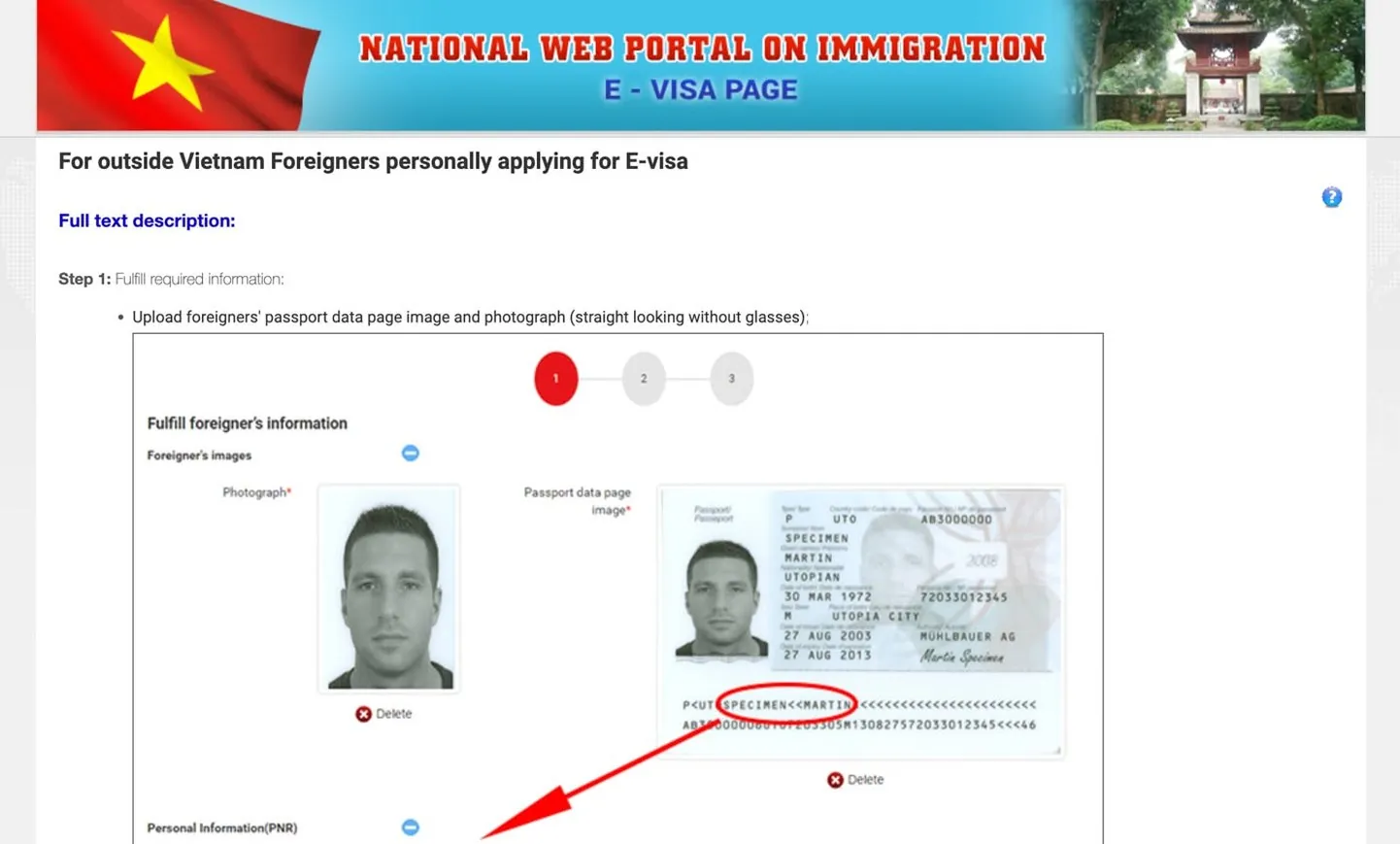
This trips up a lot of long-stayers who assume extension works the same as it did on the old paper visas. Extendable visa categories (business visas, some tourist visas issued through a sponsor) carry a $10 official stamping fee per extension, plus 5-8 working days of processing at the local Immigration Office, but that fee doesn’t apply to e-visas - there’s simply no extension form to file. Agencies quoting “e-visa extension” services for $30-100 are actually running a visa run or a visa-type conversion under a different name.
How Much Does a Vietnam TRC Cost in 2026?
A Temporary Residence Card costs $145 for up to 2 years, $155 for 2-5 years, and $165 for 5-10 years - set by Circular 28/2026/TT-BTC, unchanged from the 2021 rates. What changed is who qualifies: since a rule update on February 4, 2026, a TRC is only issued to holders of an LD2 (work) or TT (dependent) visa.

That’s a real shift from how things worked before. If you’re currently on a DN1 (business) or an e-visa and want long-term residence, you now need to convert to an LD2 first - which itself requires an approved work permit - before you can even apply for the TRC. Budget roughly two extra weeks for that conversion step on top of the TRC processing itself. Anyone quoting a TRC timeline without mentioning the LD2 requirement is working from outdated 2025 information. For the full path comparison, see Work Permit vs TRC vs Investor Visa: best long-stay path.
How Much Does a Vietnam Work Permit Cost for Employers?
The state fee for a new work permit is set by each province and runs 600,000-1,000,000 VND (roughly $23-38), with a lower renewal fee around 450,000 VND. It’s the official government charge under Decree 219/2025/ND-CP, paid by the employer rather than the foreign worker, and some provinces cut it 50-60% for online filings.
The state fee is the smallest part of the real cost. Between authenticating a police background check ($80-200), legalizing a university degree ($150-300), and a mandatory medical exam done inside Vietnam (800,000-1,500,000 VND - overseas medical reports aren’t accepted), the paperwork side alone can run several hundred dollars before an agency even gets involved. Full turnkey work permit service through an agency typically runs $500-1,500 on top of that, putting the all-in employer cost somewhere between $800 and $2,500 depending on nationality, document complexity, and province.
How Much Does a Visa Run from Da Nang Really Cost?
A visa run from Da Nang to the Lao Bao border and back costs $87-200 all-in through an organized service, or roughly $33-37 in transport plus a fresh $25 e-visa if you do it yourself by public bus. The DIY route runs $8-12 each way with a transfer in Dong Ha, and the border crossing itself is open 7:00-22:00, with most runs done in a single day, leaving Da Nang around 6:00 and back by 8:00 in the evening.
If you cross into Laos rather than doing a same-day border touch, budget an extra $40-50 for the Laos visa-on-arrival stamp. This is where I usually get involved. I pay the e-visa government fee with a card that evisa.gov.vn actually accepts (it rejects a lot of Russian and other foreign cards outright), sort out the entry-point selection so it’s not wrong on the form, and keep the whole thing to a single day instead of the week some people expect it to take - that’s the exact run our Vietnam visa and long-stay services cover end to end. For a breakdown of every route out of the city, see best visa-run options from Da Nang.
Methodology: Where These Numbers Come From
Government fees in this article come from Circular 28/2026/TT-BTC (effective April 1, 2026, replacing Circular 25/2021/TT-BTC without a rate change) and the February 4, 2026 TRC rule update, cross-checked against the Vietnam Immigration Department portal. Market and agency prices are cross-checked against at least two independent sources - official fee schedules, immigration law firms (Fragomen, VietAn Law), and visa service providers - as of mid-2026. Where sources disagreed or only one price point existed, I marked it as an estimate rather than an exact figure. Exchange rate used: ~26,200-26,300 VND per USD.
Frequently asked questions
How much does a Vietnam visa cost in 2026? It depends entirely on the type. An e-visa is $25-50 in government fees, a TRC is $145-165, and a work permit’s state fee is $23-38 for the employer - but total cost with agency help can run from $45 for a simple e-visa to $2,500+ for a full work permit package. Our own standard e-visa service is a fixed $55 done-for-you, not the market’s lowest bid.
Can I extend my Vietnam e-visa without leaving the country? No. There’s no in-country extension process for e-visas in 2026. You either do a border run for a new 90-day e-visa or convert to a sponsored visa type before the old one expires.
How long does a Vietnam e-visa take to process? About 3 working days after the $25 or $50 fee is paid on evisa.gov.vn, though it can take longer around Tet and other national holidays.
How much does a Vietnam work permit cost for employers? The government state fee is 600,000-1,000,000 VND (about $23-38), but total employer cost - including document legalization, medical exam, and agency service - typically lands between $800 and $2,500.
Do I need a TRC or can I just keep doing e-visas? It depends on how long you plan to stay. E-visas cap out at 90 days with no in-country extension, so anyone settling long-term eventually needs a TRC, which since February 2026 requires an LD2 or TT visa base first.
How much does a visa run from Da Nang actually cost? $87-200 through an organized service including a fresh e-visa, or around $33-37 in DIY transport plus the $25 e-visa fee if you handle the border crossing yourself.
If you’re trying to figure out which visa path actually applies to your situation instead of just the fee schedule, that’s exactly the kind of question I answer daily. I handle the whole e-visa process, card-payment issues included, pay the government fee with a card the portal accepts, and run same-day visa trips out of Da Nang so you’re not burning a week on paperwork. Message me on Telegram with your dates and I’ll tell you exactly what your case needs.