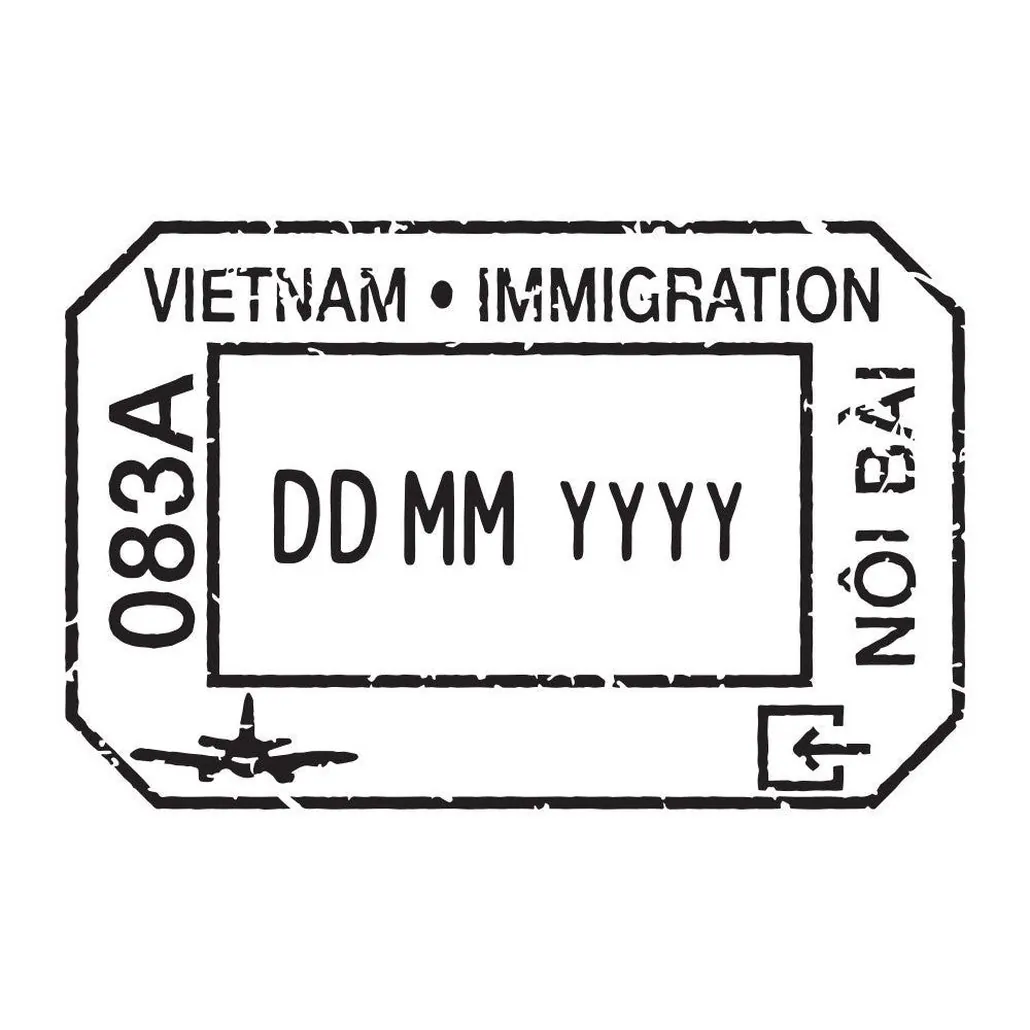
A Vietnam visa costs Russians nothing at all if the trip is 45 days or shorter - no application, no fee, just an entry stamp. Past that, an e-visa runs $25-50 and takes 3-5 working days. The part most guides still skip: a new Pre-Arrival Information form now applies to visa-free entries too, and it caught a lot of travelers off guard when airports rolled it out through 2026.
I’ve lived in Da Nang for years and handle visa questions from Russian travelers every week. Here’s the full picture, organized around the one question that actually decides everything: how many days are you staying.
Do Russian Citizens Need a Vietnam Visa at All in 2026?
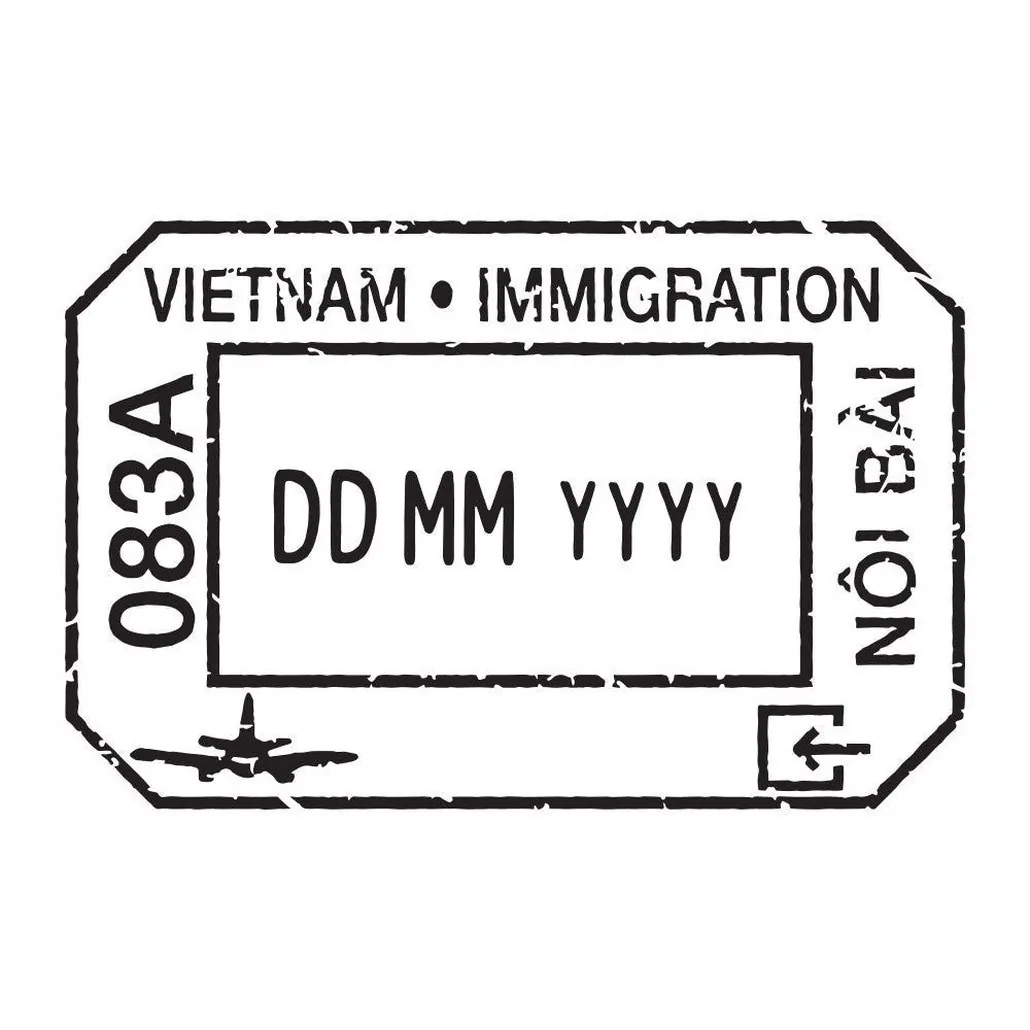
Only past 45 days. Russia’s visa-free access runs under Resolution 44/NQ-CP, in force March 15, 2025 through March 14, 2028, and it isn’t a one-time allowance - it resets on every single entry, with no official annual cap on how many times you re-enter.
For comparison, neighboring CIS passports don’t get the same deal: Belarusian and Kazakh citizens are capped at 30 days per visit and 90 days total per calendar year. Russians have the longest visa-free window of any CIS nationality and the only one without a yearly ceiling - worth knowing if you’re traveling with a mixed-nationality group.
Your passport needs at least 6 months of validity from your arrival date and two blank pages. I’ve watched more people get turned away over an expiring passport than any other single mistake.
How Long Can You Stay Visa-Free, and What Resets the Clock?
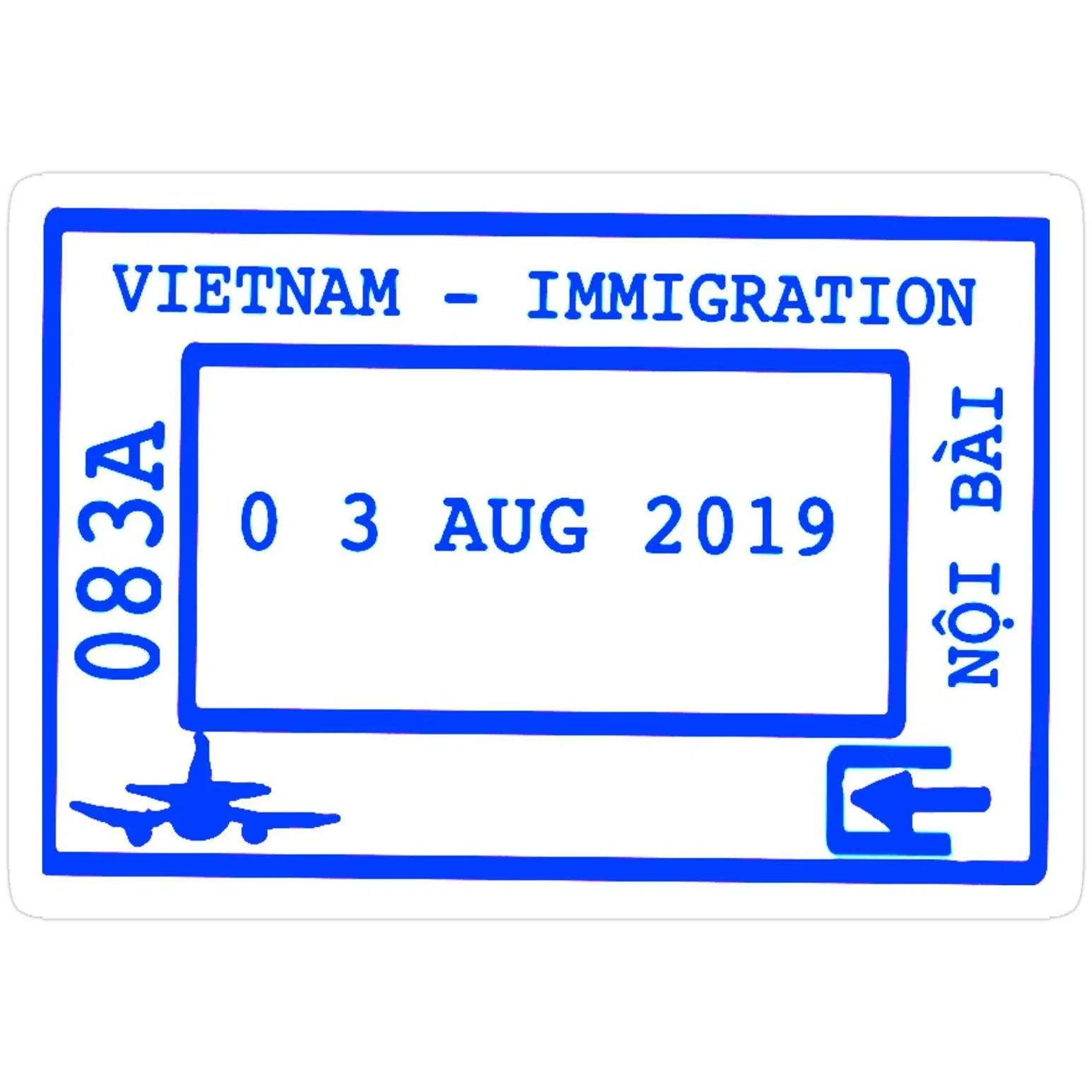
The visa-free clock runs exactly 45 days from the moment you land, whether you fly into Da Nang, Hanoi, Ho Chi Minh City, or cross a land border. Once it’s about to run out and you’re not ready to leave, a visa run is the fastest legal reset: exit to Laos or Cambodia and re-enter, and you get a fresh 45 days, with no cap on how many times a year you can repeat it. I broke down the actual border routes and their real cost in my Da Nang visa run guide.
How Much Does a Vietnam E-Visa Cost and How Long Does It Take?
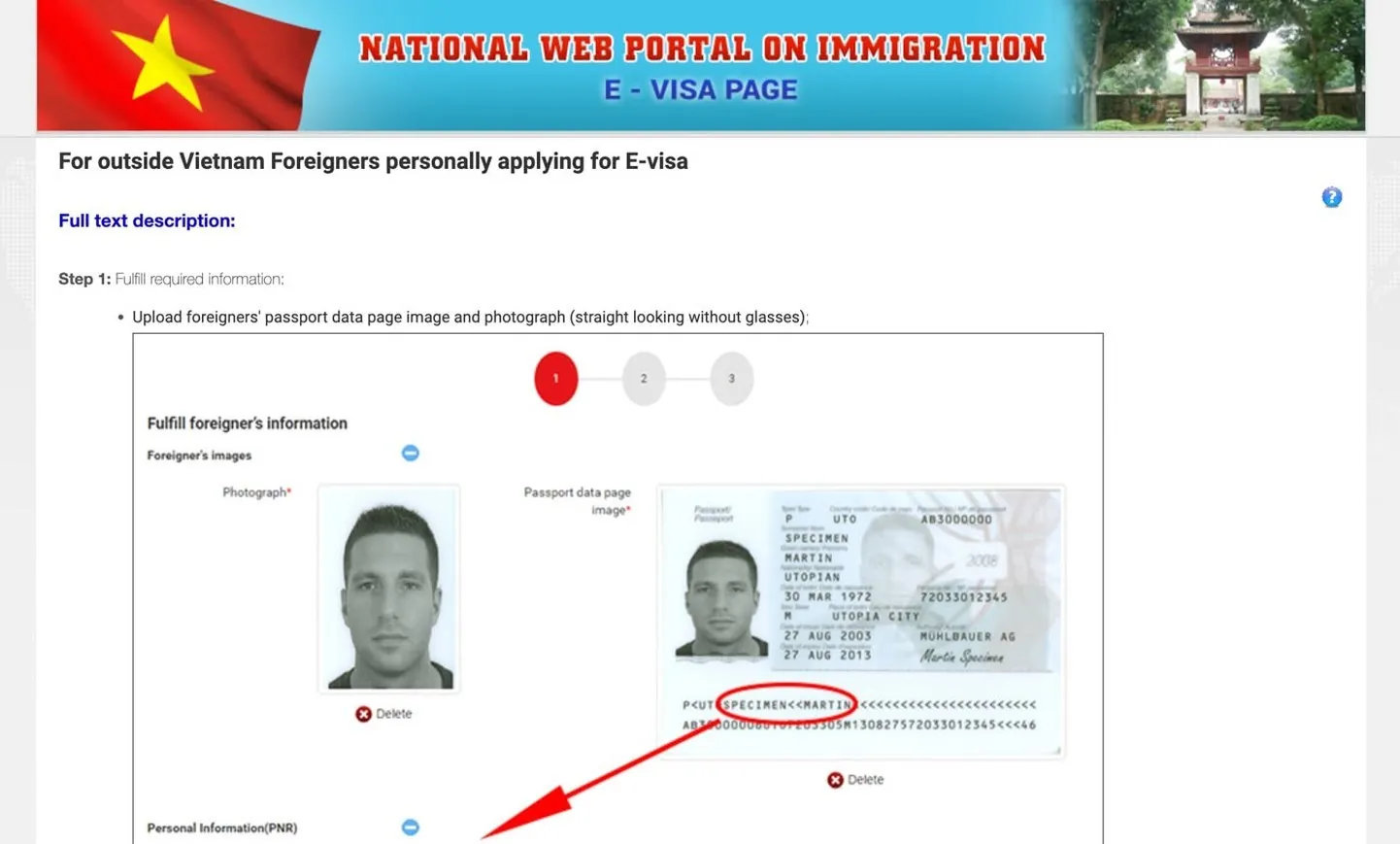
Once a trip outgrows the free window, the exemption stops applying and an e-visa becomes the next step - the exact price and turnaround depend on whether you need one entry or several, laid out below.
| Situation | What covers it | Price | Time to get it |
|---|---|---|---|
| Moving long-term, past 90 days | Work, investor, or family visa, then TRC | Government fee plus service cost, case by case | Several weeks - a separate process entirely |
| Multiple entries within a 90-day window | E-visa, multiple entry | $50 | 3 business days stated, 3-5 typical |
| One trip inside that same 90-day window | E-visa, single entry | $25 | 3 business days stated, 3-5 typical |
| Anything under the free window | Visa exemption, no paperwork | Free | Instant - stamped on arrival |
The stated 3-business-day target holds up most of the year, but it slides to 6-7 business days during peak season - December through February, and again in July-August. File a week out normally, and 2-3 weeks out if you’re traveling in those windows. I compared exact turnaround by nationality in my e-visa processing time breakdown. Full-service agencies charge $45-160 for handling it end to end, depending on turnaround and whether airport pickup is included. Our own standard e-visa service runs $55 done-for-you - not the market’s lowest bid, but a fixed price with no surprises; what’s included at our end is spelled out on the Vietnam e-visa 90 days page.
How Do You Pay for an E-Visa When Your Russian Card Gets Declined?
Evisa.gov.vn takes international Visa, Mastercard, and JCB - and Russian-issued cards, Mir included, get declined there almost without exception, a direct result of Russia’s disconnection from international payment rails rather than a portal glitch. This is the single biggest source of frustration I hear about, more than the visa rules themselves.
What actually clears in 2026: a Kazakh bank card (Kaspi, Halyk), a crypto card (Bybit, Binance), or a visa service that lets you settle on their end with a Russian bank transfer. This is exactly the step where I usually get pulled in - I pay the government fee with a card the portal accepts and send back the finished e-visa the same day. Message me on Telegram with your dates and I’ll tell you what’s fastest for your case.
What Is Vietnam’s New Pre-Arrival Form, and Does It Apply to You?
Vietnam’s Pre-Arrival Information form now applies to every foreign air arrival, visa-exempt travelers included - holding no visa doesn’t exempt you from it. Immigration authorities phased it in airport by airport through the first half of 2026, starting with Ho Chi Minh City’s Tan Son Nhat in April and reaching every major international airport, Da Nang included, by mid-June.
Land crossings - Lao Bao, Moc Bai, Ha Tien - aren’t part of it yet; authorities are still weighing whether to extend it there, so a land-border visa run currently skips the form entirely. It can only be filed within 72 hours of your flight. I walked through exactly what to select on the form if you’re entering visa-free in my Vietnam Pre-Arrival Information guide for visa-free Russians.
When Does a Visa Turn Into Long-Term Residency?
A tourist on an e-visa or the visa exemption never needs VNeID - it only becomes relevant once you hold a Temporary or Permanent Residence Card. Since June 1, 2026, VNeID has been required for a cluster of procedures tied specifically to long-term residents: extensions, TRC applications, work permits.
Getting there isn’t automatic. A tourist entry doesn’t convert into a TRC directly - you need a separate visa category first, whether that’s a work visa, an investor visa, or a family-reunion visa, and only then can you apply for the card. Since February 2026, immigration offices issue TRCs directly only to holders of those specific visa types; anyone who entered on an ordinary e-visa or visa exemption has to formally switch their visa purpose before applying. If relocating rather than just visiting is the actual plan, I go deeper into that path in my Vietnam long-stay visa guide.
Filing Your Vietnam Visa: The Short Version
- Work out exactly how many days the trip is - that number decides everything below.
- Under 45 days: don’t file anything, just travel with a passport valid 6+ months and two spare pages.
- If your trip outgrows the free window: apply at evisa.gov.vn for the entry type matching your plans (pricing in the table above).
- Use a card that clears - international, crypto, or a visa service that pays on your behalf.
- Flying in? File the Pre-Arrival Information form within the 72 hours before departure.
- Keep both QR codes ready - e-visa and Pre-Arrival Information get checked separately at the airport.
- Staying past 90 days or moving for good: start a proper work, investor, or family visa process ahead of time, not on arrival.
What Mistakes Do Russian Travelers Keep Making?
Paying for an e-visa on a trip that qualifies for the free exemption tops the list - real money spent on something that never had to cost anything. Right behind it: not checking passport validity, since under 6 months at entry gets you denied boarding even with a valid exemption. Third: ignoring the Pre-Arrival Information declaration on flights into Da Nang, Hanoi, or Ho Chi Minh City and scrambling at check-in instead of filing it from home days earlier.
One more misread: treating a visa run as some kind of gray-area workaround. It isn’t - exiting to Laos or Cambodia and coming back legally resets the 45-day exemption, with no yearly limit on doing it.
If none of this quite matches your dates, it’s faster to ask than to guess from a forum thread. My team handles the whole process at danangvisarun.com, and Telegram is the quickest way to reach me - send your travel dates and I’ll tell you whether visa-free, e-visa, or a visa run comes out cheapest.
Frequently asked questions
Can I extend the 45-day visa-free period without leaving Vietnam? No. It can’t be extended on the spot - you either leave and come back through a visa run, which resets the clock, or file an e-visa before the 45 days run out.
What happens if I skip the Pre-Arrival Information form before flying into Da Nang or Hanoi? Through the 2026 rollout, filing was treated as an expectation rather than something with a fixed fine attached, but arriving without a Pre-Arrival Information QR code can slow you down at check-in and at immigration, since both now look for it.
Do CIS neighbors like Belarus or Kazakhstan get the same visa-free deal as Russia? No. Belarusian and Kazakh citizens get 30 days per entry capped at 90 days a year - Russia is the only CIS nationality with 45 days and no annual limit.
Do I need a visa if I’m only transiting through Vietnam on a connecting flight? No. Transit without leaving the international departure area doesn’t require one; the day count only starts once you actually enter the country.
How is an e-visa different from the older visa-on-arrival process? An e-visa is filed entirely online with no approval letter required, while the older visa-on-arrival process needed a separate pre-approval document for air travelers before you flew.
Does VNeID apply to a tourist who decides to stay past 90 days? Not while you’re still on an e-visa or the visa exemption - VNeID only becomes mandatory once a TRC or another long-term resident status is in place.