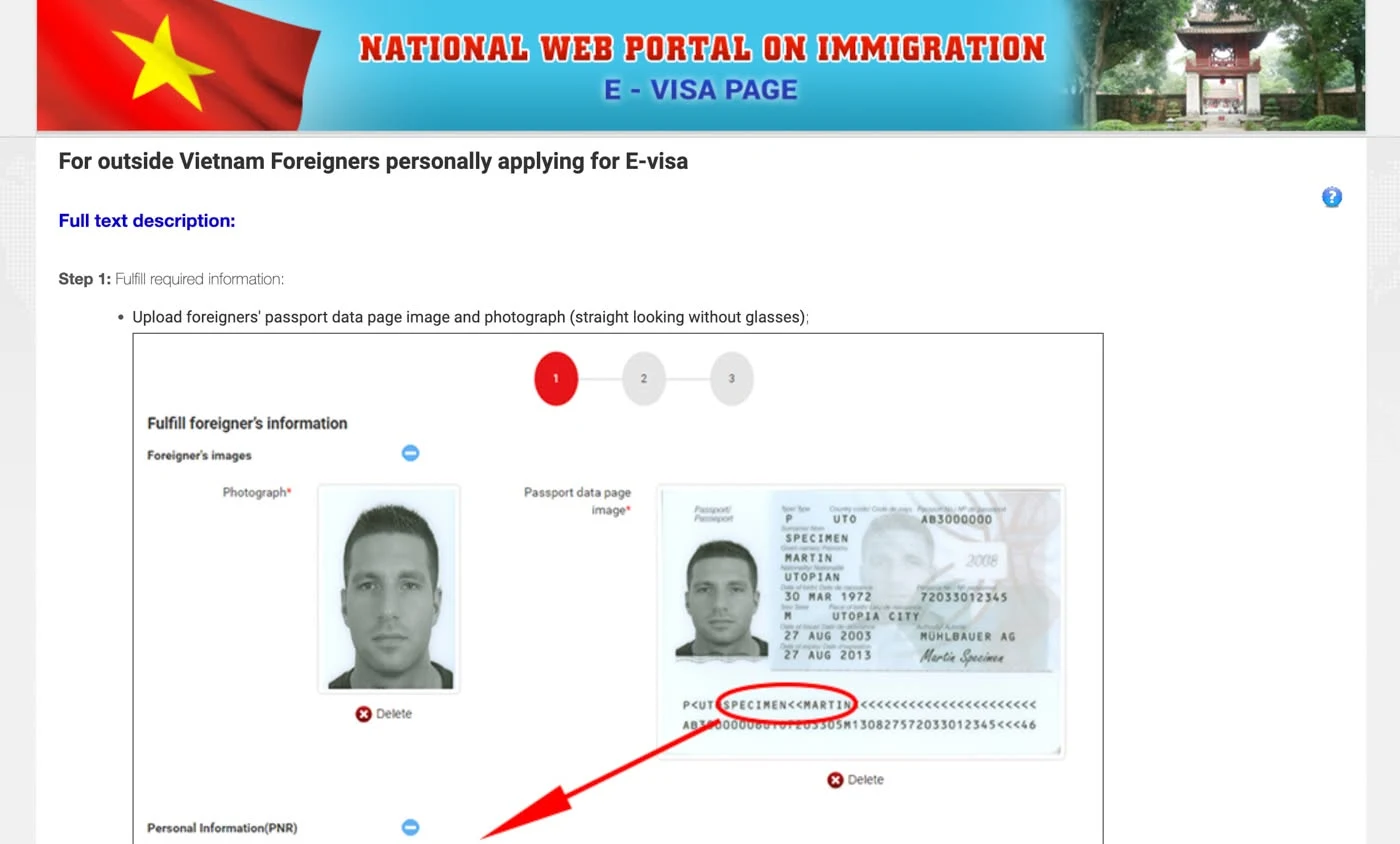
Chinese passport holders are not on Vietnam’s visa-exemption list, so every visit - tourism, business, family, or transit - needs a visa first. The fastest route for almost everyone is the Vietnam e‑visa: apply online at evisa.gov.vn, use it at 27 land border gates including the two main China-Vietnam crossings, Huu Nghi and Mong Cai, and skip visa-on-arrival entirely if you’re not flying in.
Do Chinese Citizens Need a Visa to Enter Vietnam?
Yes. China is not on Vietnam’s visa-waiver list, so Chinese passport holders need a visa for any purpose and any length of stay. The practical choice in 2026 is between the e‑visa (works at airports, seaports, and land borders) and visa-on-arrival (air entry only). For a land crossing from Guangxi or Yunnan, the e‑visa is the only option that works.
Most travelers no longer think twice about which one to pick. In 2025, out of 5,282,002 Chinese visitors to Vietnam, 85% applied online for an e‑visa and only about 6% used visa-on-arrival. China was also the single largest source market for Vietnam in the first quarter of 2026, with roughly 1.41 million visitors, close to South Korea’s 1.33 million.
Huu Nghi and Mong Cai: What Both China-Vietnam Land Crossings Look Like
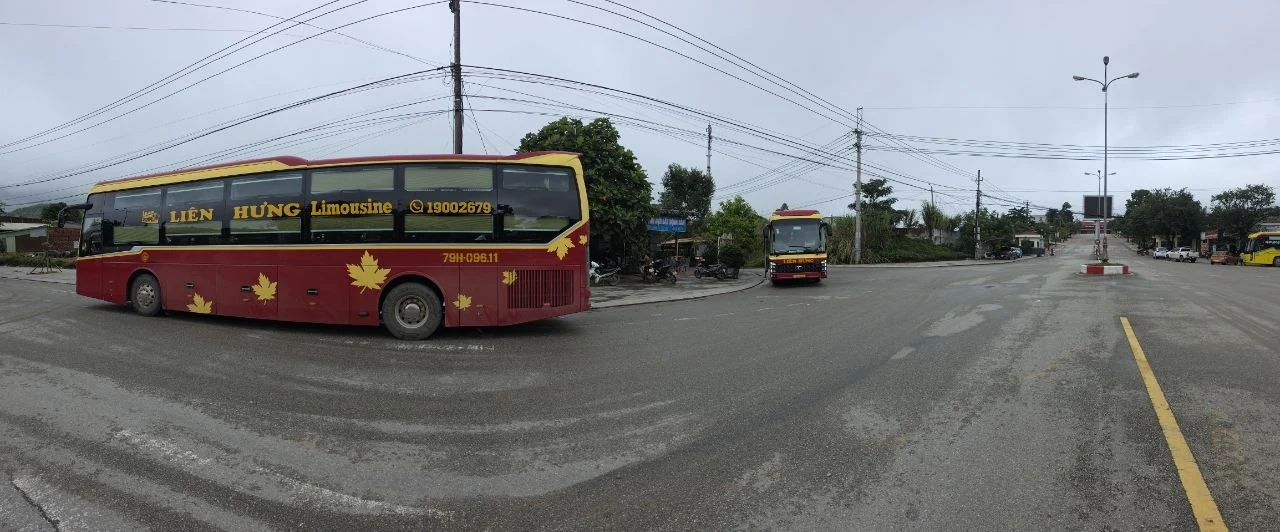
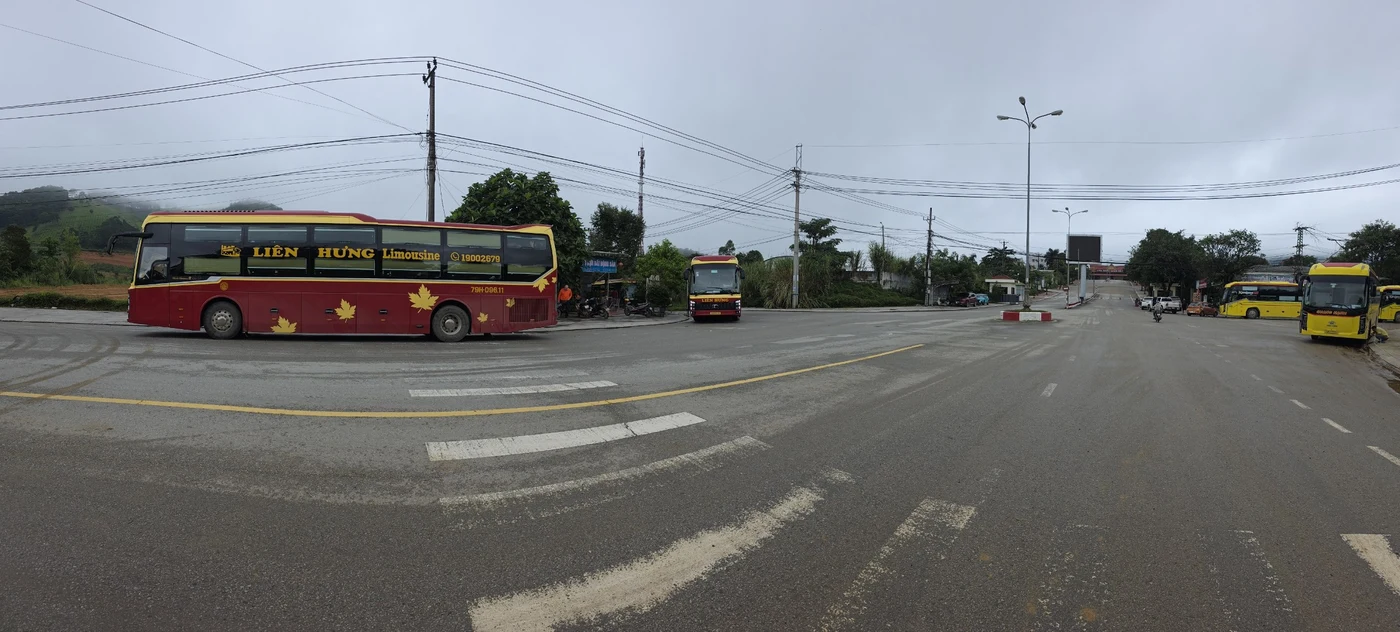
Both main land crossings with China accept the e‑visa. Huu Nghi (Friendship Pass), in Lang Son province, connects to Pingxiang in Guangxi and sits roughly 3 hours by road from Hanoi - it’s the busiest of the two. Mong Cai, in Quang Ninh province, is farther out at 300-350 km from Hanoi (about 4-7 hours depending on transport); the bridge crossing itself takes about 30 minutes and runs daily from 7:00 to 20:00 (Hanoi time).
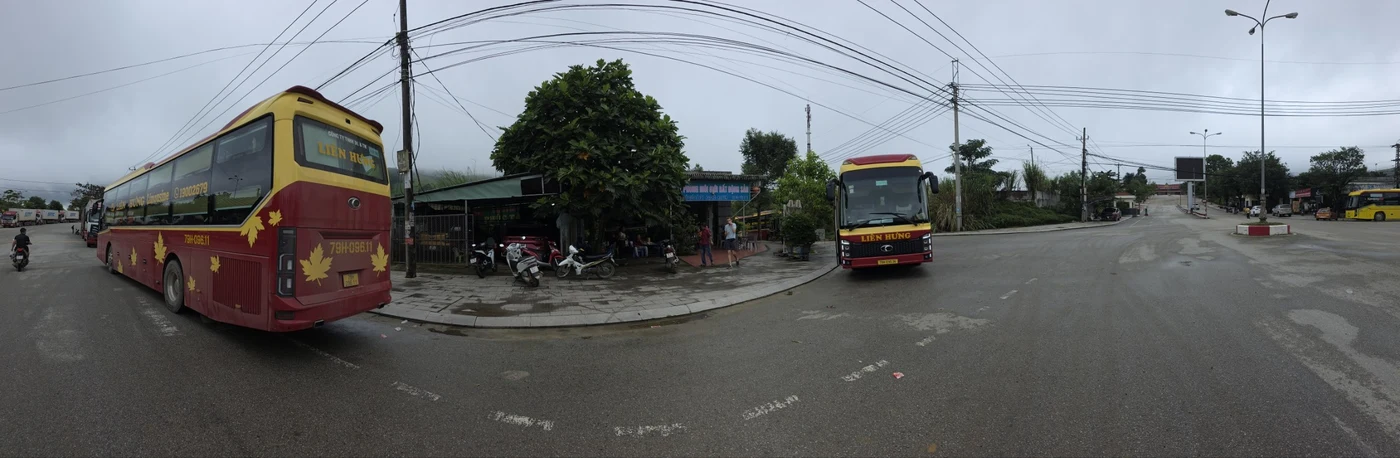
Mong Cai enforces the rules strictly: travelers who show up without a valid, pre-arranged visa are turned back on the spot, no exceptions. At Huu Nghi the visa rule isn’t usually the problem - the paperwork on the day is. I’ve watched travelers get stuck there with a valid e‑visa because the printed approval didn’t match the passport number after a last-minute passport renewal, or because they assumed visa-on-arrival (which doesn’t work at either crossing) was an option. If your dates or a connecting transfer through central Vietnam feel like the part you’d rather not manage yourself, that’s exactly where I usually step in - I check the e‑visa approval against the passport before the crossing and arrange the onward transfer, so the only thing you’re doing at the border is walking through with a stamped passport. Message me on Telegram and I’ll check your dates against the current border schedule.
Visa on Arrival or E‑Visa: Which One Works for a Land Crossing?
Visa-on-arrival only works if you’re flying into Vietnam - it requires a pre-approved visa letter before boarding and is valid for up to 30 days, single or multiple entry, at $25 or $50 plus a separate letter-service fee. It does not work at any land border, including Huu Nghi, Mong Cai, or Lao Cai. The e‑visa is the only option that covers both flights and land crossings, and at 90 days it lasts three times longer than visa-on-arrival.
How Much Does a Vietnam E‑Visa Cost for Chinese Passport Holders?
A Vietnam e‑visa for a Chinese passport costs $25 for a single-entry visa or $50 for a multiple-entry visa, valid for up to 90 days. The fee is set under Circular No. 28/2026/TT-BTC, effective April 1, 2026, and it is non-refundable even if the application is rejected. Processing normally takes 3-5 working days, though some applications run up to 7 working days, so I never book the border crossing for the same week I apply. Timings and what’s actually included are laid out on our Vietnam e-visa 90 days page.
Before you apply, check two things on the passport itself: it needs at least 6 months of validity left past your planned exit date, and at least 2 blank visa pages - missing either one is a common reason applications get rejected.
How Do I Apply for a Vietnam E‑Visa From China?
Applying takes four steps and no agency is required for a standard tourist e‑visa.
- Go to the official portal, evisa.gov.vn, and create an account with your email.
- Upload a passport photo page scan and a passport-style photo, and pick single or multiple entry.
- Pay the $25 or $50 fee online - most Chinese bank cards go through without issues on this specific portal.
- Wait 3-5 working days (up to 7 in some cases), then download the PDF approval and print it - border officers on land crossings still expect a paper copy.
Don’t use a third-party site that isn’t evisa.gov.vn: the fee is identical, but a wrong or slow reseller can leave you at the border with an unapproved application and no way to fix it before your bus leaves. If you want the full breakdown of the 90-day e‑visa timeline and fee tiers, I cover it separately in my e‑visa processing guide.
Is There a Visa-Free Scheme for Chinese Tour Groups Entering Vietnam?
Not yet, as of September 2026. In April 2026, Vietnam’s leadership and China’s Xi Jinping launched the “Vietnam-China Tourism Cooperation Year 2026-2027” and Vietnam proposed studying a reciprocal visa waiver for organized group tourists - but that proposal is still under study, not an operating program. Don’t book a group trip through Huu Nghi or Mong Cai assuming a waiver applies; it doesn’t, yet.
The schemes that do currently exist run the other direction, from Vietnam into China: visa-free entry to Guilin for package-tour groups of 2 or more arriving by air, capped at 144 hours and confined to Guilin city, and a similar scheme into Xishuangbanna for ASEAN passport holders. Neither one lets a Chinese group tour skip the e‑visa on the way into Vietnam.
What Mistakes Do Chinese Travelers Make Most Often?
Two mistakes come up again and again at the land crossings: relying on visa-on-arrival because a search result didn’t specify “air entry only,” and applying for the e‑visa through a reseller site that charges extra without actually being faster. Both are avoidable - apply directly on evisa.gov.vn, confirm your port of entry matches your actual crossing, and print the approval before you leave home.
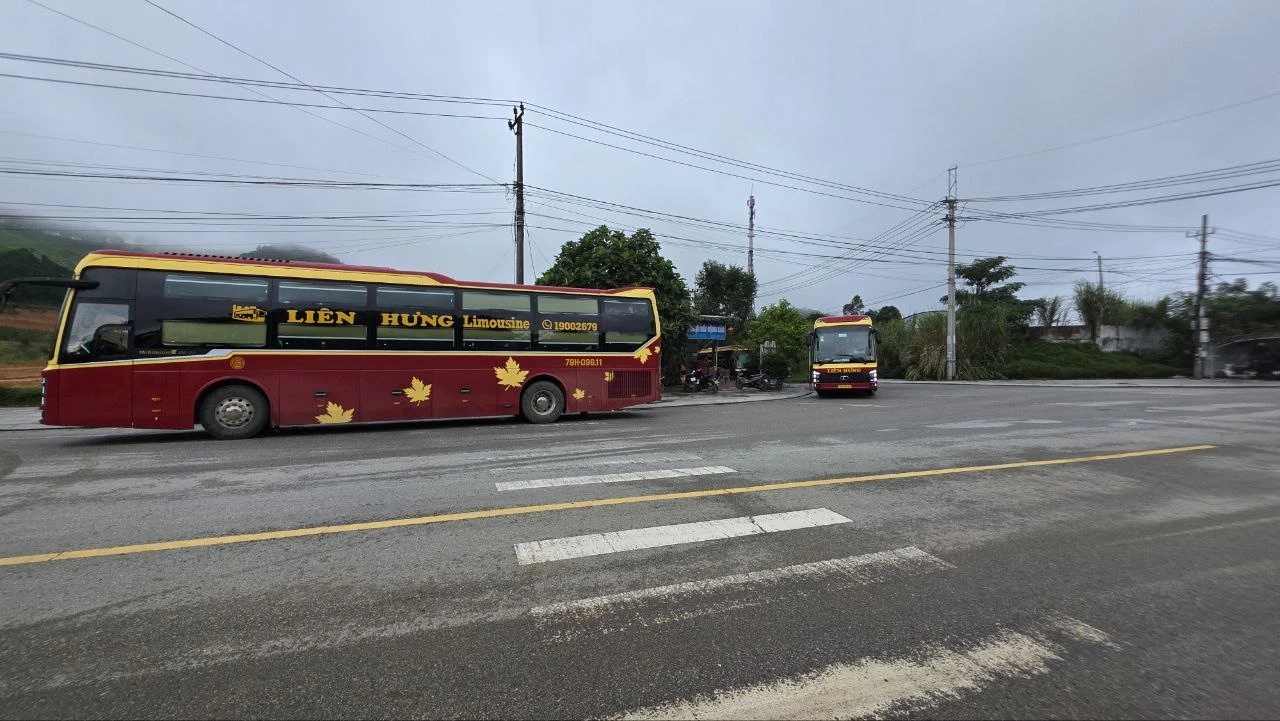
I run visa-run transfers out of Da Nang with BestBus Vietnam, and the pattern holds for the China border too: the visa itself is rarely the hard part - the logistics around it are.
Vietnam E‑Visa for Chinese Passport Holders: What to Do Next
If you’re flying in, either the e‑visa or visa-on-arrival works, but the e‑visa is cheaper to arrange in advance and doesn’t need a separate approval-letter fee. If you’re crossing by land at Huu Nghi or Mong Cai, the e‑visa is your only working option - visa-on-arrival simply isn’t accepted there, and a group-tour waiver isn’t operating yet either way.
Once the visa is sorted, the part most people underestimate is the transfer and the crossing itself - printed approval, matching passport details, and knowing which lane to stand in. I handle exactly that for travelers connecting through central Vietnam. Write to me on Telegram with your entry point and dates, and I’ll tell you what’s realistic for your trip.
Frequently asked questions
Do Chinese citizens need a visa to visit Vietnam?
Yes. China is not on Vietnam’s visa-exemption list, so a visa is required for any purpose, including short tourist trips. The e‑visa is the most common route: 90 days, $25 for single entry or $50 for multiple entry.
Can I use visa-on-arrival if I enter Vietnam by land from China?
No. Visa-on-arrival only works for air entry and requires a pre-approved letter before boarding. At land crossings like Huu Nghi or Mong Cai, only the e‑visa or a consulate-issued visa is accepted.
How far is the Huu Nghi border gate from Hanoi?
Huu Nghi, in Lang Son province, is roughly 3 hours by road from Hanoi. It connects to Pingxiang in Guangxi and is one of the busiest Vietnam-China land crossings.
What happens if I show up at Mong Cai without a valid visa?
You’ll be turned back at the checkpoint. Mong Cai enforces this strictly - there are no informal side entries, so the visa needs to be approved and printed before you travel there.
Is there a Vietnam-China group-tour visa exemption in 2026?
Not yet. As of September 2026, Vietnam has only proposed studying a reciprocal group-tour visa waiver with China; it is not an operating program, and standard e‑visa rules still apply to every traveler individually, even in a tour group.
Can I reach Vietnam from China by train instead of by bus?
Yes. The Vietnam-China intermodal rail-road line reopened in May 2025 after a five-year gap. The visa requirement doesn’t change on this route - the e‑visa works at rail crossings the same way it does at road crossings like Huu Nghi.