Most travelers can enter Vietnam without a visa at all: Russians get 45 days visa-free, and that rule holds at least through March 14, 2028, covering both the mainland and Phu Quoc island. I’ve spent three years in Da Nang helping travelers sort out the paperwork side of a Vietnam trip, and the question I get most from people planning 1-3 months here is simple - do I actually need a visa, or can I just show up? If it sounds like a hassle to figure out on your own, there’s a way to skip the guesswork, which I’ll get to below.
How Long Can You Stay in Vietnam Without a Visa?
Visa-free entry covers stays of up to 45 days, and transit through Vietnam never requires a visa at all. If your whole trip fits inside six and a half weeks - a typical backpacking loop from Hanoi to Ho Chi Minh City, or a month based in Da Nang - you don’t need to apply for anything. The stamp goes straight into your passport at the airport or land border.

The catch is that 45 days runs out fast once you add a few side trips or decide to stay longer than planned, which is exactly where most people I talk to get stuck.
Who Needs an E‑Visa in 2026?
Anyone staying longer than 45 days needs one of three official routes: a business visa, a work visa, or the 90-day E‑visa. Business and work visas require a Vietnamese company to file a sponsorship request with the local immigration office first, so they only make sense if you already have an employer or partner on the ground. For everyone else planning a 1-3 month trip, the E‑visa is the practical option.

How Do You Apply for a Vietnam E‑Visa?
The E‑visa is a single- or multiple-entry visa valid for 90 days, issued through the official government portal at evisa.gov.vn. A single-entry visa costs $25, a multiple-entry one costs $50, and both let you cross at a fixed list of ports, including Tan Son Nhat in Ho Chi Minh City, Noi Bai in Hanoi, and the airport on Phu Quoc.
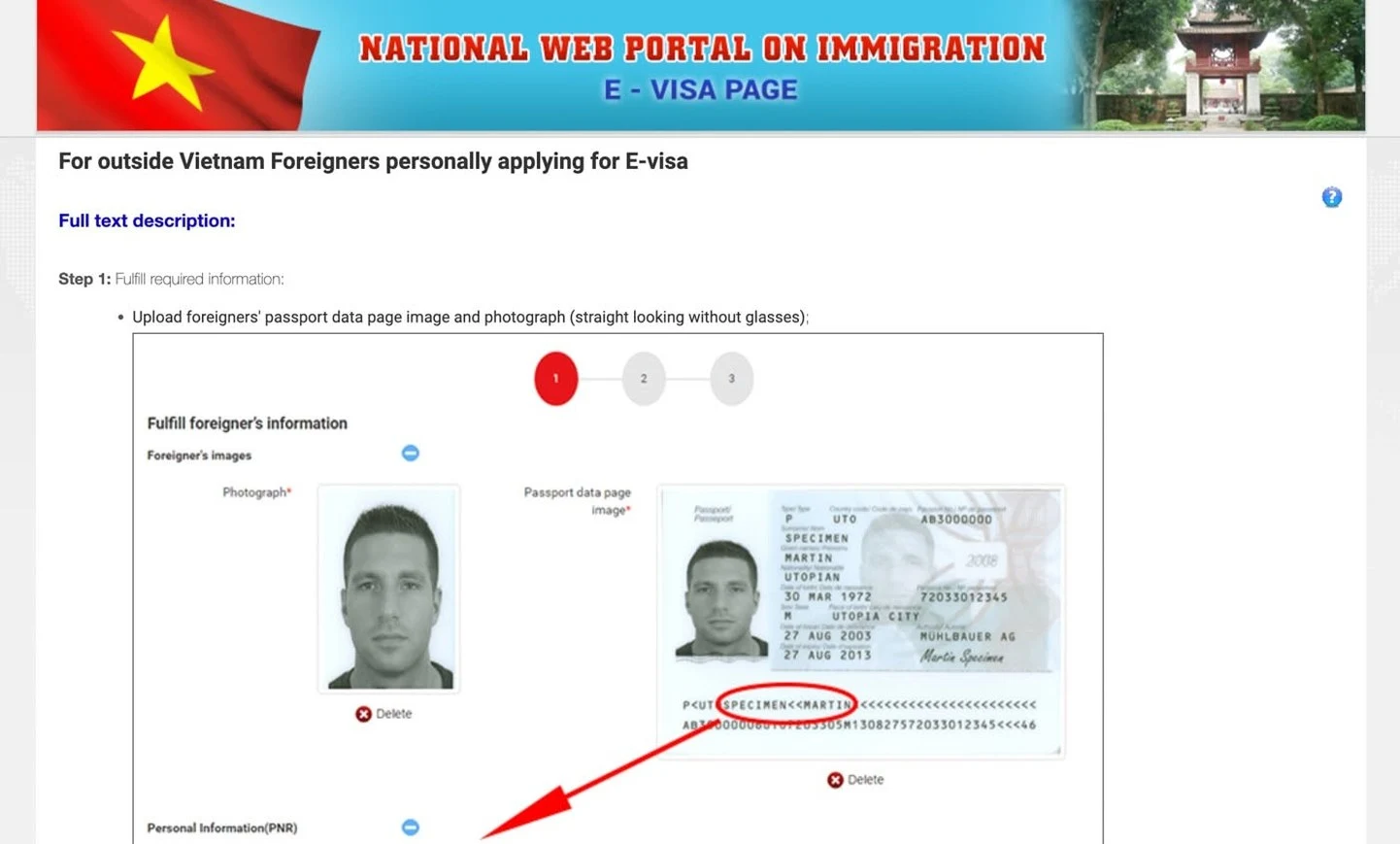
- Go to evisa.gov.vn and start a new application.
- Upload a passport-style photo and a scan of your passport photo page.
- Enter your name, date of birth, nationality, and travel dates exactly as they appear in your passport.
- Answer the standard questions about prior visits and other nationalities.
- Add your Vietnam accommodation address and confirm you have travel insurance.
- Pay the visa fee with a card the portal accepts, then wait for approval before booking non-refundable flights.
This is the exact step where most people I work with get stuck: evisa.gov.vn regularly rejects Russian cards and a fair number of foreign ones too, so the payment fails right when someone’s trying to lock in dates before a flight. I take the payment myself with a card the portal actually processes and set the correct entry point for the traveler’s route - all I need is the passport page and the dates.
Business Visa, Work Visa, or Visa Run: What Fits a Longer Stay?
Anyone planning more than 90 days in Vietnam usually chooses between a sponsored visa and a visa run rather than reapplying for a fresh E‑visa every three months. A visa run is a short trip to the Laos or Cambodia border that resets your 45-day visa-free clock, and the Laos side stamps you back in for free - you only pay for transport and the day’s logistics. It’s the route most long-stayers in Da Nang actually use, and I’ve laid out the land-crossing, guided-service, and flight-bounce options in a separate visa run decision guide if you want the full comparison.

What to Choose Based on Your Trip Length
A trip under 45 days needs no visa at all, one from six weeks to three months runs cleanest on the $25-50 E‑visa, and anything longer comes down to a sponsored visa or a visa run every month and a half. None of these require an agency - you can file every one of them yourself if you’re comfortable with government portals and don’t mind a rejected payment costing you a day. For a done-for-you version, see our Da Nang visa run page.
If you’d rather hand off the E‑visa application and the border logistics entirely, that’s what I do day to day: I pay the fee with a working card, set the right entry point, and if you need a visa run I’ll pick you up in Da Nang and get you back the same day with a fresh stamp. Message me on WhatsApp with your passport page and travel dates and I’ll tell you what’s realistic for your timeline.