A Vietnam TRC (temporary residence card) application is usually returned for fixes rather than formally rejected, and the cause is almost always one of five items: a passport with too little validity, an entry visa that does not match the card, sponsor paperwork, a missing residence declaration, or foreign documents without an apostille or translation. The government fee is $145, $155 or $165 depending on card validity, and officers have 5 working days to decide on a complete file. While the file is being fixed, your visa can be handled separately in one day.
I built this guide from 2026 legal publications. Every figure below is confirmed by at least two independent sources, and anything that rests on a single source is marked as indicative.
Why do immigration officers return a TRC file?
Five causes cover most returned files, and each one is confirmed by at least two legal sources in 2026. Four of them sit with the applicant or the sponsor, and only the apostille change is new this autumn. The table lists the trigger and the fix for each, so you can match your own return notice to a row.

| Cause | What triggers it | Fix |
|---|---|---|
| Passport validity | Under 13 months left at filing; the card is issued at least 30 days shorter than the passport | Renew the passport before filing |
| Visa and card mismatch | Entry on a tourist DL visa while applying for a work card LD | Convert the visa purpose first |
| Sponsor paperwork | Missing or expired work permit, permit not matching the job, suspended company, no registered seal sample, unauthorized signatory | Fix it at the sponsor level, then refile |
| Residence declaration | Declaration to local police missing, late or showing a different address | File it and match the address |
| Foreign documents | No apostille, no Vietnamese translation, wrong notary, name or date mismatch, outdated form | Reissue the paper and recheck every spelling |
The 13-month passport rule is immigration practice rather than a number written in the law, so confirm it with your sponsor.
Vietnam joined the Hague Apostille Convention on 31 December 2025, and apostilles replace consular legalization from 11 September 2026, as the Vietnamese consulate in Shanghai announced. Marriage certificates, birth certificates and clearance letters now need an apostille from the issuing country instead of a consular stamp, and a Vietnamese translation is still required.
Does your entry visa match the card you are applying for?
Since February 2026, TRCs are issued in practice only to holders of the LD2 work visa and the TT family visa. Applicants who entered on a DN1 business visa, a VR visa or an e‑visa issued before the work permit was approved must convert the visa first, which adds about 2 weeks.

This comes from a Fragomen update and business press coverage, not from a new law, and I found no public Immigration Department document confirming it. Treat the 2 weeks as an estimate and confirm with your sponsor before refiling. If your doubt is about the e‑visa itself, read why a Vietnam e‑visa gets rejected.
How do you reapply for a TRC after a returned file?
Reapplying means filing a corrected file through the same sponsor and the same Immigration Department office. Fix the cause first, because a file with the same gap is returned again and the days you spent waiting are lost. The six steps below go in this order, and the waiting time while a work permit clears is covered in budgeting the wait before your Vietnam work permit clears.
- Ask your sponsor or lawyer which of the five causes triggered the return and get the answer in writing.
- Check that your passport has at least 13 months of validity left on the filing date.
- Match the visa type to the card type, and convert the visa first if they differ.
- File the temporary residence declaration with local police and make sure the address matches your application.
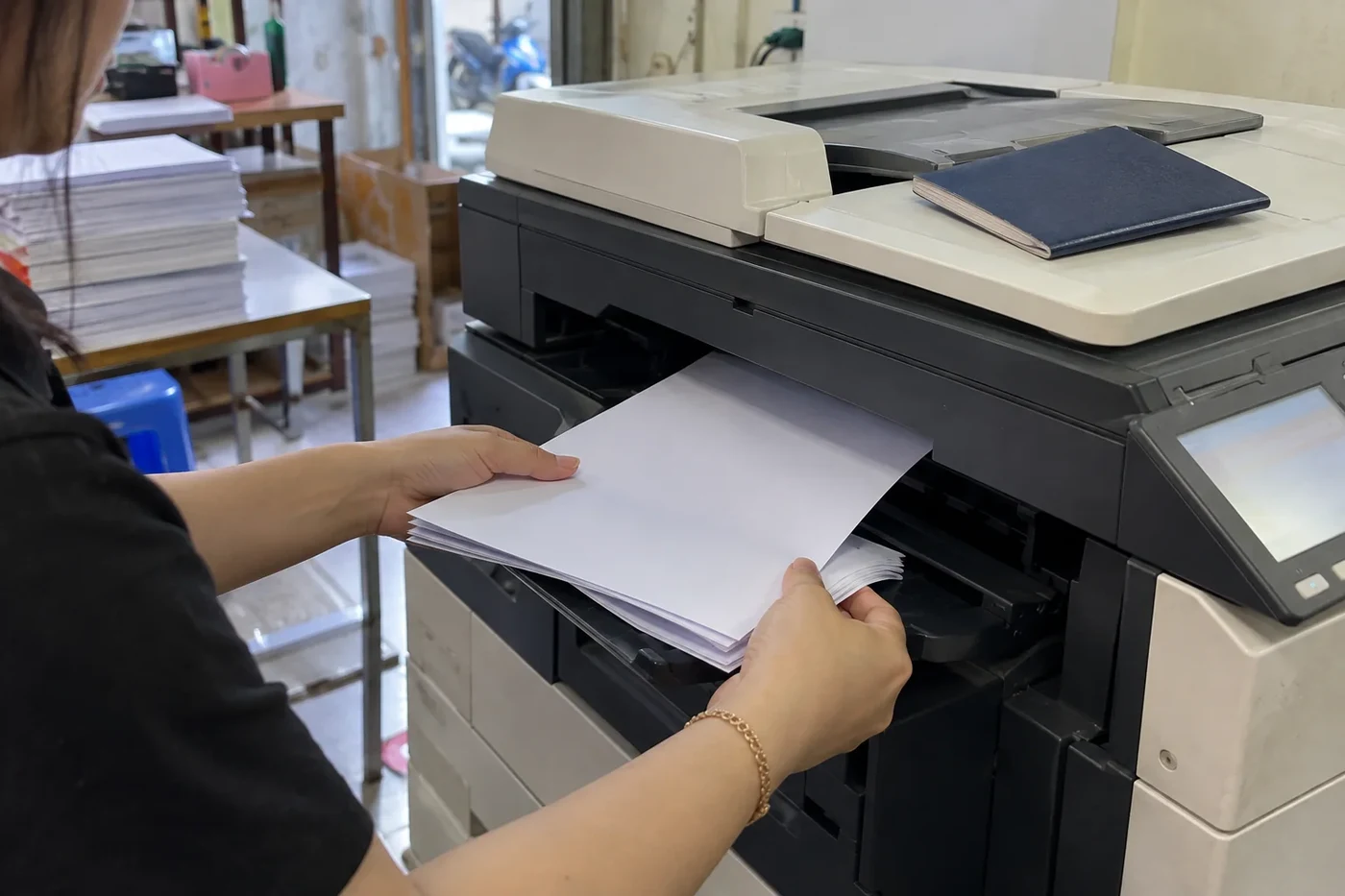
- Apostille, translate into Vietnamese and notarize foreign documents, then compare every name, birth date and passport number across the set.
- Submit the corrected file and keep the receipt.
What happens to your visa while the second attempt is pending?
Your visa or stamp keeps running while the TRC file is fixed and reviewed. I found no official text on visa status during a second attempt, and one legal source advises extending the visa in advance to avoid an overstay, so treat this as indicative and confirm with your sponsor. The cost of an overstay is exact, because Decree 282/2025/ND-CP sets it.

The fines have applied since 15 December 2025 and are set in dong. Check the current text on the Immigration Department site. Serious cases can also lead to expulsion.
| Days overstayed | Fine, million VND |
|---|---|
| over 1 year | 30–40 |
| 180 days to 1 year | 25–30 |
| 90–179 days | 20–25 |
| 60–89 days | 15–20 |
| 30–59 days | 10–15 |
| 16–29 days | 5–10 |
| up to 16 days | 0.5–2 |
This is where most people get stuck: the TRC file sits in review, the stamp in the passport runs out, and a fine of 5 million VND starts on day 16. You can handle this part yourself by extending the visa or doing a visa run on a fresh e‑visa. With BestBus Vietnam I arrange e-visas end to end and visa extensions in country, so the date in your passport never becomes the problem. Message me on WhatsApp and I will map out the options for your dates.
What does a Vietnam TRC cost and how long does a decision take?
The government fee for a first TRC is $165 for validity of 5 to 10 years, $155 for 2 to 5 years and $145 for up to 2 years under Circular 25/2021/TT-BTC. The official decision time is 5 working days from the moment immigration accepts a complete and valid file. A file that needs clarifications or legalized papers takes 7 to 15 working days in practice.
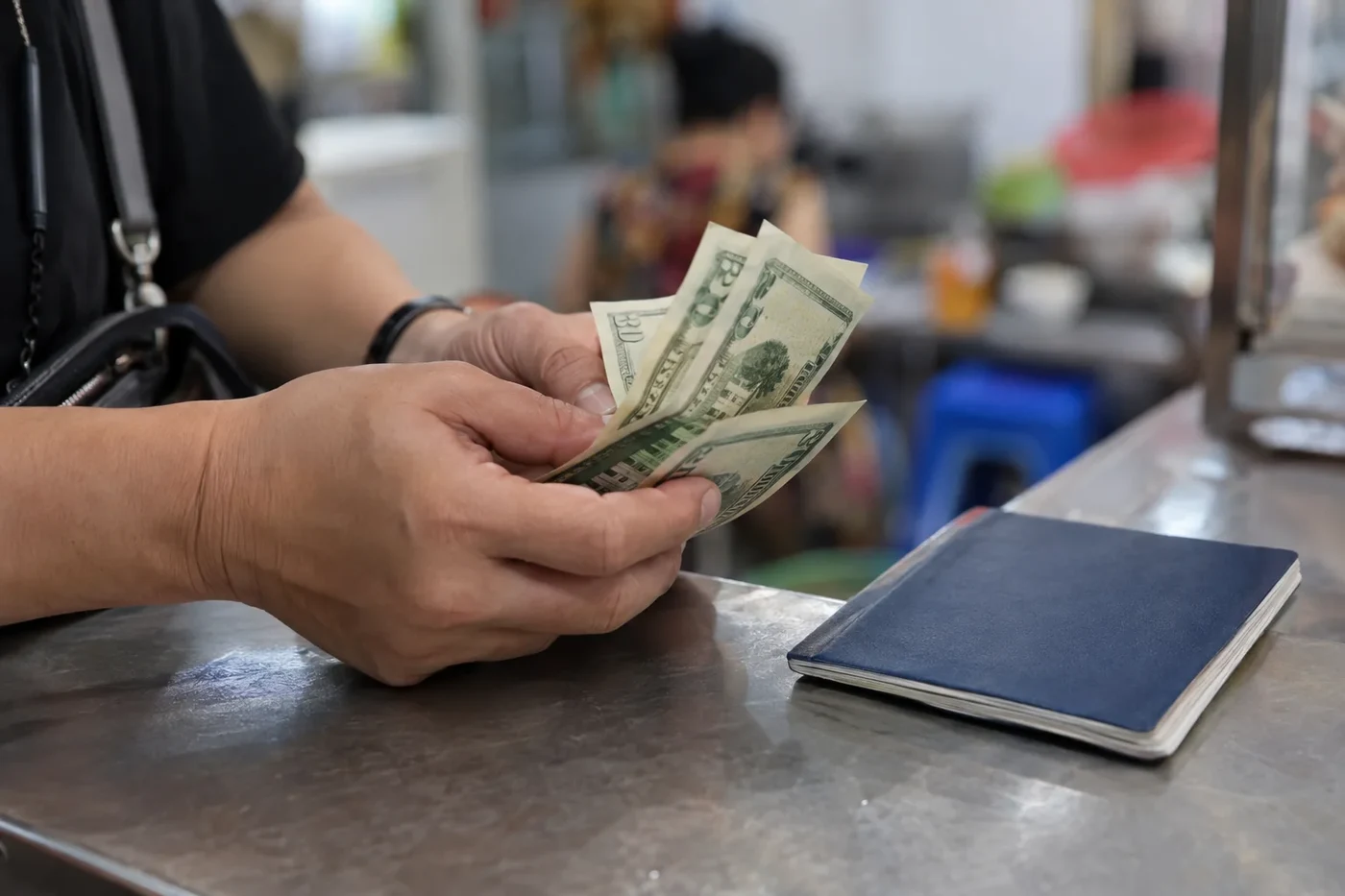
The same 5 working days apply to a first issue and to replacing an expired card. Check current rates on the Immigration Department site before you budget, because the days you lose on a returned file are the days spent fixing papers.
What to do next: the short version
Find the exact cause first, because nearly all of them are fixable: passport, visa type, sponsor papers, residence declaration or translations. Then keep your visa valid while the file is under review, since an overstay costs from 5 million VND at day 16. Refile only when all five items are closed.
You can fix the file yourself if your sponsor answers quickly and your visa has slack. If you would rather not track passport dates while the file is under review, send me the date your visa ends and I will tell you which option fits without an overstay.
Frequently asked questions
Can I appeal a TRC rejection?
I did not verify the appeal procedure, and the publications I found do not describe it. Applicants are usually told what is missing and asked to refile, so fixing the file is faster. For a disputed rejection, hire a Vietnamese lawyer.
Is there a waiting period before I can refile?
The sources describe no formal waiting period: once the causes are fixed, a new application is filed. I could not confirm this in an official document, so treat it as indicative.
Do I pay the fee again after a returned file?
I found no official text on repeat payment. One legal source says the fee is paid after the complete file is accepted against a receipt, so a file returned at the acceptance stage usually has not been charged yet. Treat this as indicative and confirm with your sponsor.
How long can a Vietnam TRC be valid?
The maximum depends on the card symbol: DT1 up to 10 years; DT2, LV1, LV2, LS, DH and NG3 up to 5 years; NN1, NN2, DT3 and TT up to 3 years; LD1, LD2 and PV1 up to 2 years. A short passport or work permit shortens the card further.