Tap water in Vietnam is not meant for drinking, so expats boil it, order a delivered 20-litre bottle or fit a reverse osmosis filter. A bottle costs roughly $1 to $2.50 (25 000 to 65 000 ₫), and a family RO filter from Karofi or Kangaroo costs $155 to $575, depending on the model.
I have worked with long-stay arrivals in Vietnam since 2023, and “what do I drink here” is the first practical question after the flat is rented. Prices below come from retailer pages and one distributor guide read on 15 October 2026, and where I could not confirm a number I say so.
Is tap water in Vietnam safe to drink?
No. The US CDC Yellow Book calls tap water in Vietnam unsafe to drink, and Vietnamese media and the big appliance retailers say the same. The national standard, QCVN 01-1:2024/BYT, has applied since 1 July 2025. It sets limits for water supplied to households and does not certify the tap as a drinking fountain.
The treatment plant is not the weak point. Water leaves it treated and chlorinated, then travels through ageing networks before it reaches your kitchen. The WHO data for 2022 show that only 57.6% of Vietnamese used a safely managed drinking-water service, 75.6% in cities and 46.1% in villages, and that figure counts bottled and delivered water as safe sources.
For washing, showering and cooking after boiling, tap water is fine, and that is how nearly everyone lives.
How much does a 20-litre bottle cost in Vietnam?
Budget $1 to $2.50 (25 000 to 65 000 ₫) for a 20-litre bottle of La Vie, Aquafina or a local brand, with delivery to your door. I could not find a current 2026 price list from a distributor. Old expat forum posts give 12 000 to 30 000 ₫, one 2026 guide to Da Nang gives about $2.50, so the price depends on the city and brand and your supplier will tell you the exact figure.
The delivery terms are similar across cities. One Da Nang distributor guide, which carries no date, lists a refundable deposit of 50 000 ₫ ($1.90) per bottle, free delivery from three bottles in the centre and 15 000 to 25 000 ₫ below that. Delivery runs from 8:00 to 19:00 including weekends, normally within two hours.
Retail bottles cost far more per litre. Aquafina in a Pharmacity store was 7 000 ₫ ($0.27) for 500 ml and 14 000 ₫ ($0.54) for 1.5 litres on 15 October 2026, which is several times the price of the same water in a 20-litre bottle.
What does a month of drinking water cost for one, two or four people?
At two litres of drinking water per person per day, one person needs about three 20-litre bottles a month and costs $3 to $7.50. Two people need six bottles and spend $6 to $15, and a family of four needs twelve bottles and spends $12 to $30. This is my own arithmetic on the price range above, not a published tariff.
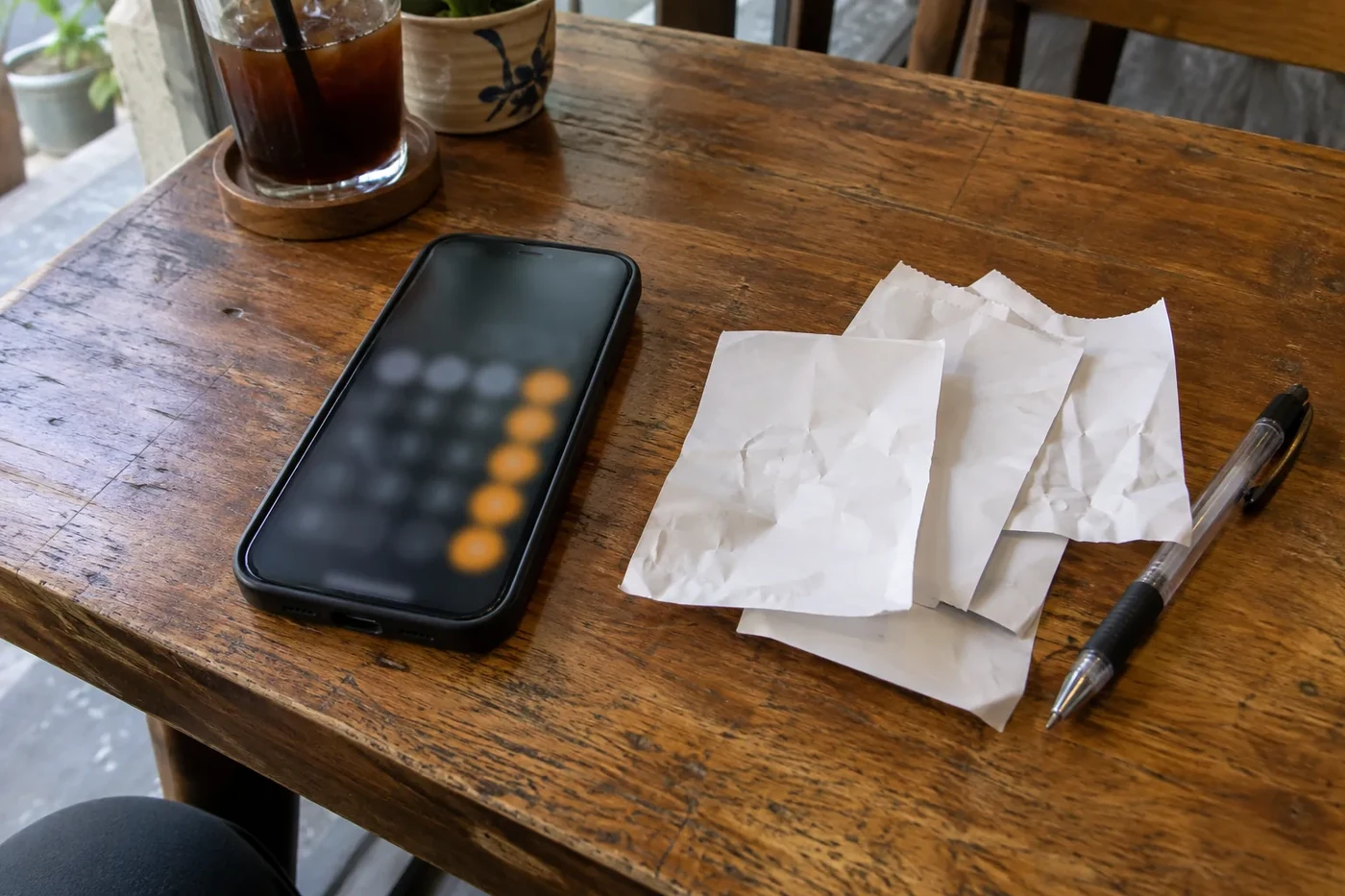
Water is one line of a bigger budget, and the other lines are in my cost of living in Da Nang for 2026. The deposit sits on top of that, but you get it back when you return the empties, and a second bottle in rotation doubles it.
Which water filter should you buy for a rented flat?
Reverse osmosis is the filter to buy if you want to drink straight from the machine. For a stand-alone family unit expect $155 to $575 at Dien May Xanh, the main appliance chain. Karofi floor-standing RO starts around $155 (4 million ₫), hot-and-cold models cost about 7 to 12 million ₫ ($270 to $460), and family RO tops out near $575 (15 million ₫). Kangaroo starts at about $175 (4.54 million ₫).
The table compares the main types by what they remove, based on FPT Shop’s 2026 guide.
| Type | What it removes | Running cost |
|---|---|---|
| Reverse osmosis (RO) | most impurities, bacteria and heavy metals | membrane every 18 to 36 months, $19 to $58, plus a 5-micron pre-filter every 3 to 6 months, $3 to $7 |
| Nano or ultrafiltration | bacteria, keeps minerals, no electricity, no waste water | no verified price |
| Activated carbon only | chlorine and organics, not bacteria or metals | carbon cartridge every 6 to 9 months, $5 to $10 (120 000 to 250 000 ₫) |
A filter pays for itself slowly for one person. Against $12 to $30 of bottles a month for a family of four, a $155 to $230 entry-level floor-standing unit (the cheaper Karofi and Kangaroo models) breaks even in about 5 to 19 months before electricity and cartridges, and for a single person it takes years. That is my calculation, so run it with your own bottle price.
Boiling, bottles or a filter: which costs less per month?
| Option | Start-up cost | Monthly cost for two people | Effort |
|---|---|---|---|
| Boiling | a kettle | gas or electricity only | daily boiling and cooling |
| 20-litre bottle | deposit about $1.90 per bottle | $6 to $15 | call for a refill |
| RO filter | $155 to $575 | membrane and pre-filter, a few dollars | change cartridges |
Does boiling tap water make it safe?
Boiling for at least one minute kills most of the microbes, so it makes tap water safe against bacteria. Boiled water should be used within 24 hours, according to FPT Shop, and boiling does not remove lead, nitrates, chlorine or microplastics. Tea and boiled water are the everyday habit in Vietnamese homes.
Boiling suits a short stay or a flat with an old kettle and little money. For a year-long rental, delivered bottles or a filter save you the daily routine.
How do you set up safe drinking water in your first week?
Get the water sorted in the first week with five steps, and leave the filter decision for the second month. A distributor’s phone number, three bottles and a kettle are enough for week one, and a filter makes sense only after you know how long you stay and how many people drink.
- Ask your landlord or the neighbours which distributor delivers to your building, and save the number.
- Order at least three bottles so that delivery is free, and pay the deposit per bottle.
- Ask whether the supplier lends a pump or a dispenser and what deposit it takes.
- Check the seal film on the cap of every bottle before you open it.
- Boil tap water for cooking and tea, and keep the kettle for the days a delivery is late.
Filters and delivery contracts are a six-month decision, and that is where many arrivals trip: they plan to stay longer than their visa allows. You can file an e‑visa yourself on the government portal, but it declines many foreign cards, so the fee often cannot be paid. A visa that ends before your plan does brings a fine and trouble at your next entry. This is where I step in. At BestBus Vietnam I pay the fee with my own card, choose the right entry point and refile for free with a refund if the visa is refused. Send me the date your visa ends and I will tell you what fits.
What about ice, toothbrushes and vegetables?
The CDC says ice in Vietnam is unsafe because it is often made from tap water, while LocalVietnam and Vietnam Tourism say factory ice, the cylinders with a hole in the middle, is safe and hand-made ice is not. I take the second view with the CDC’s caution in mind, and I ask for no ice when I cannot see its shape.
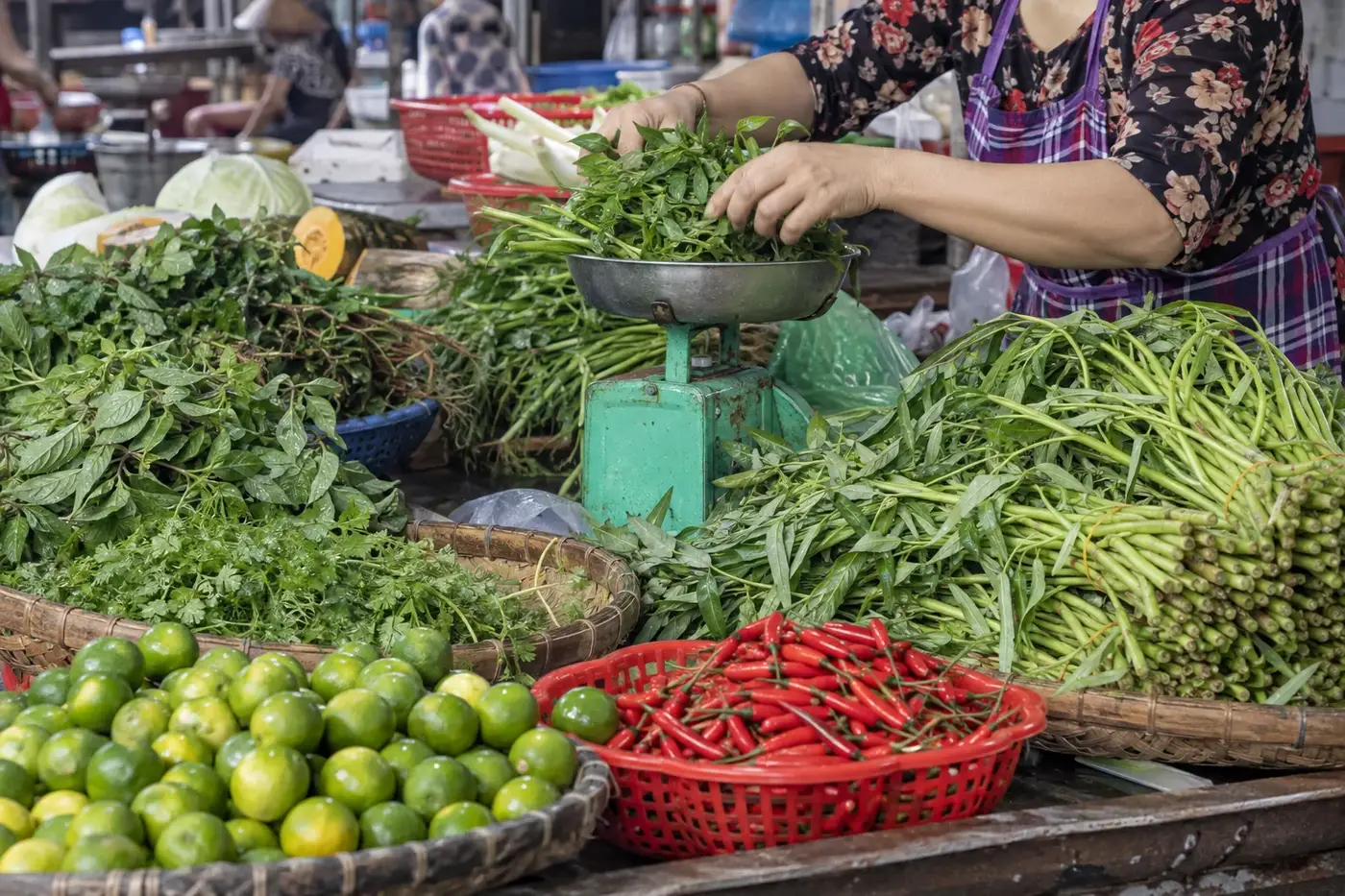
Brushing teeth with tap water is common among locals and long-stay expats in cities, and travel media accept it, but no official source confirms it. Short-stay guests are advised to use bottled water. Wash vegetables and fruit in filtered or bottled water, and skip raw produce that cannot be peeled, as the CDC advises.
What should you do if the water makes you sick?
Rehydrate and see how it goes. The CDC names traveller’s diarrhoea as the most common illness. It is usually watery, has no blood and passes by itself, and treatment is rehydration with WHO oral rehydration salts. Pharmacies sell these as Oresol, and my guide to Vietnamese pharmacies lists the chains, prices and brands.

Blood in the stool, a high fever or diarrhoea that does not stop are reasons to see a doctor instead of waiting.
What should you buy first?
Buy a delivered 20-litre bottle in week one, because it costs a few dollars a month and solves the problem the same day. Boil tap water for cooking, and compare an RO filter only once you know you stay a year or more, or you drink for three or four people. Skip retail 1.5-litre bottles as a daily source, since each litre costs several times more.
A filter pays off only if you stay long enough, and how long you can stay is set by your visa. If you plan a year or more, message me on WhatsApp with your city and arrival date and I will work out the visa timing with you.
Frequently asked questions
How often do I change filter cartridges?
A 5-micron pre-filter cartridge every 3 to 6 months, a carbon cartridge every 6 to 9 months and an RO membrane every 18 to 36 months, according to FPT Shop’s 2026 guide. Use the shorter end of each range if your building has an old roof tank.
How do I spot a fake bottle of Lavie?
Hanoi police opened a case in October 2025 over about 20 000 Lavie bottles refilled with tap water and sold at around $2.70 (70 000 ₫). Buy from a known delivery service or from Circle K, Mega Market, Big C or Lotte Mart, and check the cap film.
Can I drink from the public fountains in Ho Chi Minh City?
SAWACO reported 27 public drinking columns with a QR water-quality report by autumn 2025. The wider plan to make home taps drinkable in Tan Phong still waits for city approval, so the tap in your flat remains a boil-first source.
What can a tenant do without drilling into the kitchen?
Use a delivered 20-litre bottle with a pump, or a floor-standing RO unit that needs no cut into the sink. An undated forum post mentions an under-sink filter for under 2 million ₫ ($75) and stand-alone units from 3 million ₫ ($115), but an under-sink unit means drilling, so ask the landlord first.
Does the water tank on the roof change the advice?
Yes, it makes a filter or boiling more important. After treatment the water can pick up rust and sediment in old pipes and house tanks, so the water in your flat may be worse than what left the plant.