Vietnam’s sleeper bus network mostly runs itself, but when your night bus genuinely doesn’t show up or gets swapped for another company without notice, three different parties can end up denying it’s their problem. I’ve had clients stuck at a Da Nang pickup corner at 11pm waiting on buses that never came, including on the Hanoi to Da Nang overnight route, and the fastest way out is knowing who to call first: the booking platform if you booked online, then the operator, and only if both stall, Vietnam’s consumer hotline or your card issuer.
I’ve been running bus and transfer bookings out of Da Nang since 2023, and most of what’s below comes from actually working the phones with FUTA, VeXeRe and 12Go support on behalf of stranded travelers, not from reading terms and conditions cold.
What Happens When a Vietnam Sleeper Bus Never Shows Up?
When a sleeper bus doesn’t arrive, Vietnam treats it as one of two things: a cancelled trip under Circular 36/2024/TT-BGTVT, or, if you booked through a platform, a service that platform never delivered. Which one applies decides who owes you money first, the operator or the booking site, and that’s the part most stranded passengers get wrong.
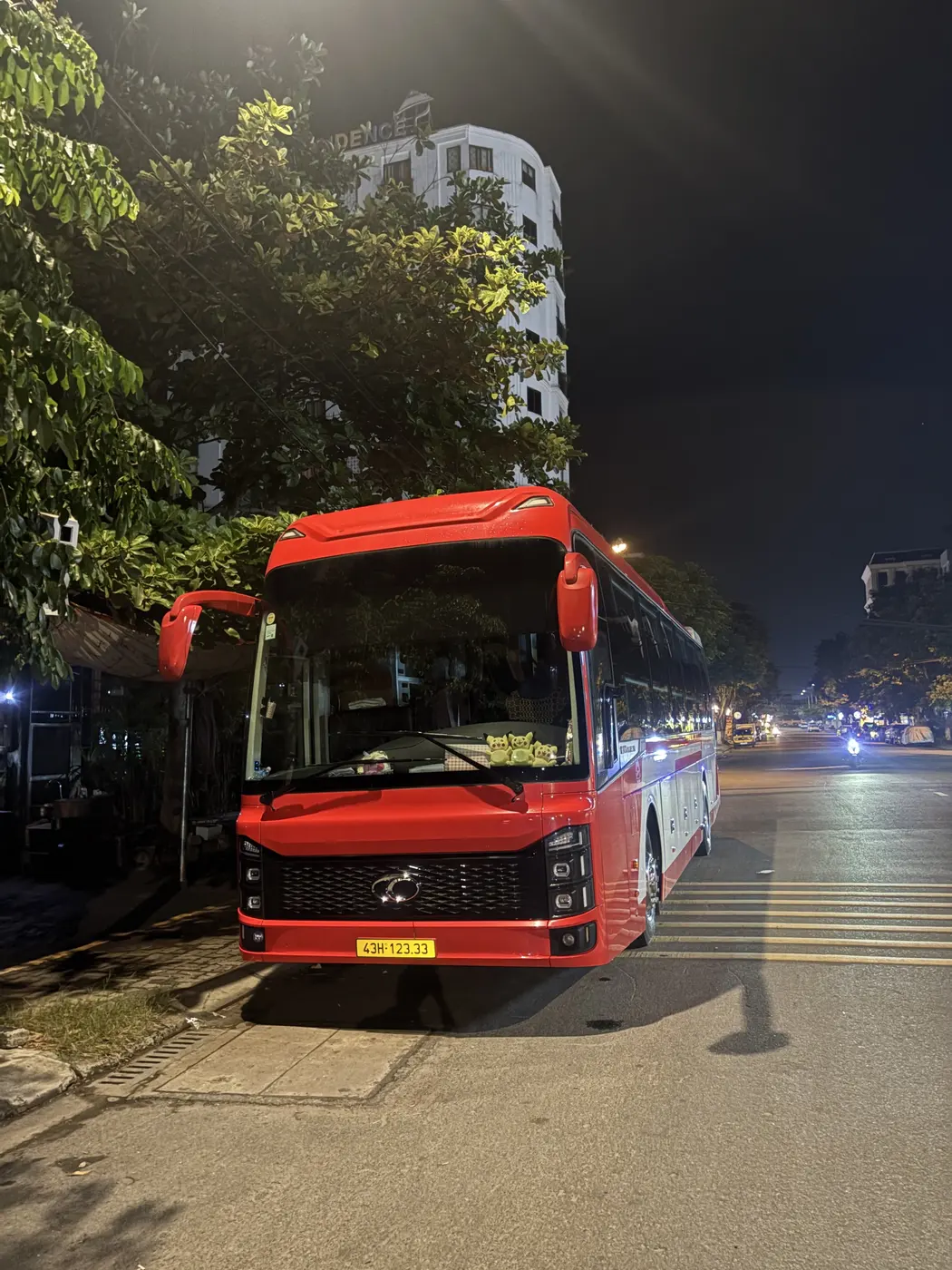
In practice, the party that owes you is whoever’s name shows up on your bank statement, the “merchant of record.” Book directly with Futa Bus Lines and it’s Futa. Book through VeXeRe, Baolau or 12Go and it’s the platform, even though the actual bus belongs to a different company entirely. That distinction is also why calling the wrong number burns the first hour of a bad night.
Who Is Legally Responsible: The Operator or the Booking Platform?
The party that sold you the ticket is responsible first. Vietnam’s Law on Protection of Consumer Rights (No. 19/2023/QH15, effective 1 July 2024) requires a trader to refund the unused part of a service within 30 days of a cancellation, plus late-payment interest if it drags on past that.
If you booked through VeXeRe, Baolau or 12Go, the platform is your first stop precisely because it’s who charged your card, the underlying bus operator’s refund policy still applies, the platform is just meant to enforce it. VeXeRe’s own terms promise what it calls a “150% refund guarantee” if the driver never picks you up or a replacement bus arrives more than 18 hours late with no alternative offered. In reality that’s 100% of your fare back in cash plus a 50%-value voucher toward a future booking, not literally 150% in cash, which trips up a lot of people who skim the headline instead of the fine print.
How Much Refund Are You Owed by Law?
Under Circular 36/2024/TT-BGTVT, cancelling a long-haul ticket over 300 km at least 4 hours before departure gets you a minimum 90% refund by law, and at least 2 hours before gets you a minimum 70%. Closer to departure than that, the operator can legally keep the fare.
For shorter routes under 300 km, which covers most central Vietnam city-to-city hops, the same 90%/70% split applies at 2 hours and 1 hour before departure instead. These are legal minimums, not a ceiling: an operator can offer more, and several do when they caused the disruption rather than you. If the operator cancels the trip outright and it isn’t a genuine force-majeure event like a storm or flood, that counts as a breach of the transport contract rather than an ordinary cancellation, which usually means a full refund instead of the 90/70 split. One thing I’ll flag honestly rather than paper over: public legal commentary in Vietnam doesn’t clearly settle whether these percentages apply to open-tour tourist sleeper buses or only to licensed scheduled routes (tuyến cố định). Treat the 90/70 numbers as the regulator’s floor for licensed routes, and expect open-tour operators to lean on their own printed policy instead.
FUTA, VeXeRe, Baolau and 12Go: How Each One Actually Refunds You
FUTA (Phuong Trang), Vietnam’s biggest sleeper-bus network, refunds 80% of the fare (keeping 20% plus a 35,000 VND fee) if you cancel more than 24 hours out, and nothing if you cancel inside 24 hours. If FUTA itself delays or cancels a trip, though, it offers a straight choice between rebooking and a refund.
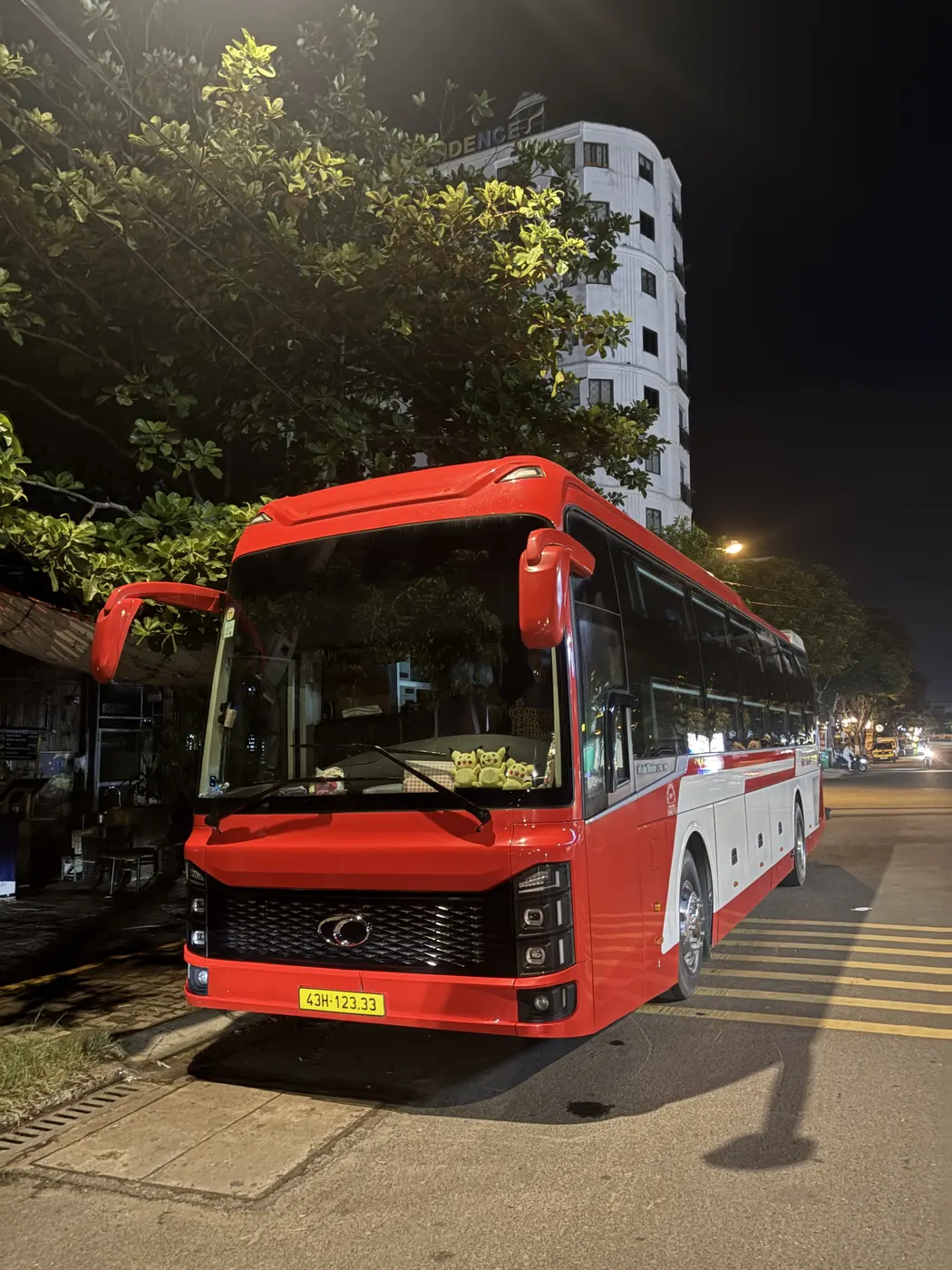
I’ve broken down real fares and timing for the Da Nang to Nha Trang sleeper bus route if you’re pricing a specific leg. Baolau, a regional aggregator reselling tickets from several Vietnamese operators, never refunds its own service fee, since the ticket-issuing part of the deal counts as delivered the moment you receive a ticket; whatever cancellation window applies to the trip itself comes from the underlying bus company and arrives in your confirmation email. 12Go.asia works on similar logic: refund eligibility (refundable, partial refund, or non-refundable) is set per operator and fare class and shown right on the booking page, and if the operator cancels or reshuffles the schedule without warning, 12Go’s own support team handles the refund rather than the bus company doing it directly. The Sinh Tourist, an older Ho Chi Minh City open-tour brand, charges roughly 20% if you cancel at their office; travelers report refunds taking anywhere from a few days to close to a month, longer than any of the online platforms above.
Step-by-Step: How to Actually Get Your Money Back
Start with whoever’s name is on your bank statement, not the company painted on the side of the bus, since that single step saves the most time once a sleeper bus fails to show.
- Screenshot your booking confirmation and payment receipt immediately, before you do anything else, while the departure time and the no-show are easy to prove.
- Contact the merchant of record first: the platform (VeXeRe, Baolau, 12Go) if you booked online, or the operator’s own hotline if you booked directly or at an office.
- Ask explicitly for a cash refund, not just a rebooking voucher. Platforms like VeXeRe tend to default to the voucher-heavy option unless you specifically ask for the cash portion.
- If the platform or operator stalls past 10 working days, escalate to Vietnam’s free consumer hotline, 1800.6838, run by the national competition and consumer authority. It logged over 10,000 calls in the first half of 2026 alone, so this route sees real traffic.
- As a last resort, file a chargeback with your card issuer for a service not delivered. Most card networks give you around 60 days from the statement date, and who you dispute against depends on whether the platform or the bus operator was the actual merchant of record.
What Mistakes Kill Your Refund Claim?
The single biggest mistake is calling the bus operator when you actually booked through a platform, or the reverse; you’ll spend 20 minutes hearing “that’s not us” before anyone tells you who owes you the money.
The second is treating a passenger no-show and a driver no-show as the same situation. If you show up late and miss the bus, VeXeRe and most operators simply keep your fare, no appeal available; the 90%/70% legal refund minimums and VeXeRe’s failed-service guarantee only apply when the bus itself failed to appear or ran roughly 18 hours or more behind with no replacement offered. The third is accepting a voucher without asking whether a cash option exists, since plenty of travelers assume the voucher is the whole offer rather than half of it. And the fourth is where it gets genuinely messy: you’re bounced between the booking platform, the bus operator and your bank, each one pointing at the other two. Message me on Telegram if you’d rather skip the runaround on a live ticket, and I’ll tell you which door to knock on first for your specific booking.
You can absolutely run this whole process yourself. VeXeRe’s support chat, the 1800.6838 hotline and a card dispute all work without anyone’s help, and I’ve watched plenty of travelers get their money back doing exactly that. But if this happened mid-trip and you just want the next leg to actually show up, book it with BestBus Vietnam instead: I run these routes myself, confirm the driver and the seat before you pay, and you’re not chasing three companies afterward if something changes. Message me on Telegram and I’ll check what’s running on your dates.