A 90-day tourist e‑visa is not a long-stay visa, and that gap is what actually catches nomads out in Vietnam, not the cost of living. If you’d rather skip the research and just get a straight answer for your own dates, that’s an option too.
Is Vietnam’s Tourist E‑Visa Enough for a Long Stay?
No. The e‑visa covers 90 days, and once it expires you have to leave the country and re-enter, which is the “visa run” every long-stayer eventually does. The official e‑visa portal charges $25 for single-entry and $50 for multiple-entry. A resident card or long-term status needs a work permit tied to a local employer, a registered company, or marriage to a Vietnamese citizen - none of them fast, and none of them simple to arrange from abroad.
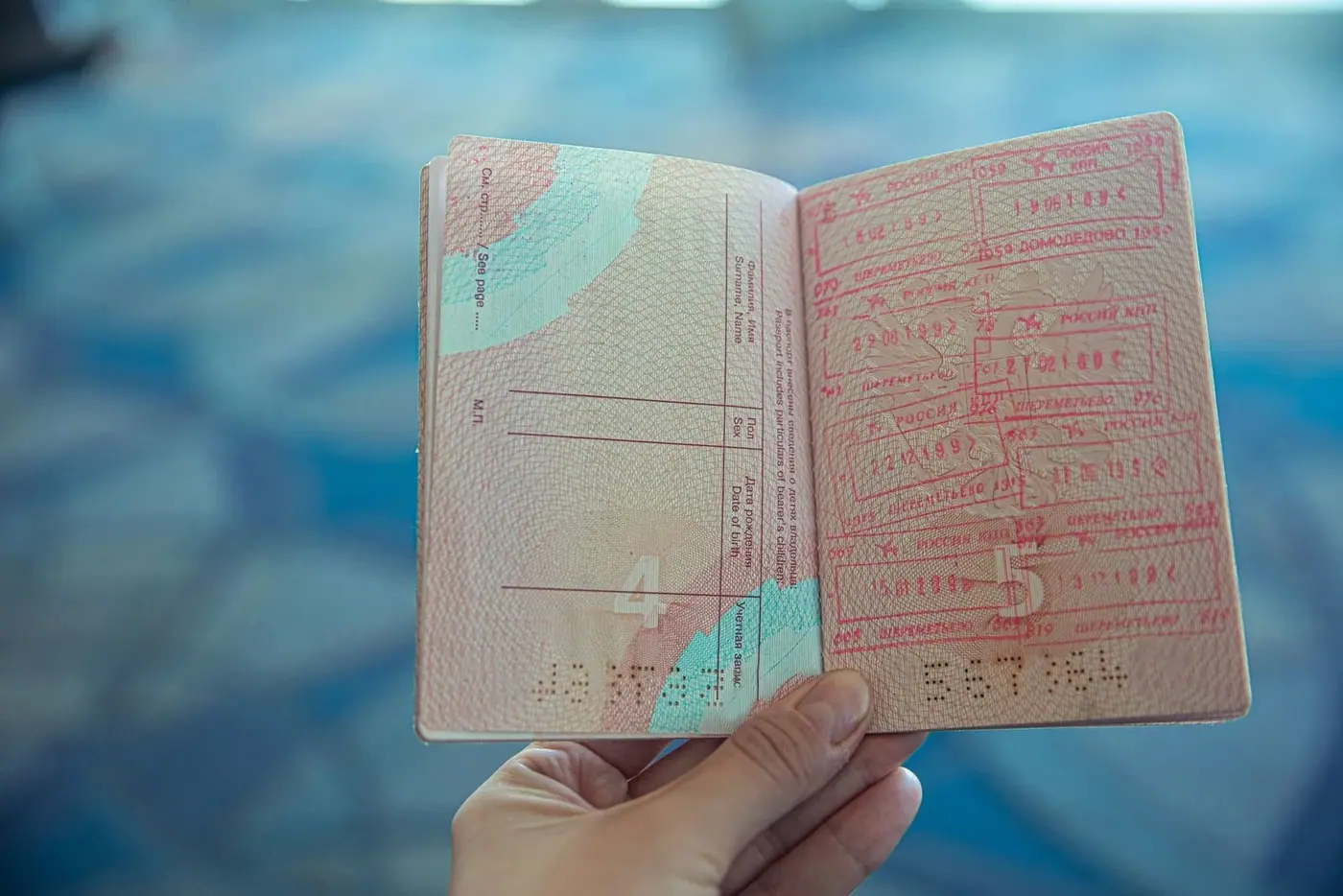
The government portal doesn’t accept every foreign card on the first try, and mine got rejected twice before it went through - worth planning around before you’re stuck re-entering payment details on a deadline. If sorting out the payment and the border run isn’t something you want to manage yourself, our 90-day e‑visa service handles the portal fee with a card it actually accepts and lines up the paperwork before you land.
How Much Does It Cost to Live in Vietnam as a Digital Nomad?
Mobile data with a local SIM runs $4-5 a month, and home internet is $10-12. Electricity swings between $20-60 depending on how much you run the air conditioner. A week of groceries at the market costs $30-50, dinner for two at a local restaurant is $10-15, and street food is $1.5-2.5 a bowl. Getting around costs $40-60 a month to rent a scooter, or $300-500 to buy a used one outright. Rent is the biggest line: a studio in Da Nang, Nha Trang, or Vung Tau runs $250-400, and a one- or two-bedroom unit in a complex with a pool runs $450-700.

Add it up and a single nomad without extras clears $700-800 a month. A couple can comfortably land in the $1,200-1,500 range. First-timers usually blow past that in month one, mostly from paying full rent without negotiating and forgetting the landlord deposit.
What Does Health Insurance Actually Cost in Vietnam?
An international clinic consultation in Da Nang or Ho Chi Minh City runs $100-150, and a day in the hospital climbs into the thousands. Local hospitals cost far less, but the language barrier makes describing symptoms without a translator nearly impossible. Dengue fever is a real risk in rainy season, with no specific treatment, only symptom management, which makes insurance non-negotiable rather than optional.
How to Decide If Vietnam Fits Your Nomad Lifestyle: 5 Steps
There’s no single checklist that covers every situation, but this is the order that would have saved me money the first time around.

- Confirm your remote income or client work is settled first - legal local employment is its own separate, slower process.
- Line up international health insurance and a nearby clinic before you land, not after something goes wrong.
- Check your visa math before booking flights: how long the e‑visa actually covers you without a run.
- Spend two to three weeks scouting in person before committing to a lease, not just trusting listing photos.
- Budget for three months up front, not one - rent plus deposit eats close to half of that first chunk.
Is Traffic in Vietnam as Bad as People Say?
Traffic rules exist on paper, but in practice it’s a constant, flowing stream of scooters where a horn honk means “I’m here,” not aggression. Humidity in rainy season sits at 90-100%, and clothes left in a closet without a dehumidifier grow mold within a week. On the upside, locals are consistently friendly to foreigners for no particular reason, and that shows up daily, not just in reviews.
So, Is Vietnam Worth It for Nomads?
It’s worth it if you already have remote income and are willing to pay for solid insurance - then $700-1,500 a month buys warm weather and the beach year-round. It’s a harder sell if you’re counting on finding legal local work or planning to stretch past 90 days without a visa run; that part of Vietnam doesn’t reward improvising. For a longer read on where to actually settle, our comparison of the best long-term bases in Vietnam breaks down rent and climate city by city.
If the budget side makes sense but the visa paperwork is the part you’d rather hand off, that’s the piece I usually help with - paying the government fee with a card the portal accepts and having the paperwork ready before you land. Message me on WhatsApp and I’ll tell you what actually fits your dates.