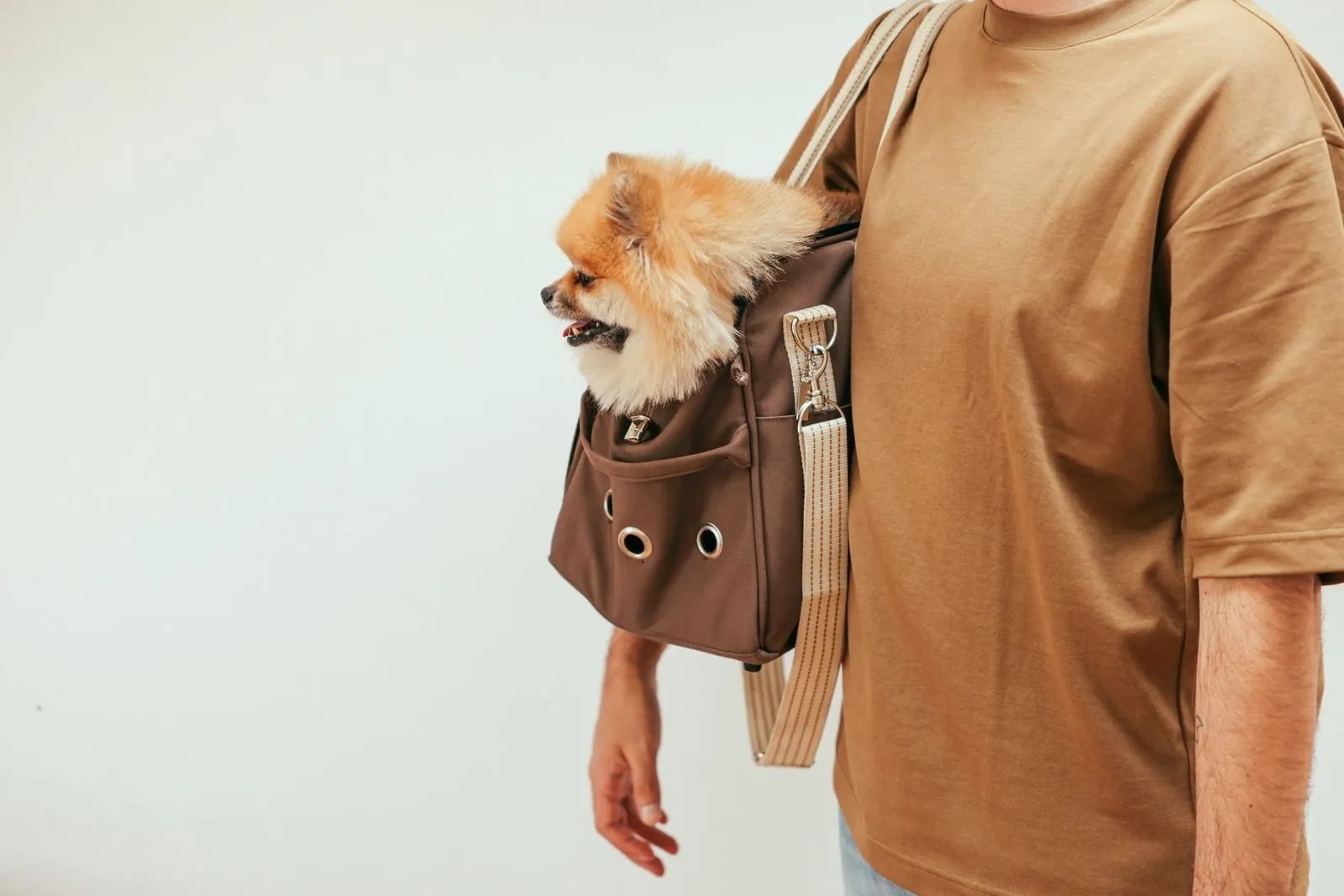
Your dog or cat needs a rabies vaccination given no less than 30 days and no more than 12 months before you fly into Vietnam, plus an ISO-standard microchip that has to go in before that vaccination counts as valid on paper. I helped a friend move a cat from Ho Chi Minh City to Da Nang last year, and the timing of those two steps is where almost every mix-up starts.
Getting your pet cleared to fly, in order
- Implant the ISO-standard microchip a couple of days before any rabies shot or combined vaccine - reversing that order creates a date mismatch some clinics won’t sign off on later.
- Call every airline on the route, including connections and any domestic Vietnam leg, and confirm their pet policy and weight cap before booking anything.
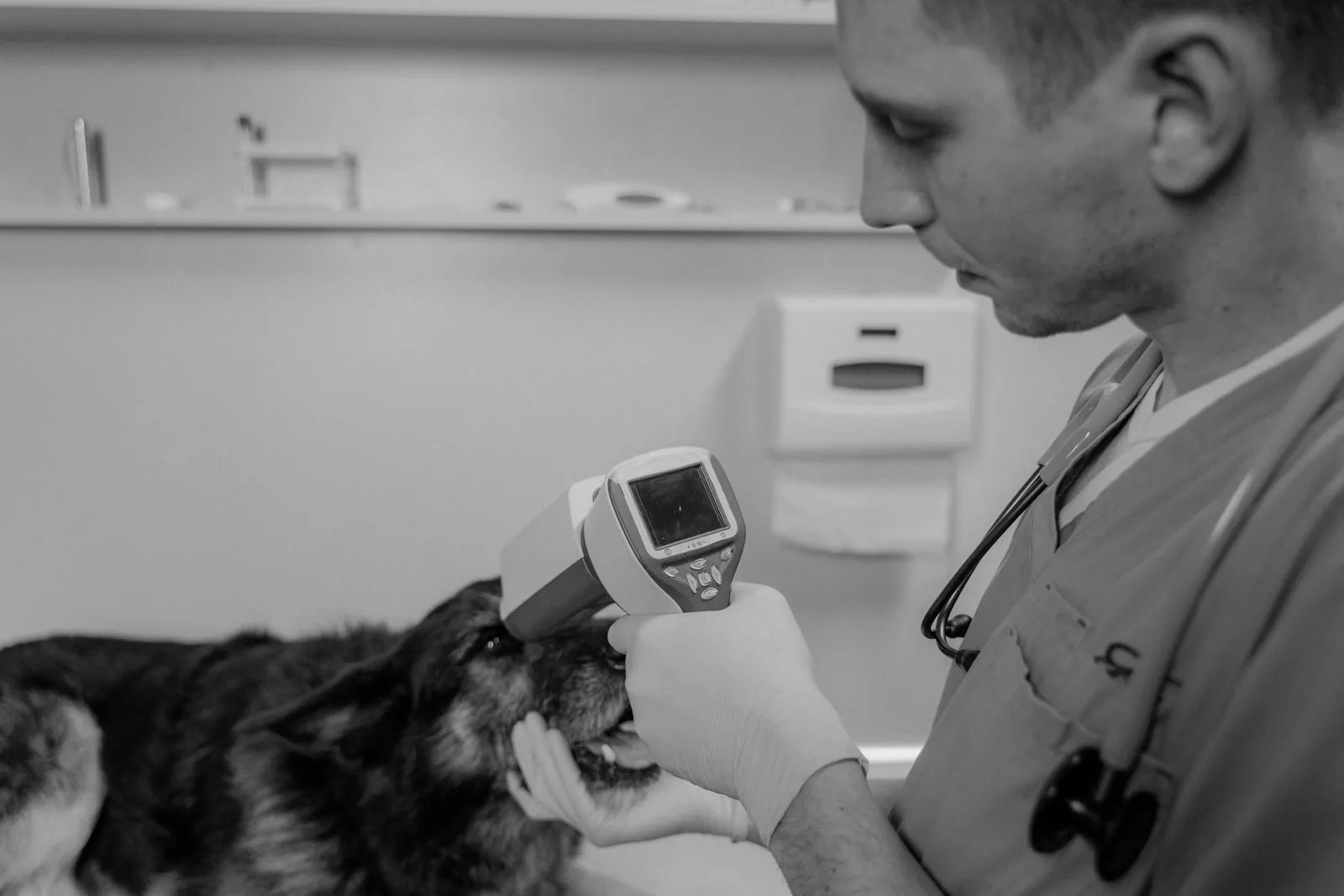
- Close to departure, get an export certificate from a state veterinary clinic, then exchange it for the international version at the airport’s veterinary control desk on travel day.
Each of those three steps has its own timing trap, and that’s what the rest of this covers.
Does the microchip or the vaccine come first?
Get the chip in first, then wait a couple of days before the rabies shot - doing it the other way around is the single most common reason a pet passport gets questioned later. This rarely comes up until someone’s already at the vet asking why the dates on the page don’t line up the way the airline wants them to.
What paperwork actually gets checked at the airport?
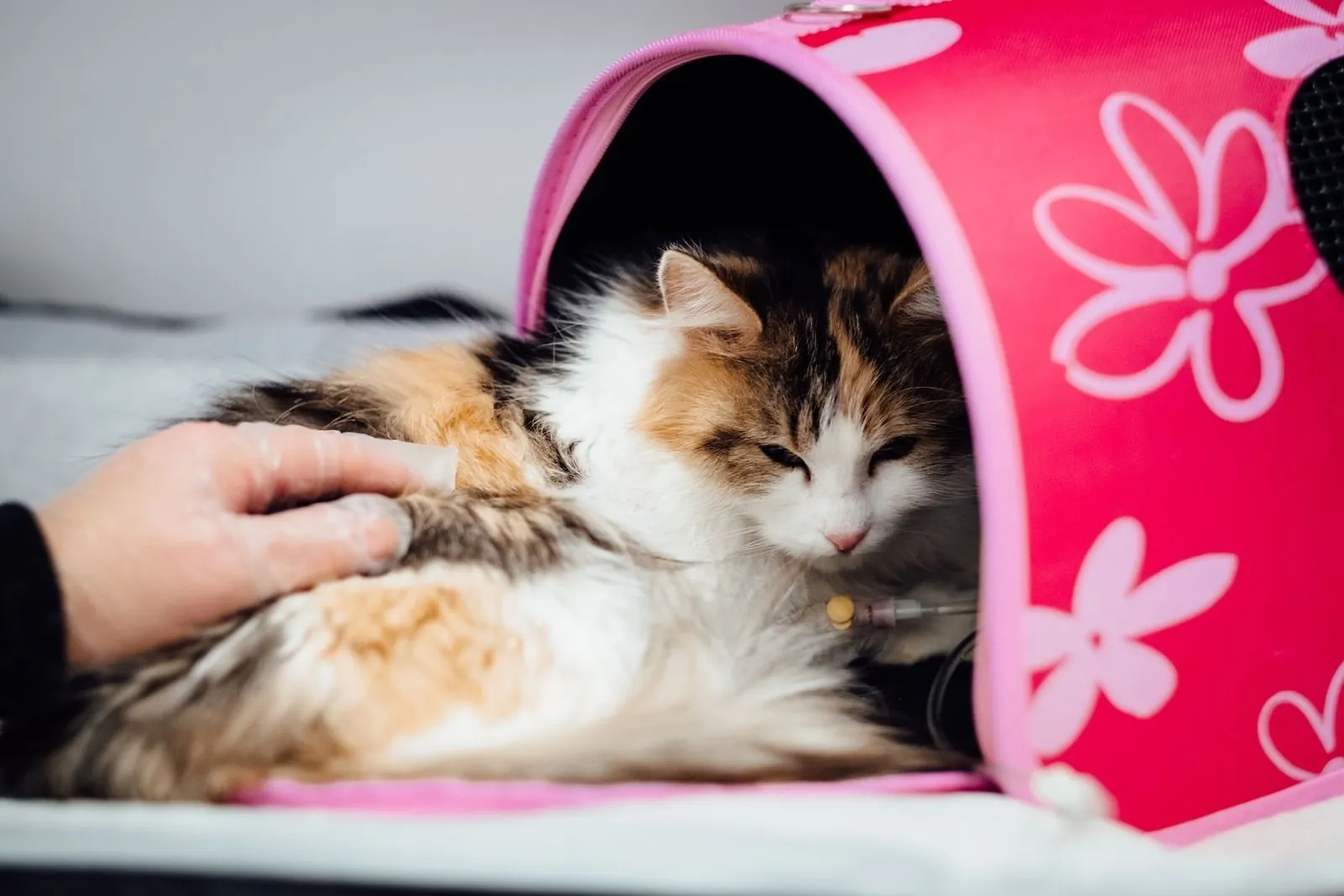
Vietnam doesn’t require a rabies antibody titer test or a separate import permit the way some countries do - a valid pet passport, current vaccinations, and a health certificate are enough on paper. The certificate that matters at check-in has a narrow window before departure, and it gets swapped for an international export certificate at the veterinary control desk once you land at the airport for your outbound flight. Miss that window and you’ll be turned away at the counter even with every vaccination fully valid, because the certificate itself has a hard expiry.
Can you actually bring your pet in the cabin?
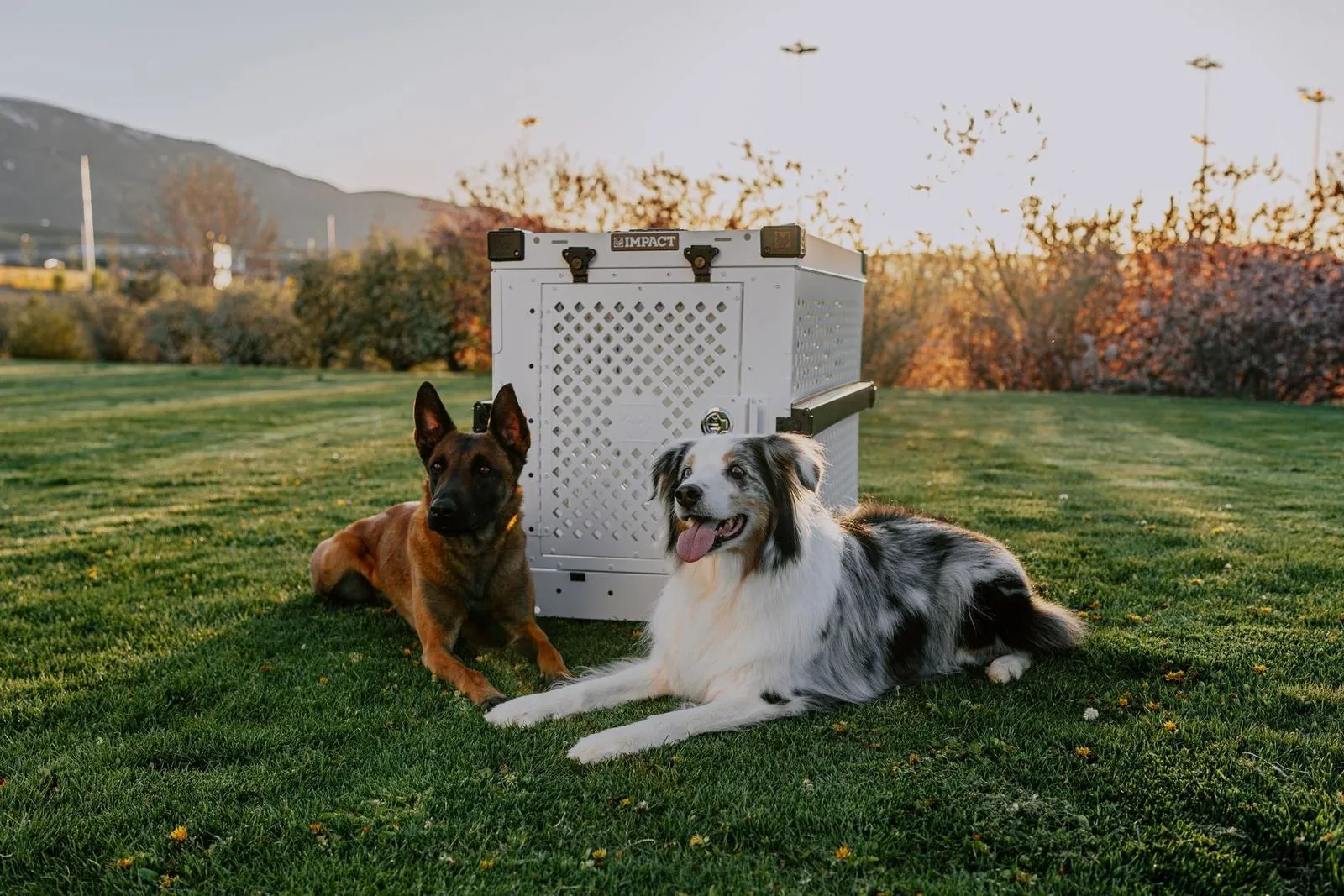
Vietnam Airlines - the one domestic Vietnamese carrier that allows small pets in the cabin - caps the combined weight of pet plus carrier at 6 kg, per its official pet travel policy. Anything heavier flies cargo-hold only, no matter how much you’re willing to pay. Some foreign carriers on international routes through Vietnam allow more (up to 8-10 kg on a few airlines), but that varies by carrier and has to be confirmed individually - there’s no single limit across every route. The final call on Vietnam Airlines still sits with the captain on the day, not the booking agent. Weigh the carrier with the animal inside before you fly - a heavier travel crate can push a borderline pet over the cutoff even when the animal alone would qualify, and airport staff weigh the combined total, not just what’s on the pet’s own vet paperwork.
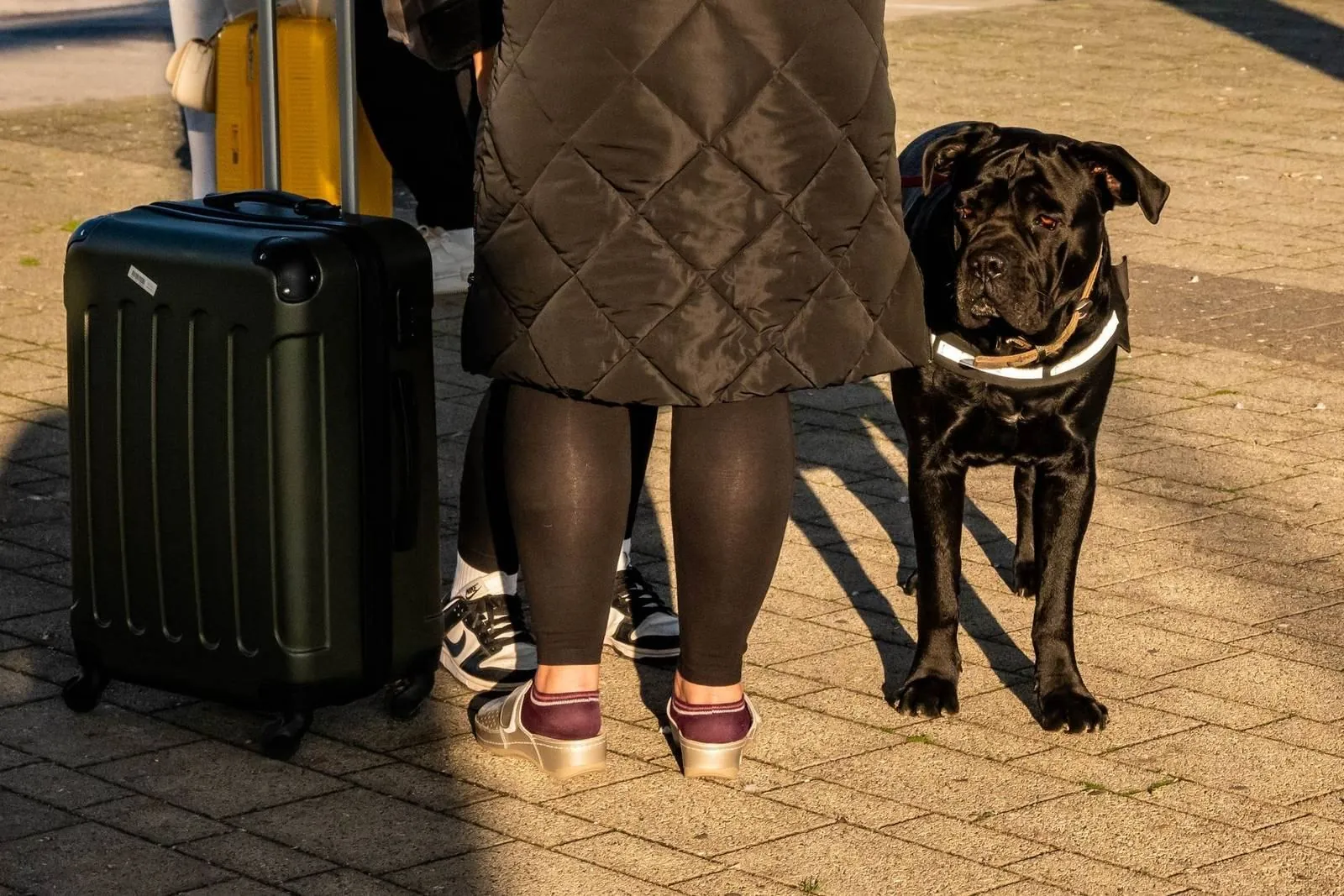
What if your connecting flight won’t take pets?
This is the scenario that catches people off guard: one leg of a route allows pets and the next one flat-out refuses, with no warning at booking. A couple I know flying a cat through a third-country connection got turned away at the transfer gate and had to book a same-day hotel near the airport while they scrambled for a carrier that would actually take the animal. Some low-cost domestic carriers refuse pets entirely regardless of size, so booking the cheapest fare first and checking the pet policy afterward can leave you stranded on a connection you can’t actually use - that includes domestic Vietnam routes like Ho Chi Minh City to Da Nang or Phu Quoc. None of this shows up clearly on a booking site’s fare rules page, so the only reliable way to confirm it is calling the airline directly and getting the pet policy in writing before you commit to a route.
If cross-checking every leg’s pet policy and chasing down a same-day certificate isn’t how you want to spend the week before a move, that’s usually where I step in - mapping the route, checking the passport dates against what each airline actually requires. More on the site, or message me on Telegram with your route and I’ll take a look; no Telegram.