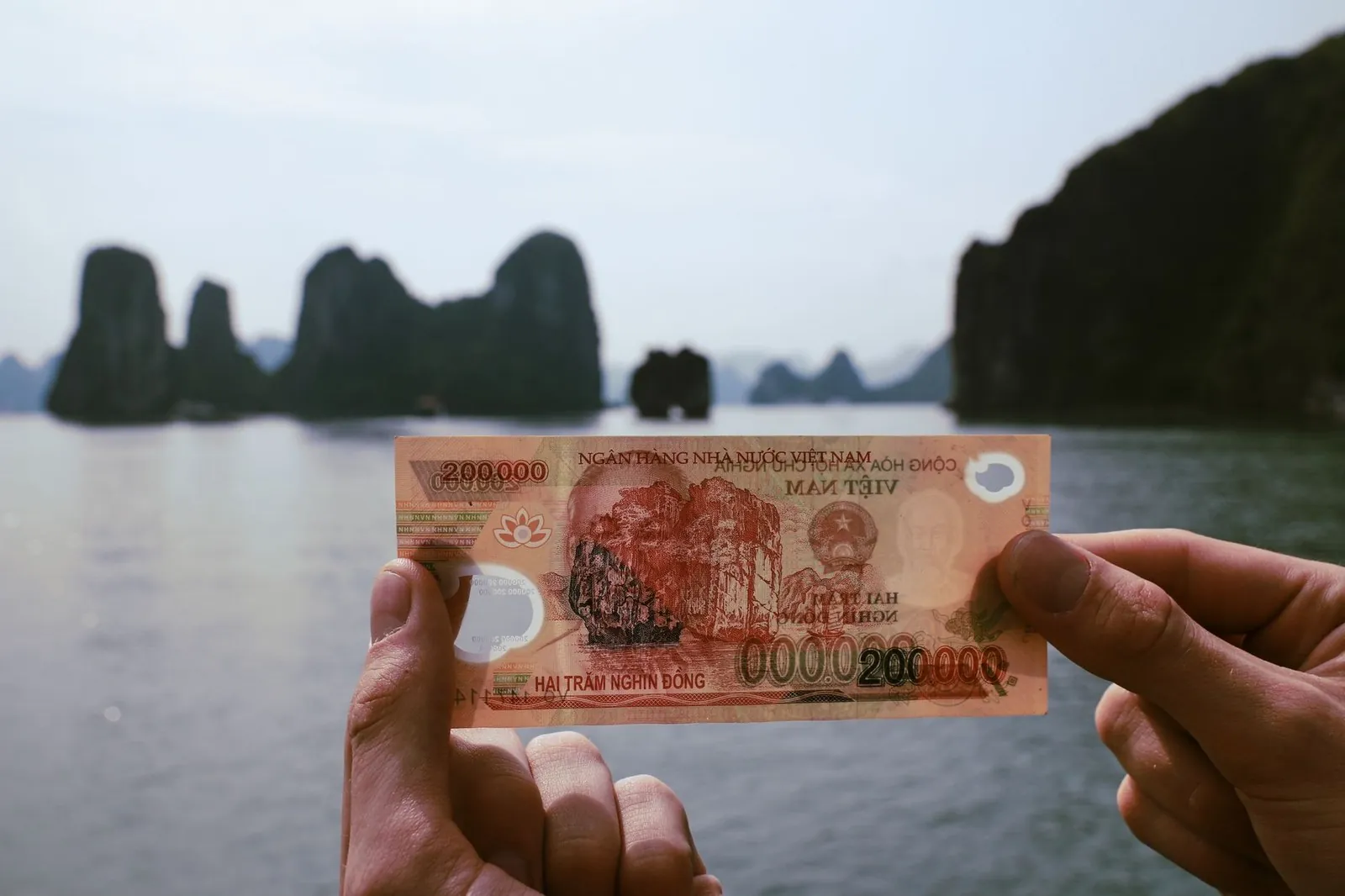
Foreigners in Vietnam pay for things three ways in 2026: a foreign Visa/Mastercard at hotels, malls and supermarkets, a bank QR code (VietQR) for anything local, and cash everywhere else. Cards cover maybe half of daily life. Street food, markets, small cafes and most independent shops are QR or cash only, and no amount of planning changes that. If you want the short version of the setup, the paragraph after the table gives you it in one line.
I have been living and working in Da Nang since 2017, and I run Best Bus, a visa-run and e-visa service here. I pay Vietnamese suppliers, drivers and government portals every week with local rails and foreign cards, so most of what follows is what broke on me first. No bank or wallet paid for a mention in this article.
Which payment methods actually work in Vietnam in 2026?
Four rails cover everything: cash, foreign cards, VietQR bank transfers, and e-wallets like MoMo. A tourist staying under a month realistically uses cash plus a foreign card, and skips wallets entirely. Anyone staying past 90 days ends up wanting a Vietnamese bank account, because VietQR is where the country actually settles money in 2026.
| Method | Works for a tourist? | Typical cost | Where it fails |
|---|---|---|---|
| Cash (VND) | Yes, always | Exchange spread | Large hotel or clinic bills |
| Foreign Visa/Mastercard | Yes, partially | 1-3% issuer FX fee + 2-3% merchant surcharge | Street food, markets, small shops, Xanh SM |
| VietQR (bank QR) | Only with a VN bank account | Free | Not scannable by most home banking apps |
| MoMo / ZaloPay | Hard since Jan 2026 | Free | Biometric verification, needs a linked bank |
| Grab in-app card | Yes | Ride price only | GrabPay wallet needs a local number |
The one-line version
Land with USD cash, exchange a chunk of it, link a foreign card to Grab, and pay for everything else in dong. Add a Vietnamese bank account only when you stay long enough to care about VietQR.
Will my foreign Visa or Mastercard work in Vietnam?
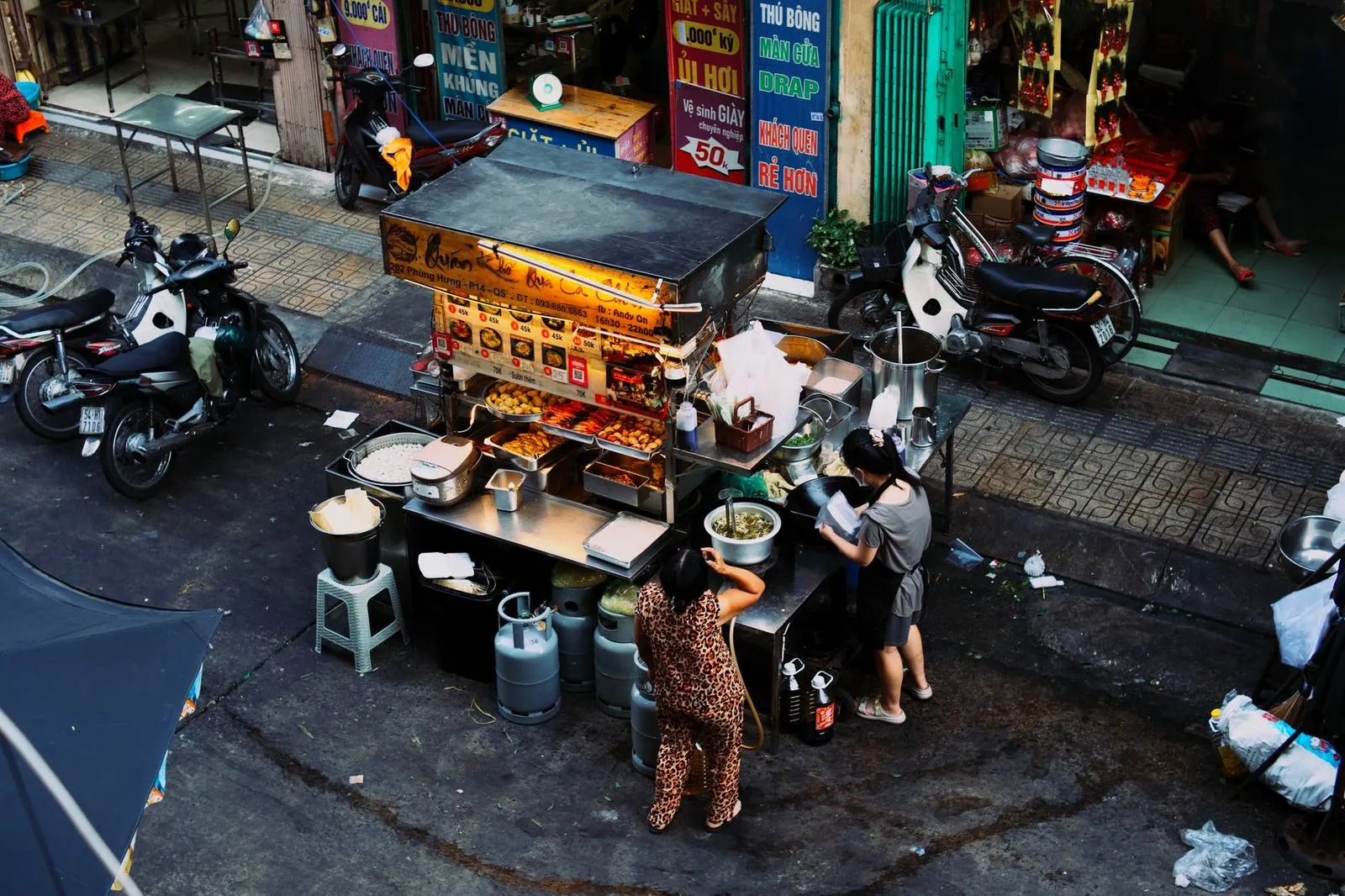
A foreign-issued Visa, Mastercard or JCB works at hotels, shopping malls, supermarkets, international chains and larger restaurants. It does not work at the places where most of your money actually goes: street food stalls, wet markets, neighbourhood cafes, salons and small independent shops. Those are cash or QR, and asking for a card terminal there is not a negotiation.
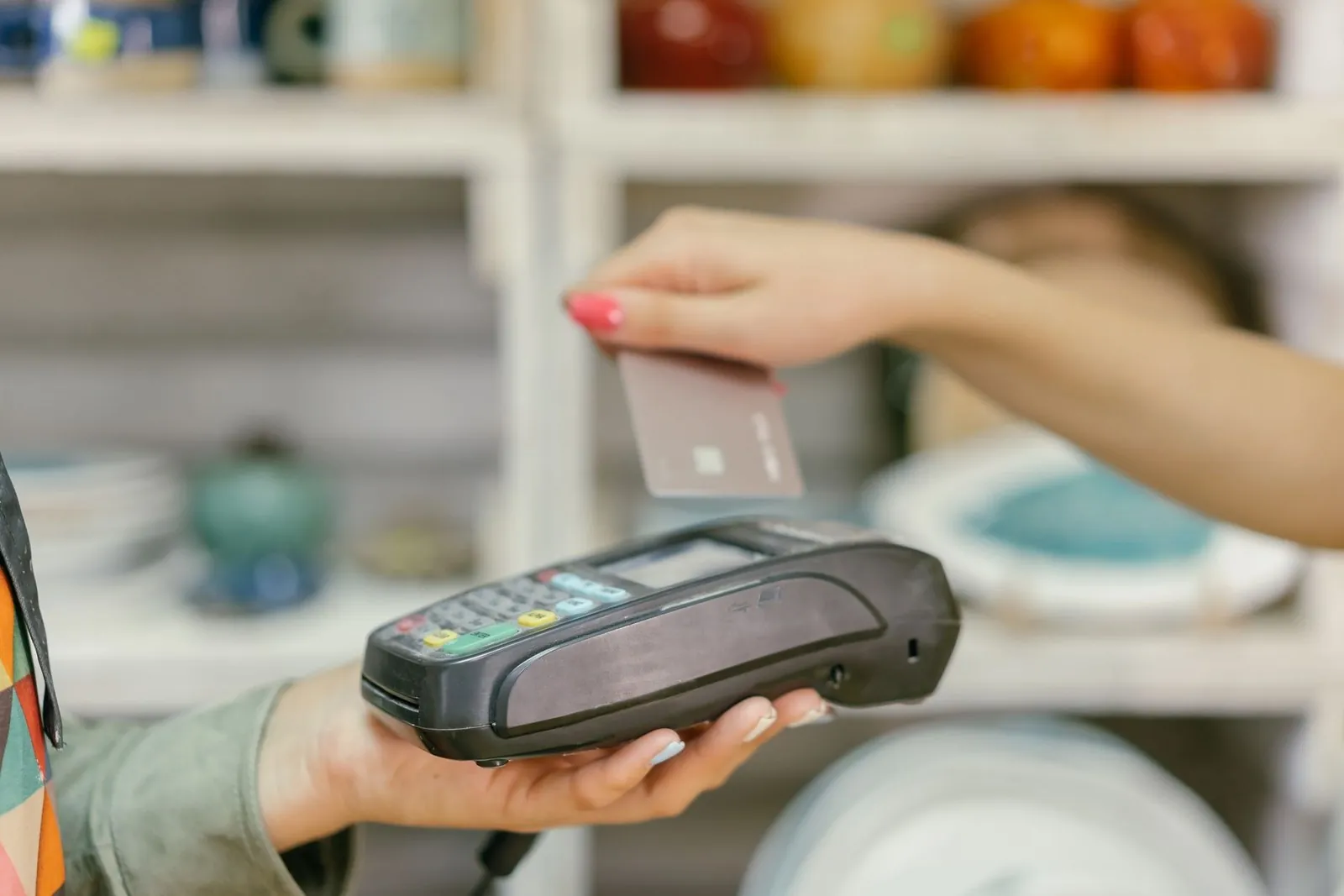
Two fees stack on a card payment. Many smaller merchants, some hotels and travel agencies add a card surcharge of roughly 2-3% to cover their processing cost, and your own bank charges a foreign-transaction fee of about 1-3% on top, unless you carry a travel card that charges 0%. On a $400 hotel bill that is $8 to $24 of pure friction, which is why I pay hotels by bank transfer once I have a local account.
Where do foreign cards fail most often?
The three reliable failures are ride-hailing, government portals and anything under 200,000 VND. Grab accepts international Visa, Mastercard, JCB and Amex linked in the app, and works with a foreign phone number. Xanh SM, Vingroup’s electric-taxi app and now the largest ride-hailing platform in Vietnam by rides, only supports Vietnam-issued cards in-app as of 2026, so keep cash for those taxis. Government portals sit at the top of that failure list for a reason, and the e-visa fee is exactly where it bites — that’s the piece our Vietnam e-visa 90 days page is built to handle.
GrabPay by Moca, Grab’s own top-up wallet, needs a local Vietnamese number, so a visitor pays by linked card instead of the wallet.
Government portals are the failure people do not see coming. The official e-visa portal at evisa.gov.vn rejects a long list of foreign cards, including most Russian ones, and it rejects them at the last step, after the form is filled in. This is where I usually get involved. I pay that government fee with a card the portal actually accepts, fill in the entry point correctly so the visa is not issued for the wrong border, and if the application is refused we refile and refund. If you are stuck at that screen, message me on Telegram and I will tell you whether it is worth handing over.
Can foreigners use MoMo or ZaloPay in 2026?
MoMo and ZaloPay became harder for foreigners on 1 January 2026. Opening any Vietnamese e-wallet now requires biometric identity verification under State Bank Circular 41/2025, which amends Circular 40/2024 on payment intermediary services. Foreigners who are outside Vietnam can complete that biometric check through a contracted third party rather than in person, but inside the country it means showing up with a passport and a face scan.
You can still get onto MoMo or ZaloPay by registering a basic tier with a passport, or by linking an international Visa or Mastercard to the app. What you cannot easily reach is the full local KYC tier, which is built around the Vietnamese CCCD ID card. Vietnamese e-wallets are also legally barred from taking cash deposits, paying interest, or lending, and a fully verified wallet is capped at a 100 million VND balance. Every dong has to move through a linked bank account, which is exactly the thing a tourist does not have.
What is VietQR, and can a tourist use it?
VietQR is Vietnam’s national interbank QR standard, running on NAPAS’s real-time 247 rail. You scan a merchant’s QR code in your own banking app, type the amount, and the money lands in their account instantly and for free, between any two NAPAS member banks. Transfers are capped under 500 million VND per transaction.
It is the reason a noodle stall owner has a laminated QR square taped to the wall and no card terminal: the code is free, and a terminal costs money and takes a cut.
The catch for visitors is that VietQR needs a Vietnamese bank account. Most Western tourists’ home banking apps cannot scan these codes. NAPAS has launched cross-border QR interoperability so far only with a handful of partners such as China, Laos and Cambodia, so a UK or German app will not work at that noodle stall in 2026. If you plan to stay, opening an account is the single upgrade that changes daily life here, and I wrote a separate walkthrough of opening a Vietnamese bank account as a foreigner.
How do I set up payments in my first week?
Six steps, in this order, get a new arrival from airport to functional. Do the first three on day one.
- Declare cash at customs if you carry more than USD 5,000 or more than 15,000,000 VND, using the customs declaration rules. There is no limit on the amount, only on staying quiet about it, and the fine for not declaring reaches 50,000,000 VND.
- Exchange USD at a gold shop in town rather than at the airport counter, and change only what you need for the first days at the airport.
- Install Grab and link your foreign Visa or Mastercard inside the app, before you need a taxi at midnight.
- Keep 500,000 to 1,000,000 VND in small notes for street food, parking and grab-and-go coffee.
- Get a local SIM with a Vietnamese number, because every local payment app is built around one.
- Open a Vietnamese bank account once you hold a Temporary Residence Card valid for 12 months or more, then switch to VietQR for daily spending.
How much cash should you carry, and where do you exchange it?
Carry 1,000,000 to 2,000,000 VND in mixed notes for a normal day, and exchange USD at a gold shop rather than a bank counter or the airport. In mid-July 2026 the mid-market rate sits around 26,250 to 26,270 VND per US dollar, so any quote is easy to check on your phone first.
Gold shops, the tiệm vàng you see on most main streets, quote rates close to the free market with no passport and no paperwork, and they beat bank counters, which in turn beat airport kiosks. Above roughly $5,000 I use a bank instead, because the paper trail is worth more than the spread.
Vietnamese dong notes run 1,000, 2,000 and 5,000 in paper, then 10,000 up to 500,000 in polymer, and there are no coins. The 20,000 and 500,000 notes are both blue-ish and get mixed up constantly, which is a 25x mistake in someone’s favour and never yours.
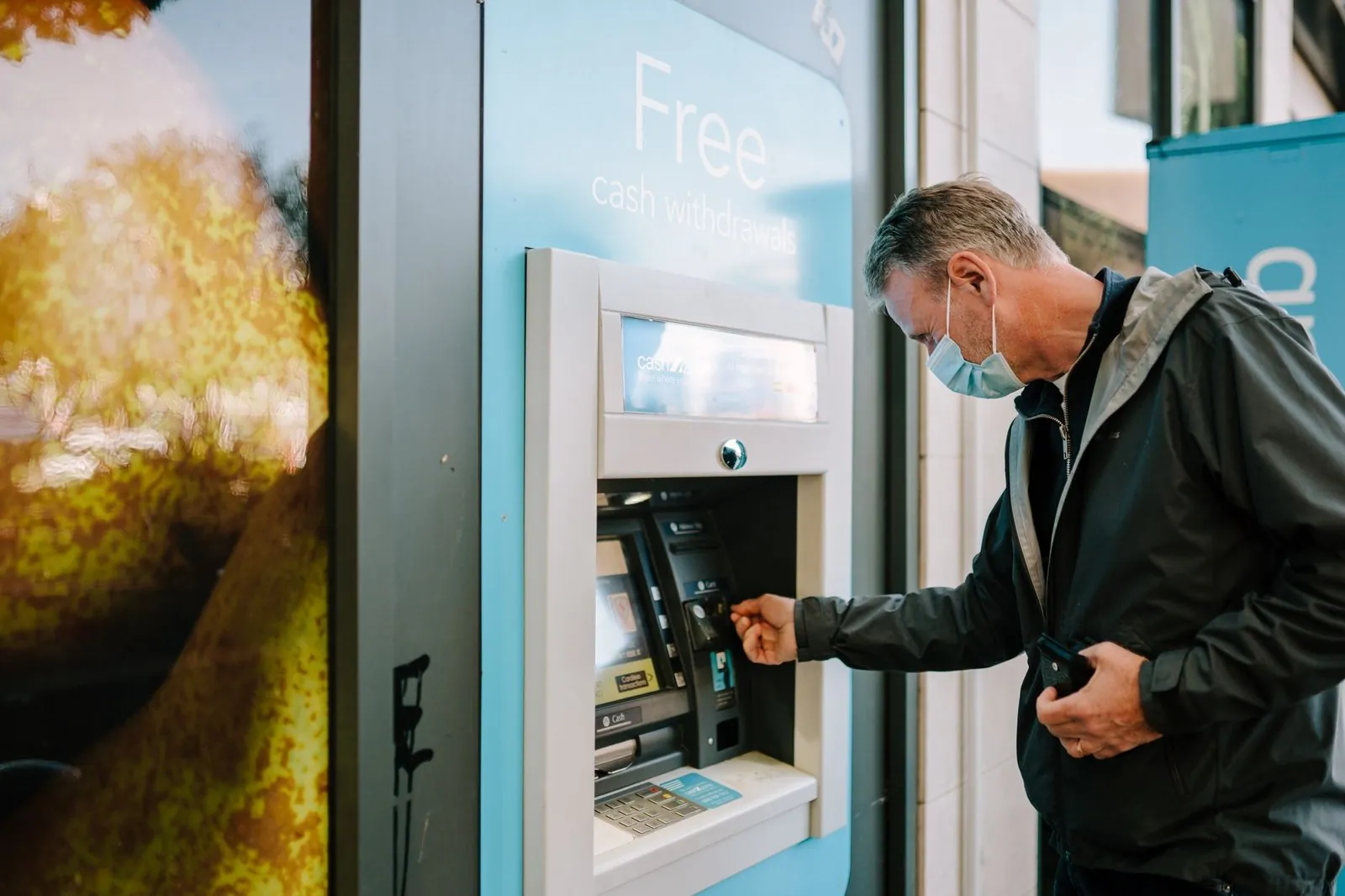
ATM cash is the other option. Vietnamese ATMs commonly cap withdrawals at 2,000,000 to 5,000,000 VND per transaction, with VPBank allowing up to 10,000,000 in one go. Techcombank and VPBank machines are usually free for foreign cards, while Vietcombank, BIDV, Agribank, ACB and MB Bank charge around 50,000 VND per withdrawal. There is no Vietnamese daily cap for foreign cards, so your effective daily limit is whatever your home bank allows, commonly the equivalent of 5 to 20 million VND.
What about Wise and Revolut?
The two get lumped together and behave nothing alike here. The Wise card cannot be used for everyday spending inside Vietnam, with no local POS or ATM support, so it stays a transfer tool. Revolut’s card runs on normal Visa/Mastercard rails and works at Vietnamese ATMs and terminals.
Revolut’s withdrawal limits are tiered by account age and plan, around $550 a day under 120 days old and up to $1,050 after. For actually moving money in or out of the country, that is its own topic, and I covered it in sending money to and from Vietnam.
What I would tell a friend landing tomorrow
Bring dollars, change them in town, put a card in Grab, and stop trying to make foreign plastic work at a bún chả stall. The rest sorts itself out once you have a local account, and that only comes with a visa that lets you stay long enough to want one.
That visa part is what I do for a living. You can see the visa-run and e-visa options on Best Bus - danangvisarun.com, or just write to me on Telegram with your dates and passport country and I will work out what your situation actually needs.
Frequently asked questions
Can I use Apple Pay or Google Pay in Vietnam?
Apple Pay and Google Pay work wherever a contactless terminal exists, which in practice means malls, chains and larger supermarkets in Da Nang, Hanoi and Ho Chi Minh City. The card behind the wallet still pays the same 1-3% foreign-transaction fee, and a street stall has no terminal to tap.
Do I need a Vietnamese phone number to pay for anything?
Not for cards or cash. A Vietnamese number becomes necessary for GrabPay by Moca, for e-wallet registration and for the SMS codes your local bank sends, so anyone staying more than a few weeks should buy a local SIM early.
Is it safe to hand my passport to a gold shop when exchanging money?
Gold shops do not ask for a passport at all, which is part of why people use them. Bring the cash, take the dong, count it on the spot, and never hand your passport to anyone who is not a bank clerk or an immigration officer.
Can I pay Vietnamese hospital or clinic bills with a foreign card?
International hospitals such as Vinmec and Family Hospital take foreign cards, and most public hospitals do not. Travel insurance covering direct billing matters more than your card here, because a public facility may want cash up front before treatment.
What happens if my card gets blocked in Vietnam?
Foreign banks routinely flag Vietnamese transactions as fraud on day one. Tell your bank your travel dates before you fly, keep a second card from a different issuer in a different pocket, and hold enough cash to cover 48 hours without any card at all.