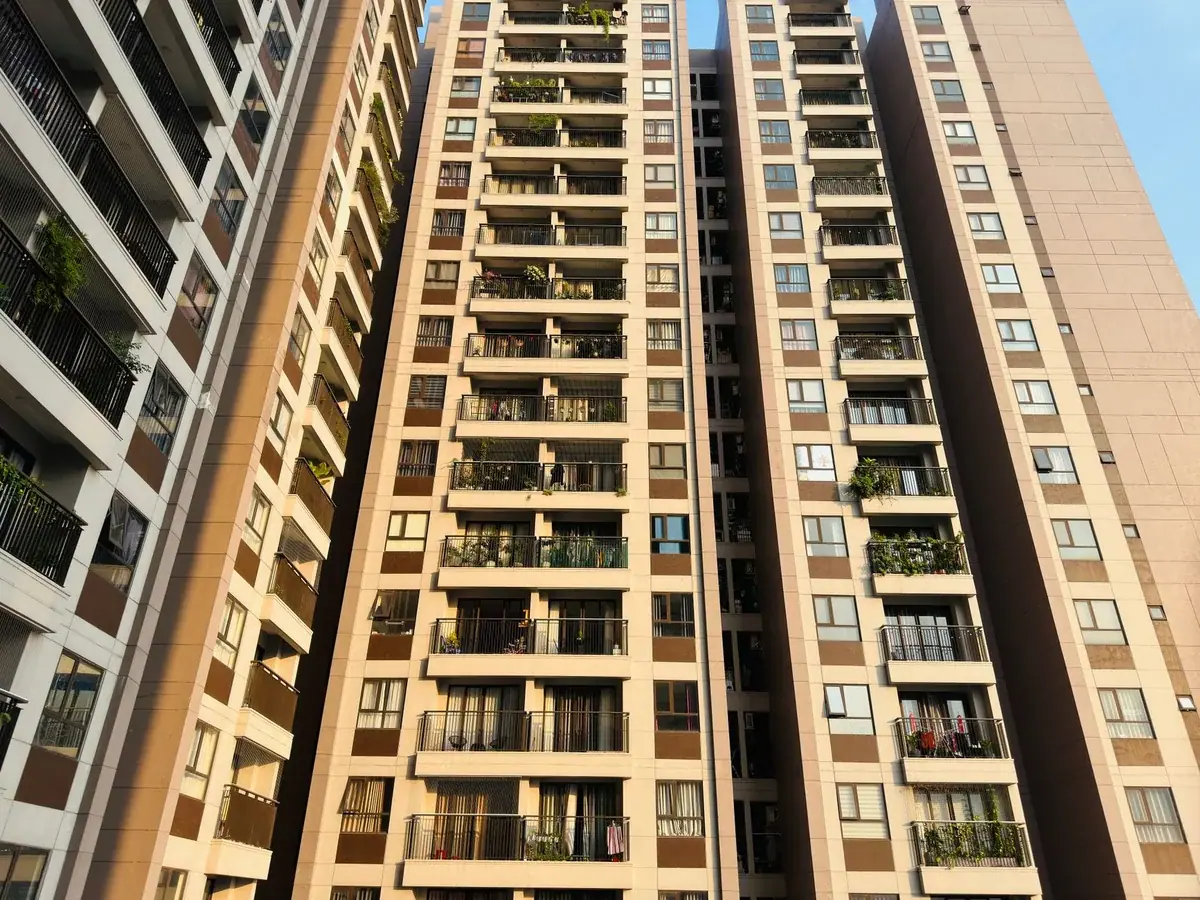
Getting a mortgage in Vietnam as a foreigner is legally possible — and it has been since 2025. In practice, it’s still rare. Vietnamese banks treat leasehold collateral held by non-residents as high-risk, and most expat buyers settle for cash or developer instalment plans instead. But if you have the right visa status and employment history, a handful of banks will talk to you.
Here’s what the law actually says, which banks lend, and what you need to qualify.
Can foreigners legally buy property in Vietnam?
Yes — under Article 17 of Housing Law No. 27/2023/QH15 (in force from 1 January 2025), any foreign national with a valid entry visa and no diplomatic immunity can purchase residential property in approved projects.
The key limits to understand:
- Leasehold, not freehold. Foreigners receive a Pink Book (Certificate of Land Use Rights and Ownership) granting a 50-year leasehold, renewable once for another 50 years — 100 years maximum. The underlying land stays state property.
- 30% quota per building. Foreign buyers cannot exceed 30% of total apartment units in any single condominium building. For landed houses: a maximum of 250 units per ward-equivalent area, or 10% of units in one project.
- Resale to other foreigners is now legal. Housing Law 2023 permitted foreigner-to-foreigner secondary-market sales — the previous 2014 law banned it.
Once you receive the Pink Book, you can legally pledge that property as mortgage collateral — which opens the door to bank financing, at least in theory.
Which banks in Vietnam lend to foreigners in 2026?
Most domestic Vietnamese banks focus on Vietnamese nationals. The three banks most consistently cited as foreigner-friendly are Standard Chartered Vietnam, Shinhan Bank Vietnam, and HSBC Vietnam — though HSBC’s official eligibility page lists only Vietnamese nationals and overseas Vietnamese.
| Bank | Max LTV | Typical rate | Foreign eligibility |
|---|---|---|---|
| Standard Chartered VN | Up to 75% | Not published publicly | Yes — with Work Permit or Vietnamese spouse |
| HSBC Vietnam | Up to 70% | 5.50–8.99% fixed | Officially Vietnamese nationals; case-by-case for foreigners |
| Shinhan Bank VN | Not published | 7.95–8.1% (12–36mo fixed) | Yes — foreigner-friendly |
| Vietcombank | Not specified | 9.6–13.9% | Primarily Vietnamese nationals |
| BIDV | Not specified | 9.7–13.5% | Primarily Vietnamese nationals |
If you’re a European or American national without a Vietnamese spouse, Standard Chartered and Shinhan are your most realistic starting points. Contact them directly — neither publishes a dedicated “foreigner mortgage” product, but both process applications on a case-by-case basis.
What LTV ratio and interest rates can foreigners expect?
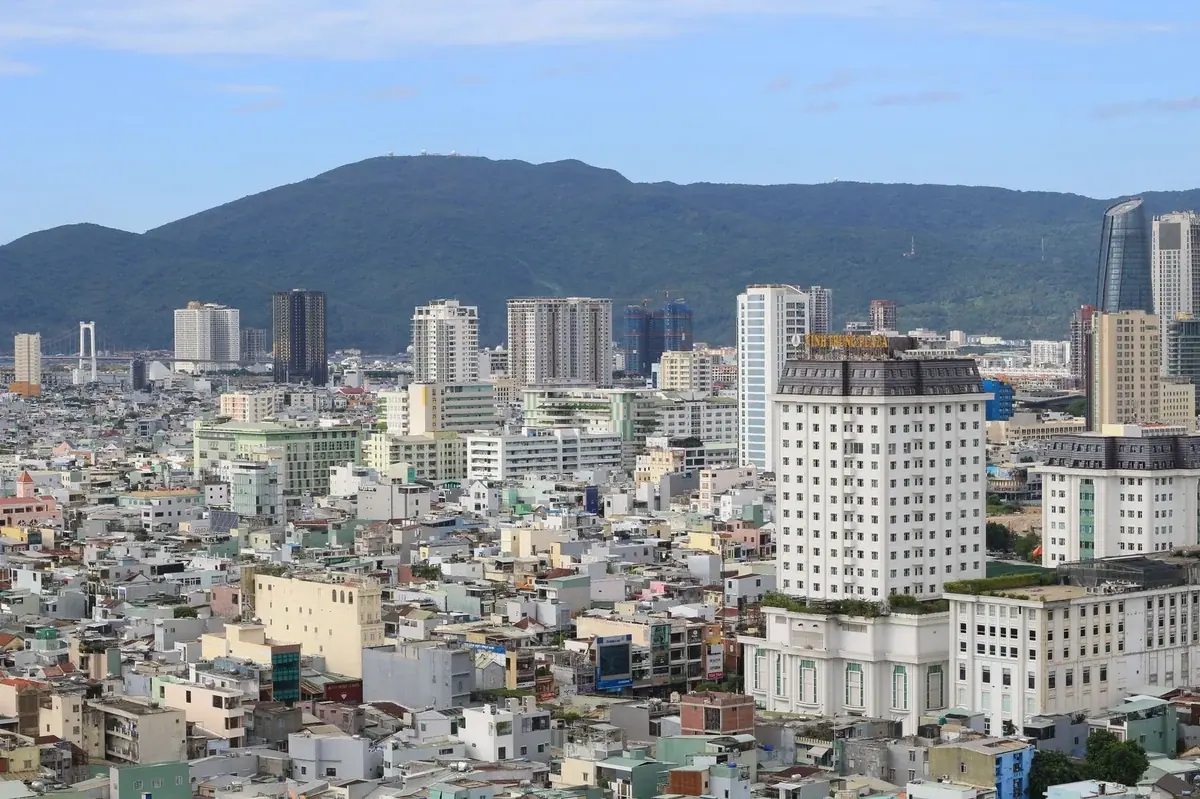
The honest range: 50–70% LTV, which means a 30–50% down payment. Strong applicants with high incomes and long local employment records may reach 70–75% LTV at Standard Chartered. Domestic Vietnamese banks typically cap foreigners at 50–60% LTV.
For reference, opening a local bank account is a prerequisite before any bank will take your mortgage application seriously — you need income routed consistently into a Vietnamese account.
Interest rates in 2026 are higher than many expats expect:
- International banks (Shinhan, HSBC): 7.95–9% fixed for the first 12–36 months, then variable
- Vietnamese state banks (if they’ll work with you): 9.6–13.9% (Vietcombank), 9.7–13.5% (BIDV)
Vietnamese banks use the Credit Information Center (CIC) record — not Western credit scores. Your Equifax or Experian report is accepted as supporting documentation only, not as primary evidence of creditworthiness.
What documents do you need to qualify for a Vietnam mortgage?

Most banks require all of the following. Missing any one of these is typically an automatic rejection:
- Valid Work Permit (Giấy phép lao động) — tourist, business, and e-visa holders are ineligible
- Temporary Residence Card (TRC) — verifies legal long-term stay
- 6–12 months of employment history in Vietnam (salary earners); 3 years in operation for self-employed
- Income routed through a Vietnamese bank account — foreign income treated as supporting documentation only
- Clean CIC record — no outstanding debts or defaults in the Vietnamese credit system
- Property Pink Book — the property must already have a Pink Book issued; off-plan or pre-title properties do not qualify as collateral
Minimum monthly income banks typically look for: 30–50 million VND (~$1,200–2,000 USD). Well-qualified applicants generally earn 50–100 million VND per month.
How to apply for a mortgage in Vietnam as a foreigner
The process runs roughly 60 days from pre-qualification to final approval:
- Verify your eligibility: confirm you hold a valid Work Permit and TRC and have at least 6 months of local employment history — without these, do not proceed.
- Build Vietnamese banking history: route your salary into a local account for at least 6 consecutive months before applying; banks want to see consistent deposits.
- Request your CIC record: any unresolved debts or defaults will need to be cleared before your application is reviewed.
- Shortlist international banks first: contact Standard Chartered Vietnam and Shinhan Bank Vietnam directly for a pre-qualification conversation.
- Submit your documentation package: passport, Work Permit, TRC, 6-month bank statements, employment contract, payslips, and income tax declarations if applicable.
- After conditional approval, select the property: confirm it holds a Pink Book and negotiate the LTV — aim for 60–70%; be prepared to put down 30–40%.
When paying cash beats getting a mortgage in Vietnam
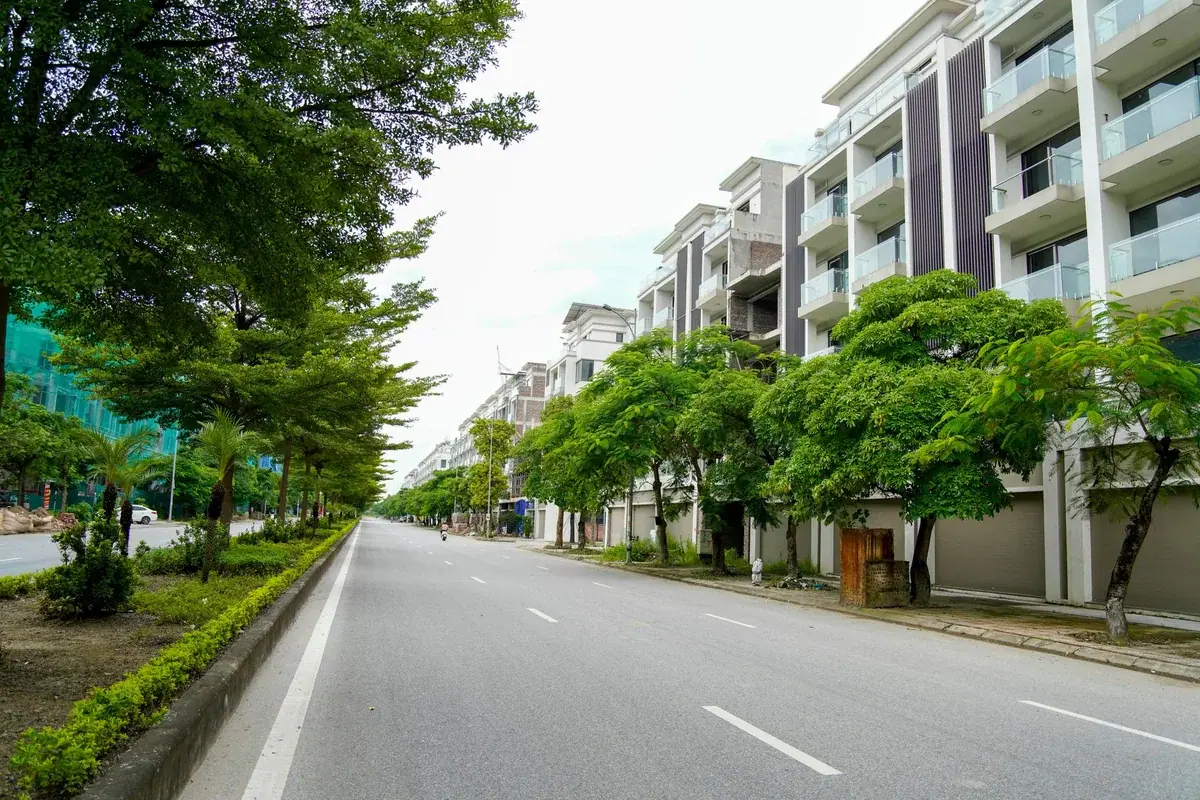
For most foreign buyers in Vietnam, cash or a developer instalment plan is the more rational choice. Here’s why:
- Vietnamese interest rates are high. State bank rates of 9.6–13.9% are not rare. Even at Shinhan’s competitive 7.95%, you are borrowing at a rate that many Western savings instruments now approach.
- Leasehold adds complexity. Banks assess your 50-year leasehold as depreciating collateral — the remaining term on your certificate affects their risk calculation.
- Developer plans eliminate the bank entirely. Many major developers in Da Nang and Ho Chi Minh City offer 3–5 year instalment programmes at 0% interest during construction. This is the route most foreign investors take.
If you are exploring where to buy, see our breakdown of best places to live long-term in Vietnam — property prices and rental yields vary significantly between Da Nang, Hoi An, Hanoi and Ho Chi Minh City.
One path to avoid entirely: nominee arrangements — having a Vietnamese citizen hold the property on your behalf — are illegal and unenforceable. Courts have no obligation to protect your interest if the nominee sells or mortgages the asset without your consent.
Long-stay in Vietnam typically means getting your TRC and Work Permit in order first. Best Bus handles the visa and residency document stack — from your initial e-visa through Work Permit applications and TRC renewals — so that when you are ready to approach a bank, every required document is current and properly certified.
danangvisarun.com — send us the details of your situation and we will lay out exactly which documents you need and in what order.
Frequently asked questions
Can foreigners get a mortgage in Vietnam? Yes, legally since 2025 under Housing Law 27/2023/QH15. In practice it is rare — most foreign buyers use cash or developer instalment plans. The banks most open to foreign applications are Standard Chartered Vietnam and Shinhan Bank Vietnam.
Which banks in Vietnam give loans to foreigners? Standard Chartered Vietnam (up to 75% LTV) and Shinhan Bank Vietnam (7.95–8.1% fixed rate) are the most foreigner-friendly. HSBC Vietnam officially serves Vietnamese nationals and overseas Vietnamese, but some expats report case-by-case assistance. Domestic state banks (Vietcombank, BIDV) primarily work with Vietnamese nationals.
Do I need a work permit to get a mortgage in Vietnam? Yes. A valid Work Permit plus a Temporary Residence Card (TRC) are mandatory for any mortgage application at a Vietnamese bank. Tourist visa and e-visa holders are not eligible.
What is the LTV ratio for foreign buyers in Vietnam? Domestic banks typically cap foreigners at 50–60% LTV (40–50% down payment required). Standard Chartered Vietnam offers up to 75% LTV for strong applicants. Target 60–70% LTV as a realistic goal.
Are nominee arrangements legal in Vietnam for foreigners buying property? No. Nominee arrangements — where a Vietnamese citizen holds property on a foreigner’s behalf — are illegal and unenforceable under Vietnamese law. Courts will not protect your interest if the nominee acts against you.
Can I buy property in Vietnam with an e-visa or tourist visa? You can legally purchase property as a tourist entry holder, but you cannot use the property as mortgage collateral without a Work Permit and TRC. Cash purchases are technically possible; bank financing is not.